



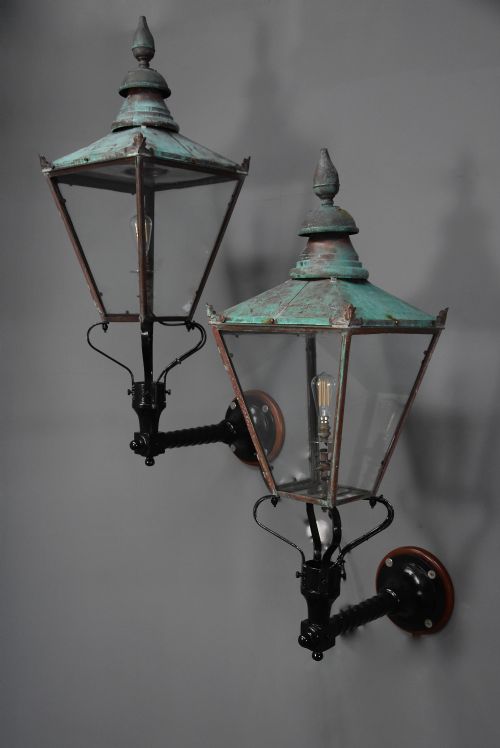


Victorian Style Wall Light
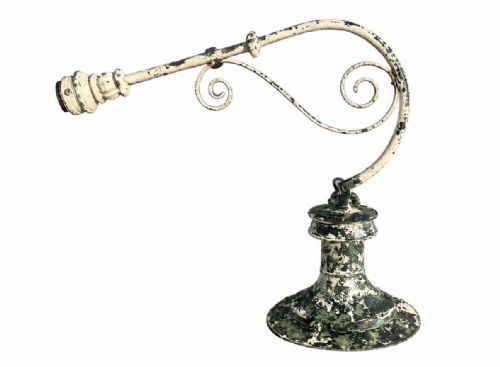
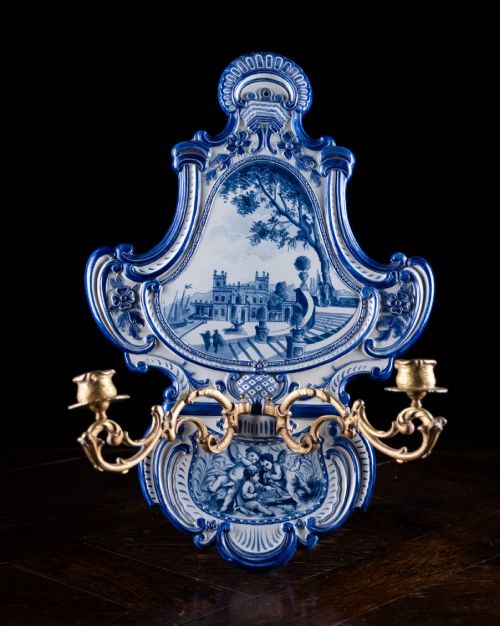
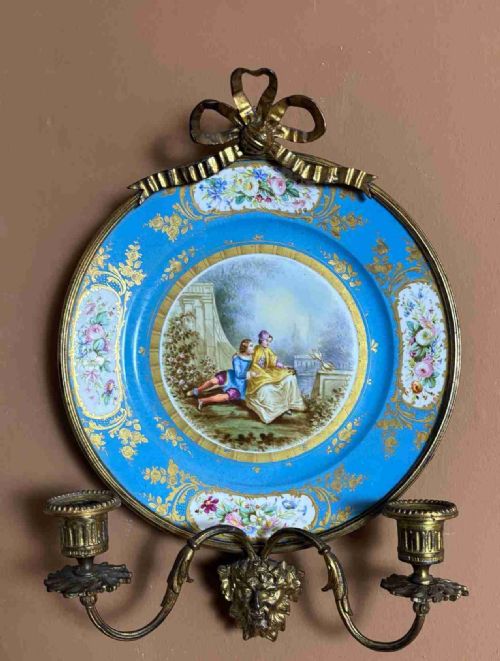
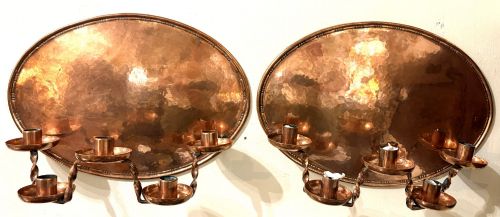
These victorian style wall light fixtures bring character and period illumination to interiors, ranging from robust iron lanterns to refined brass sconces.
Victorian Style Wall Light
A victorian style wall light encompasses a broad variety of domestic and exterior illumination forms, drawing upon design idioms from the nineteenth century and subsequent revival periods. Buyers searching for a victorian style wall light encounter diverse lighting fixtures, from carriage lanterns to multi-armed sconces, reflecting varied domestic functions of the era.
The selections span several distinct periods including the nineteenth century, Victorian era, and early twentieth-century decades like 1900, 1920, and 1930. Stylistic influences extend from standard Victorian and Victorian Rococo Revival to Arts and Crafts, Neo-Classical, Art Nouveau, Gothic Revival, French Rococo, and Mughal style.
Object forms listed under victorian style wall light include wall lights, wall sconces, wall lanterns, light fittings, and associated wall mirrors. Materials recorded across these pieces range from brass, copper, and wrought iron to glass, frosted glass, oak, iron, wood, bronze, silver-plate, and gilt metal.
Construction and materials
Metalworking techniques form the backbone of these pieces, utilising cast, beaten, and patinated metals such as brass, copper, bronze, and iron. Artisans employed methods like verdigris patination on copper and detailed metal casting for gilt metal fittings and gasolier frames.
Structural elements frequently combine metal brackets with glass components, including frosted glass and lantern panels. Woodwork appears in pieces incorporating oak frames and wooden wall mounts alongside metal arms and brackets.
Victorian Style Wall Light Retail Price Guide 2026
Typical asking prices for victorian style wall light among the pieces listed under this phrase on Sellingantiques today, from the lower quarter to the upper quarter. They describe what is for sale here now, not the wider market.
Listings feature items dated across the nineteenth century, Victorian era, 1880, 1890, 1900, 1920, and 1930.
Judging execution and design
Quality shows in the crispness of casting and the hand-finishing of metalwork, distinguishing standard production from sophisticated execution. The integration of complex motifs, such as neo-classical details or spiral twist wall brackets, demonstrates higher levels of design ambition.
Material selection and surface treatment define the upper tier, where genuine bronze, heavy ironwork, or carefully patinated copper retain tactile and visual depth. The integrity of multi-armed configurations and associated shades indicates the original manufacturing standard.
Liberty
The Victorian Style Wall Light Glossary
- Gasolier
- A branched lighting fixture designed for gas lighting, often adapted or built with multiple arms. These fittings reflect nineteenth-century domestic illumination technology before general electrification.
- Sconce
- A wall-mounted lighting fixture designed to hold candles, gas burners, or electric lamps. Sconces project outward from vertical surfaces to direct light into a room.
- Verdigris
- A green patina formed naturally or artificially on copper, brass, or bronze surfaces through oxidation. This finish provides both protection and an aged aesthetic.
- Gothic Revival
- An architectural and decorative style drawing inspiration from medieval Gothic forms. Pieces in this style often feature heavy ironwork and robust architectural motifs.
- Arts and Crafts
- A design movement prioritising traditional craftsmanship, visible construction, and simple forms. Copper and wrought iron are frequently utilised in objects from this tradition.
Victorian Style Wall Light: Frequently Asked Questions
What periods do these wall lights represent?
The pieces span the nineteenth century through the early decades of the twentieth century, including Victorian production and later revivals from the 1900s to the 1930s.
Various stylistic revivals overlap during these periods, meaning manufacturing dates and aesthetic movements often intersect.
Where were wall lights placed originally?
Wall fixtures served multiple environments, from interior rooms requiring multi-armed sconces to exterior coach-houses and street positions needing robust lanterns.
Interior examples lit hallways and reception rooms, while heavy iron and copper versions suited transitional or outdoor spaces.
How do materials differ across the designs?
Makers utilised a wide palette including brass, copper, wrought iron, bronze, and gilt metal alongside glass and occasionally oak or wood.
Some pieces feature surface treatments like verdigris patination, while others rely on the polished finish of silver-plated or bronze components.
Are these lights adapted for modern electricity?
Many historical wall lights and gasoliers have undergone conversion to accept modern electrical fittings while retaining their original frames.
Inspecting the wiring configuration helps determine how a specific light fitting integrates with contemporary electrical standards.