

Victorian Style Couch
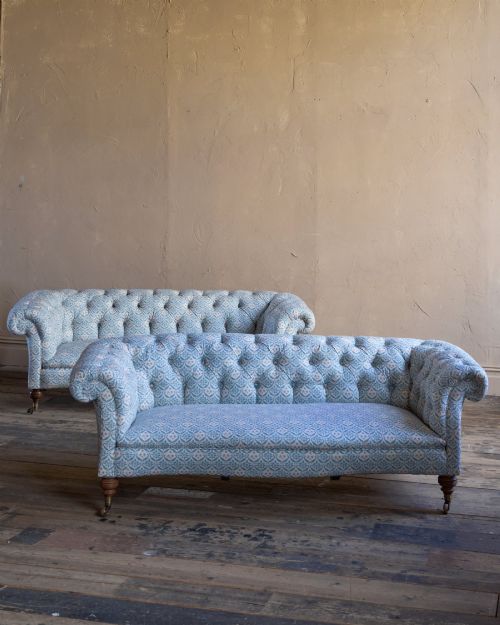
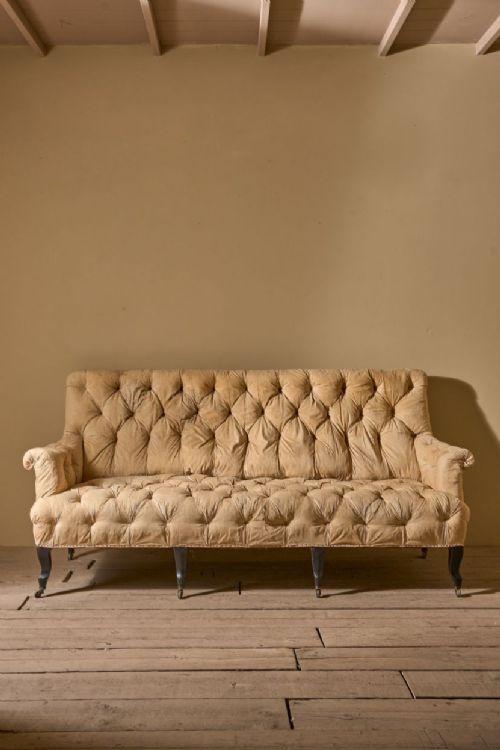
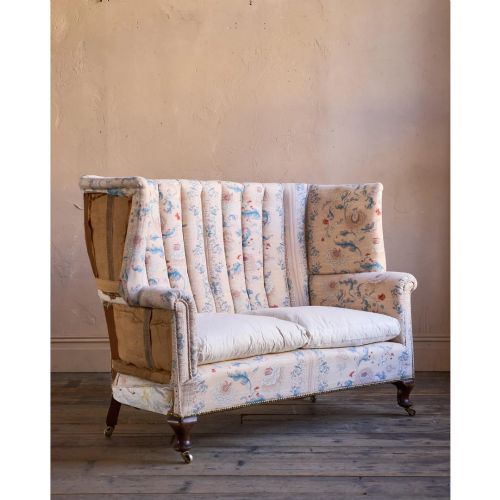
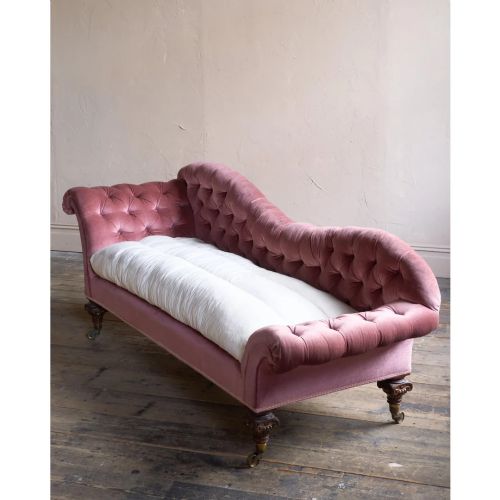
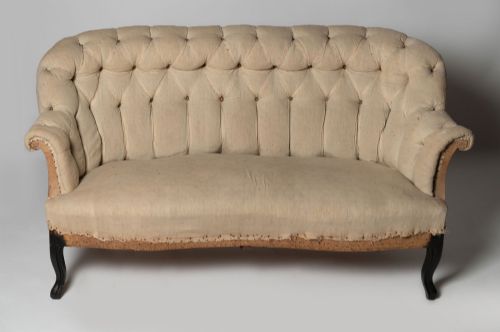
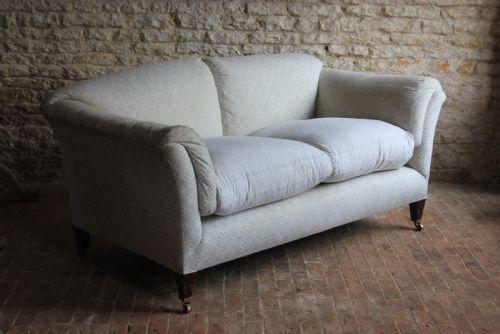
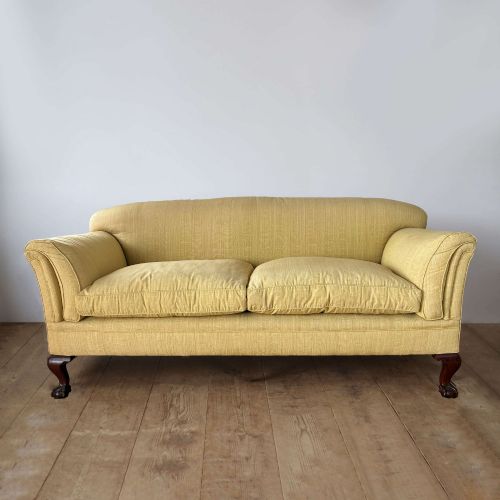
These nineteenth-century pieces give a victorian style couch its lasting character through deep buttoning, turned timber frames and scrolled ends.
Victorian Style Couch
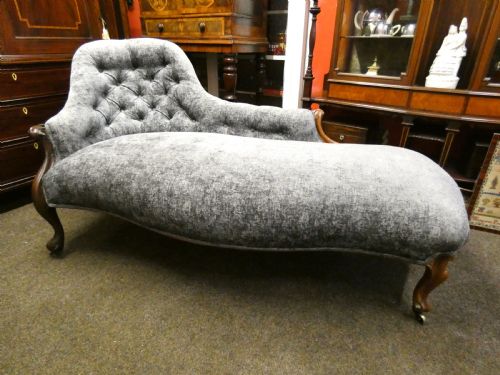
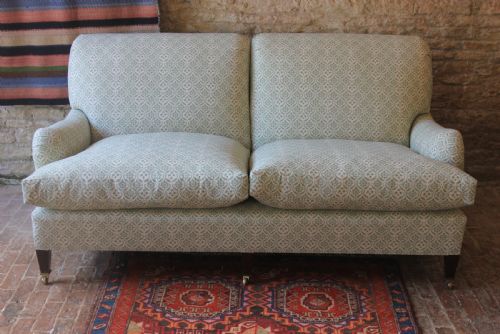
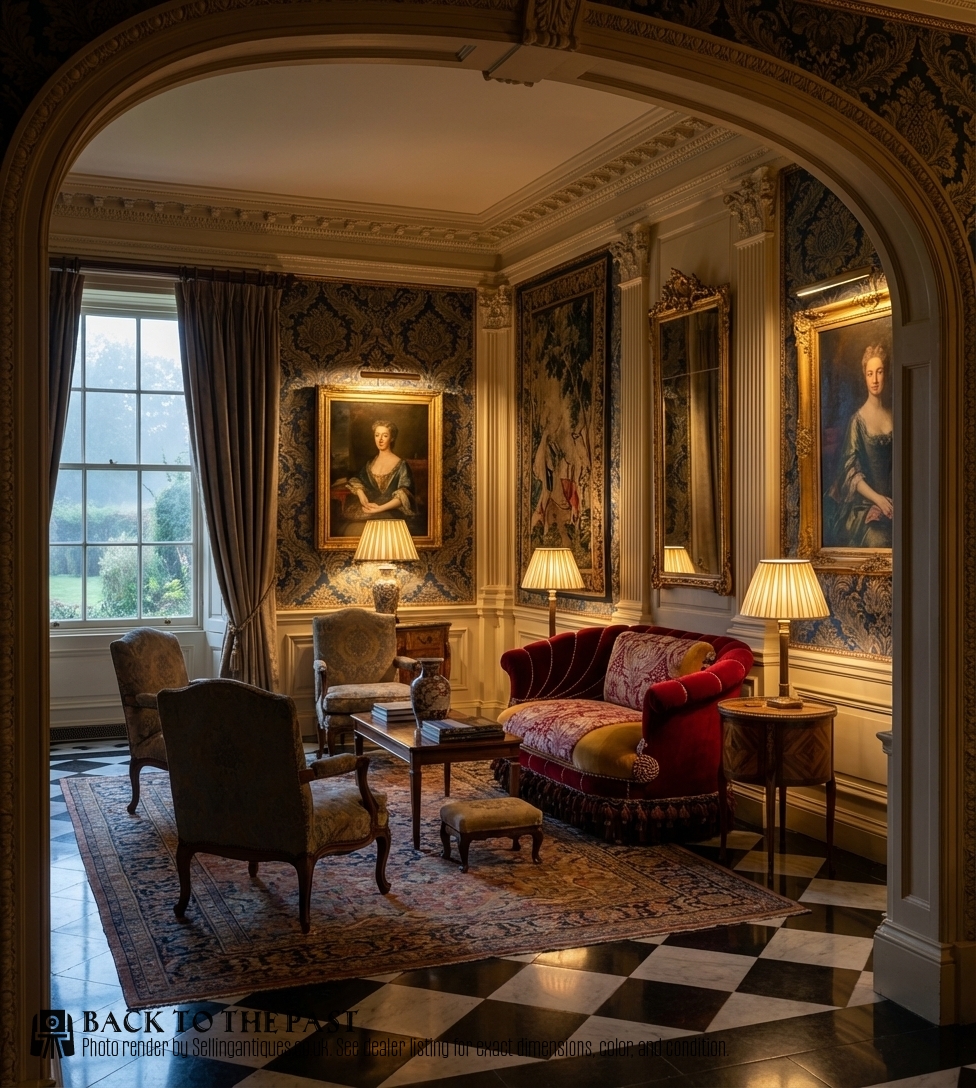
A victorian style couch encompasses a range of nineteenth-century seating, from buttoned library settees to carved walnut chaise longues and low-back daybeds. Most examples on this page date from the nineteenth century, including specific decades such as eighteen-eighty and eighteen-eighty-five, alongside later revival pieces.
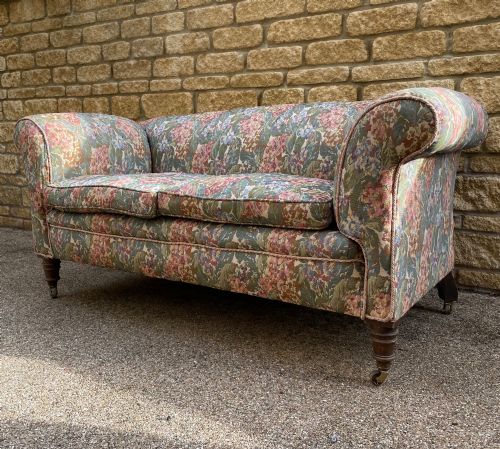
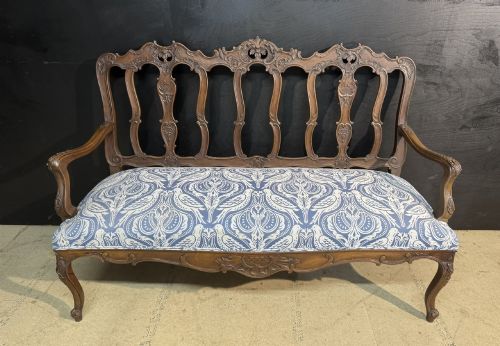
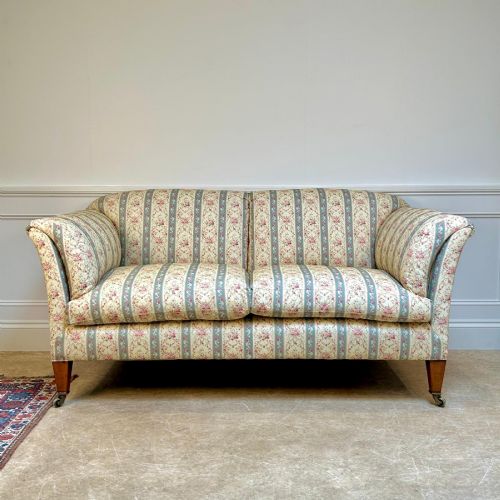
Forms vary between two-seater drop-arm sofas, open-arm daybeds, camel-back frames and double-ended couches upholstered in velvet, leather or fabric. Makers of the period drew upon Regency, Rococo Revival and Chippendale styles to shape these timber frameworks.
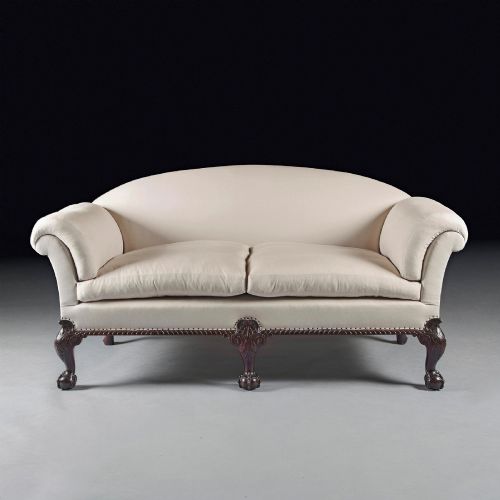
The selection ranges from country house leather sofas to button-backed satinwood and mahogany settees. Buyers encounter pieces resting on ball and claw feet, ionic column legs or simple turned timber supports.
How they were made
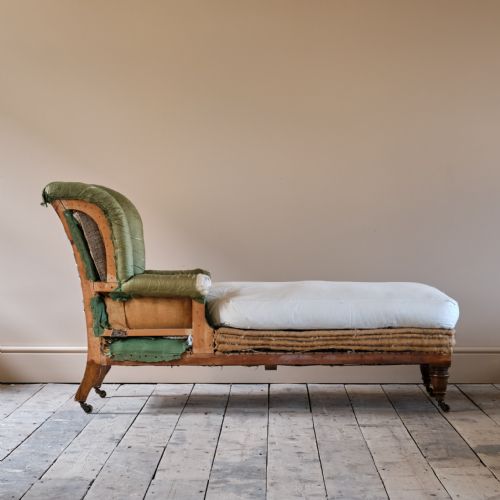
Frames rely upon dense timbers such as walnut, mahogany, satinwood and rosewood, carved or turned to support heavy upholstery. Brass castors and decorative details frequently finish the structural wooden legs.
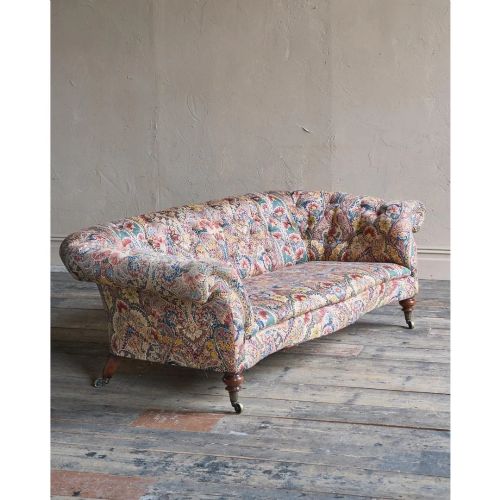
Upholstery techniques involve deep buttoning, sprung seats and structured horsehair padding covered in velvet, leather or patterned fabric. Trims such as tassels and gimps finish the edges of the textile work.
Listings feature walnut, mahogany, satinwood and rosewood frames paired with brass, leather, velvet and fabric upholstery.
What varies in quality
The integrity of the underlying timber frame and the depth of the carving determine the structural calibre of each settee. Crisp moulding on walnut or mahogany frames separates standard workshop production from finer cabinet work.
Upholstery execution alters the piece, particularly the precision of buttoning, the tautness of the leather or velvet, and the survival of original textile trims. Original springs and well-maintained webbing dictate the seating firmness.
Howard and Sons
The Victorian Style Couch Glossary
- Chaise longue
- An upholstered long chair or daybed designed for reclining, often featuring a single raised end and scroll arm.
- Chesterfield sofa
- A deep-buttoned upholstered couch traditionally finished in leather with arms and back of the same height.
- Settee
- A medium-sized upholstered seat with a back and arms, designed to accommodate two or more people.
- Drop-arm sofa
- A couch with a hinged or movable arm mechanism that lowers to form a flat resting surface.
- Button-back
- An upholstery method where tufts are pulled tight and secured with buttons to create a padded diamond pattern.
Victorian Style Couch: Frequently Asked Questions
How do I identify a Victorian sofa?
Look for characteristic timber frames in walnut or mahogany paired with curved scroll ends and turned legs. Many examples utilise deep buttoning across the backrest.
Period markers also include specific revival styles such as Rococo or Chippendale influences alongside nineteenth-century construction methods.
Where should I place a chaise longue?
These long seating forms suit bedrooms, dressing rooms or drawing rooms where they can sit freestanding against a wall. Their single raised end directs the view across the room.
Ensure adequate floor space around the piece so the scrolled woodwork and upholstery remain visible.
What is the difference between a settee and a couch?
Historically, settees denote fully upholstered wooden-framed seats for multiple occupants, whereas couches often reference daybeds or reclining furniture. In modern listings the terms frequently overlap.
Examine the back height and arm configuration to determine the specific seating type.
How do I care for leather upholstery?
Keep nineteenth-century leather conditioned with appropriate balms to prevent drying and cracking on buttoned surfaces. Avoid placing the leather near direct heat sources or strong sunlight.
Dust regularly with a soft dry cloth to protect the finish.