

Victorian Style Bookcase
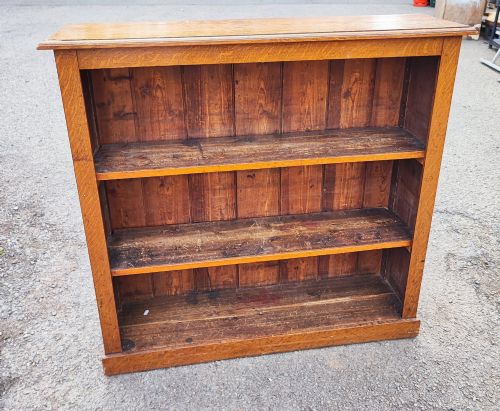
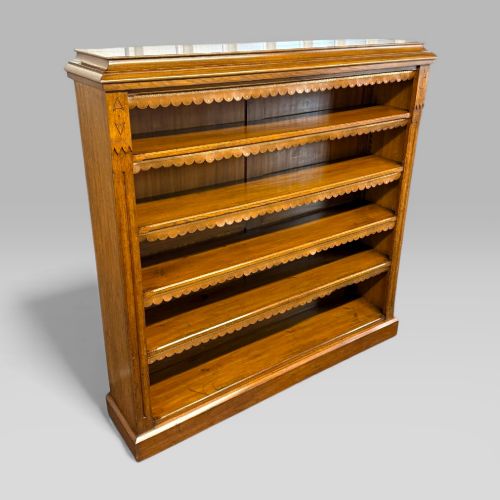
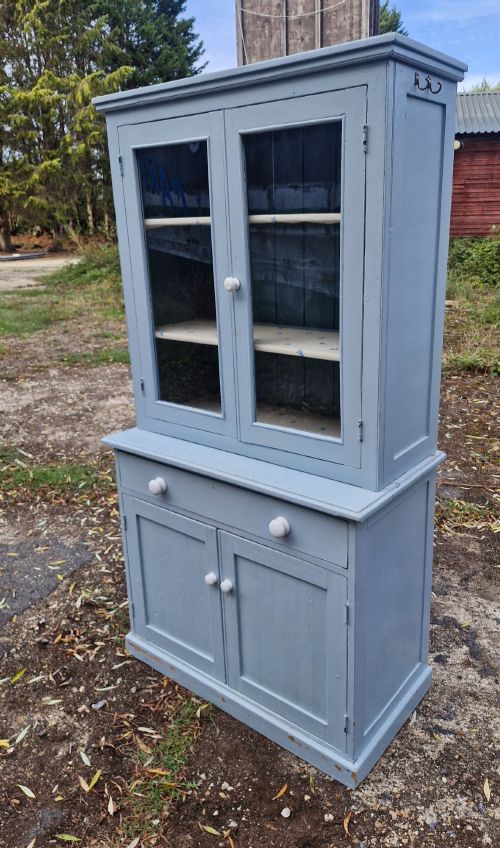
A victorian style bookcase brings architectural presence and structured storage into a room, spanning open shelf designs and glazed display cabinets.
Victorian Style Bookcase
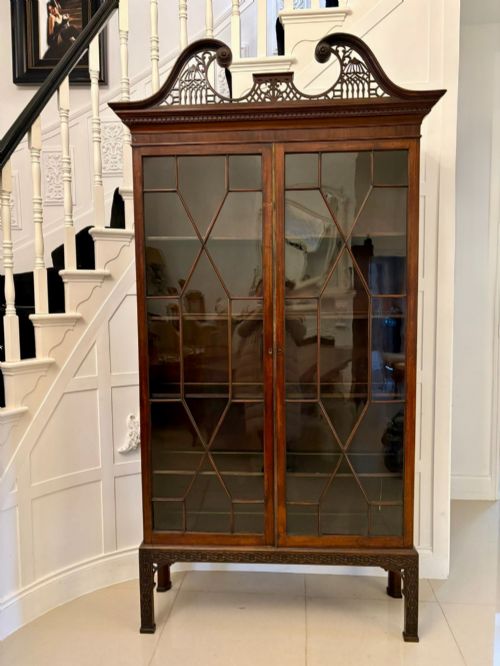
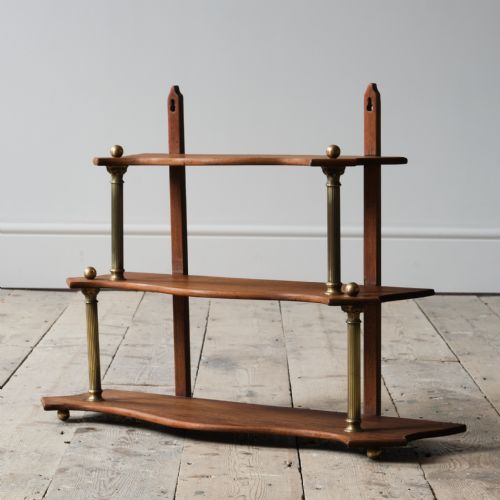
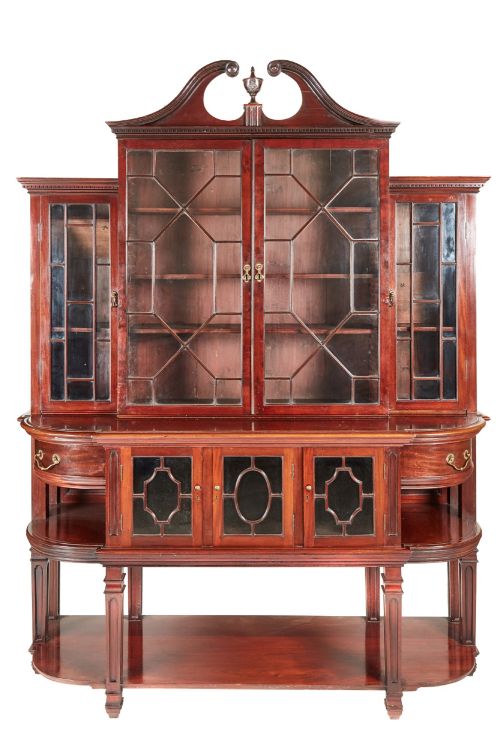
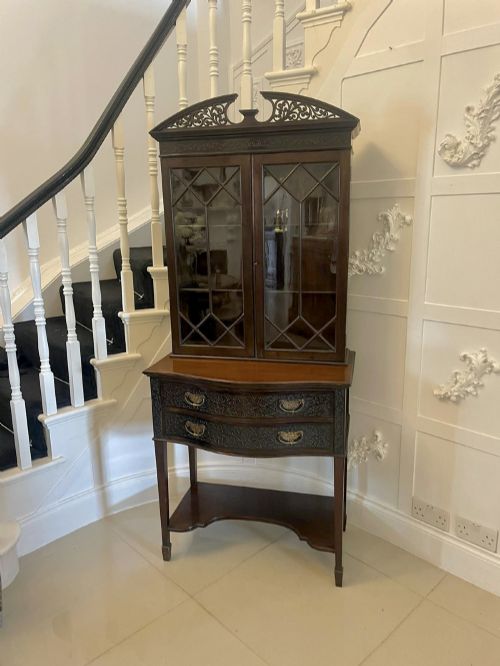
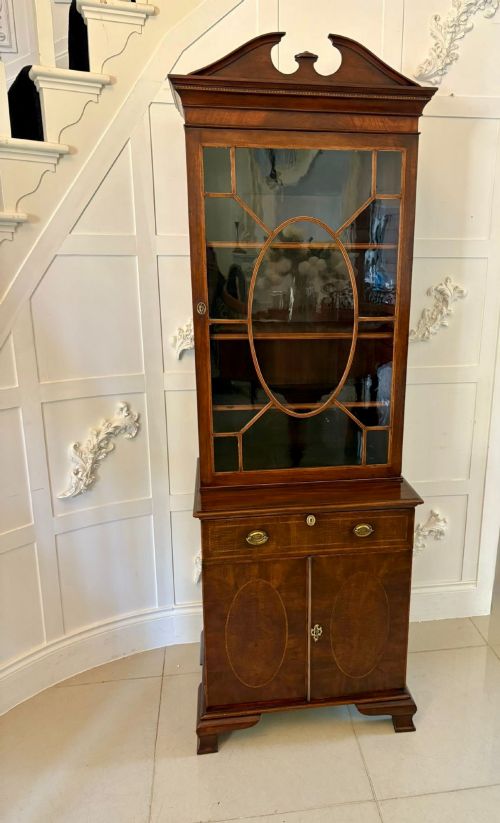
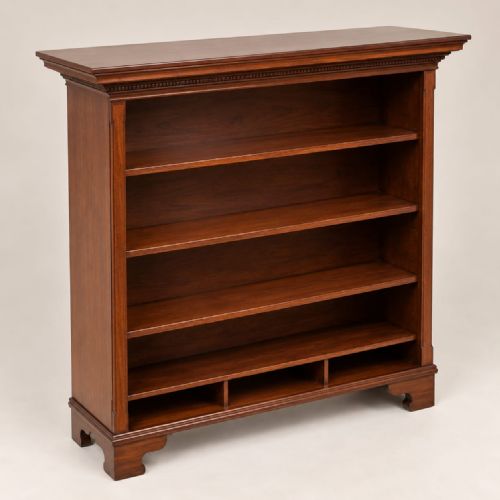
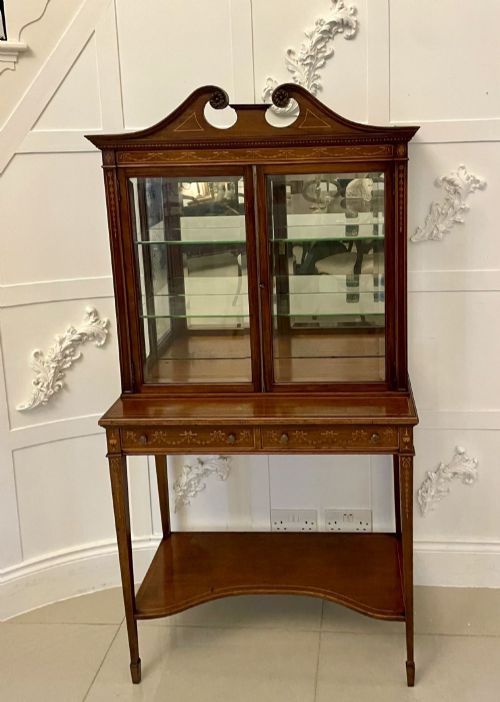
A victorian style bookcase encompasses sturdy open shelving units, glazed display cabinets, and secretaire variants designed to house libraries and showcase collections. These pieces emerge from the nineteenth century in various scales, from wall-hanging shelves to large breakfront configurations.
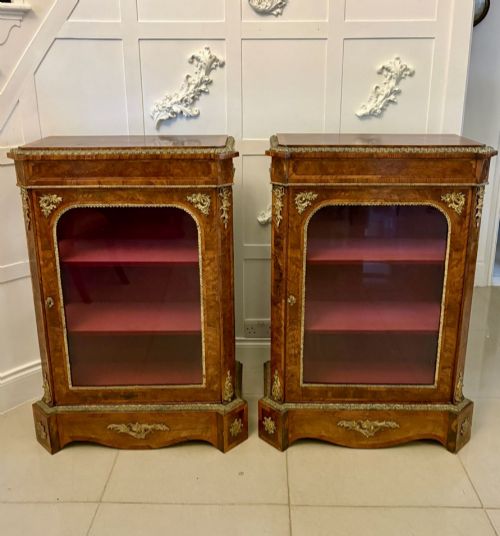
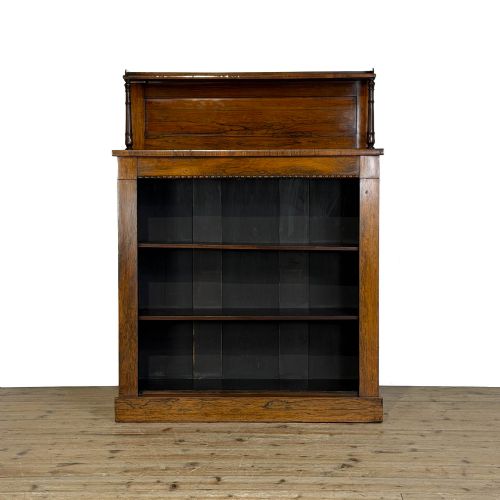
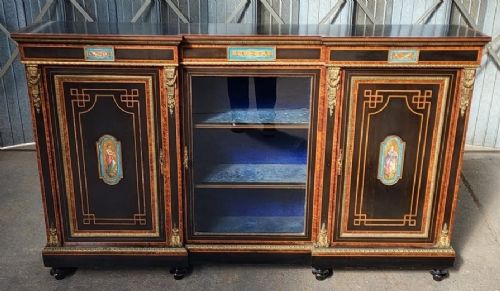
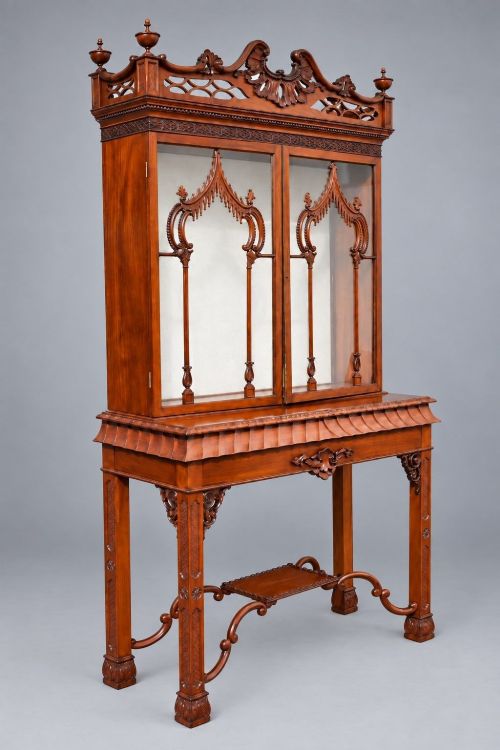
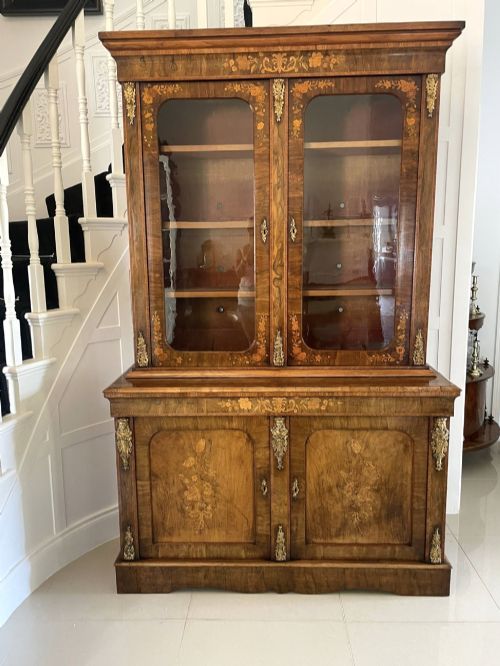
The selections available range from plain oak and mahogany open shelves to elaborate burr walnut cabinets outfitted with ormolu mounts and marquetry inlay. Pieces frequently reflect revivalist influences such as Gothic, Regency, and Chippendale styles, alongside Aesthetic Movement and Japonisme expressions.
Buyers encounter standing bookcases with adjustable shelves, pier cabinets designed for specific architectural spaces, and multi-part breakfront libraries. These forms bridge utilitarian book storage with ornamental display functions suitable for period interiors.
How they were made
Cabinetmakers utilised dense hardwoods such as mahogany, walnut, burr walnut, rosewood, and oak as the foundational structures for these bookcases. Pine served frequently for secondary framing and internal shelving components within larger fitted cabinetry.
Decorative surfaces gained refinement through brass hardware, ormolu mounts, intricate marquetry inlay, and astragal glazing bars dividing the glass panel doors. Ebonised finishes and bamboo framework also appear alongside carved detailing characteristic of specific revival styles.
Revolving bookcases let busy readers spin their entire library with a gentle nudge, solving the eternal debate over shelf placement.
What varies in quality
The calibre of a piece rests upon the selection of timber veneers, such as figured burr walnut or dense mahogany, and the precision of the marquetry and inlay work. Secondary woods and internal construction methods reveal the underlying standard of the workshop.
Integration of decorative elements like cast ormolu mounts, hand-carved mouldings, and finely glazed astragal doors distinguishes standard utility furniture from exceptional cabinet work produced during the period.
Gabriel Viardot·Gillows·George Edmund Street·Leonard Wyburd for Liberty and Co
The Victorian Style Bookcase Glossary
- Astragal glazed
- A method of framing glass doors with narrow moulded wooden strips that divide the panes into geometric patterns. This technique provides structural support while offering an unhindered view of the books within.
- Breakfront
- A cabinet design where the central section projects forward from the flanking wings. This configuration creates visual depth and architectural rhythm across large library bookcases.
- Secretaire
- A cabinet incorporating a pull-down writing flap that conceals a fitted interior of small drawers and pigeonholes. It combines a writing desk with conventional bookcase storage.
- Ormolu
- Gilt bronze mounts applied as decorative ornaments to the corners and panels of high-status furniture. The technique adds metallic contrast to dark woods like mahogany and rosewood.
- Marquetry
- The art of applying decorative veneer pieces in wood, metal, or shell to form intricate pictorial or geometric designs. It is commonly found on the friezes and door panels of superior Victorian cabinets.
Victorian Style Bookcase: Frequently Asked Questions
How do I adjust the shelves?
Most period bookcases utilise traditional wooden rack-and-pinion systems or brass studs set into vertical slots inside the cabinet walls. These mechanisms allow individual shelves to be repositioned easily.
Care should be taken when sliding heavy mahogany or oak boards along older supports to avoid damaging the internal linings.
Are the glass doors original?
Original glass panes in nineteenth-century cabinets frequently display minor surface imperfections, small bubbles, and slight waviness resulting from historical manufacturing methods. Examining the putty or wooden glazing beads can also reveal whether the glass has been replaced.
Matching the thickness and clarity of existing panes helps maintain the historical integrity of glazed bookcases and display cabinets.
How do I protect the wood finish?
Maintaining these surfaces involves applying microcrystalline wax periodically to nourish the timber and protect the polish from moisture and dryness. Avoiding direct sunlight prevents the rich tones of rosewood and walnut from fading over time.
Routine dusting with a soft, dry cloth preserves the lustre of mahogany and oak without chemical buildup.