


Victorian Style Bed
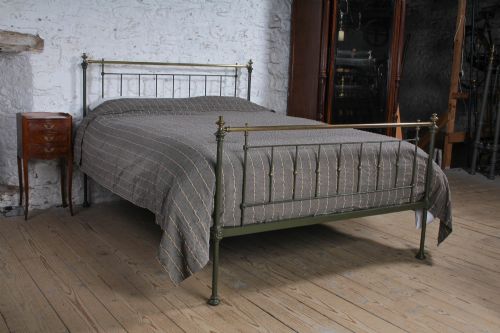
A victorian style bed brings solid nineteenth-century presence to a bedroom through substantial timber and metal framing.
Victorian Style Bed
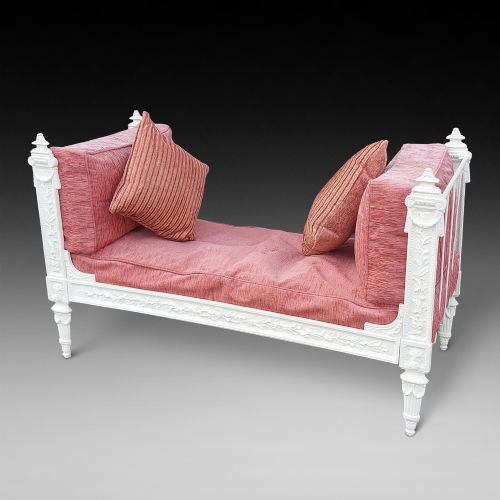
When you search for a victorian style bed, you encounter full-size frames, daybeds, and four posters originating across the nineteenth and early twentieth centuries. The selection ranges from robust iron and brass combinations to carved walnut and oak bedsteads.
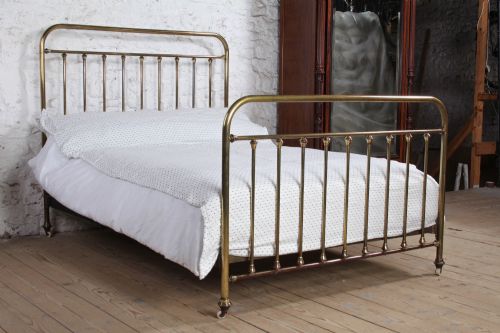
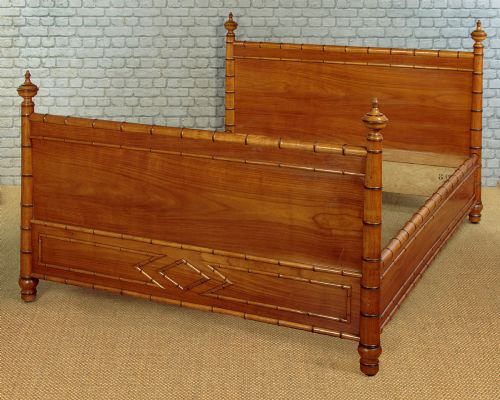
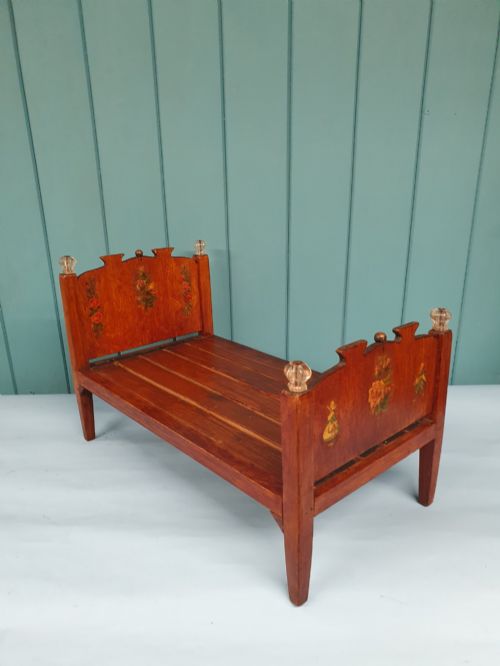
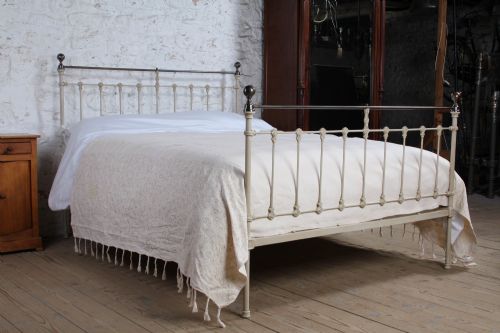
You are most likely to meet iron and brass double or king size bedsteads, alongside occasional daybeds and smaller scaled frames. These pieces reflect period tastes from traditional styles through to faux bamboo and aesthetic movement designs.
How they were made
Maker construction relies on heavy cast and wrought iron combined with polished brass details, alongside solid cabinet timbers such as mahogany, walnut, and oak. Metal frames frequently utilise tubular iron and brass casting techniques to achieve structural rigidity and decorative shaping.
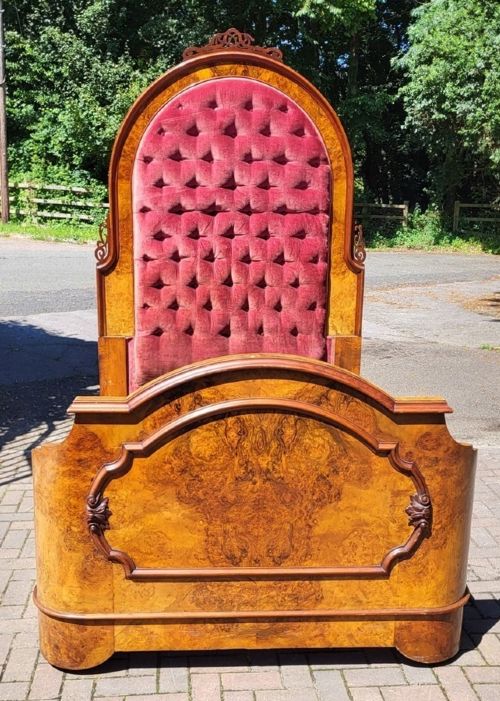
Timber bedsteads incorporate hand-carving, burr walnut veneers, and painted finishes on satinswood. Frame assembly typically employs heavy iron siderails and robust joints designed to support large mattress sizes.
Listings feature iron, brass, mahogany, walnut, and oak across periods spanning the nineteenth century up to nineteen-ten.
What varies in quality
Quality rests in the weight of the metal castings, the depth of the timber carving, and the integrity of the original joints. Superior examples display crisp brass mounts, substantial iron gauges, and carefully figured wood veneers rather than plain secondary timber.
The refinement of the decorative detailing separates standard commercial production from finer workshop pieces. Better frames maintain original proportions and retain authentic patination across both metal and wood surfaces.
Howard and Sons·Gillows of Lancaster·Maple and Co·Harrods
The Victorian Style Bed Glossary
- Bedstead
- The framework of a bed, including the headboard, footboard, and rails, excluding the mattress and bedding. This forms the primary visual structure of antique sleeping furniture.
- Daybed
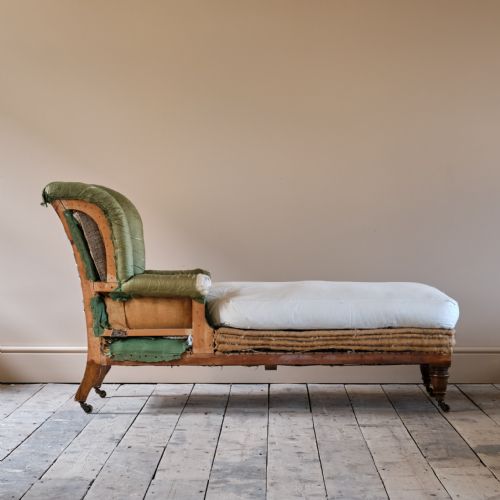
- A couch that can be used for lounging or as a single bed, typically featuring a backrest and one or two raised ends. These pieces appeared frequently in nineteenth-century drawing rooms and chambers.
- Four poster
- A bed with four vertical columns supporting an upper canopy or tester frame. These grand frames often utilise solid oak or mahogany construction.
- Faux bamboo
- Furniture carved or turned to imitate natural bamboo stalks, popular during the late nineteenth century. Makers applied this decorative treatment to wooden bed frames and bedroom suites.
- Cast iron
- Iron poured into a mould to create rigid structural and decorative components. This material allowed nineteenth-century foundries to produce intricate scrolling headboards.
Victorian Style Bed: Frequently Asked Questions
Will a standard modern mattress fit an antique bed frame?
Many nineteenth-century bed frames were built to dimensions that differ slightly from modern standard sizing. It is essential to check the internal rail lengths and widths carefully before purchasing.
Some frames accommodate contemporary mattresses comfortably, while others require custom-made bases or slight adjustments to the side rails for a proper fit.
How do I assemble an antique iron and brass bed?
These beds typically use a wedge-and-socket corner locking system where the side rails slot directly into the headboard and footboard brackets. Tapping the joints gently with a rubber mallet secures the frame firmly.
Ensure the structure sits squarely on a level floor before placing any slats or mattress support across the rails.
How do I care for polished brass on an old bedstead?
Original brass components benefit from gentle dusting with a soft, dry cloth to prevent dust accumulation. Avoid abrasive metal cleaners that strip away the aged patina built up over decades.
Applying a light microcrystalline wax protects the metal surface from atmospheric oxidation without altering its historic appearance.