


Brass Spindle Bedstead
These brass spindle bedstead examples combine metal framing with traditional metalwork details, offering solid construction and period character for a bedroom.
Brass Spindle Bedstead
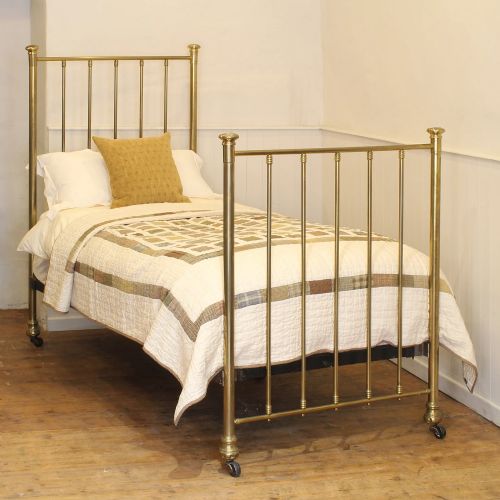
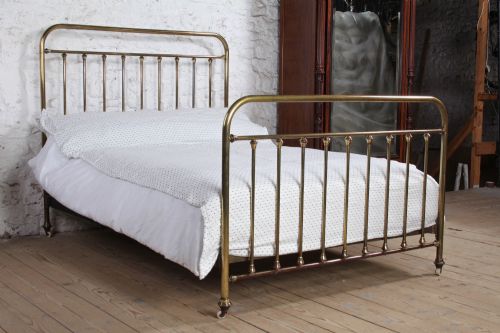
A brass spindle bedstead forms a substantial sleeping frame combining metal tubing, structural iron, and decorative vertical metal rods. Pieces on this page span the nineteenth century, the Victorian era, and the Edwardian period, up to around nineteen ten.
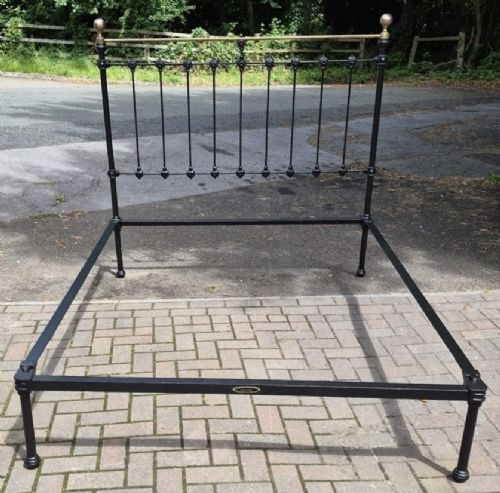
Sizes range from standard double configurations to king size and large formats measuring up to seven feet. Surviving examples include all-brass constructions alongside mixed-metal frames that pair iron components with polished brass detailing and marquetry inlay.
French provincial and classic straight rail styles appear frequently across the inventory. Certain variants incorporate low footboards or no end designs alongside traditional decorative finials.
How they were made
Construction relies heavily on durable cast and wrought iron for structural stability and weight-bearing frames. Brass tubing and sheet metal form the visible surfaces, corner mounts, and decorative spindles.
Makers integrated turned brass components and detailed finials into iron mainframes using mechanical joints and traditional foundry methods. Selected Edwardian examples incorporate timber elements such as mahogany with marquetry inlay into the headboard design.
Listings span from the nineteenth century through the Victorian and Edwardian periods up to nineteen ten, incorporating iron, brass, and mahogany.
What varies in quality
The degree of hand-finishing on brass components and the complexity of the spindle work determine visual sophistication. Heavier gauge metalwork and substantial cast iron framing provide superior structural integrity compared to lighter alternatives.
The preservation of original surface patination and the integration of decorative details such as aged brass mounts or inlaid timber panels distinguish standard production models from finer examples.
The Brass Spindle Bedstead Glossary
- Brass spindle bedstead
- A sleeping frame utilising copper and zinc alloy vertical rods within the headboard or footboard construction. These frames mix structural metal strength with decorative metalwork.
- Finial
- A decorative terminal ornament mounted to the top of bed posts or corner pillars. They add height and visual punctuation to the corners of the frame.
- Marquetry inlay
- Pieces of contrasting wood veneer fitted into the surface of a panel to form decorative patterns. This technique appears on specific Edwardian combinations.
- Straight rail
- A minimalist framing style featuring horizontal metal bars rather than curved or heavily ornamented arches. This design creates a clean, architectural appearance.
- No end bed
- A bedstead configuration missing a high footboard, often referred to as a low foot or low end design. This layout suits smaller rooms and offers open sightlines.
Brass Spindle Bedstead: Frequently Asked Questions
How do I clean brass spindles?
Dust regularly with a soft dry cloth to prevent the accumulation of grime on the metal surfaces.
Avoid harsh chemical polishes that strip historical patination, opting instead for gentle cleaning appropriate for aged brass.
Will modern mattresses fit antique beds?
Many nineteenth and early twentieth century frames were built to historical dimensions rather than standard modern sizes. Measuring the interior width and length accurately ensures a correct fit for contemporary mattress bases.
Custom mattress makers can supply bespoke sizes if the frame dimensions deviate from standard retail parameters.
Are these beds easy to assemble?
Most period metal bedframes utilise wedge-lock side rails that slot directly into the headboard and footboard corner castings. This modular construction allows for straightforward dismantling and reassembly without complex tools.
Ensuring the frame sits square on a level floor during assembly prevents twisting and maintains structural stability.
How do I identify a Victorian bed?
Victorian examples typically feature robust iron and brass construction, often incorporating heavy corner mounts and cast brass ornamentation. Stylistic cues include substantial proportions and traditional spindle arrangements.
Comparing construction joints and metal casting quality helps distinguish mid-nineteenth century pieces from later Edwardian reproductions.