
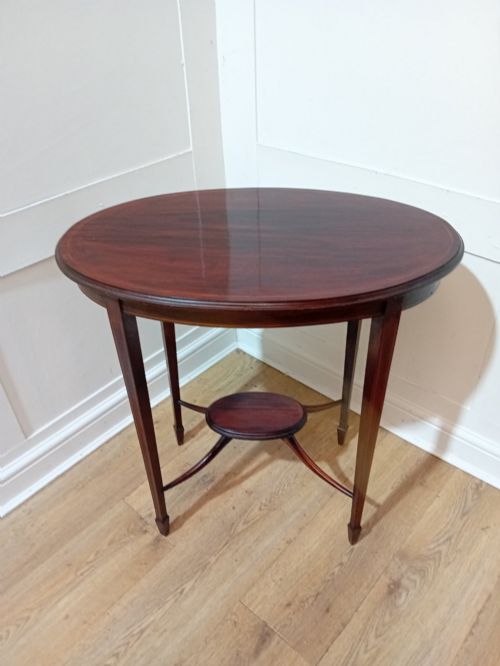
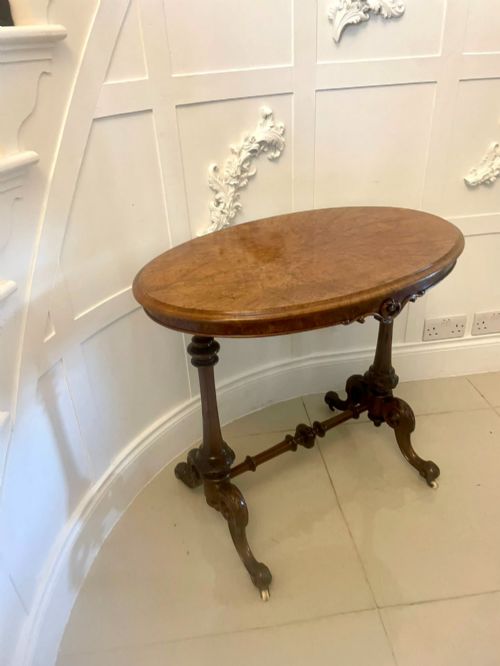
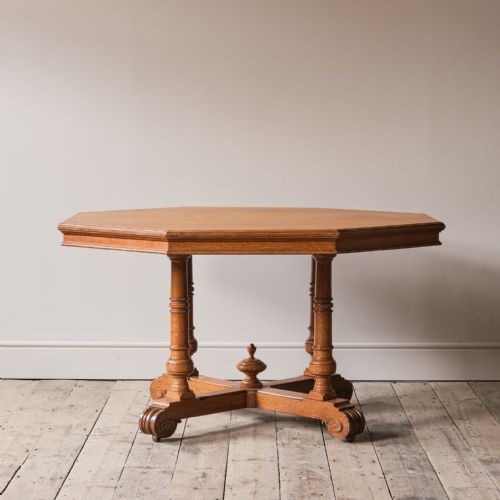
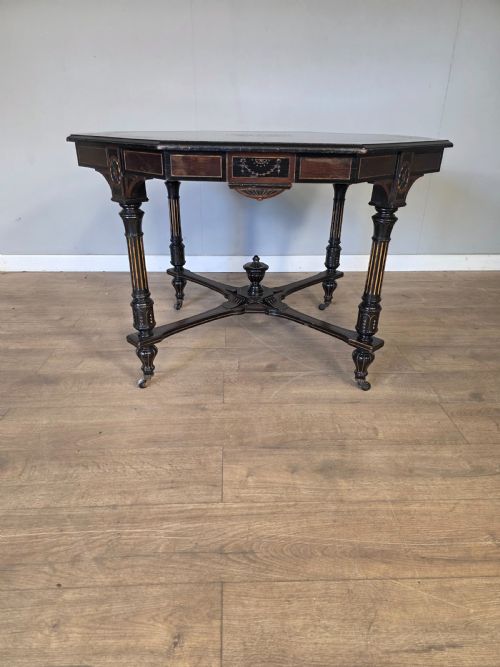
Victorian Stretcher Table
When you search for a victorian stretcher table, you enter a world of structural joinery designed to balance elegance and rigid floor support.
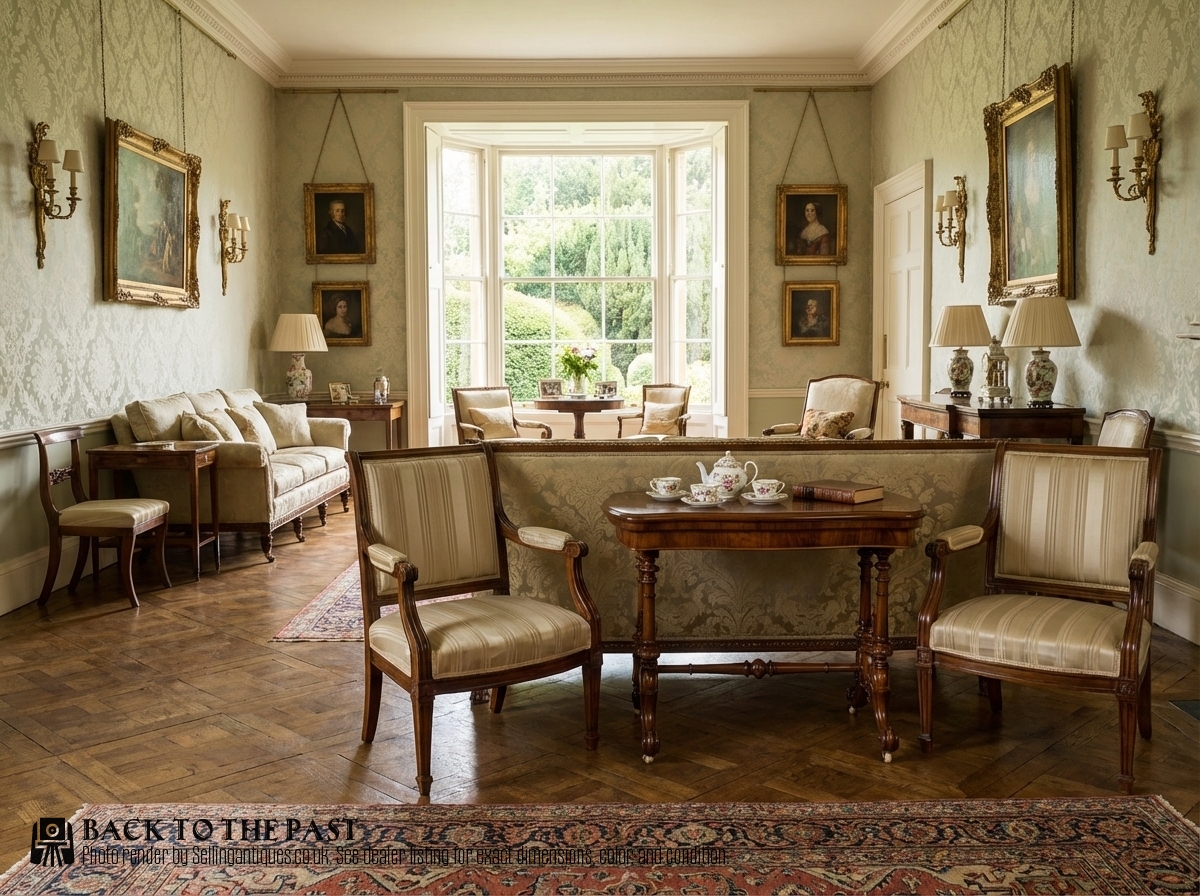
Victorian Stretcher Table
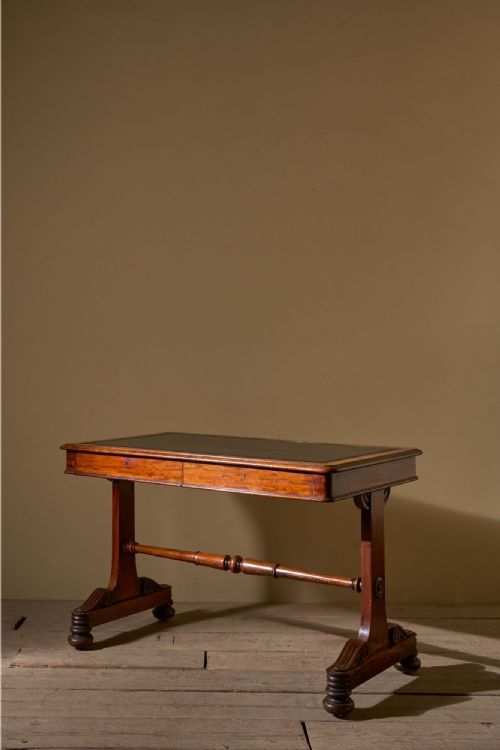
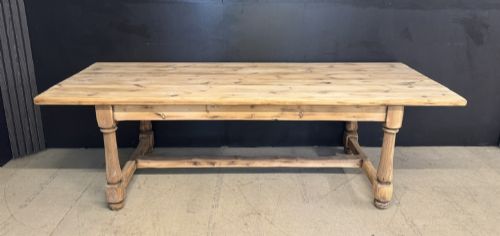
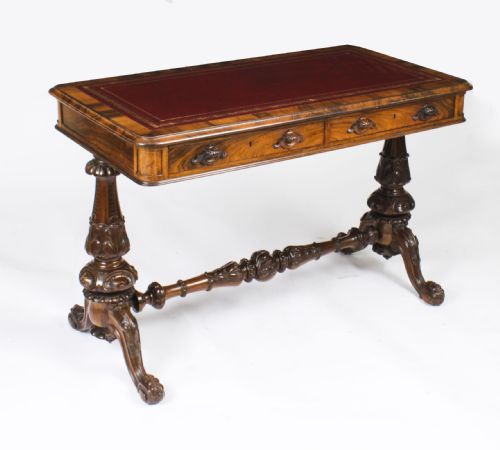
A victorian stretcher table relies on horizontal rails connecting the lower legs to eliminate sway and provide robust architectural stability. These pieces emerge primarily from the nineteenth century, spanning decades from the eighteen fifties through the eighteen nineties in forms ranging from side tables to writing desks.
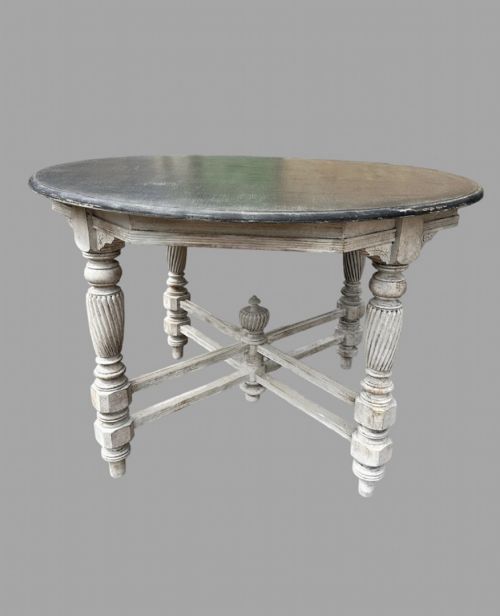
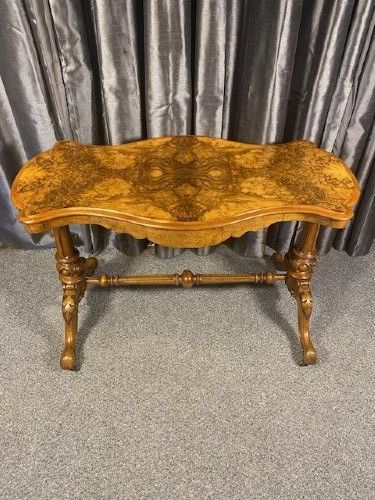
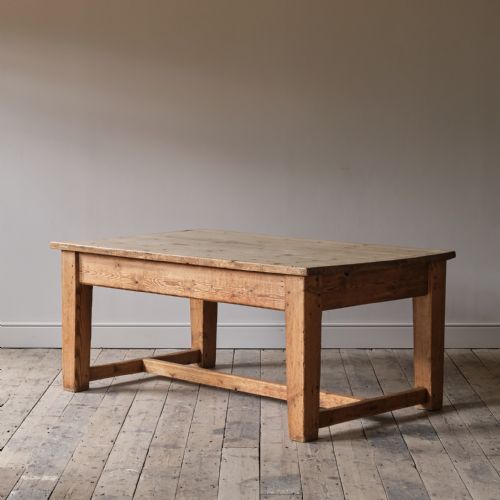
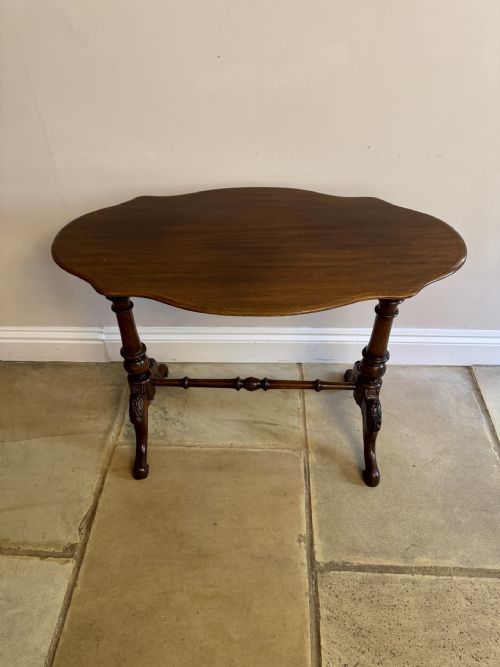
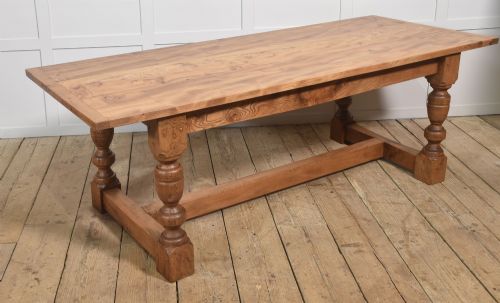
You will frequently encounter burr walnut and mahogany variants alongside oak and rosewood examples, reflecting the widespread domestic tastes of the Victorian era. The stretcher base itself takes various configurations, including barley twist supports, H-stretchers, and decorative turned wooden bracing.
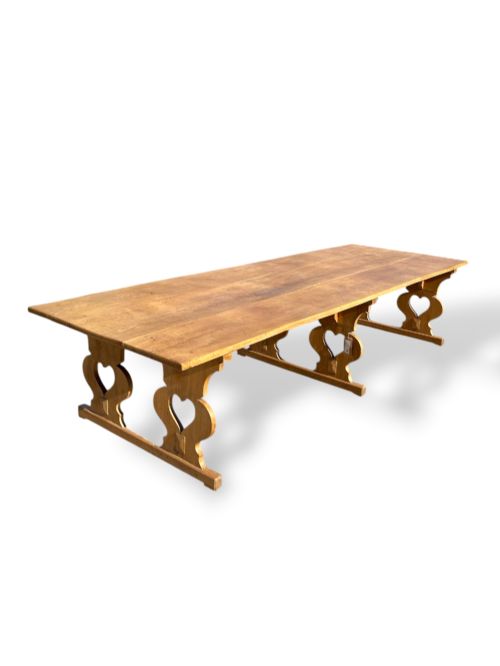
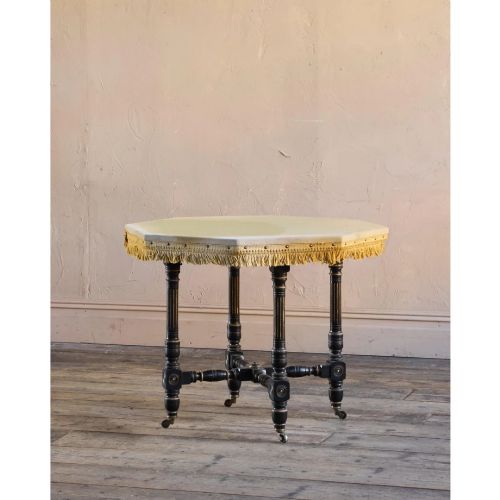
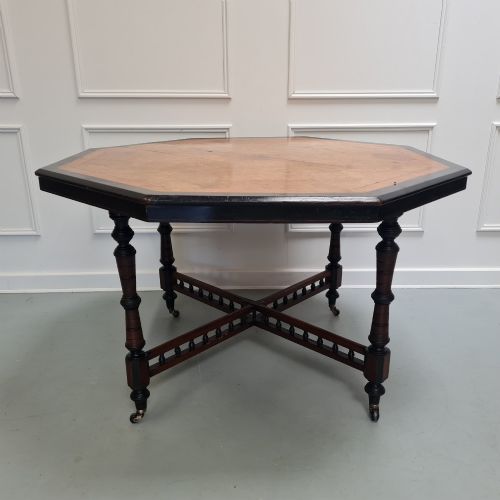
The catalogue ranges from small occasional and lamp tables to larger library and centre tables designed to sit freestanding in a room. These designs incorporate specific regional timbers and stylistic revivals such as Sheraton, Gothic, and Aesthetic Movement influences.

How they were made
Cabinet makers utilised dense hardwoods like mahogany, walnut, and oak for structural integrity, often applying highly figured burr walnut veneers to the visible top surfaces. The lower stretchers required sturdy jointing techniques, such as tenons pinned into the leg posts, to withstand daily physical strain without loosening.
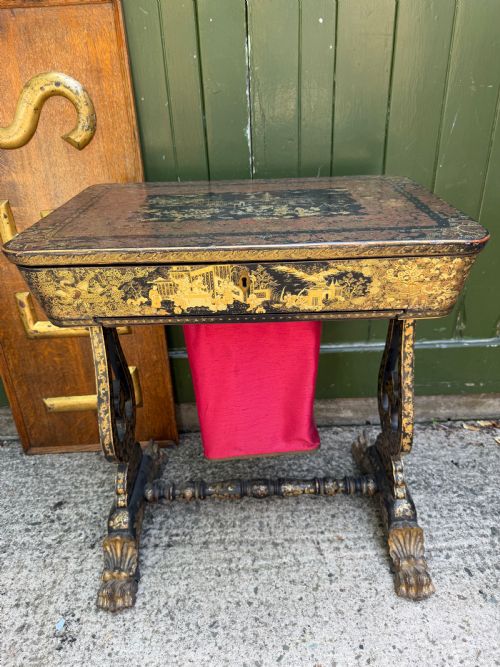
Decorative embellishments included boxwood stringing, brass hardware, hand-carved floral motifs, and ebonised finishes to mimic more costly exotic materials. Surface preparation involved traditional French polishing or wax application to highlight the natural grain patterns of the timber.
Victorian Stretcher Table Retail Price Guide 2026
Typical asking prices for victorian stretcher table among the pieces listed under this phrase on Sellingantiques today, from the lower quarter to the upper quarter. They describe what is for sale here now, not the wider market.
One recorded yew wood table bears a plaque confirming it was carved directly from the ancient tree of Welsh Montgomery in eighteen sixty-two.
What varies in quality
The tier of a victorian stretcher table depends heavily on the selection of primary timbers and the symmetry of figured burr veneers across the top. Superior examples exhibit seamless timber matching and crisp, hand-carved details on the stretcher turnings rather than simplified cast ornaments.
Structural joinery dictates longevity, with top-tier workshops employing tight mortise and tenon connections that keep the base rigid over generations of use. Secondary elements, such as dovetailed drawer construction and solid brass fittings, further separate standard utilitarian production from high cabinet work.

Johnstone and Jeanes·A Hindley and Sons·Edwards and Roberts·W J Mansell·Coalbrookdale
The Victorian Stretcher Table Glossary
- Stretcher
- A horizontal support beam connecting the legs of a table to improve rigidity and prevent lateral movement.
- Burr Walnut
- A specialised wood veneer harvested from tree growths, prized for its swirling, highly figured grain patterns.
- Barley Twist
- A turning technique resembling the spiralling shape of a barley sugar stick, popular for table legs and stretchers.
- Centre Table
- A freestanding piece designed to be viewed from all sides, frequently placed in the middle of a Victorian parlour.
- H-Stretcher
- A bracing configuration shaped like the letter H, joining all four legs near the floor for maximum stability.
Victorian Stretcher Table: Frequently Asked Questions
How do I date a Victorian table?
Dating relies on examining the construction methods, timber choices, and stylistic cues present in the legs, top, and hardware.
Earlier pieces from the eighteen fifties often feature solid mahogany or rosewood, while later decades frequently showcase elaborate burr walnut veneers and varied revival styles.
Where should I place a centre table?
Centre tables are designed to sit freestanding in open spaces rather than pushed directly against a wall.
They function effectively in hallways, libraries, or living rooms as display surfaces for lamps, books, and decorative objects.
What woods were commonly used?
Walnut, mahogany, and oak form the backbone of Victorian furniture production, supplemented by exotic timbers like rosewood and yew.
Craftsmen frequently applied burr walnut veneers to table tops to create rich, highly patterned visual surfaces.