





Victorian Still Life Canvas
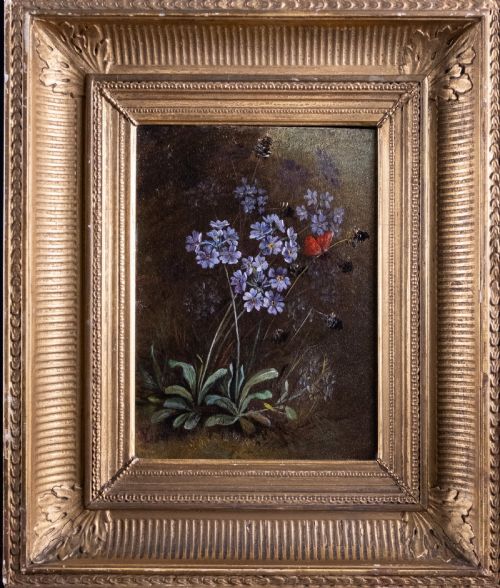
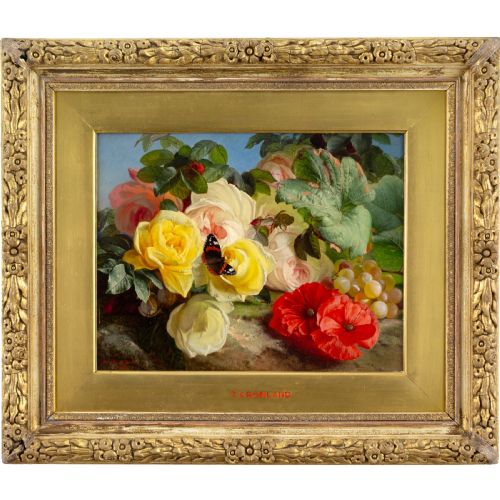
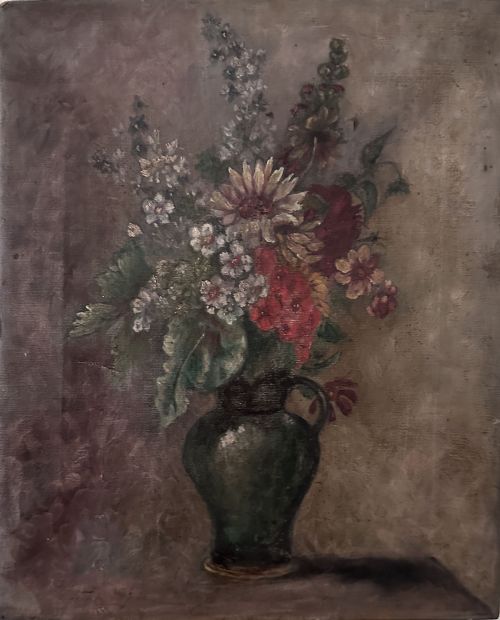
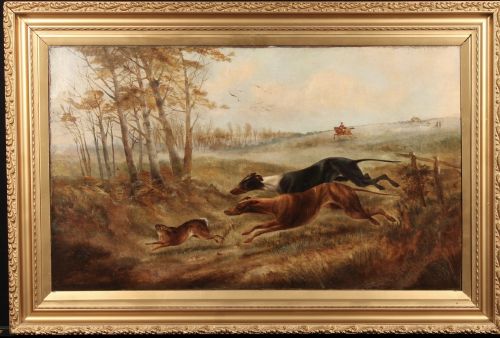
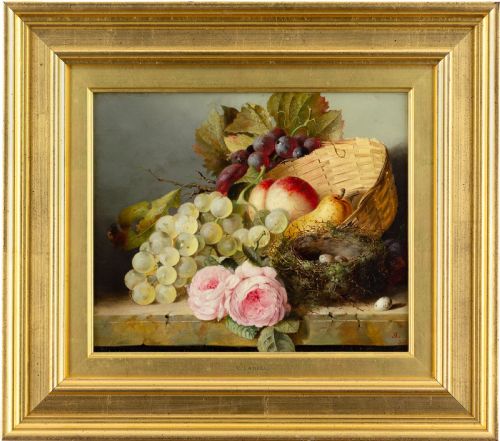
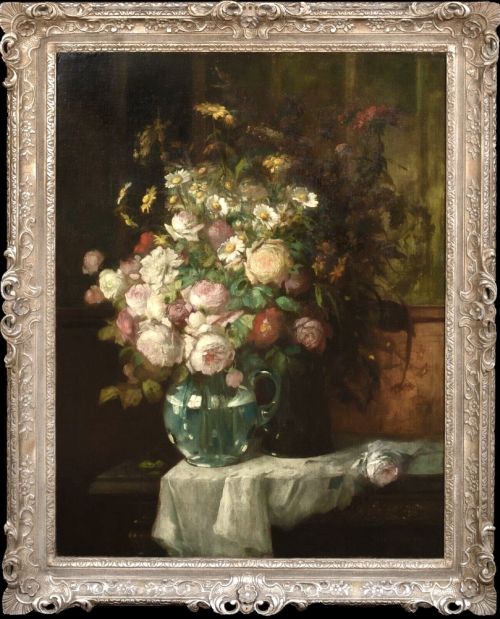
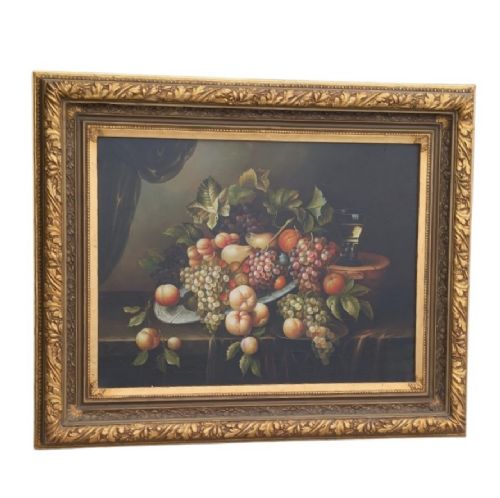
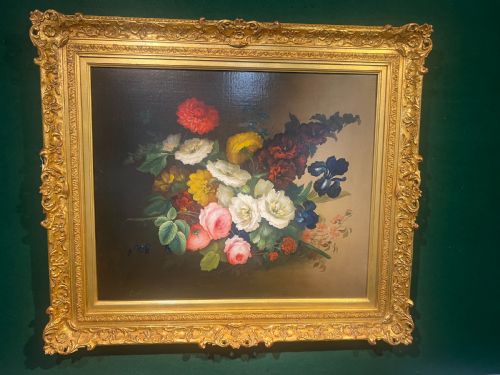
A victorian still life canvas captures the domestic and natural world in rich oil paint, bringing depth and historical character to a room.
Victorian Still Life Canvas
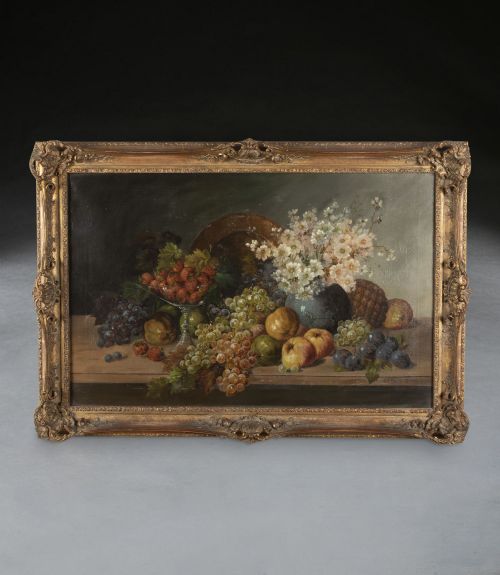
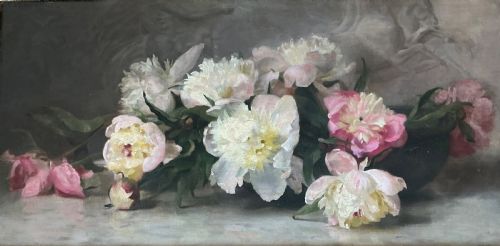
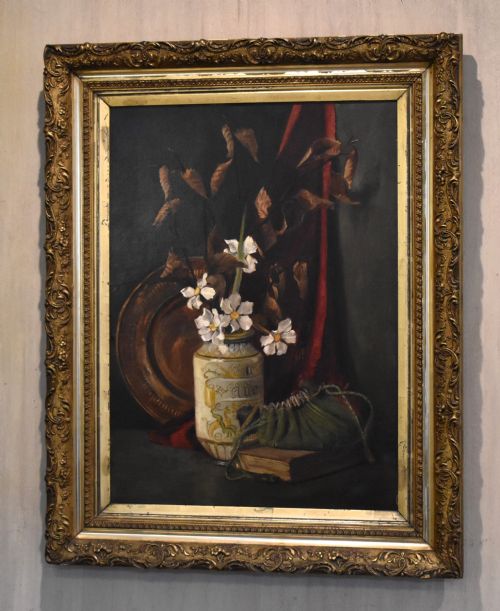
A victorian still life canvas presents detailed oil paintings of fruit, flowers, game, and everyday objects arranged on surfaces. These works emerge from the nineteenth century, capturing the period's fascination with realism and natural history through careful observation of texture and light.
Buyers frequently encounter pieces depicting bountiful baskets of grapes and peaches, vibrant arrangements of roses and chrysanthemums, or larder scenes with game and pottery. The examples gathered here span traditional compositions and regional European styles from the Victorian era into the early twentieth century.
The format ranges from intimate studies to large decorative works, often housed in their original gilded or gesso frames. These paintings reflect both professional academic output and accomplished domestic studies from art schools of the period.
How They Were Made
These works are executed in oil paint upon woven canvas stretched over wooden frames, occasionally mounted as painted panels. The medium allowed artists to build rich layers of pigment, creating the luminous quality seen in ripe fruit and delicate flower petals.
Frames play an integral role in the construction of these pieces, utilising carved wood, gesso, and gold leaf or giltwood. The application of gesso provided a stable base for intricate decorative mouldings that complemented the richness of the oil paintings within.
Victorian Still Life Canvas Retail Price Guide 2026
Typical asking prices for victorian still life canvas among the pieces listed under this phrase on Sellingantiques today, from the lower quarter to the upper quarter. They describe what is for sale here now, not the wider market.
Cats and monkeys occasionally interrupt the fruit bowls and flower vases, peering out from nineteenth-century canvases to inspect the viewer.
What Varies In Quality
The handling of light and texture defines the distinction between a standard study and a masterwork on a victorian still life canvas. Superior pieces reveal a precise rendering of reflected light on glass, the velvety skin of a peach, or the intricate plumage of a bird.
Compositional balance and the complexity of the arrangement separate works by accomplished academic painters from simpler decorative exercises. Furthermore, the survival of the original gesso and giltwood frame significantly influences the integrity and visual impact of the piece.
George Armfield·Theude Grönland·Konstantin Stoitzner·Edward Ladell·William Henry Ward·Edwin Steele·Gertrude Hayes·George Lance·William Duffield·Thomas Hooper·L. Wilford·Elizabeth T. Sutcliffe·James Stuart Park·Emily Selinger·Horatio Henry Couldery·John Robertson Reid·E. Cremer·Oliver Clare·Katherine Bourne·W.Vincent
The Victorian Still Life Canvas Glossary
- Oil on Canvas
- A painting medium where pigments are bound with drying oils and applied to a woven fabric support. This technique allows for subtle blending and rich colour saturation.
- Gesso
- A plaster-like mixture applied to wood frames to create a smooth surface for gilding. It is often moulded into decorative relief patterns.
- Giltwood
- Wood that has been covered with a thin layer of gold leaf or metallic powder. It provides a bright, reflective border to traditional oil paintings.
- Larder View
- A specific subgenre of still life painting depicting food stores, game, and kitchen utensils. These scenes emphasise domestic abundance and provisioning.
- Realism
- An artistic movement focused on depicting subjects truthfully without artificiality. In these paintings, it appears in the accurate representation of botanical and zoological specimens.
Victorian Still Life Canvas: Frequently Asked Questions
What subjects appear on these canvases?
The compositions typically feature arrangements of fruit such as grapes, peaches, and apples, alongside floral displays of roses and chrysanthemums. Other frequent subjects include larder scenes with game, porcelain jars, and occasional domestic animals.
These motifs reflect nineteenth-century tastes for domestic comfort, natural philosophy, and decorative interior display. Artists drew inspiration from both Dutch Golden Age traditions and contemporary academic realism.
How do I hang a heavy framed canvas?
Large oil paintings require secure picture hooks rated for the combined weight of the canvas and its substantial giltwood or gesso frame. Wall anchors suited to your specific wall construction ensure the piece hangs safely.
Position the painting away from direct sunlight and heat sources to protect both the oil pigments and the delicate gilt frame from environmental stress.
How do I identify the period of the painting?
Dating relies on examining the stretcher frames, canvas type, pigment composition, and the stylistic conventions of the brushwork. Signatures, dates inscribed on the reverse, and historical framing techniques provide further chronological clues.
Victorian and Edwardian works often exhibit specific approaches to colour harmony and subject matter that distinguish them from earlier or later periods.