
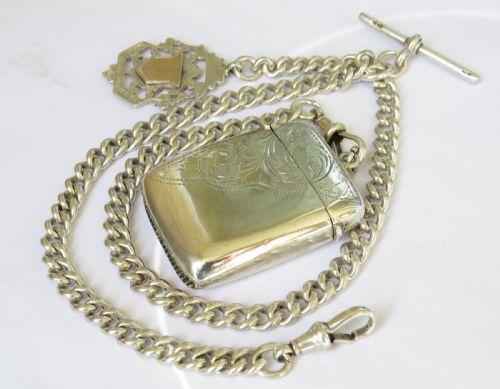

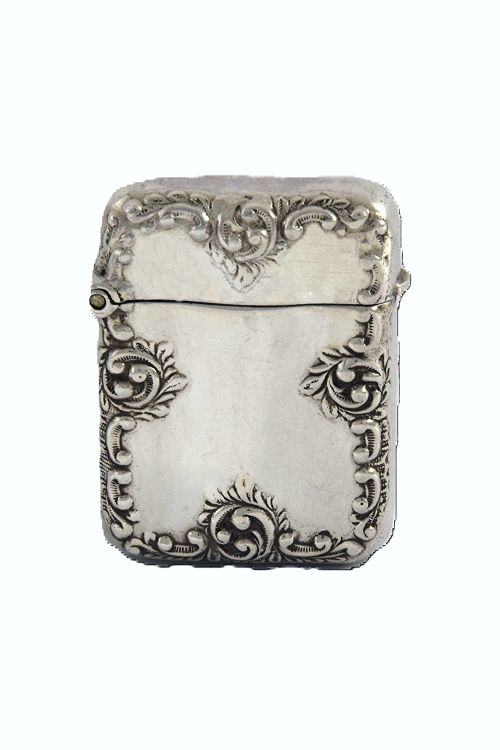

Victorian Sterling Silver Vesta
A victorian sterling silver vesta represents a pocket-sized matchsafe from the nineteenth century that collectors prize for its miniature metalwork and tactile utility.
Victorian Sterling Silver Vesta
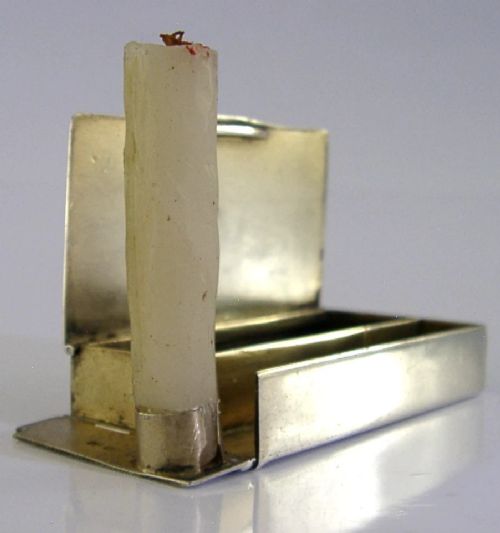
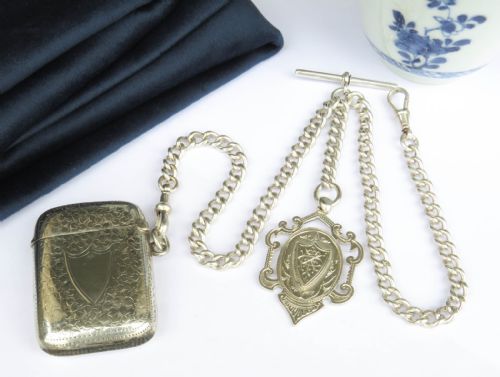
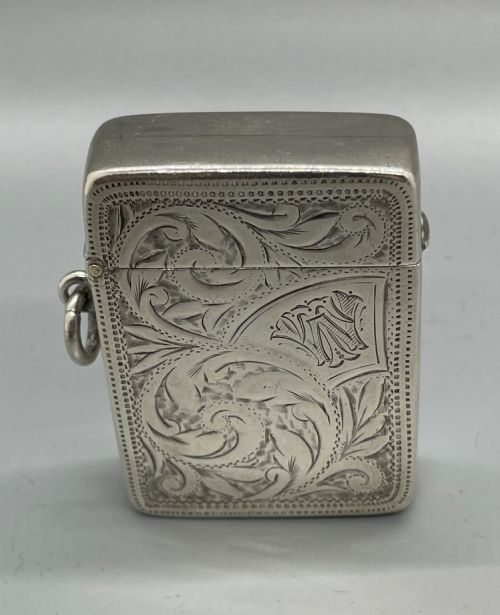
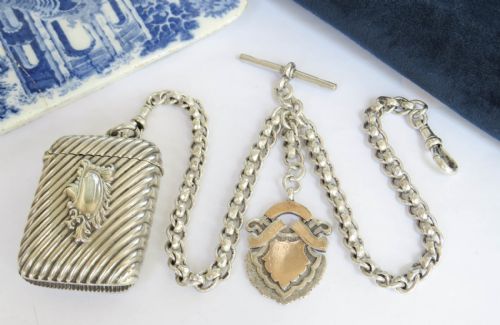
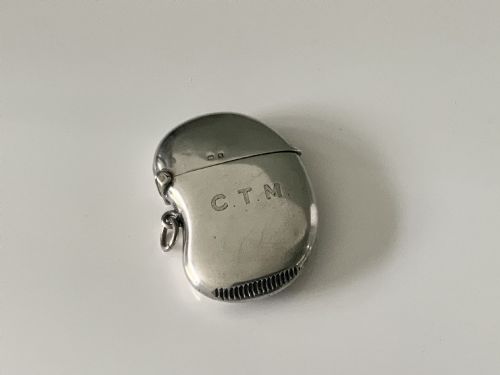
A victorian sterling silver vesta is a small hinged container designed to hold safety matches securely in a waistcoat pocket or attached to a watch chain. These pieces originate predominantly from the Victorian and Edwardian periods, appearing in standard rectangular forms alongside novelty shapes.
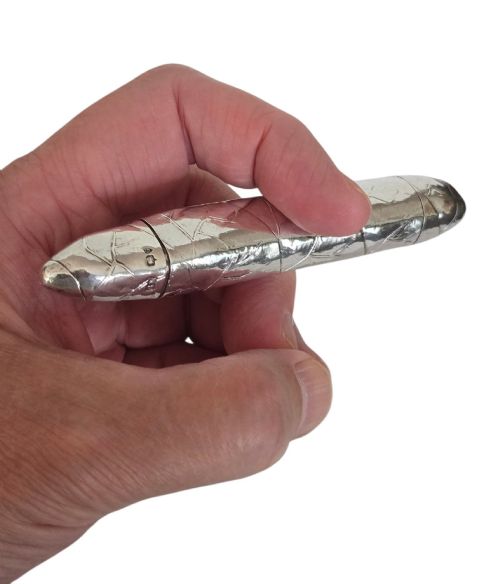
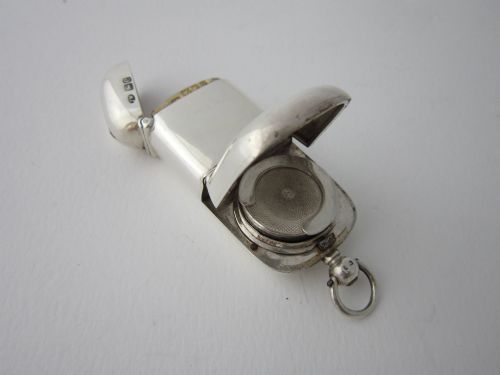
The selections span simple engine-turned or engraved cases to elaborate novelty designs modelled as animals, boots, or sentry boxes. Many examples also integrate functional combinations such as sovereign cases, stamps holders, whistles, or cheroot holders.
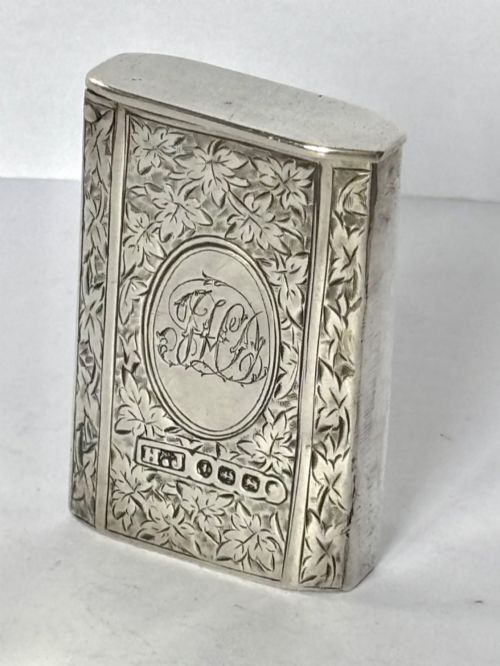
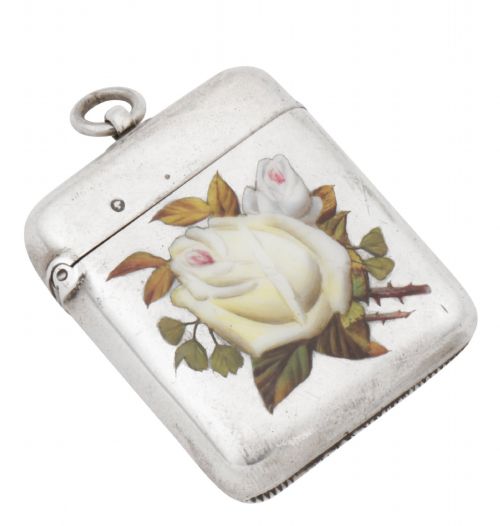
Makers utilised sterling silver stamped with hallmarks indicating assay offices in Birmingham, Chester, and London, alongside dates spanning the late nineteenth century. Standard specimens double as match safes while specialised forms incorporate enamel portraits, golfers, or domestic animals.
Materials and Construction Techniques
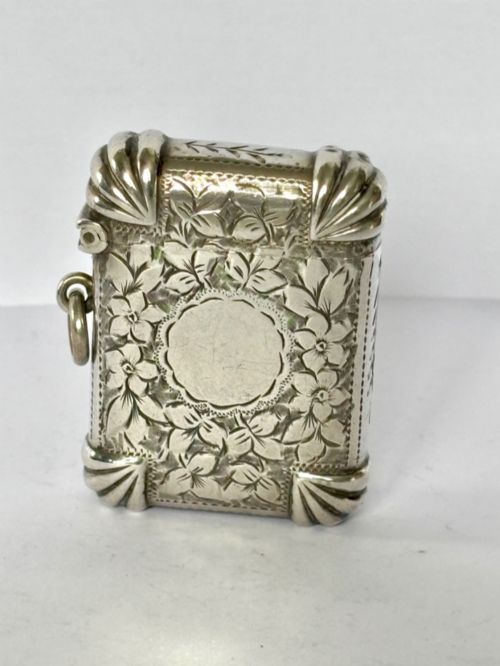
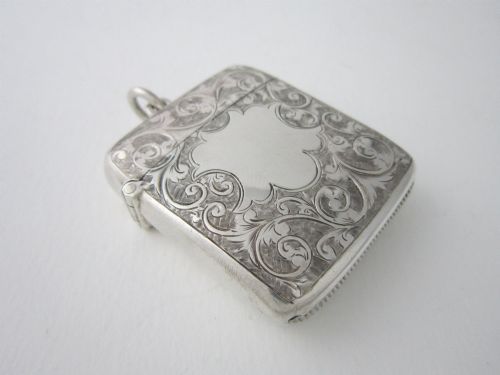
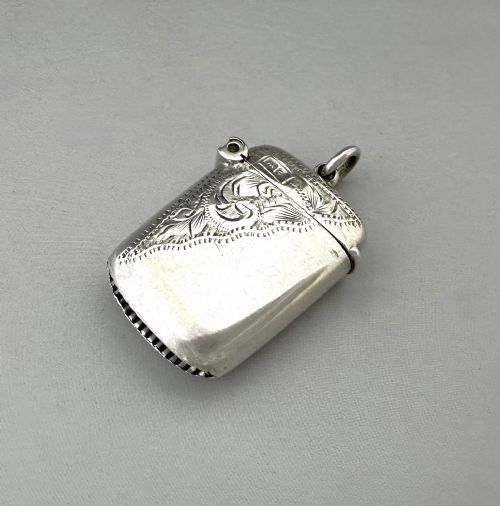
Silversmiths constructed these matchsafes from sterling silver sheet, shaping the body through pressing, folding, or repoussé work, and fitting a spring-loaded lid to keep matches dry. Surfaces frequently feature applied hand-engraving, engine-turned patterns, or painted enamel panels depicting roses, dogs, and jockeys.
Certain specialised variations incorporate secondary materials like rose gold accents, fabric linings, or internal gold washes to prevent corrosion from sulphur matches. Novelty items required cast components soldered into precise animal or figural forms, such as boars, elephants, and padlocks.
Listings feature Victorian, Edwardian, and 19th-century periods alongside sterling silver, enamel, and rose gold materials.
Assessing Craftsmanship and Detail
Quality rests upon the crispness of the chasing, the precision of the spring hinge, and the preservation of any polychrome enamel work. Plain engraved items rely entirely on the depth and symmetry of hand-cut line work.
Sampson Mordan & Co·EV Pledge & Son·William Neale·Minshull & Latimer·William Hair Haseler·Howard James Birmingham
The Victorian Sterling Silver Vesta Glossary
- Hallmark
- An official stamp indicating the metal purity, assay office, and year of manufacture. British sterling silver standard relies on the lion passant.
- Repoussé
- A metalworking technique where the artisan hammers the design from the reverse side to form a raised relief on the exterior. This creates textured patterns like scrolls and figures.
- Sovereign case
- A circular pocket container made to hold gold sovereign coins. Many examples combine this function with a vesta compartment.
- Assay office
- A statutory body responsible for testing the purity of precious metals and stamping items with official hallmarks. Birmingham, Chester, and London represent common offices found on these pieces.
Victorian Sterling Silver Vesta: Frequently Asked Questions
What is a vesta used for?
A vesta served as a portable matchsafe for nineteenth-century gentlemen and ladies who smoked or needed a light while travelling. The integrated striking teeth on the bottom allowed the user to ignite matches securely in outdoor conditions.
Today, collectors use them to store small personal items or display them as miniature sculptures of Victorian metalwork. Their compact size makes them ideal for desk collections or pocket storage.
How do you date a silver vesta?
Dating relies primarily on the stamped assay office hallmarks, which include specific letters denoting the year of manufacture. Stylistic clues such as Art Nouveau motifs or Edwardian proportions also help narrow the timeline.
Matching the maker's mark against historical records provides additional verification for pieces produced during the nineteenth century. Unmarked or foreign pieces require testing and stylistic comparison.
Why do some vestas have whistles?
Combination vestas incorporated whistles to offer an extra layer of utility for Victorians navigating foggy streets or summoning transport. These multi-purpose items also housed sovereign coins or cheroot holders.
Such functional versatility demonstrates the ingenuity of Victorian silversmiths meeting the demands of daily urban life. These dual-purpose pieces remain highly sought after by collectors.
Are all silver vestas sterling silver?
Most British examples meet the sterling silver standard of purity, verified by the lion passant hallmark stamped into the metal. Some pieces feature alternative markings such as numeric purity stamps or gold washes.
Checking the interior rim or lid edge typically reveals the necessary hallmarks and maker stamps. Enamelled and jewelled variants often conceal their stamps beneath decorative panels.