

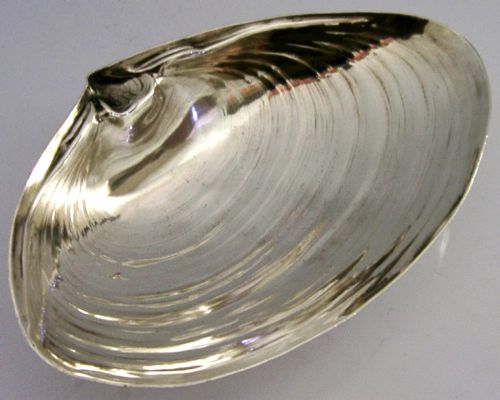

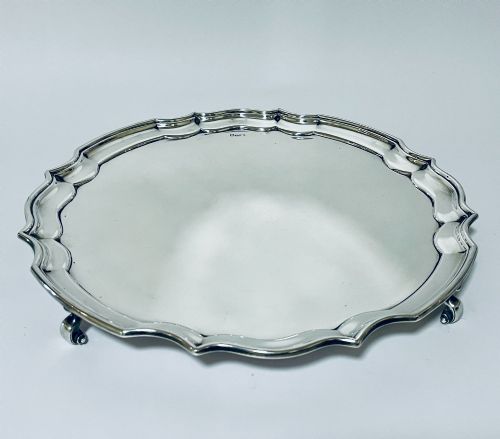
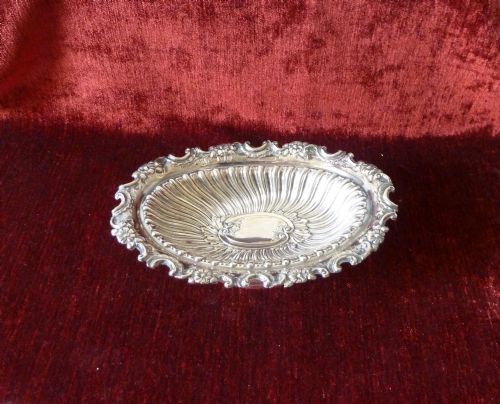


Victorian Sterling Silver Tray
A victorian sterling silver tray brings nineteenth-century weight and polish to a table, combining utility with ornamental metalwork.
Victorian Sterling Silver Tray
The objects derive from periods spanning early to late Victorian production, with many examples originating from major English assay offices like London, Birmingham, and Sheffield. Smaller dishes for bonbons or visiting cards appear alongside substantial two-handled serving pieces.
Makers utilised solid sterling silver alongside combinations involving glass, tortoiseshell, and velvet linings for desk inkstands and dressing sets. Styles frequently draw upon Rococo Revival ornamentation, featuring pierced rims, chased scrollwork, and detailed floral motifs.
How they were made
Silversmiths formed these trays from solid sterling silver, often hammering or pressing the metal before applying decorative chased and engraved details by hand. Larger salvers and heavy platters incorporated cast borders soldered to the main body to provide rigidity and ornamental depth.
Pierced work involved carefully sawing patterns through the silver sheet for fruit baskets and bonbon dishes, while smaller desk trays utilised cast elements depicting birds or horseshoe motifs. Makers marked their output with standard assay office punches, date letters, and individual maker marks.
Victorian Sterling Silver Tray Retail Price Guide 2026
Typical asking prices for victorian sterling silver tray among the pieces listed under this phrase on Sellingantiques today, from the lower quarter to the upper quarter. They describe what is for sale here now, not the wider market.
Listings feature Victorian sterling silver items alongside pieces incorporating glass, tortoiseshell, velvet, and satin from 18th to 20th century periods.
What varies in quality
Quality separates simple stamped sheet metal from substantial pieces featuring heavy cast borders, crisp hand-chased engraving, and balanced proportions. Substantial weight and thick gauge silver distinguish major serving salvers from lighter dressing table trays.
The involvement of documented workshops or prominent silversmiths influences the standing of a piece, as does the complexity of pierced decoration and the clarity of the London, Sheffield, or Birmingham hallmarks stamped into the metal.
William Comyns·James Hennell·Martin Hall·Charles Boyton·Robert Garrard·Elkington And Co·Tiffany And Co·Hunt And Roskell·Barnard·Walker And Hall
The Victorian Sterling Silver Tray Glossary
- Salver
- A footed flat tray used for serving drinks or presenting cards, typically circular with a decorative border.
- Sterling silver
- An alloy consisting of 92.5 percent pure silver and 7.5 percent other metals, meeting official British assay standards.
- Chasing
- A technique where a silversmith hammers metal from the front to push patterns into relief without removing material.
- Hallmark
- A set of official marks stamped onto precious metal items to guarantee the purity, place of origin, and year of assay.
- Piercing
- The method of cutting decorative openwork patterns through a sheet of silver using a fine jeweler saw.
Victorian Sterling Silver Tray: Frequently Asked Questions
How do I clean a silver tray?
Use a soft cloth and a dedicated silver polish designed to remove tarnish without abrading the chased surface or engraving.
Avoid harsh chemical dips that strip the natural darkening from recessed details and antique hallmarks.
Can I use these trays daily?
Solid sterling silver withstands regular handling when treated with care, making them suitable for serving drinks or holding desk items.
Soft silver surfaces scratch easily under heavy ceramic or glass contact, so placement on protective mats helps preserve the base.
What is the difference between a tray and a salver?
Salvers traditionally feature small support feet elevating the flat serving surface above the table, whereas many trays are designed flat or with integrated handles.
Heavier salvers typically served formal dining and hospitality functions in nineteenth-century households.
How do I date an antique silver tray?
Locate the stamped hallmark group on the underside or rim, which includes a specific letter code corresponding to the assay year.
Matching the maker mark and city punch against historical records provides the exact workshop and production period.