



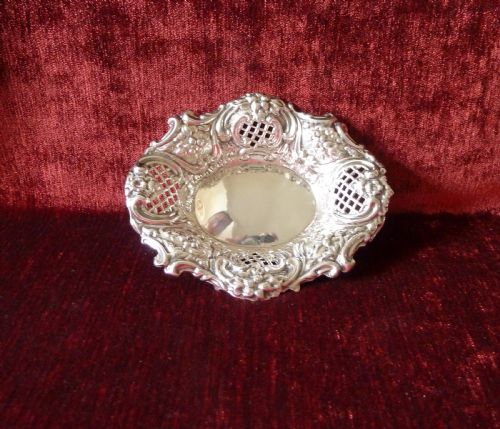


Edwardian Silver Vanity Tray
An edwardian silver vanity tray brings refined dressing table elegance to a room, offering a polished surface for daily trinkets and grooming accessories.
Edwardian Silver Vanity Tray
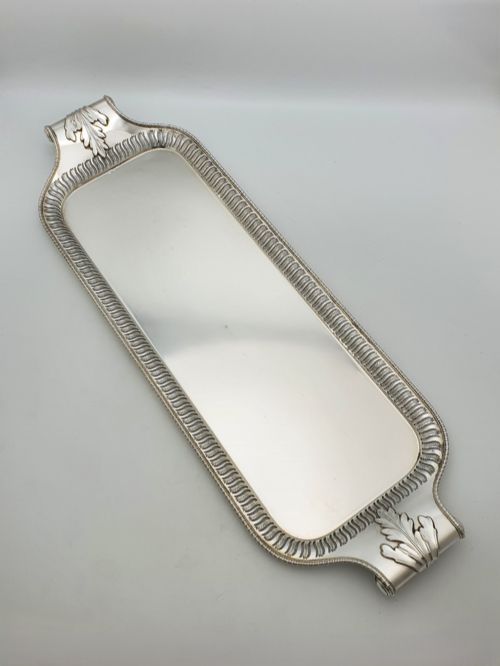
When you search for an edwardian silver vanity tray, you encounter dressing table trays, trinket dishes, mirror plateaus and serving trays spanning the Edwardian period, Victorian era and early twentieth century. These pieces serve to organise dressing tables and hold small personal items.
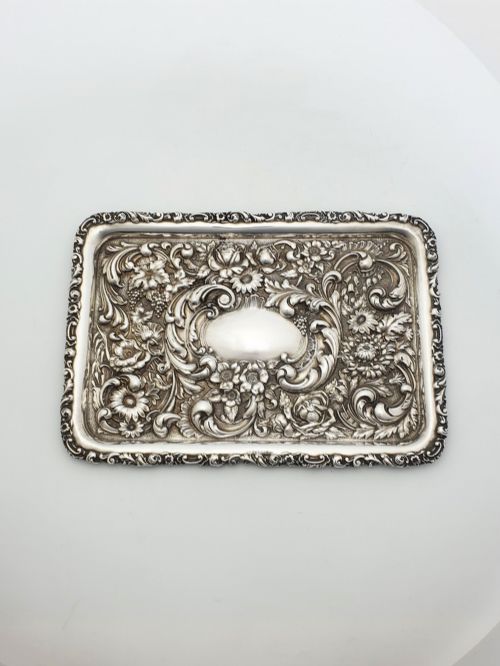
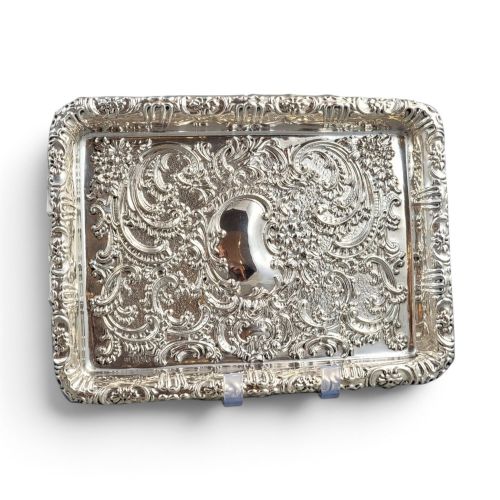
You most frequently meet sterling silver and silver plated examples featuring pierced borders, floral repoussé work and cast decorative motifs. Forms range from compact pin dishes to long cocktail trays and mirrored surfaces.
Origins stretch across London and Birmingham assay offices alongside maker workshops, reflecting the diverse domestic output of the period.
Materials and construction
Craftsmen applied repoussé techniques to raise floral and figural designs from the reverse, alongside hand piercing and detailed etching on glass surfaces.
Edwardian Silver Vanity Tray Retail Price Guide 2026
Typical asking prices for edwardian silver vanity tray among the pieces listed under this phrase on Sellingantiques today, from the lower quarter to the upper quarter. They describe what is for sale here now, not the wider market.
Listings feature sterling silver, silver plate, nickel silver, cut glass and ebonised wood across Edwardian, Victorian, Art Nouveau and Art Deco styles.
Judging quality and execution
Quality rests upon the crispness of repoussé work, where deeply chased floral motifs and distinct figures like Reynold's angels distinguish superior examples from simpler stamped items.
The weight of the metal and the integrity of pierced galleries determine the structural substance of a tray, while heavier glass inserts and clear hallmarks signal finer domestic production.
Robert Pringle & Sons·Hukin & Heath·William Comyns Silversmith
The Edwardian Silver Vanity Tray Glossary
- Repoussé
- A metalworking technique where the artisan hammers and pushes the design from the reverse side to form a raised relief on the front. This decorative method creates tactile floral and figural scenes.
- Sterling silver
- A silver alloy containing a specific high proportion of pure silver by weight, prized for its durability and bright finish. It usually bears official assay marks.
- Gallery
- A raised pierced border surrounding the edge of a tray, designed to keep items secure. These openwork railings are often cast or pierced by hand.
- Mirror plateau
- A low tray fitted with a mirror plate surface, originally used to reflect candlelight or display table ornaments. On dressing tables, they reflect light and hold small bottles.
- Pin dish
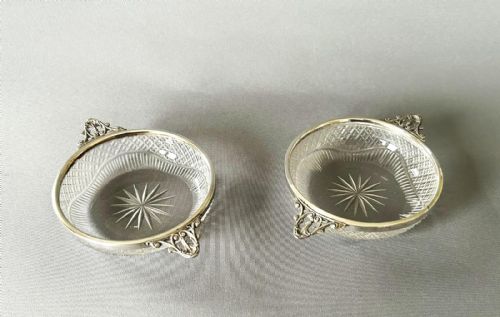
- A small shallow dish created for holding loose pins and small jewellery items on a dressing table. They frequently appear in matching pairs or coordinated sets.
Edwardian Silver Vanity Tray: Frequently Asked Questions
What is an edwardian silver vanity tray used for?
These pieces were designed for the dressing table to hold perfume bottles, hair brushes, hairpins and small jewellery items in an orderly manner.
Today, they serve a similar decorative and practical purpose on modern dressing tables, sideboards or coffee tables for organising everyday accessories.
How do I clean an edwardian silver vanity tray?
Use a soft microfiber cloth and a mild silver polish specifically formulated for antiques to gently remove tarnish without scrubbing away surface detail.
Avoid abrasive cleaners or soaking pieces that incorporate mirror plates or glass inserts, as moisture can damage the backing or cement.
How can I tell sterling silver from silver plate?
Sterling silver pieces typically display official hallmark stamps indicating the purity standard, the assay office and the date letter.
Silver plated items use marks denoting electroplate or base metal foundations, and often show base metal peeking through where the silver layer has worn away.
Are these trays suitable for daily use?
Sturdy sterling silver and thick silver plated trays withstand normal everyday placement of small personal items like rings and watches.
Mirrored trays and delicate glass inserts require gentle handling to prevent scratching the glass or straining the surrounding metal frame.