




Victorian Sterling Silver Shaker
These Victorian sterling silver shakers bring practical nineteenth-century elegance to the table, taking the form of sugar casters, pepper pots, and clever animal novelties.
Victorian Sterling Silver Shaker
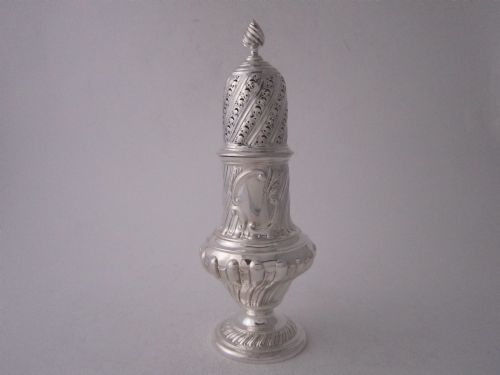
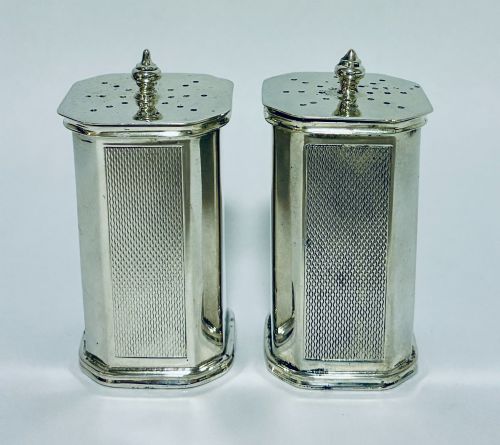
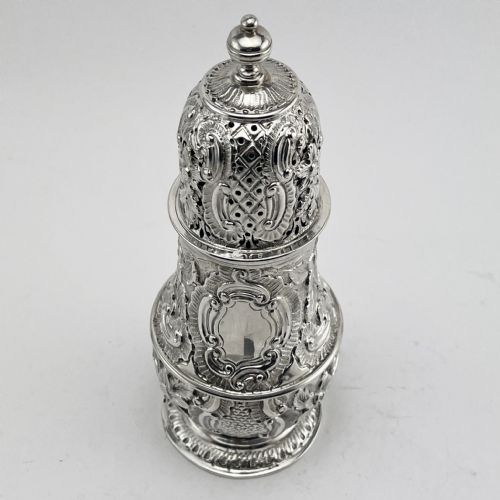
A victorian sterling silver shaker encompasses functional dining table wares such as sugar casters, pepper pots, pepperettes, and condiment sets. These pieces span the nineteenth century into the Edwardian era, reflecting both formal dining traditions and playful tastes.
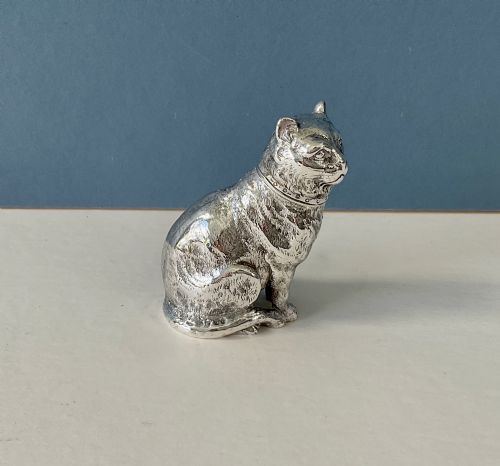
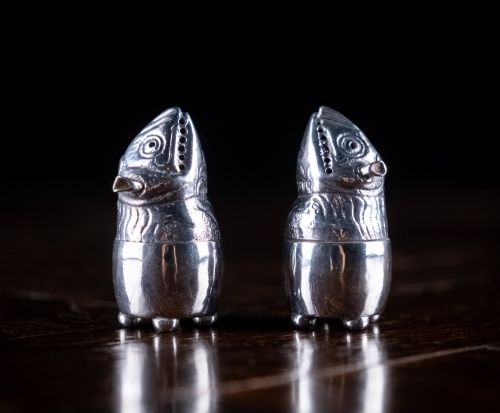
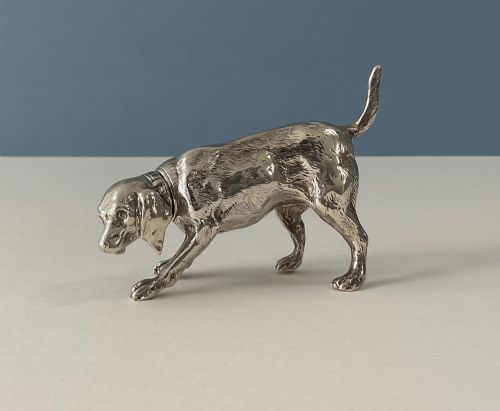
The domestic forms range from tall sugar sifters down to small condiment pots. Novelty animal figures such as owls, dogs, cats, chicks, and cockatoos appear frequently alongside architectural cornucopia and Georgian revival sugar casters.
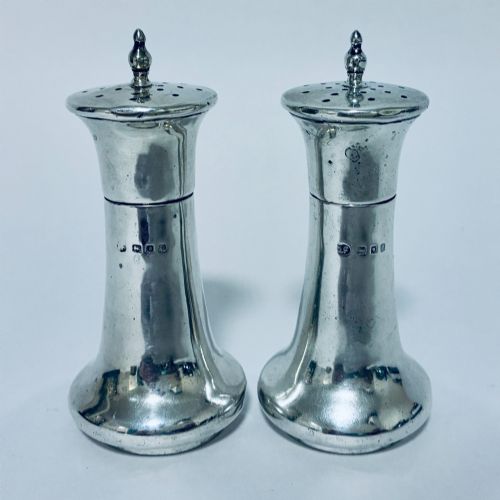
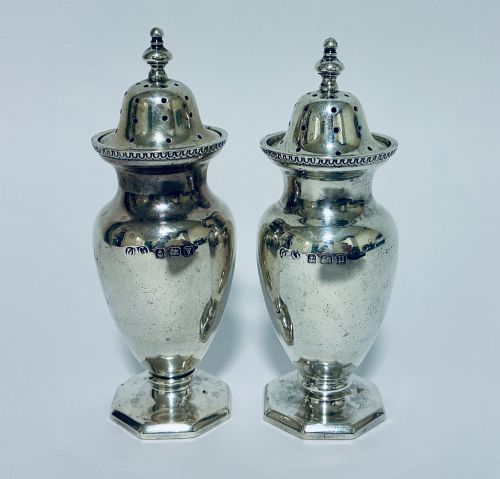
Makers produced matched pairs, single shakers, and boxed multi-piece sets intended for period dining. The surviving examples demonstrate how silversmiths combined strict utility with sculptural design on the dining table.
Materials and Construction
Silversmiths utilised sterling silver and solid silver for the body of each shaker, occasionally applying silver gilt to the interior surfaces. Certain sugar casters and condiment pieces incorporate glass liners or bodies paired with metal mounts.
Manufacturing methods combine cast figural modelling with pierced and chased sheet silver. Novelty items rely on detailed casting to shape animals and characters, whilst standard casters use pierced lids designed to dispense sugar or pepper evenly.
Assessing the Workmanship
Quality rests upon the crispness of the casting and the depth of the chasing, particularly on novelty animal forms where feather, fur, and facial detail define the piece. Plain sugar casters depend upon balanced proportions and clean piercing on the lid.
Maker marks and hallmarks stamped into the silver provide clear attribution to notable silversmiths. The survival of original boxes in condiment sets adds another layer of completeness to the physical object.
Frederick Brasted·Horace Woodward and Co Ltd·Sampson Mordan·Thomas Johnson
The Victorian Sterling Silver Shaker Glossary
- Sterling Silver
- An alloy comprising ninety-two point five percent silver by mass, with the remainder consisting of copper or other metals. This standard guarantees the purity utilised in British hallmarked tableware.
- Sugar Caster
- A tall vessel designed for sifting powdered sugar over food, also known as a sugar shaker. These pieces often feature a bayonet or screw-fitting pierced top.
- Pepperette
- A small individual pot or shaker intended specifically for holding ground pepper at the dining place setting. They frequently match salt cellars within larger condiment sets.
- Hallmark
- A series of official marks stamped on items made of precious metals in the United Kingdom. It verifies the standard of silver, the assay office, and the year of manufacture.
- Silver Gilt
- Silver that has been coated with a thin layer of gold on its surface. This technique protected the interior of condiment vessels from the corrosive properties of salt and certain spices.
Victorian Sterling Silver Shaker: Frequently Asked Questions
How were these shakers used?
Dining guests used sugar casters to sprinkle sugar over desserts and fruit, whilst smaller pepper pots and pepperettes held seasonings for individual place settings. Matched pairs and condiment sets organised multiple spices together on the Victorian table.
Heavier sugar shakers remained stationary or passed along the table as required during formal meals. Smaller novelty pieces combined functional condiment dispensing with decorative amusement for guests.
How do I clean sterling silver?
Maintenance requires gentle washing with warm water and mild soap, followed by drying with a soft cloth. Avoid harsh chemical dips that strip the natural patina accumulated over the nineteenth century.
Polishing should occur infrequently using a dedicated silver cloth designed for antique metalwork. Keeping pieces away from direct moisture preserves both the silver surface and any internal glass components.
Are novelty shakers rare?
Victorian silversmiths produced novelty animal and character shakers in smaller quantities than standard domestic tableware. Forms shaped as owls, dogs, chicks, and grotesque figures appear less frequently in surviving inventories.
These figural pieces attracted collectors during the nineteenth century just as they do today. Their scarcity relates directly to the specialised casting required to create detailed animal forms.
How do I read the hallmarks?
British hallmarks typically show a lion passant indicating sterling standard, a town mark for the assay office, and a date letter corresponding to the year of manufacture. Additional stamps often display the maker's registered mark.
Reference books and online registry charts match the specific letter fonts and shield shapes to exact years. These stamps provide a reliable method for dating nineteenth-century silver items.