




Sterling Silver Spice Caster
These sterling silver spice caster pieces deliver period elegance to the table, offering refined forms that collectors prize for their craftsmanship and history.
Sterling Silver Spice Caster
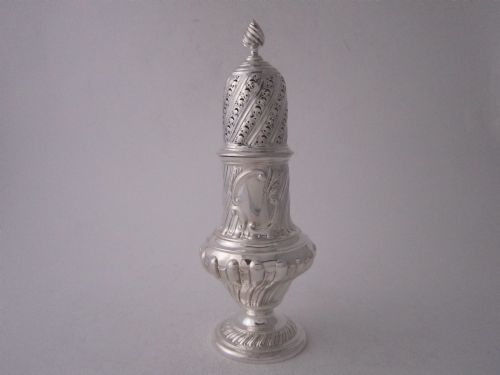
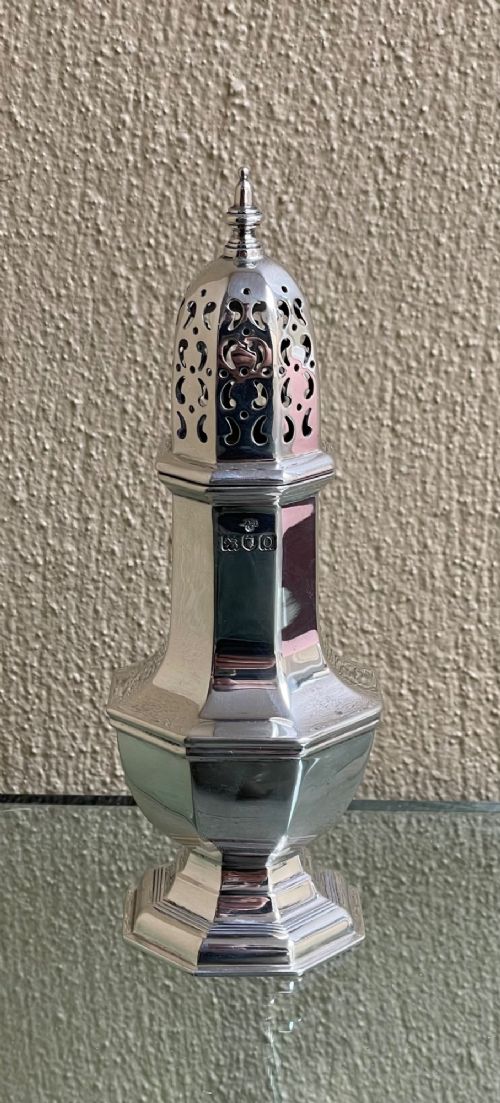
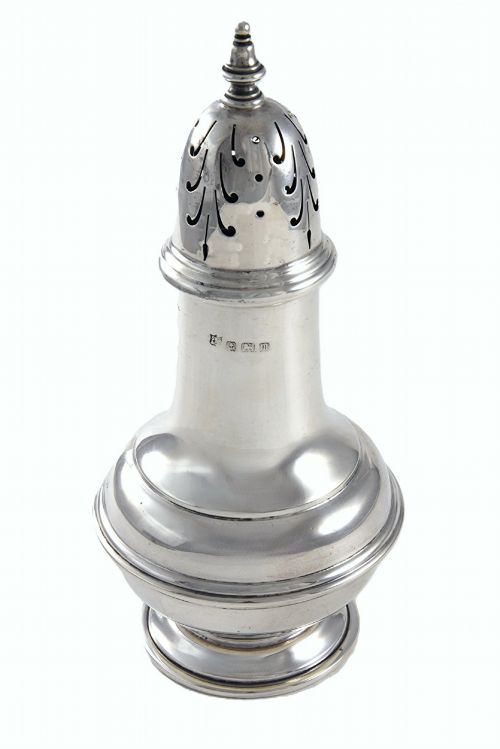
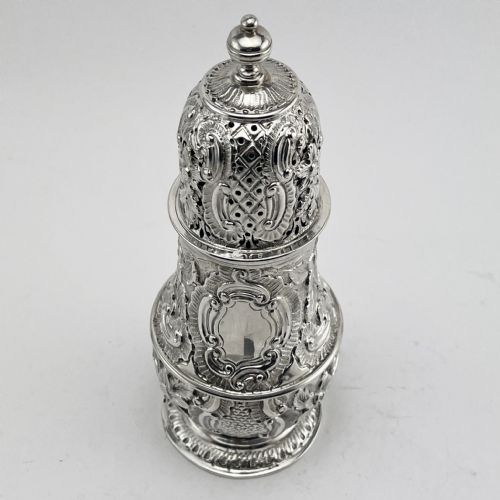
When you search for a sterling silver spice caster, you enter a field spanning George I, Georgian, Victorian, Edwardian, and mid-twentieth century epochs. The inventory contains sugar casters, sugar shakers, muffineers, condiment sets, cruet sets, pepper pots, and novelty items like owl and fox pepperettes.
The most common items met on this page are single sugar casters and pepper pots originating from the Georgian, Victorian, and Edwardian eras. These domestic vessels served dining tables for dispensing sugar, pepper, and spices during formal meals.
What varies in quality
Distinction in quality rests upon the crispness of the piercing in the cover and the weight of the silver utilised in the body. Master silversmiths achieved balanced proportions and secure, well-fitting screw or push-on lids.
Early eighteenth-century work by Huguenot makers displays exceptional gauge and hand-chased detail that differentiates it from later mass-produced condiment wares.
The listings span George I, Georgian, Victorian, Edwardian, George V, and mid-twentieth century periods, incorporating cut glass and leatherette alongside sterling silver.
Charles Thomas Fox·Stephen Adams·Simon Pantin·James Dixon & Sons Ltd·Evald Nielsen
The Sterling Silver Spice Caster Glossary
- Muffineer
- A small caster or shaker traditionally used for sprinkling sugar onto muffins or toast. These tall, pierced vessels date predominantly from the Georgian period.
- Condiment Set
- A matched group of small vessels designed to hold salt, pepper, and mustard on the dining table. They frequently sit upon a dedicated silver stand.
- Hallmark
- An official stamp applied to silver objects indicating the assay office, metal purity standard, and year of manufacture. British pieces display these marks on the body and lid.
- Huguenot
- Protestant refugees from France who brought advanced silversmithing techniques to Britain in the late seventeenth and eighteenth centuries. Their output is noted for clean lines and architectural form.
Sterling Silver Spice Caster: Frequently Asked Questions
How do I clean an antique silver caster?
Clean sterling silver items using a soft cloth and specialised silver polish, avoiding harsh abrasives that remove fine detail. Rinse thoroughly in warm water and dry immediately to preserve the finish.
Take care around pierced lid sections where polish residue can accumulate. Store pieces in dry conditions away from direct sunlight.
What is the difference between a sugar caster and a pepper pot?
Sugar casters are generally taller vessels with larger capacities and wide, pierced domes designed for dusting fine sugars. Pepper pots are smaller in scale with tighter perforations to restrict the flow of spice.
Both forms share similar manufacturing techniques, though pepper pots often appear in matched pairs or within larger cruet sets.
Can I use these silver casters on the dining table today?
These domestic items function well for modern dining provided you check the interior condition and clean them thoroughly before use. Many collectors enjoy using them for daily meals as well as formal gatherings.
Ensure that acidic spices or damp sugars are not left inside for extended periods to protect the silver interior.
How do I date a silver spice caster?
Examine the hallmarks stamped on the silver body and lid to find the assay office mark and date letter. Reference tables correlate these symbols to specific years of manufacture in British production.
Stylistic cues such as Art Nouveau curves or Georgian baluster forms also provide broad chronological placement when marks are rubbed.