

Victorian Sterling Silver Novelty
Victorian sterling silver novelty pieces combine functional desk items and table accessories with whimsical, inventive animal or object forms.

Victorian Sterling Silver Novelty
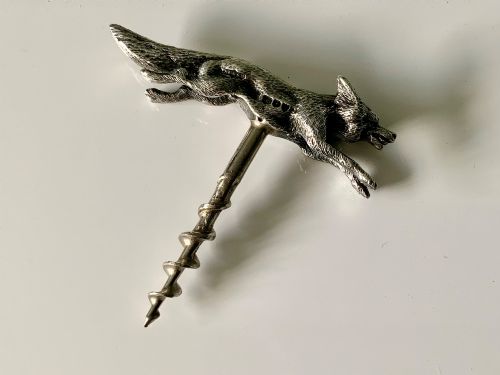
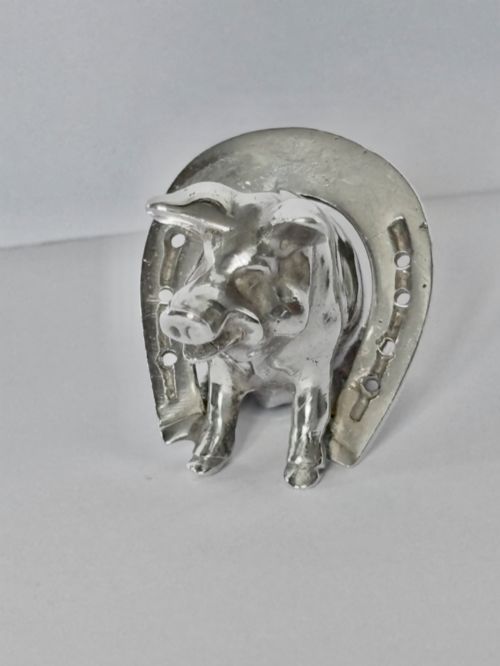
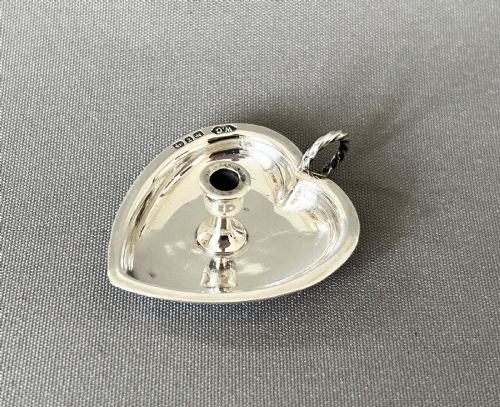
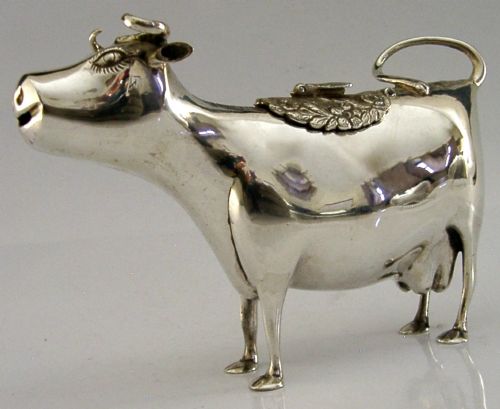
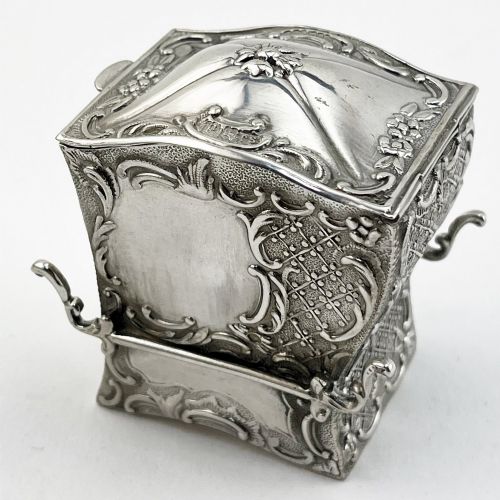
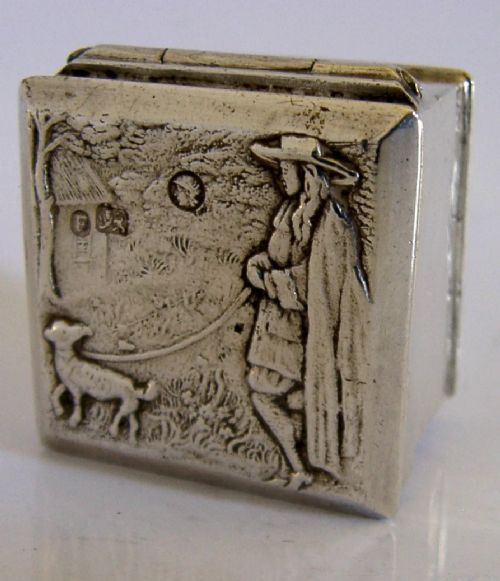
Victorian sterling silver novelty items comprise whimsical, figurative small silver works designed for desktop, dining table or personal use. When exploring victorian sterling silver novelty pieces, a buyer encounters domestic objects shaped as animals, boots, canoes, musical instruments, and miniature furniture. The forms bridge utility and decorative amusement, spanning the Victorian and Edwardian eras.
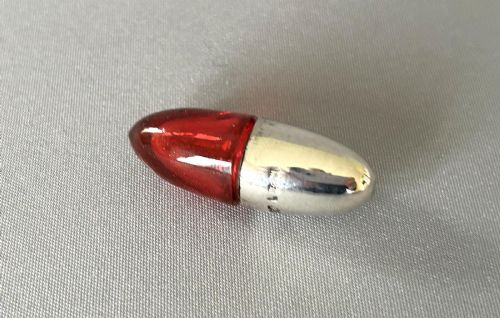
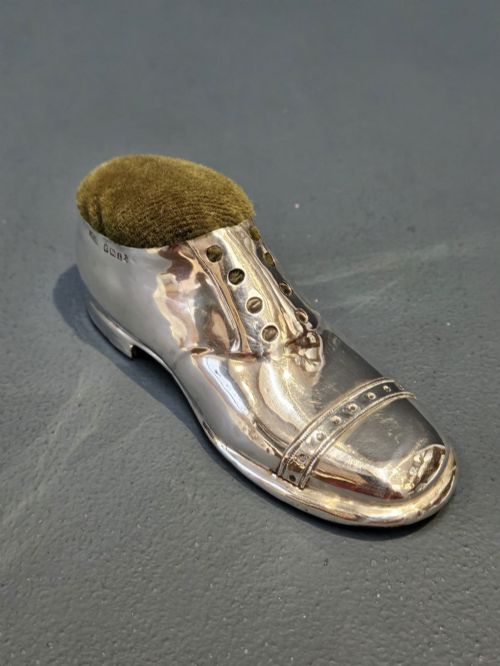
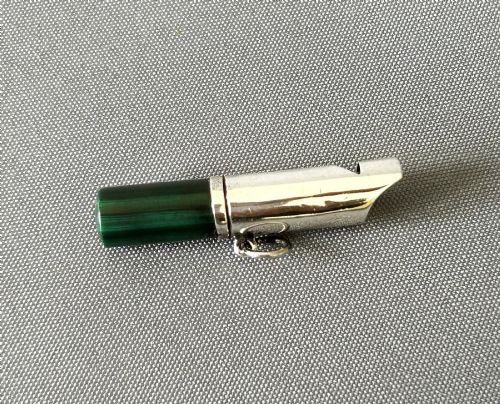
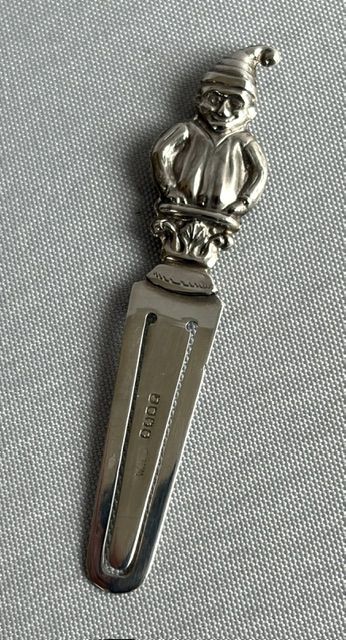
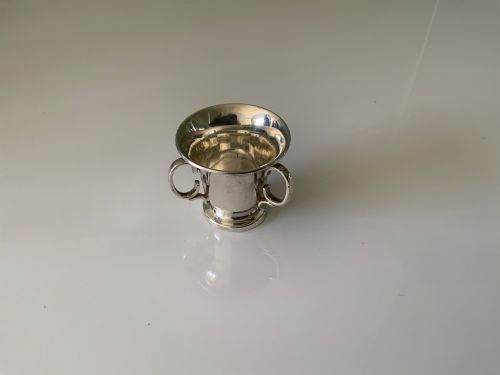
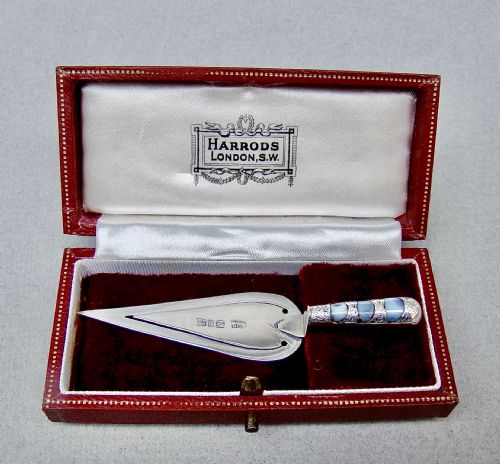
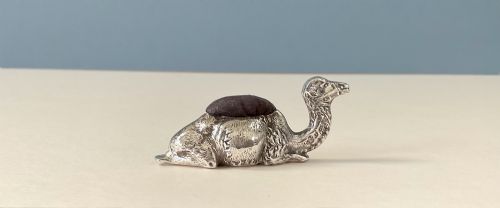
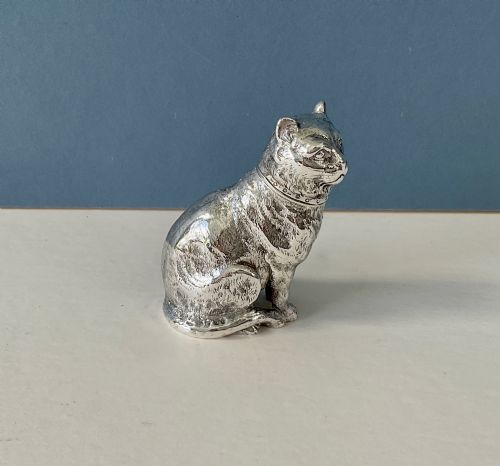
Pin cushions modelled as animals, birds, boots, and chairs appear frequently alongside pepper pots shaped like cats, dogs, birds, and milk churns. Desk accessories include vesta cases, bookmarks shaped as trowels, letter openers, and inkwells. These pieces reflect a distinct late nineteenth and early twentieth century taste for playful miniature silver.
How they were made
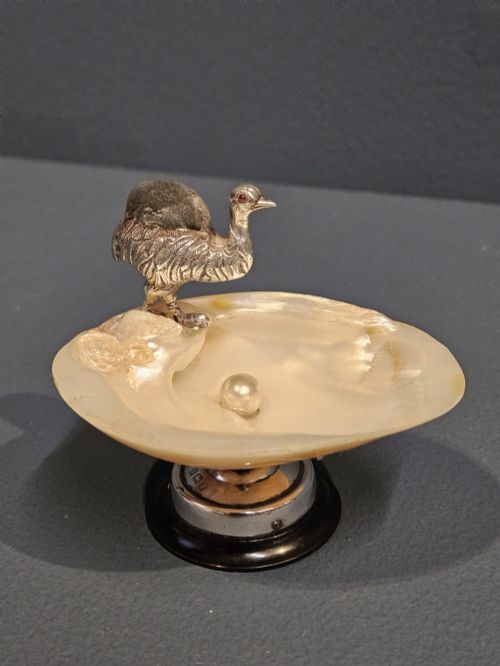
Silversmiths utilised sterling silver alongside supplementary materials such as velvet, glass, fabric, mother of pearl, leather, and wax taper to construct these diminutive objects. Animal pin cushions combined embossed or chased silver bodies with fabric or velvet pads designed to hold pins safely.
Complex forms relied on casting, hand-chasing, and piercing techniques to render realistic textures like animal fur, feathers, crocodile skin, or woven cane work. Structural elements were soldered together with precision, incorporating hinged lids for vesta cases, scent bottles, and vinaigrettes.
Victorian Sterling Silver Novelty Retail Price Guide 2026
Typical asking prices for victorian sterling silver novelty among the pieces listed under this phrase on Sellingantiques today, from the lower quarter to the upper quarter. They describe what is for sale here now, not the wider market.
Listings feature items spanning the nineteenth and twentieth centuries, incorporating materials like mother-of-pearl, banded agate, velvet, and leather alongside sterling silver.
What varies in quality
Quality in these silver works rests upon the fidelity of the sculptural modelling and the crispness of the chased or engraved surface details. Pieces originating from prominent workshops display superior anatomical precision in animal figures and more secure hinges on small containers.
The preservation of original structural components, such as intact velvet cushion inserts, glass liners, and unrubbed hallmarks, distinguishes finer examples. Maker marks from established firms indicate higher craftsmanship standards compared to unmarked or generic studio output.
Braham·Frederick Brasted·Sampson Mordan and Co·Crisford and Norris·Hamilton and Co Calcutta·Edward H Stockwell·Mappin and Webb
The Victorian Sterling Silver Novelty Glossary
- Vesta case
- A small portable box designed to hold matches, typically featuring a hinged lid and a striking surface on the base. These cases often took inventive cylindrical or double-ended forms.
- Pin cushion
- A domestic sewing accessory mounted on a weighted base, frequently fashioned into figural shapes like animals, household items, or footwear. The upper section consists of fabric or velvet.
- Pepper pot
- A small tabletop container for ground pepper, perforated on top for sprinkling and modelled in playful figural or architectural shapes. Animal and novelty pepperettes were popular dining table amusements.
- Vinaigrette
- A small hinged box containing a perforated internal grille, designed to hold a sponge soaked in aromatic vinegar. These scent containers were often formed as horns or decorative trinkets.
Victorian Sterling Silver Novelty: Frequently Asked Questions
What were novelty silver pieces used for?
These pieces served practical daily functions on desks and dining tables while providing humorous conversation pieces for Victorian households.
Items like vesta cases held matches, inkwells aided writing, and pepper pots seasoned food, all disguised as animals or everyday objects.
How can I date my silver novelty item?
Dating relies on the stamped hallmarks showing assay office symbols, date letters, and maker marks struck directly into the metal.
Comparing the stamped lion passant and leopard head or anchor symbols against standard hallmarking records reveals the exact year of manufacture.
Why do some pin cushions have velvet?
The velvet or fabric section provided a soft, secure pad designed to hold sewing pins without dulling their points.
Silversmiths integrated these textile inserts into hollow silver bases shaped as birds, chairs, and shoes.
Are these silver items solid sterling?
English pieces from this era are struck with the sterling silver hallmark denoting standard silver purity.
Supplementary materials like velvet, glass inserts, or mother-of-pearl handles appear alongside the solid silver framework.