



Novelty Silver Inkwell
These novelty silver inkwell pieces combine practical desktop utility with playful figurative design, shaped as animals, bells, and household objects to delight the collector.
Novelty Silver Inkwell
A novelty silver inkwell transforms a standard desk accessory into a striking sculptural object, appearing in forms such as bells, animals, birds, and everyday items. Buyers seeking this phrase encounter pieces spanning the nineteenth and twentieth centuries, including Victorian and Edwardian examples.
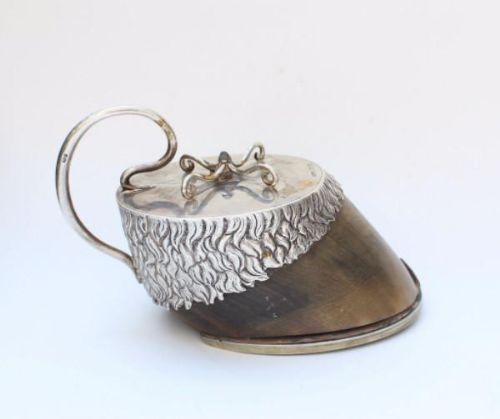
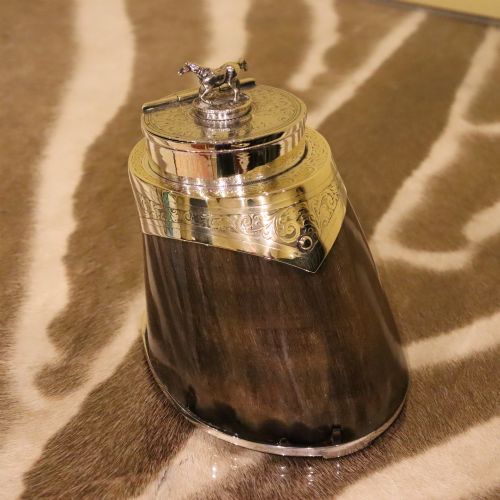
The selection frequently includes bell inkwells and animal subjects such as owls, cockerels, and horses' hooves mounted in silver. These items served as functional desk tidies and decorative centerpieces in period offices and country houses.
Origins stretch across nineteenth-century and early twentieth-century British workshops, with sterling silver and silver plate dominating the selection. Pieces range from compact travel items to heavy desk stands incorporating glass components.
Materials and construction
Craftsmen utilised sterling silver, silver plate, and brass alongside organic materials such as glass, horn, and horse hoof. Metal components were cast, chased, or plated to create detailed figurative textures, while glass inserts held the liquid ink securely within the metal housings.
Taxidermy elements and natural horn or hoof structures were meticulously mounted with silver rims, hinges, and lids. These mixed-media constructions required skilled silversmiths to join organic matter with precious metal mounts.
Novelty Silver Inkwell Retail Price Guide 2026
Typical asking prices for novelty silver inkwell among the pieces listed under this phrase on Sellingantiques today, from the lower quarter to the upper quarter. They describe what is for sale here now, not the wider market.
The listings show materials ranging from solid sterling silver and glass to horse hoof, horn, and brass across nineteenth and twentieth-century periods.
Distinctions in quality
Quality rests in the crispness of the casting and the naturalism of the figurative design, whether portraying an owl, a bell, or an equestrian subject. Superior examples maintain clear hallmarks, intact glass inserts, and robust hinge mechanisms that function smoothly.
The weight of the silver and the complexity of the figural model separate standard desk items from exceptional exhibition pieces. Finer specimens display detailed hand-chasing on feathers, fur, or metal surfaces rather than simple stamped construction.
Thomas Wilkinson·Asprey·Sampson Mordan·Martin Hall·A & J Zimmerman·John Zimmerman
The Novelty Silver Inkwell Glossary
- Inkwell
- A small container for holding ink, placed on a desk for dipping a pen. They often feature hinged lids to prevent the ink from drying out.
- Sterling silver
- An alloy of silver containing 92.5 percent pure silver and 7.5 percent other metals, usually copper. This standard was widely used for British desk wares and novelty items.
- Silver plate
- A base metal, such as copper or brass, coated with a thin layer of pure silver. Many nineteenth-century novelty designs utilised this method to achieve intricate detail at a lower cost.
- Capstan inkwell
- An inkwell shaped like a ship's capstan, featuring a wide base that tapers inward toward the top. This form offered stability on moving ships or busy desks.
Novelty Silver Inkwell: Frequently Asked Questions
What were novelty inkwells used for?
These pieces functioned as desktop accessories for holding ink while writing with dip pens. Their humorous or decorative shapes also served as conversation pieces in period studies and offices.
Owners kept them on writing tables alongside pen wipes and sanders. They combined everyday utility with whimsical display.
How do I identify a bell inkwell?
A bell inkwell is designed to function both as a desk bell and an ink container, often shaped like a handbell with a clapper or a push-button mechanism. The top section lifts or unscrews to reveal the ink reservoir.
Many examples from the Edwardian period utilise this dual purpose. They allowed writers to summon servants while keeping writing materials close at hand.
Why are horse hooves used in inkwells?
Victorian and Edwardian taxidermy trends incorporated equestrian elements into desk accessories, reflecting the sporting interests of the period. Hooves were trimmed, fitted with silver mounts, and hinged to create heavy paperweights and ink stands.
These items frequently appeared in country houses and gentlemen's studies. They combined natural history specimens with functional metalwork.
How are periods told apart?
Victorian pieces often display elaborate ornamentation, heavy castings, and naturalistic taxidermy or animal forms. Edwardian and later items tend to feature cleaner lines, bell shapes, and mechanical ingenuity.
Assaying marks and date letters stamped into the silver provide precise manufacturing years. Stylistic shifts also reflect the transition from ornate nineteenth-century designs to early twentieth-century minimalism.