



Victorian Sterling Silver Fork
These Victorian sterling silver fork examples are functional dining implements and presentation sets crafted to endure.
Victorian Sterling Silver Fork
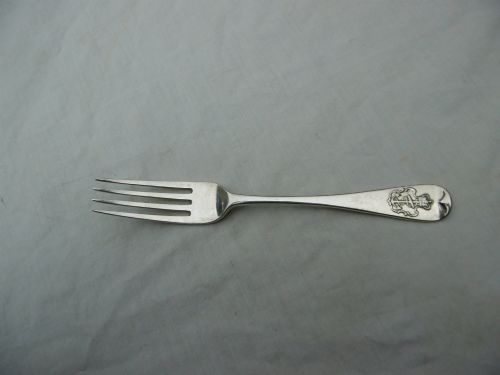
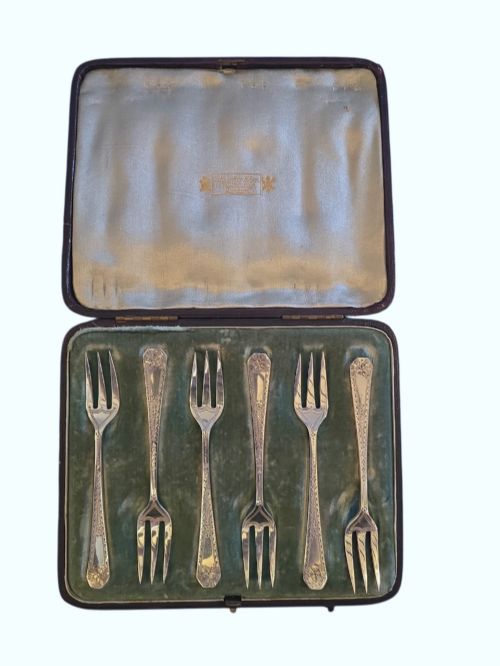
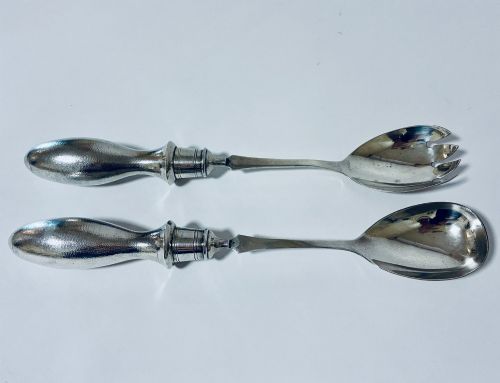
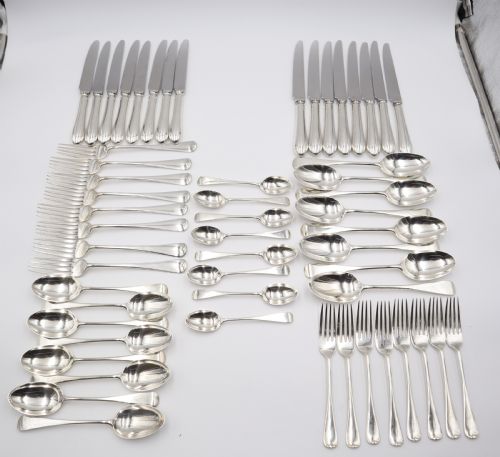
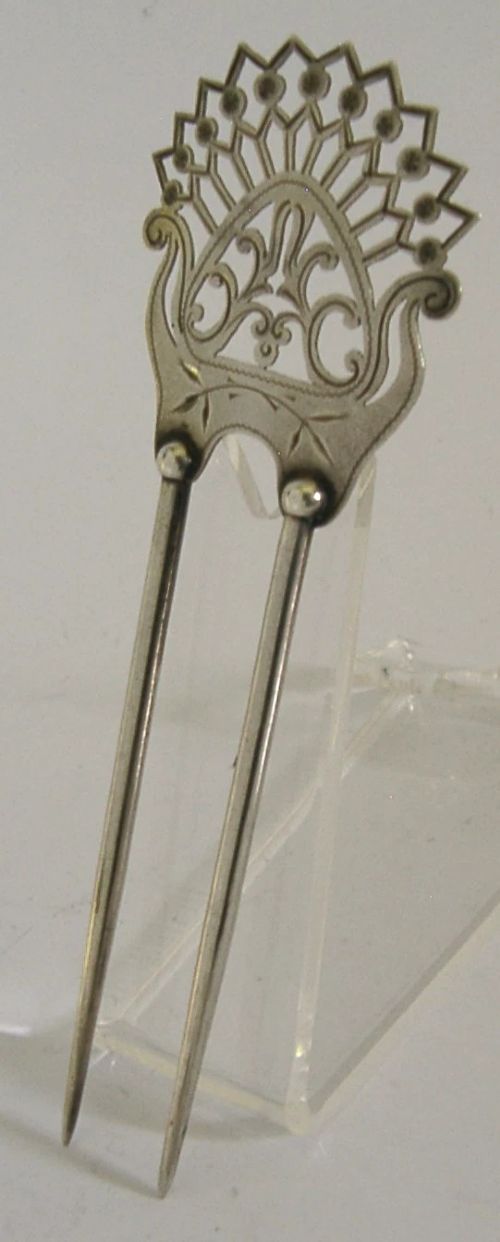
A victorian sterling silver fork search reveals varied dining and serving implements alongside cased presentation sets, hair accessories, and comprehensive canteens. The pieces span periods from the nineteenth century into the twentieth century, taking forms such as hors d'oeuvre pickle forks, fish servers, salad servers, and christening sets.
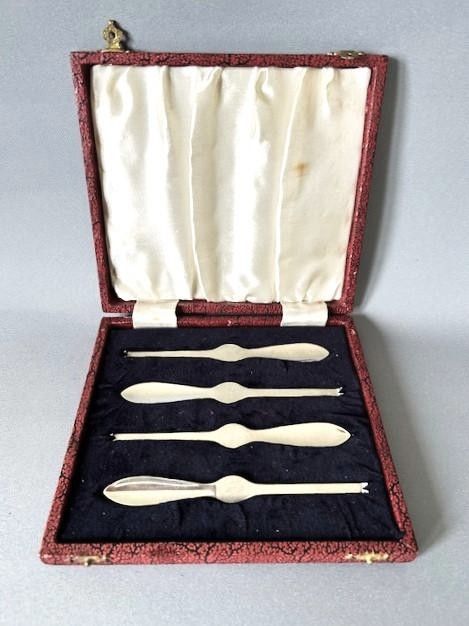
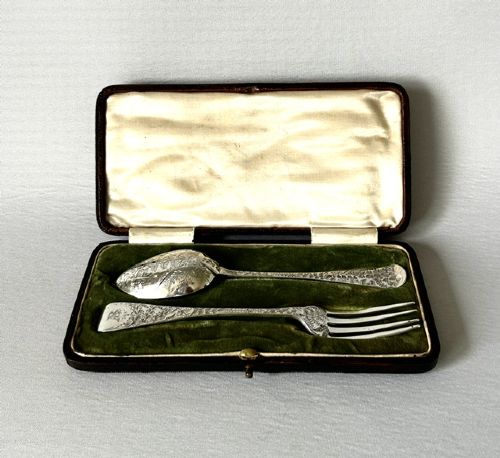
Buyers most frequently encounter cased sets intended for specific dining tasks, including boxed crab picks, sardine serving forks, and multi-piece children's christening sets. These items frequently originate from Sheffield workshops or bear hallmarks from London and other assay offices corresponding to dates across the Victorian era and later.
Materials and construction methods
Makers utilised sterling silver and solid silver for the working parts and structural elements of the cutlery, often pairing these metals with steel components where rigidity was required for tines or blades. Presentation pieces frequently incorporated fitted enclosures lined in velvet, silk, leather, or leatherette to protect the precious metal within.
Silversmiths employed traditional manufacturing techniques including casting, hammering, and engraving to shape handles and tines, frequently applying distinct decorative patterns such as the Admiralty or Old Orange Blossom designs. Makers marked their output with hallmarks denoting silver purity, assay office locations, and date letters alongside individual maker's marks.
Victorian Sterling Silver Fork Retail Price Guide 2026
Typical asking prices for victorian sterling silver fork among the pieces listed under this phrase on Sellingantiques today, from the lower quarter to the upper quarter. They describe what is for sale here now, not the wider market.
Listings feature periods spanning from the early nineteenth century through the Art Nouveau and Arts and Crafts eras.
Distinguishing quality across examples
Quality separates through the crispness of the chased or engraved ornamentation on the handle and the structural integrity of the tines. Superior examples maintain clear, legible maker's marks and crisp decorative motifs that have not been worn down through excessive polishing over generations.
The completeness and condition of any original fitted case, whether lined in silk, velvet, or leatherette, influence the integrity of the ensemble. Sets that retain their matching components, such as a corresponding spoon or knife within a christening set, demonstrate higher preservation than partial groupings.
Hunt and Roskell·Walter and John Barnard·John Round
The Victorian Sterling Silver Fork Glossary
- Hallmark
- A series of stamped marks applied to precious metal items to indicate the standard of silver purity, the assay office, and the year of manufacture. These marks provide the primary evidence for dating an individual piece.
- Assay Office
- An official body charged with testing the purity of precious metals and stamping them with statutory hallmarks. Prominent offices included Sheffield and London.
- Canteen
- A fitted box, chest, or case designed to store a matched set of cutlery safely. These containers often feature internal slots or linings of velvet or silk.
- Tine
- One of the pointed prongs forming the working end of a fork. Tines vary in number and length depending on whether the implement is designed for fish, pickles, or general dining.
- Serveware
- Large or specialised pieces of cutlery intended for serving food at the table rather than individual dining. Examples include salad servers, fish servers, and serving forks.
Victorian Sterling Silver Fork: Frequently Asked Questions
What is a Victorian sterling silver fork?
A Victorian sterling silver fork is a dining or serving implement manufactured from solid silver during the reign of Queen Victoria or immediately adjacent decades. These pieces include single items like pickle or sardine forks as well as components of larger canteens.
They reflect the metalworking standards of British and American silversmiths of the nineteenth and early twentieth centuries, often bearing distinct hallmarks that identify their origin.
How were cased fork sets used?
Cased sets containing forks and matching implements were utilised for formal dining, specific courses such as fish or hors d'oeuvres, and significant family events. Christening sets served as traditional gifts for newborns, comprising forks, spoons, and knives.
These boxed ensembles protected the silver from tarnish and damage when not deployed during meals.
How do I date a silver fork?
Dating relies upon the stamped hallmarks found on the metal, which typically include a date letter corresponding to a specific year and assay office. Additional evidence comes from the stylistic traits, such as Arts and Crafts or Art Nouveau decorative motifs.
The presence of original fitted cases and associated documentation can also help narrow the period of manufacture.
Can I use antique silver forks daily?
Antique silver forks can be integrated into modern dining provided they receive appropriate care and hand washing. Sterling silver is durable enough for regular use, though delicate antique tines require gentle handling.
Avoiding abrasive cleaners preserves the engraved details and original surface finish of the metal.