




Victorian Sterling Silver Bottle
A victorian sterling silver bottle brings functional nineteenth-century craftsmanship to daily use through portable scent flasks, dressing table accessories, and dining table labels.
Victorian Sterling Silver Bottle
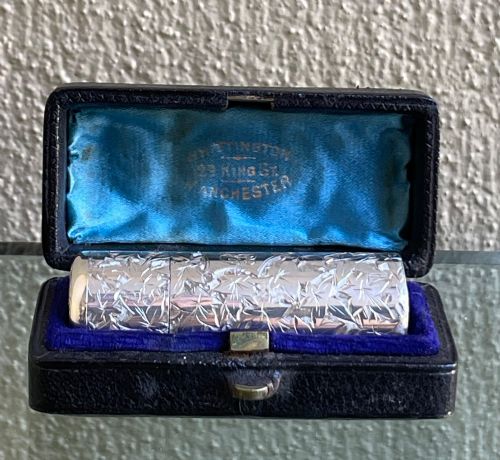
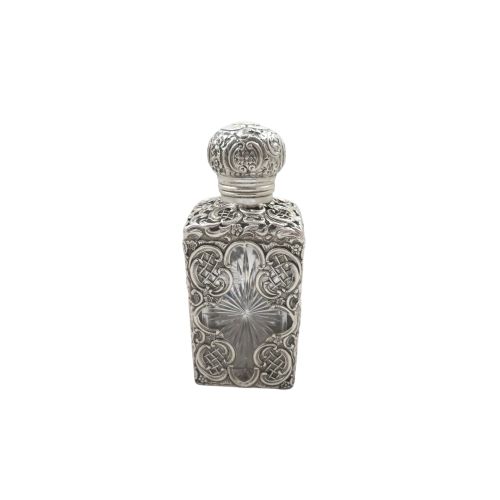
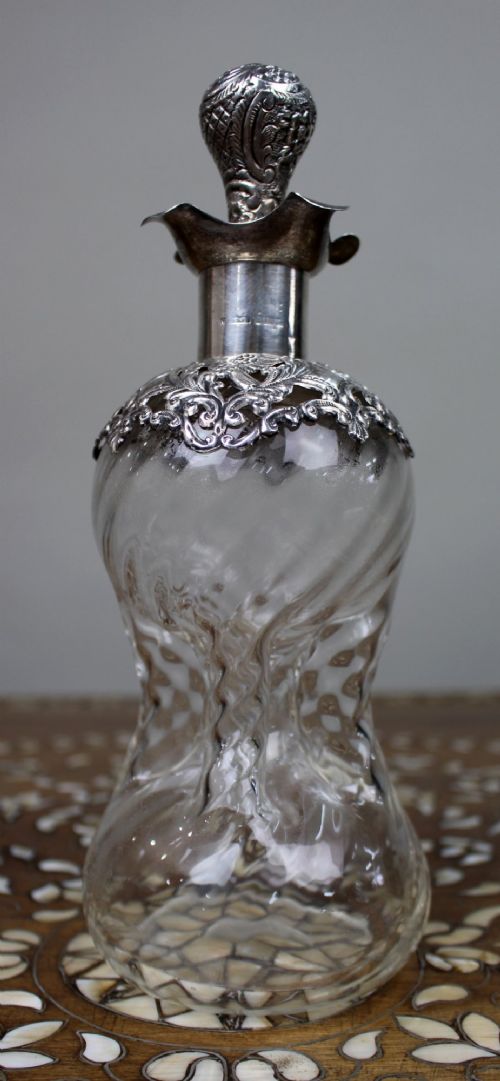
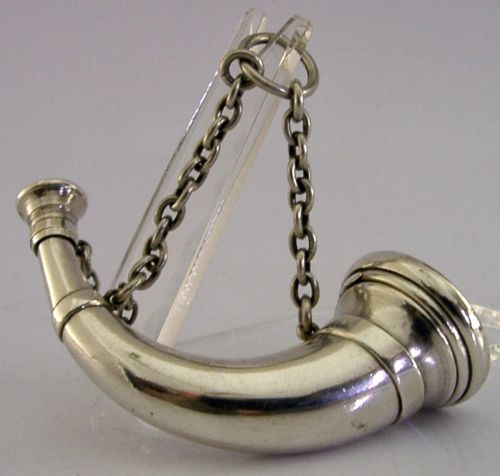
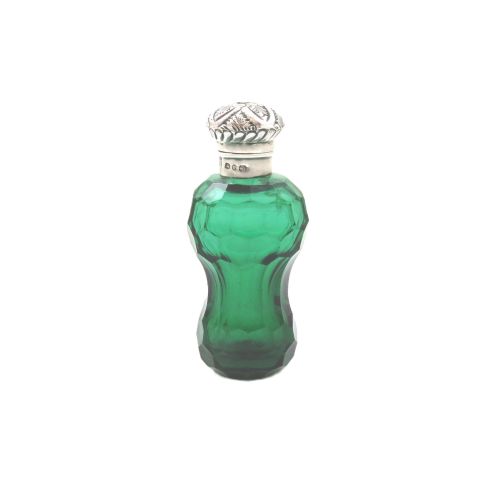
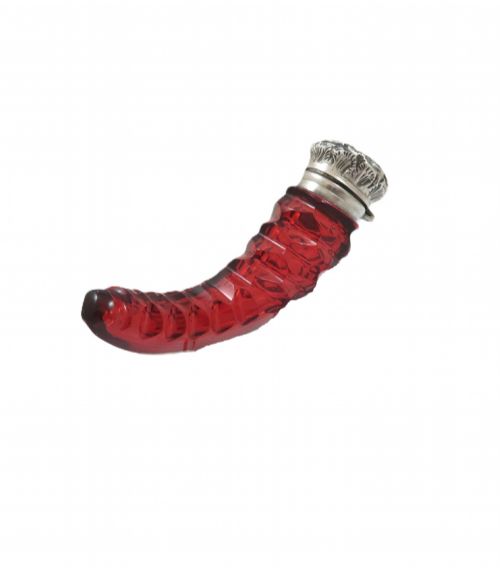
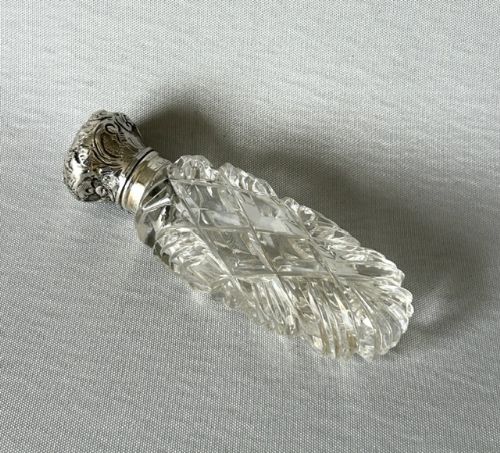
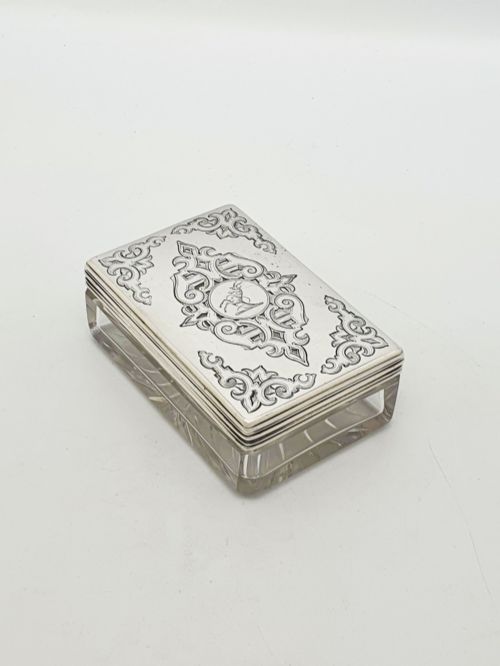
A victorian sterling silver bottle encompasses a range of personal and domestic vessels produced during the nineteenth century, most frequently appearing as small scent or perfume flasks designed for pocket or dressing table use. These pieces bridge utilitarian function and decorative art, often combining metalwork with coloured, opaline, or cut glass bodies.
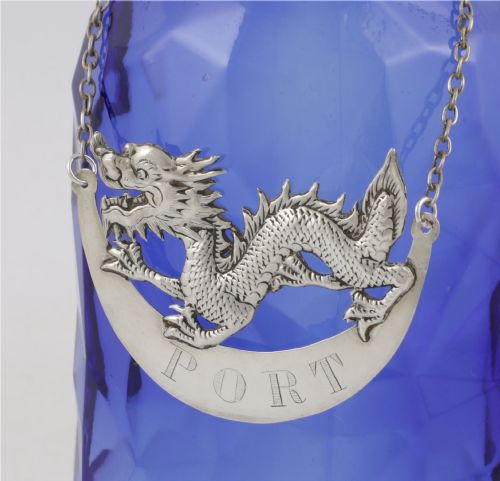
Beyond individual scent flasks, this category includes dining table accessories such as decanter labels, spirit flasks, cruet frames, and inkwells. The pieces date primarily from the mid to late nineteenth century into the early twentieth century, reflecting the rigorous domestic standards of the period.
How They Were Made
Makers combined solid sterling silver mounts, screw caps, and hinged lids with blown, moulded, or wheel-cut glass vessels. Coloured glass variants incorporate cranberry, ruby, green, and blue hues, sometimes featuring overlay techniques.
Silversmiths employed embossing, chasing, and engraving to decorate the metal components, often adding maker's marks and hallmarks indicating the assay office and year of production.
What Varies in Quality
Quality rests in the weight and thickness of the sterling silver mounts, the crispness of the chased or engraved ornamentation, and the integration between metal collars and glass bodies. Pieces by documented silversmiths command attention through superior finishing and structural integrity.
The glass component contributes significantly to the overall merit, where deep wheel-cutting, unblemished crystal, or rich coloured glass overlays distinguish standard utilitarian items from finer dressing table accessories.
Horton and Allday·Sampson Mordan·Edward Smith·Elkington and Co·Betjemann Brothers·John Grinsell·William Comyns
The Victorian Sterling Silver Bottle Glossary
- Sterling silver
- A silver alloy containing 92.5 percent pure silver and 7.5 percent other metals, usually copper, to increase durability. This standard metal appears across mounts, caps, and labels.
- Vinaigrette
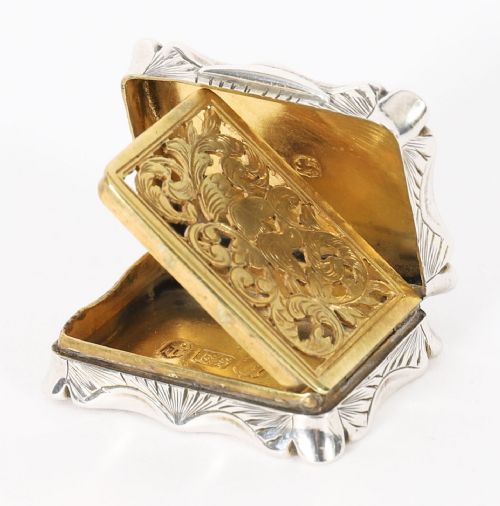
- A small ornamental hinged box or bottle containing a perforated grille, holding a sponge soaked in aromatic vinegar. These pieces were carried for medicinal or freshening purposes.
- Hallmark
- An official stamp applied by an assay office indicating metal purity, the maker or sponsor, and the year of manufacture. These marks allow precise dating of British silver.
- Cruet set
- A matched collection of bottles or jars mounted in a portable stand for holding condiments, oil, or vinegar at the dining table. Frames are typically fashioned from solid silver.
- Decanter label
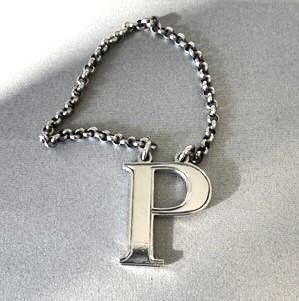
- A small metal tag suspended by a chain around the neck of a bottle to identify its contents. Common nineteenth-century examples name ports, sherries, and clarets.
Victorian Sterling Silver Bottle: Frequently Asked Questions
What were small silver bottles used for?
Nineteenth-century individuals carried small silver-mounted vessels for holding liquid perfumes, smelling salts, or aromatic vinegars. These portable containers prevented odours in crowded public spaces and served as dressing table essentials.
Domestic versions also functioned as spirit flasks, inkwells, or cruet bottles for the dining table. Each form served a distinct administrative or social requirement of the household.
How do I identify the date of a silver bottle?
British pieces typically feature a series of stamped hallmarks that record the assay office, the standard of metal, and a date letter corresponding to the exact year of production. Additional clues emerge from the style of the glass cutting and the silhouette of the silver mounts.
Comparing the maker's mark against registered silversmith records narrows the origin further. Stylistic shifts between early mid-century designs and later Victorian output provide visual confirmation.
How should I clean antique silver mounts?
Silver mounts require gentle maintenance using a non-abrasive cloth and traditional silver polish applied sparingly to avoid touching the glass or fabric elements. Regular dusting prevents tarnish accumulation without wearing away the underlying chased details.
Harsh chemical dips must be avoided, as they strip the natural patina and can damage vulnerable glass bodies or interior cork stoppers. Proper storage in dry conditions minimises future oxidation.