
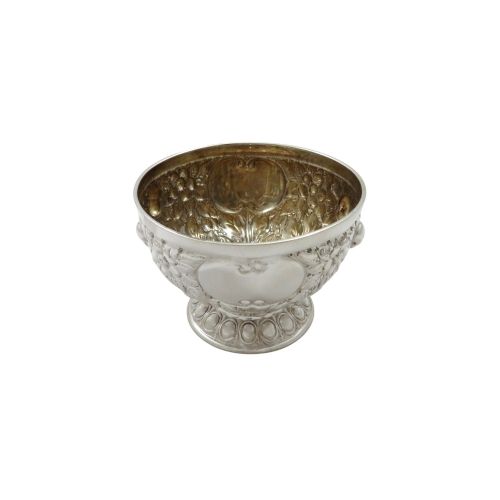
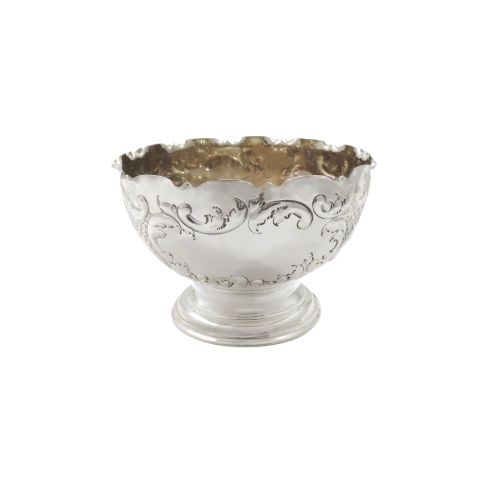
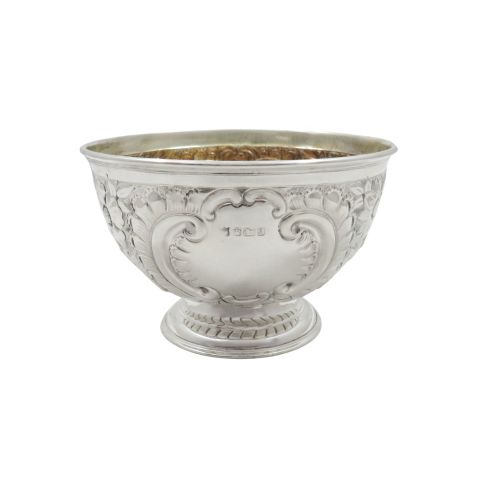
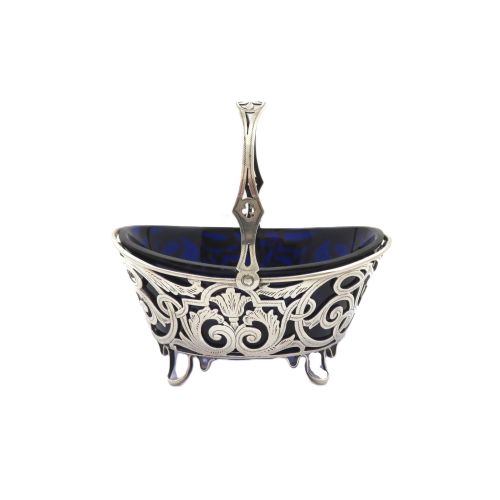
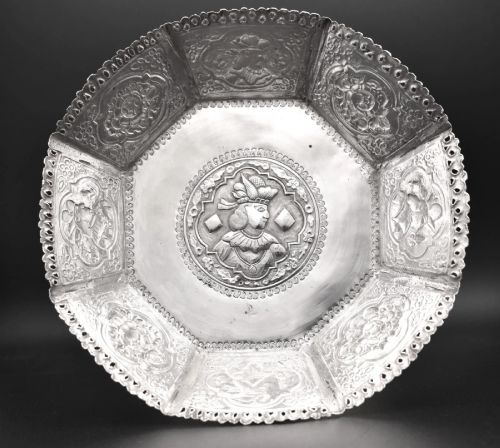


Victorian Sterling Centrepiece
A victorian sterling centrepiece anchors a grand dining table with silver work, glass liners, and sculptural presence.
Victorian Sterling Centrepiece
The objects span from footed presentation bowls and pierced fruit baskets to candelabra and wine coolers, reflecting the diverse dining rituals of the era. Buyers most frequently encounter sterling silver bowls and baskets decorated with repoussé work or pierced detailing dating from the late nineteenth century.
How They Were Made
Silversmiths utilised solid sterling silver and silver gilt, shaping the heavy metal through hammering, casting, and piercing. Many vessels incorporate contrasting elements such as cobalt glass, ruby glass, and ebonised wood to add colour and texture to the metallic framework.
Makers applied intricate repoussé and embossed detailing by hand, pushing the silver from the reverse to create raised floral, bird, and scroll motifs. Pierced designs were carefully sawn out of solid silver sheets to achieve lightweight yet expansive decorative forms.
Current listings feature sterling silver, silver gilt, cobalt glass, and ruby glass across bowls, baskets, candelabra, and wine coolers.
What Varies in Quality
The distinction between standard items and exceptional pieces rests upon the depth and crispness of the hand-chased repoussé work and the complexity of pierced patterns. Master silversmiths achieved sharper relief and more balanced proportions in their floral and figural decorations.
Weight and structural integrity also separate fine examples, as superior centerpieces utilise heavier gauges of solid silver that support large glass liners and branching candelabra arms without distortion.
William Comyns·James Deakin And Sons·Martin Hall·Elkington And Co·Edward H Stockwell·Josiah Williams And Co·George Fox
The Victorian Sterling Centrepiece Glossary
- Repoussé
- A metalworking technique where the silversmith hammers and punches the design from the reverse side to form raised relief patterns on the surface.
- Tazza
- A shallow ornamental bowl or cup mounted on a stem and foot, frequently utilised for serving fruit or sweets.
- Epergne
- A large table centrepiece featuring a central bowl with multiple branching arms and hanging baskets for fruit, sweetmeats, or flowers.
- Silver Gilt
- Sterling silver that has been coated with a thin layer of gold on its surface, creating a rich two-tone decorative effect.
- Pierced
- A method where metal is cut through to create openwork lattice designs and geometric patterns around the body of a bowl or basket.
Victorian Sterling Centrepiece: Frequently Asked Questions
What is a victorian sterling centrepiece used for?
These large vessels were traditionally placed in the middle of formal dining tables to display fruit, flowers, or sweetmeats during dinner parties. They served as ornamental centrepieces that demonstrated the host's wealth and taste.
Many designs included removable glass liners or branching arms to hold candles, combining decorative display with practical dining functions.
How do I clean a silver centrepiece?
Sterling silver requires gentle cleaning with a specialised silver cloth or mild polish to remove tarnish without harming delicate repoussé details. Avoid abrasive cleaners that can wear away thin areas of silver or damage applied gilt.
Glass liners should be removed and washed separately in warm soapy water before being dried and placed back into the silver frame.
Can I use my centrepiece for fresh flowers?
Centrepieces equipped with glass liners or original bowls are well suited for holding floral arrangements and water safely. The glass protects the sterling silver from prolonged exposure to moisture and plant acids.
Baskets and pierced dishes without liners are better suited for dry fruit, potpourri, or decorative display rather than wet arrangements.
How do I date a silver piece?
English silver carries hallmarks stamped directly into the metal, including city marks, date letters, and the lion passant indicating sterling standard. These marks allow collectors to trace the exact year of manufacture and the assay office where the piece was tested.