


Chased Silver Centrepiece
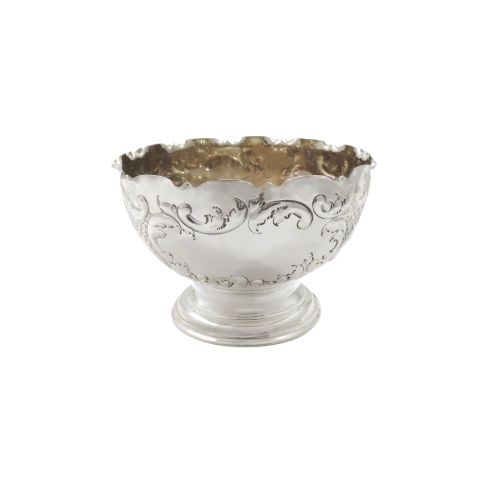
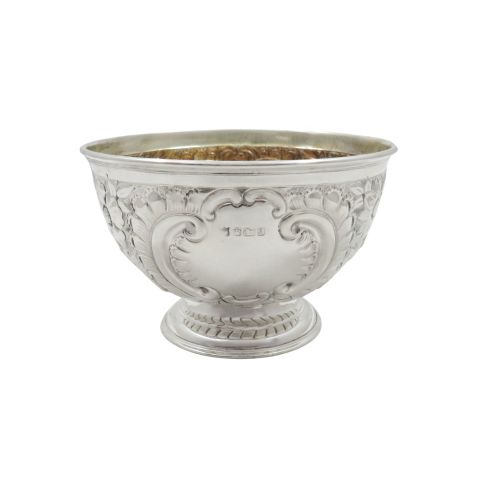
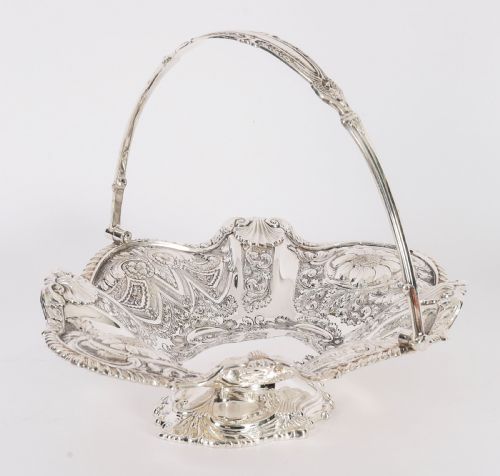
A chased silver centrepiece commands the dining table, holding fruit or standing as a sculptural display.
Chased Silver Centrepiece
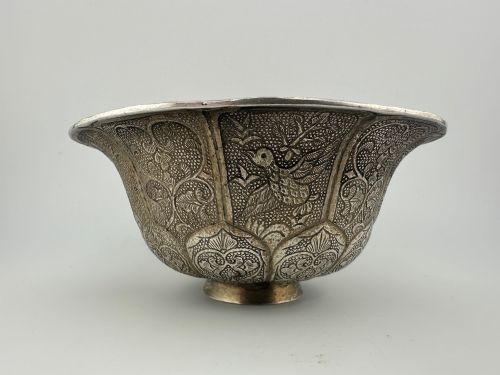
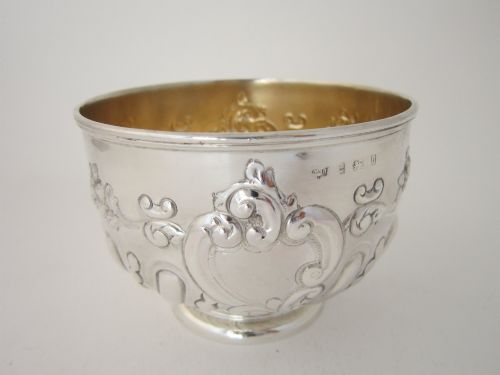
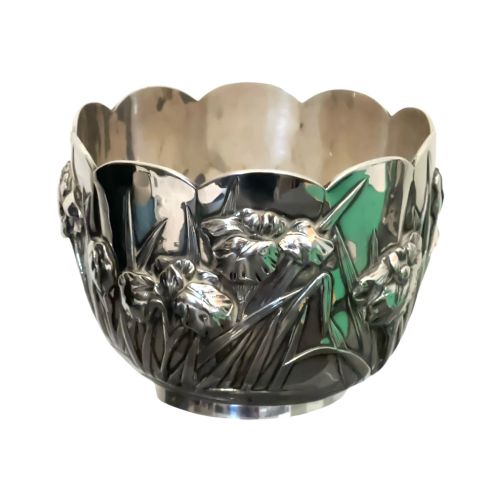
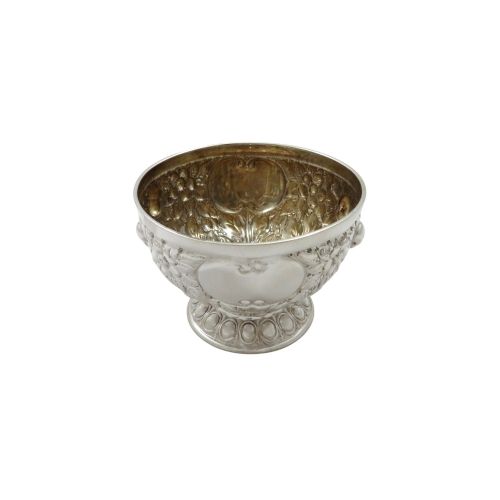
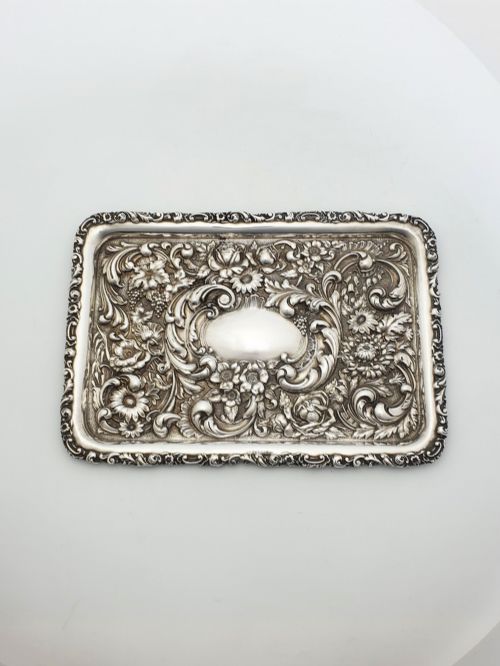
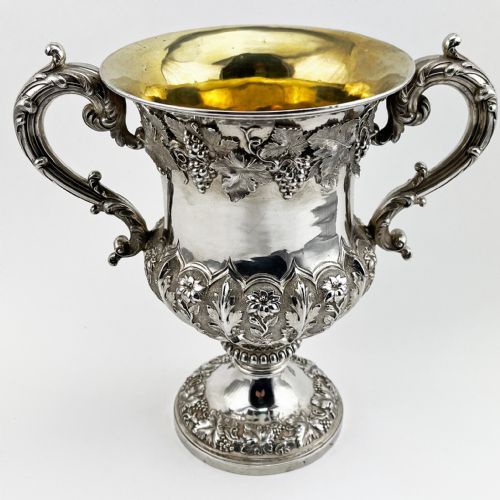
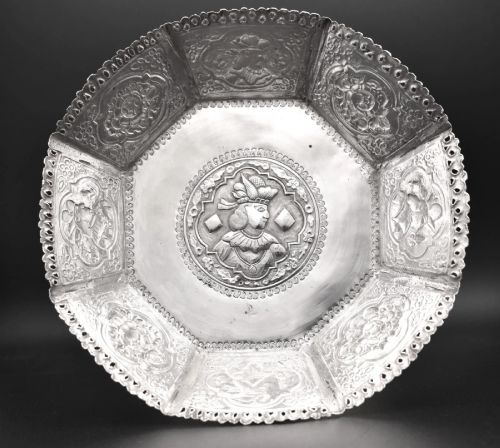
A chased silver centrepiece serves as a striking focal point for a table, encompassing large bowls, fruit baskets, comports, and impressive trophies. The examples found here span the Georgian, Victorian, and Edwardian eras alongside distinct regional styles such as Chinese Export, Anglo-Indian, and Meiji period works.
Buyers will encounter various forms, ranging from pedestaled presentation bowls and deep fruit baskets to sculptural table ornaments and wine coolers. Sterling silver and solid silver pieces appear alongside silver plate and white metal variations, reflecting both domestic British workshops and international craftsmanship from the nineteenth and early twentieth centuries.
How they were made
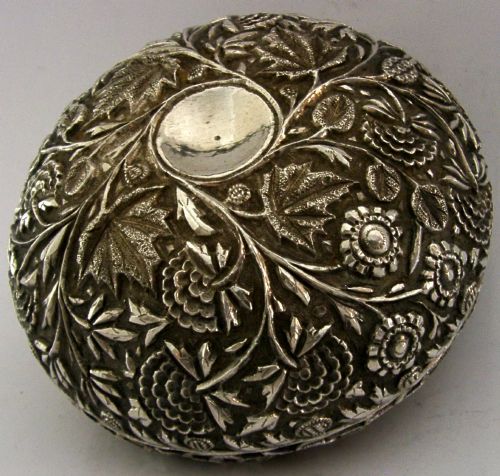
Silversmiths utilised sterling silver, solid silver, and silver plate over copper or base metals, shaping the metal through hammering, casting, and spinning. Repoussé and chasing techniques allowed artisans to push and punch the metal from both sides, creating deeply textured floral, bird, and figural reliefs.
Many items incorporate pedestals, pierced galleries, and applied rims, while others utilise silver gilt or vermeil finishes to add colour contrast. Specialised makers employed electroplated nickel silver and silver on copper methods for durable, substantial presentation pieces.
Standing fighting cockerels and grouse game birds bring an unexpected menagerie to the formal silver dining table.
What varies in quality
The depth and crispness of the hand-chased and repoussé decoration determine the artistic merit of a piece, separating flat, mechanical stampings from deeply articulated floral and figural scenes. Superior examples display meticulous hand-detailing across every surface, including the undersides and interior bowls.
Substantial metal weight and balanced proportions on pedestals or feet indicate higher manufacturing standards. Maker marks, clear hallmarks, and the integrity of applied rims or handles further distinguish exceptional table ornaments from standard production items.
George W. Scott & Sons Ltd·Barker Ellis·James Deakin & Sons Sheffield·Elkington & Co·The Alexander Clark
The Chased Silver Centrepiece Glossary
- Chasing
- The technique of hammering metal from the front to sink the surface and sharpen relief details initiated by repoussé work. This process refines floral, bird, and figural motifs on bowls and trays.
- Repoussé
- A method of shaping metal by hammering it from the reverse side to create a raised design in relief. It forms the basis of the heavily textured ornamentation seen on nineteenth-century vessels.
- Sterling silver
- An alloy containing a high proportion of pure silver combined with other metals to increase durability. British items typically bear standard hallmarks confirming this composition.
- Silver gilt
- Silver objects coated with a thin layer of gold on the surface, sometimes referred to as vermeil. This treatment provides a rich two-tone appearance inside bowls and presentation cups.
- Comport
- A decorative stand or elevated dish used for serving fruit or sweets in the centre of a table. These pieces often feature pedestal feet and elaborate chased rims.
Chased Silver Centrepiece: Frequently Asked Questions
How do I care for chased silver?
Maintenance requires gentle cleaning with appropriate silver polish and a soft cloth to avoid flattening the delicate repoussé and chased details. Harsh abrasives will wear away thin silver plate and damage antique finishes.
Store pieces in dry environments away from direct sunlight and atmospheric pollutants to prevent excessive tarnishing of the metal.
How can I tell Victorian pieces apart?
Victorian items frequently display hallmarks, date letters, and maker stamps that allow exact dating to the nineteenth century. Stylistic markers such as heavy floral repoussé and Rococo Revival curves also point to this prolific manufacturing era.
Comparing the construction methods and weight against known nineteenth-century standards helps distinguish them from later Edwardian or twentieth-century reproductions.
What is the difference between sterling and plate?
Sterling silver consists of a solid, regulated silver alloy throughout the entire object, marked by official assay office hallmarks. Silver plate involves a thin layer of silver bonded to a base metal such as copper or nickel silver.
Solid silver pieces carry intrinsic metal value and heavier weight, whereas plated items offer the aesthetic of silver through alternative manufacturing techniques.