


Victorian Sterling Card Holder
These Victorian sterling card holder items are pocket-sized silver objects designed for social calling, most frequently seen here in nineteenth-century designs.
Victorian Sterling Card Holder
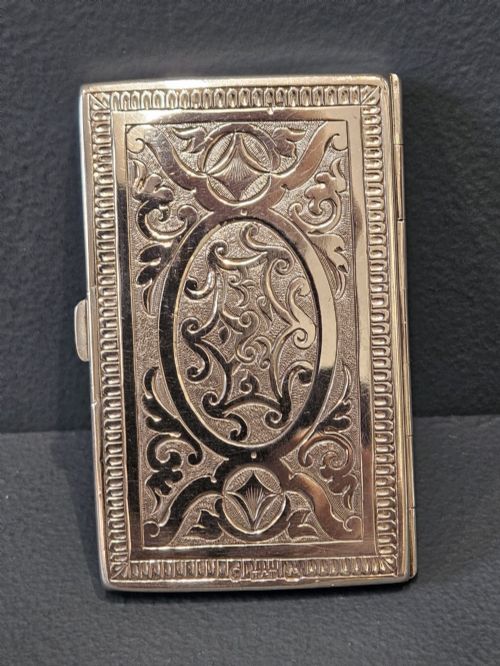
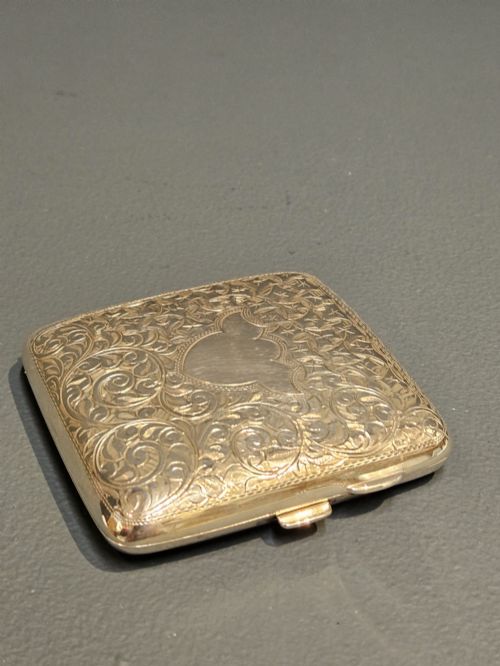
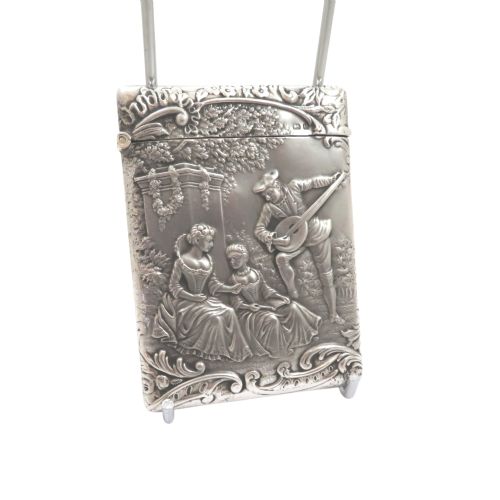
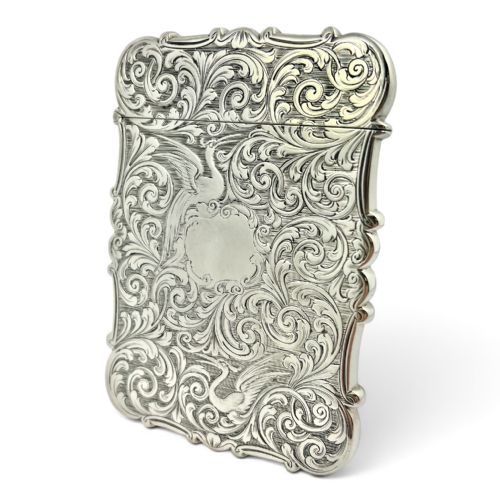
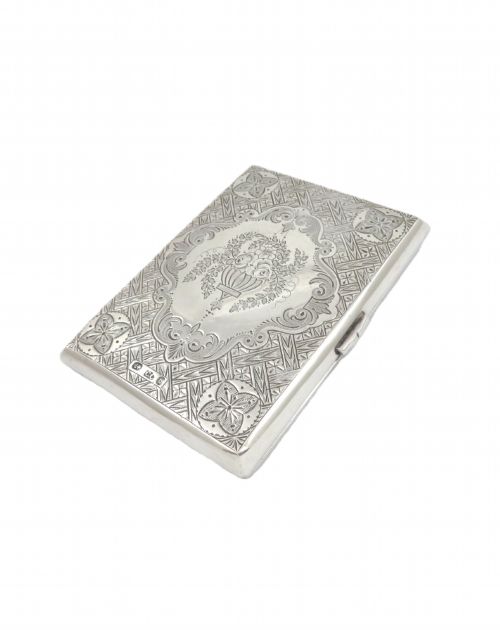
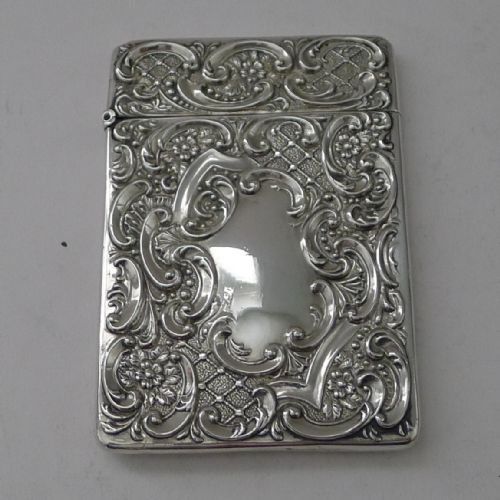
A victorian sterling card holder appears primarily in the form of visiting card cases, calling card cases, and playing card cases alongside smaller numbers of menu holders and silver purses. These pieces span the nineteenth and early twentieth centuries, encompassing Victorian and Edwardian periods.
The objects take the form of flat rectangular cases or small decorative holders. Many examples originate from Birmingham and London workshops, reflecting standard manufacturing centres of the era.
Silver and Assembly
Makers construct these pieces from sterling silver, occasionally incorporating materials such as enamel, Connemara marble, glass, silk, velvet, and leatherette to line or accent the interiors. The metal forms rigid protective enclosures designed to prevent cards from bending.
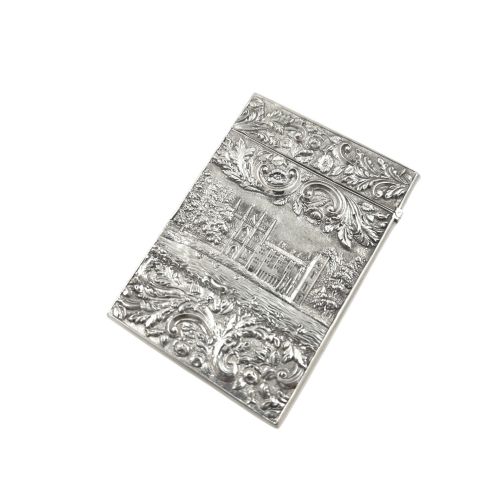
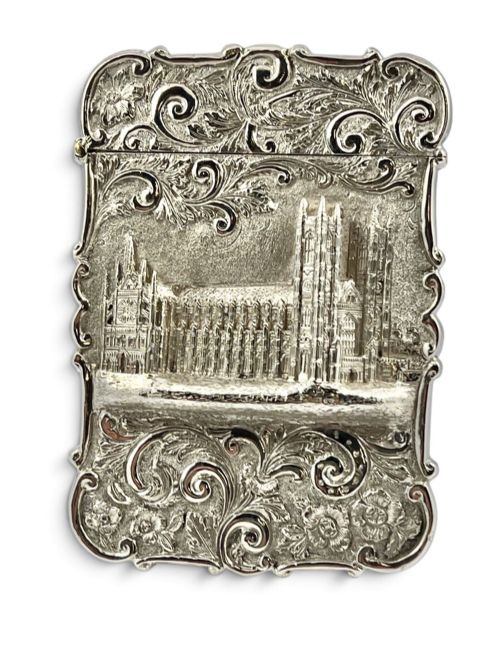
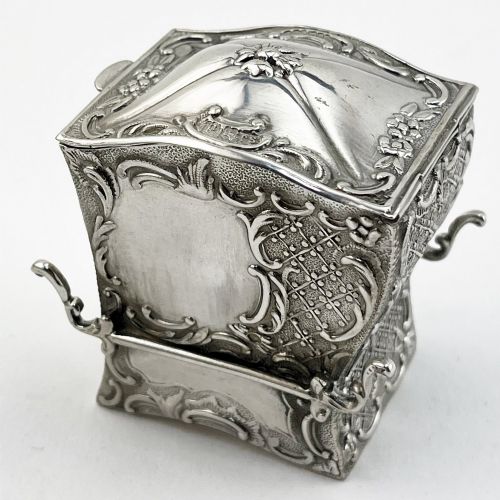
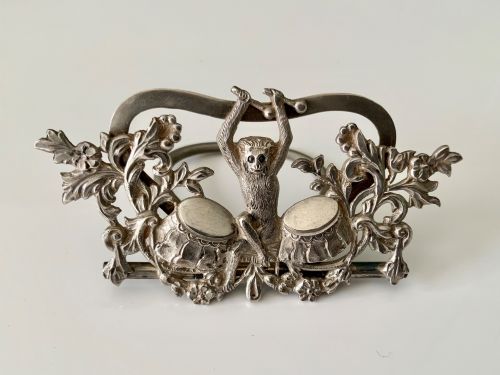
Techniques include deep surface engraving, casting for figural novelty items like animals or architectural landmarks, and hinged assembly. Cases often feature secure clasps and fitted internal compartments.
Victorian Sterling Card Holder Retail Price Guide 2026
Typical asking prices for victorian sterling card holder among the pieces listed under this phrase on Sellingantiques today, from the lower quarter to the upper quarter. They describe what is for sale here now, not the wider market.
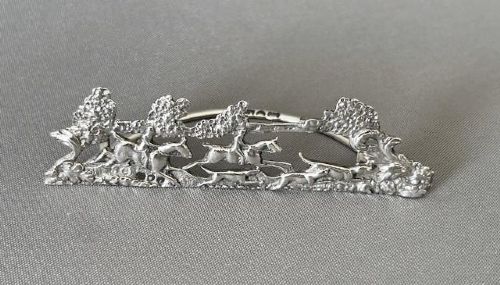
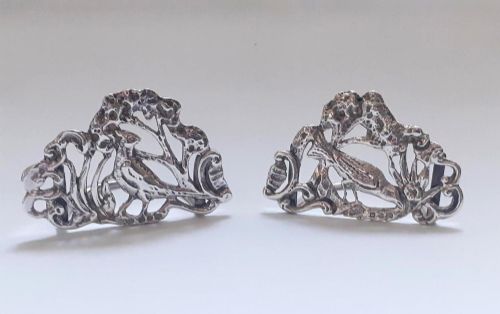
The selection spans from early Victorian pieces through Edwardian novelty menu holders shaped like monkeys and owls.
Design and Detail
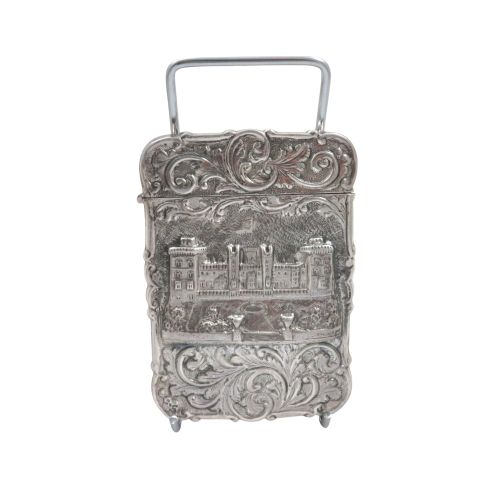
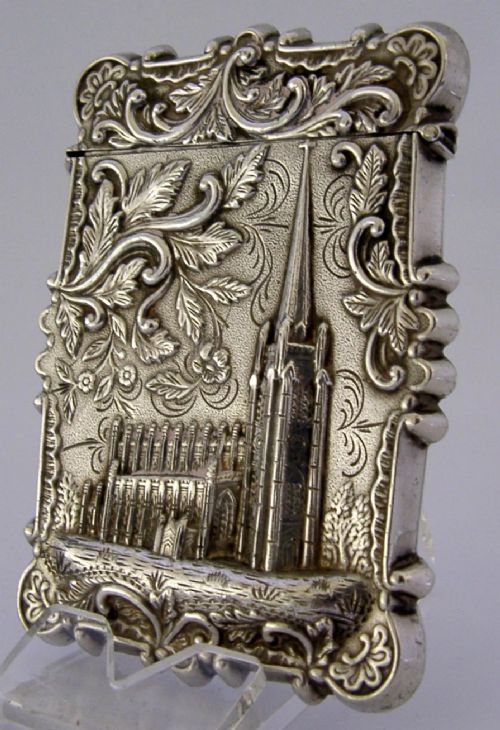
Quality rests on the depth and crispness of the chased or engraved ornament, particularly on castle top pieces depicting specific buildings. High-calibre work shows precise architectural detailing or finely modelled figural subjects rather than flat, machine-stamped decoration.
Maker marks and clear hallmarks contribute significantly to the standing of a piece, alongside the complexity of the opening mechanism and the inclusion of original internal linings.
Nathaniel Mills·George Unite·Wright and Davies·Sampson Mordan·Foxall and Co
The Victorian Sterling Card Holder Glossary
- Castle Top
- A style of card case featuring a high-relief architectural engraving of a famous building on one or both sides. These buildings frequently include landmarks such as Windsor Castle or St Paul's Cathedral.
- Visiting Card
- A small paper card used in nineteenth-century etiquette to announce a social call. Cases were specifically sized to hold these delicate cards.
- Hallmark
- An official stamp applied to silver items indicating the metal standard, assay office, and year of manufacture. Birmingham and London marks appear regularly on these pieces.
- Aide Memoire
- A small notebook or card case combined with tablets for writing notes in pencil. These incorporate functional compartments for daily records.
- Menu Holder
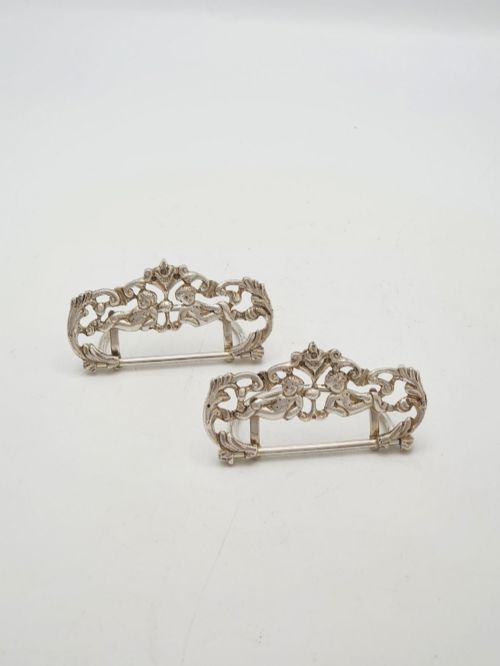
- A small weighted stand placed on dining tables to display the meal selection. Edwardian examples often take novelty forms such as animals or characters.
Victorian Sterling Card Holder: Frequently Asked Questions
How were calling card cases used?
Victorians carried them during social visits to leave stiff paper cards when hosts were not at home.
The rigid silver protected the paper cards from folding or damage in pockets and reticules.
Are Edwardian menu holders different?
Edwardian menu holders are generally smaller stands meant for the dining table rather than the pocket.
They frequently employ playful novelty subjects like animals or literary characters rather than strict architectural scenes.
How do I identify the date of a piece?
Assay office hallmarks stamped directly onto the silver provide the specific year letter and location of manufacture.
Stylistic shifts between early Victorian flat engraving and later Edwardian novelty forms also signal the period.