


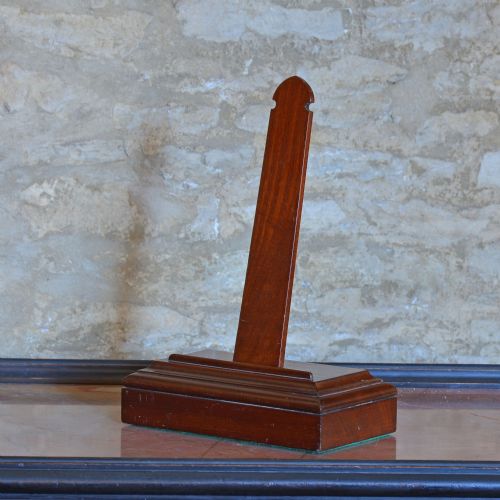
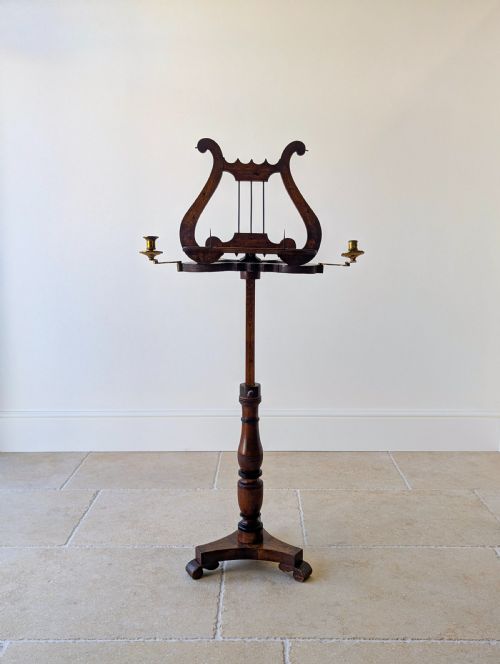

Victorian Standing Easel
These Victorian standing easel pieces offer sturdy timber frames and adjustable mechanisms designed to display art or hold books in nineteenth-century interiors.
Victorian Standing Easel
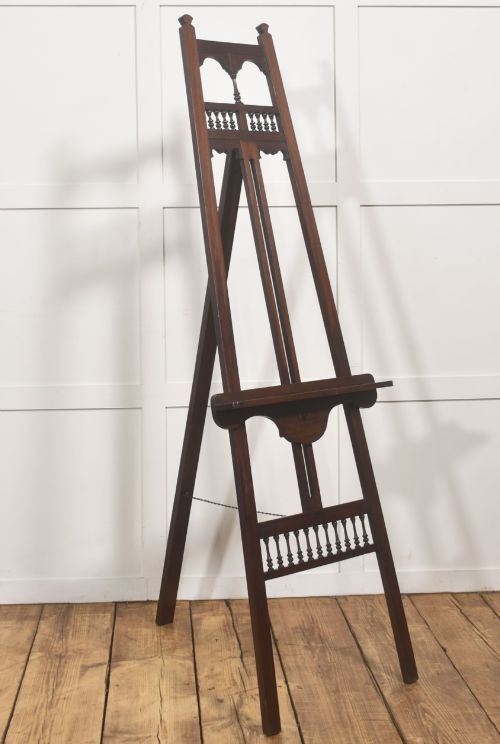
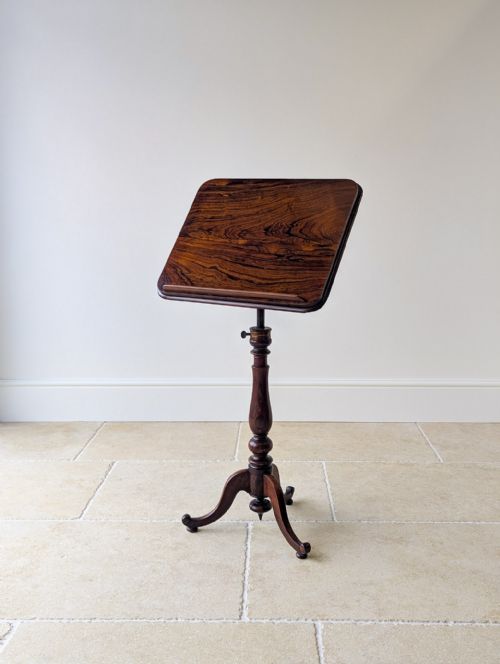
When you search for a victorian standing easel, you are looking at tall, adjustable supports built to hold canvases, folios, or display panels in the nineteenth century. The examples met on this page span the Victorian and Edwardian periods, stretching from robust oak artist studio models to more decorative exhibition stands.
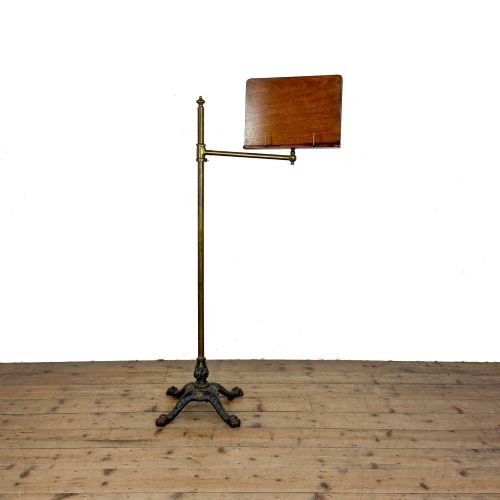
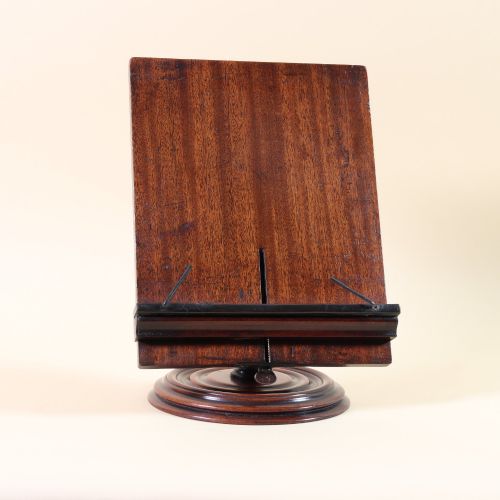
Makers of the era designed these pieces for practical use in painting studios or domestic drawing rooms, incorporating adjustable heights and swivelling ledges. Alongside standard studio frames, the selection includes related library and display items such as music stands, reading stands, and folio stands.
Materials range from heavy oak and mahogany to lighter metal and brass frameworks, reflecting both utilitarian workshop requirements and ornate drawing-room tastes. The geographic origins stretch across British, French, and Italian workshops, showing diverse regional approaches to joinery and metalwork.
Materials and construction methods
Cabinet makers utilised dense hardwoods like mahogany, walnut, and oak to build frames capable of supporting heavy canvases and volumes without buckling. Joinery relies on traditional pegged mortise and tenon joints, ensuring stability across fully adjustable uprights and sliding brackets.
Metal components, including brass, cast iron, and gilt bronze, appear in winding mechanisms, hinges, and decorative mounts. These functional metal parts were often cast and hand-finished, pairing industrial durability with decorative chasing or plating.
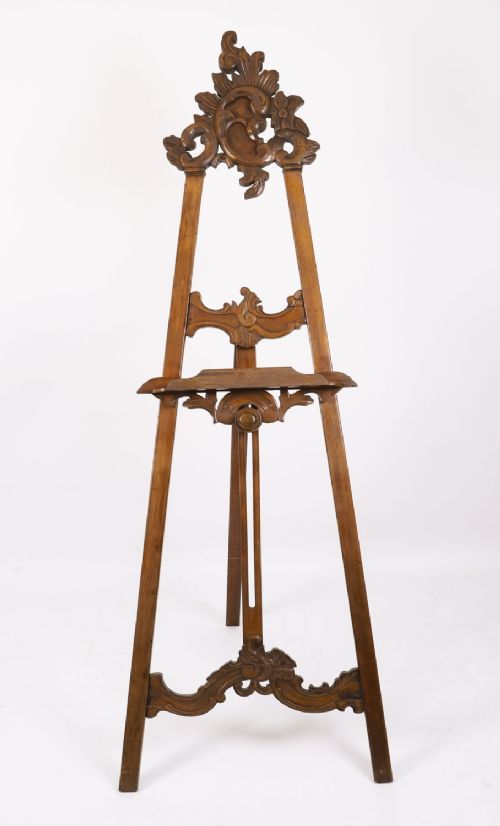
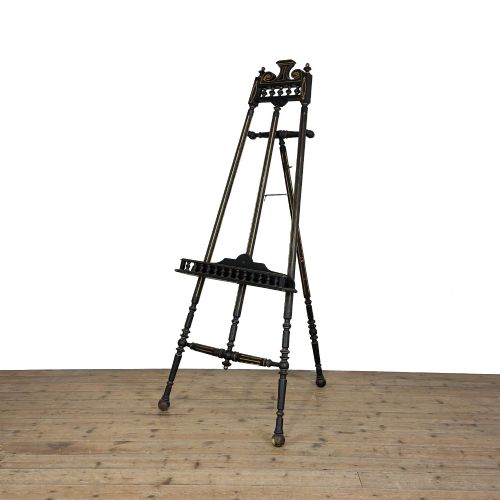
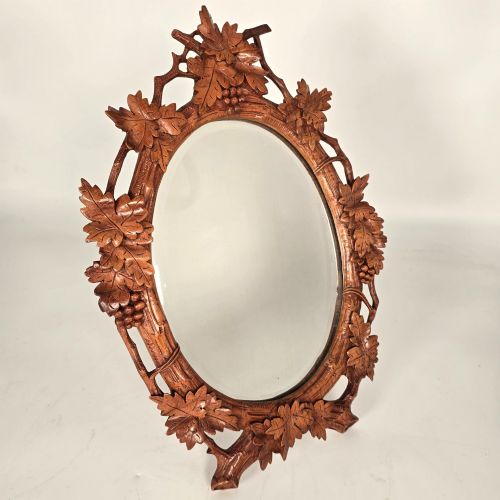
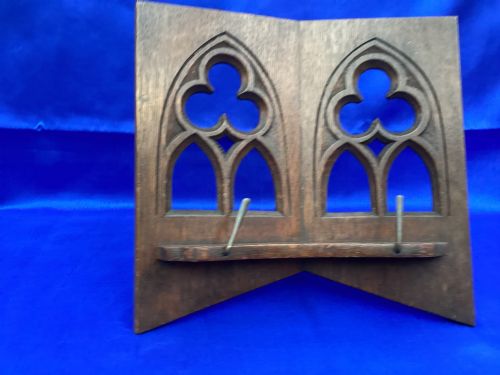
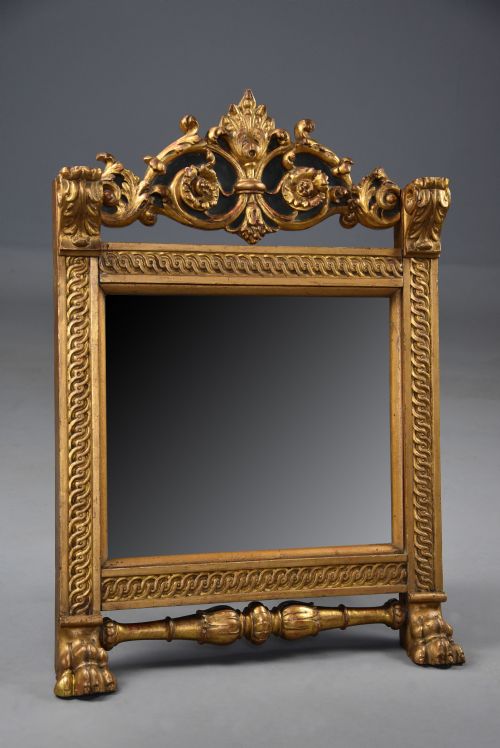
Carved ornament on wood elements draws on Gothic Revival, Renaissance, and Black Forest styles, executed with hand-chiselled details. Gilded surfaces and ebonised finishes complete many of the finer display pieces, masking secondary timbers and providing a uniform visual weight.
Victorian Standing Easel Retail Price Guide 2026
Typical asking prices for victorian standing easel among the pieces listed under this phrase on Sellingantiques today, from the lower quarter to the upper quarter. They describe what is for sale here now, not the wider market.
Listings feature oak, mahogany, walnut, and cast iron formed into studios stands, reading desks, and picture frames.
Distinctions in construction and design
The sophistication of the mechanical adjustment mechanisms sets simpler display stands apart from fully articulated studio models. Superior pieces utilise smoothly operating brass screws, ratchets, and counterweights that hold heavy loads securely at any angle.
Carving depth and timber selection define the upper tier of the range, distinguishing hand-carved solid oak or walnut from plain secondary woods. Subtle decorative choices, such as integrated brass mounts, finely turned spindles, and well-executed joinery, elevate utilitarian studio items into refined drawing-room furnishings.
Carters Of London·Benjamin Taylor And Sons·Windsor And Newton·Syner And Beddoes
The Victorian Standing Easel Glossary
- Folio stand
- A low-framed piece designed to hold large books, prints, or portfolios flat or at a slight slant.
- Gilt bronze
- An alloy of copper and zinc treated with a gold coating, frequently used for decorative mounts and frames.
- Champlevé
- An enamelling technique where troughs are dug into a metal surface and filled with vitreous paste before firing.
- Black Forest
- A nineteenth-century Swiss or German style characterised by deeply carved naturalistic motifs in limewood.
- Aesthetic Movement
- A late nineteenth-century design style focusing on art for art's sake and incorporating Japanese motifs.
Victorian Standing Easel: Frequently Asked Questions
What is a studio easel?
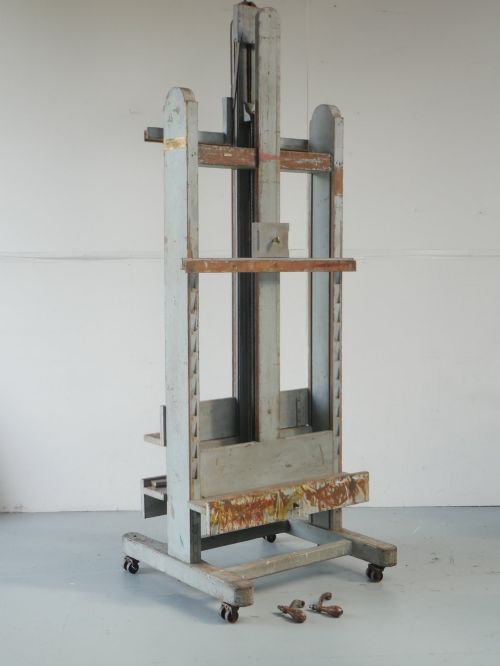
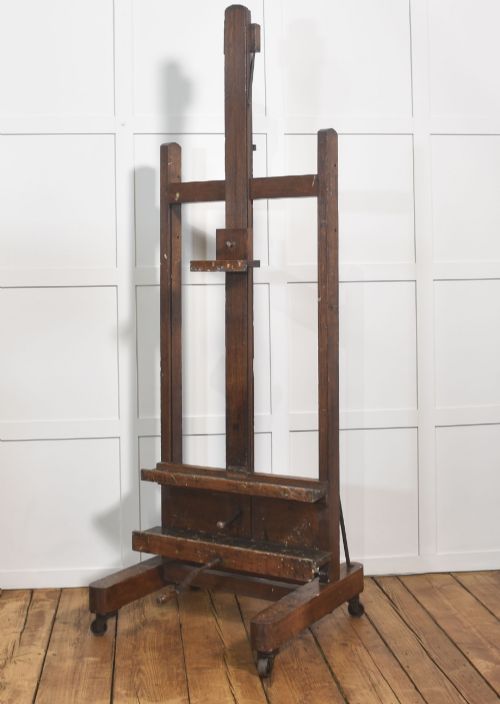
A studio easel is a large, heavy-duty wooden stand built for artists to support canvases while painting in a workshop. These pieces typically feature heavy timber uprights and mechanical cranks to adjust the height of the work.
Unlike smaller tabletop or display models, studio examples prioritise structural stability over ornate decoration, though many retain fine cabinet-maker details from the nineteenth century.
How do I adjust the height?
Adjustment relies on sliding brackets, wooden pegs, or metal winding handles attached to a central ratchet track. Turning the handle or moving the peg shifts the central painting ledge up or down the main upright.
Original mechanisms should move smoothly along their tracks without excessive binding, though older wooden threads may require careful handling during adjustment.
Can these hold heavy modern art?
These robust timber frames easily support heavy contemporary canvases, framed photographs, or large books. Their original purpose required carrying substantial oil paintings and thick artist boards.
Checking the condition of the base castors and the sliding brackets ensures the piece remains stable when bearing significant weight.
Where were these pieces used?
They served in professional artist studios, domestic drawing rooms, and libraries across Britain and continental Europe. Studio spaces required heavy, mobile stands, while parlours used lighter brass or carved wooden variants for displaying photographs and folios.
Their versatility allowed them to function equally well as practical work tools and decorative furniture.