
Victorian Spirit Decanters
Victorian spirit decanters combine heavy glass vessels with secure locking frames to hold household spirits safely.
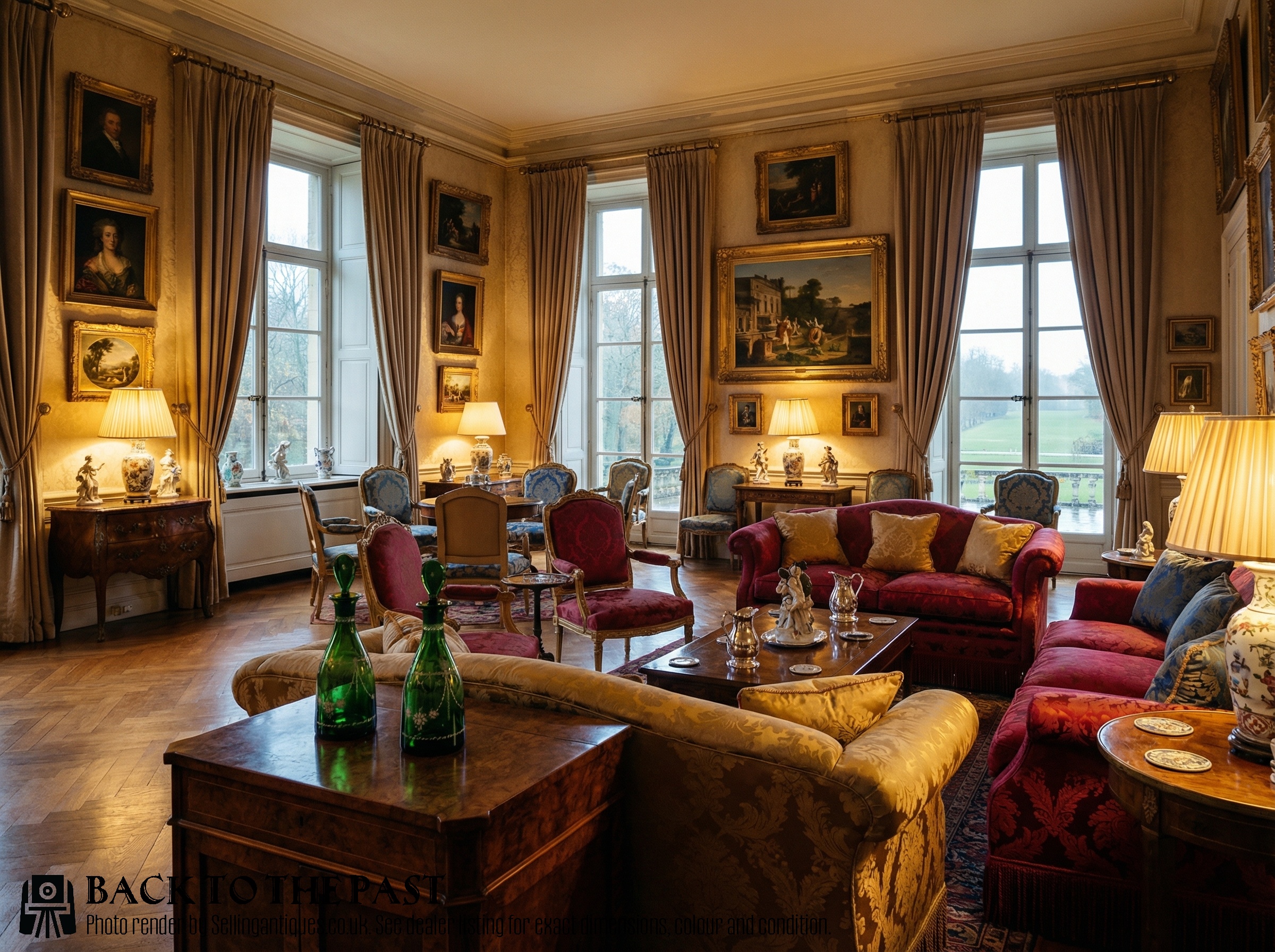
Victorian Spirit Decanters
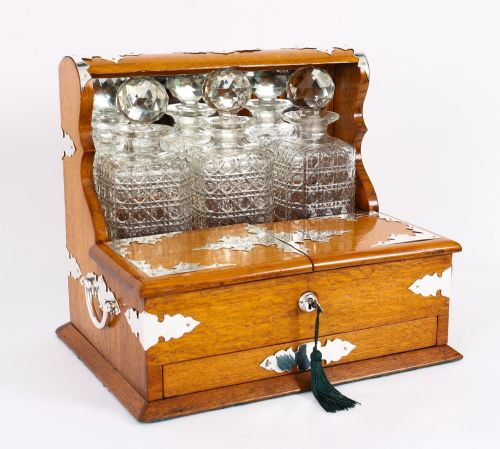
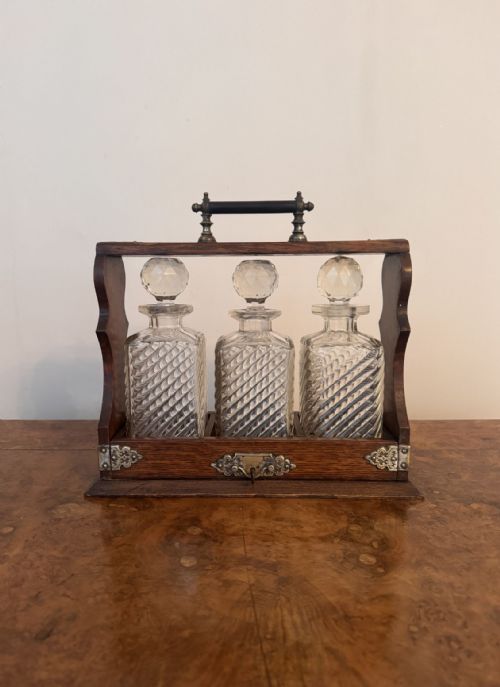
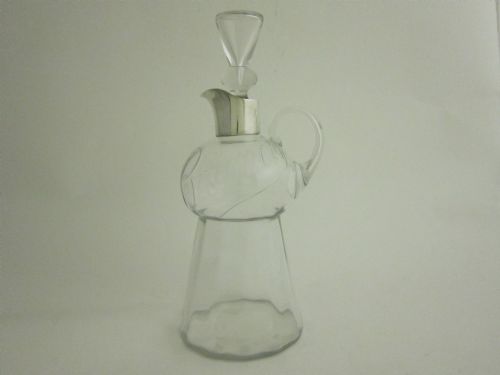
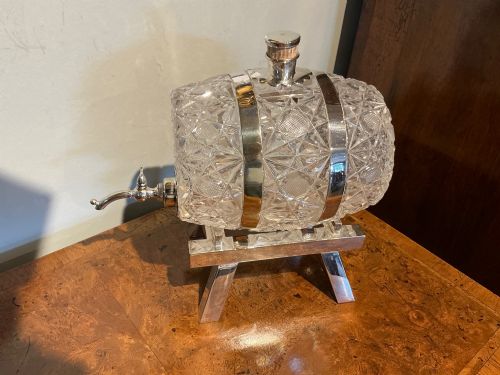
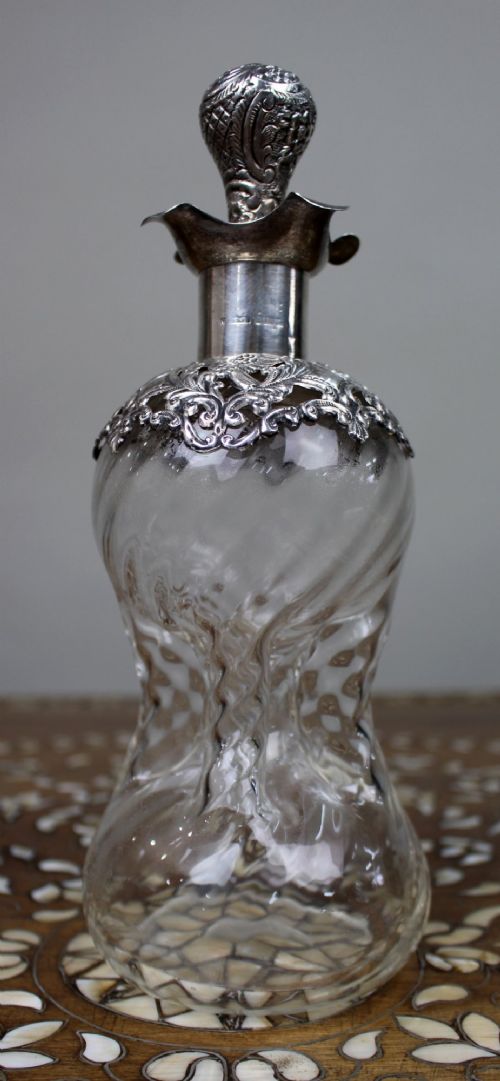
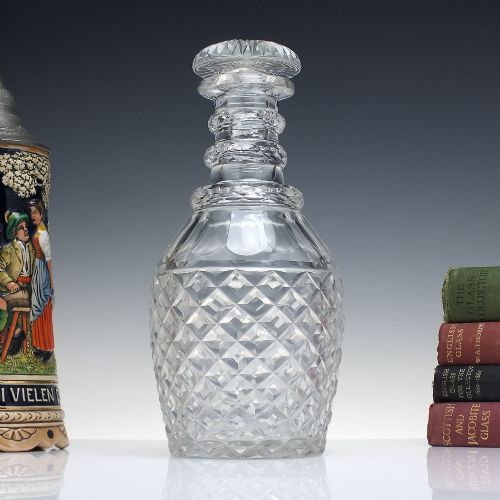
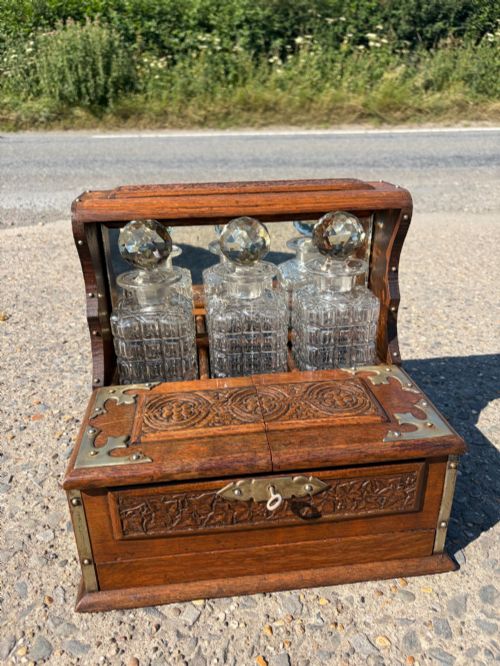
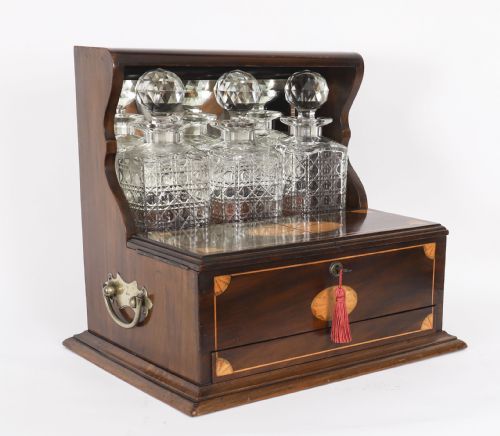
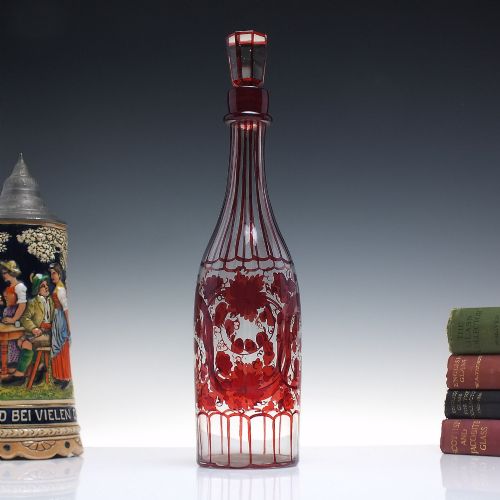
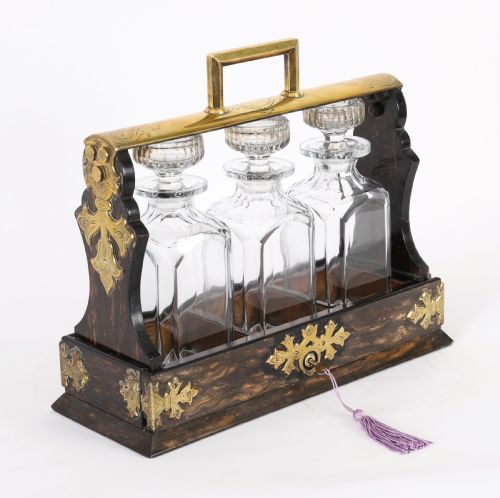
Victorian spirit decanters encompass freestanding glass bottles and fitted locking frames designed to hold liquors securely. The common examples on this page are cut crystal bottles housed in oak or mahogany tantalus frames fitted with brass mounts.
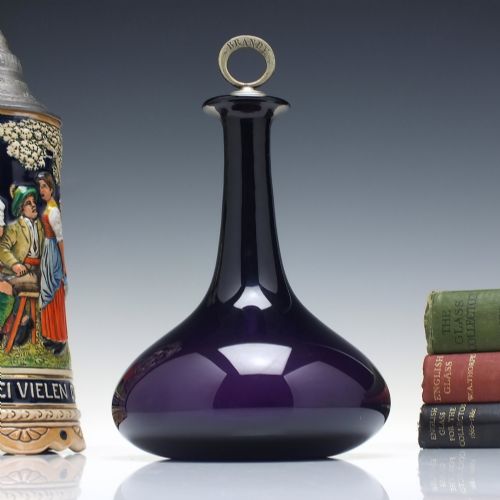
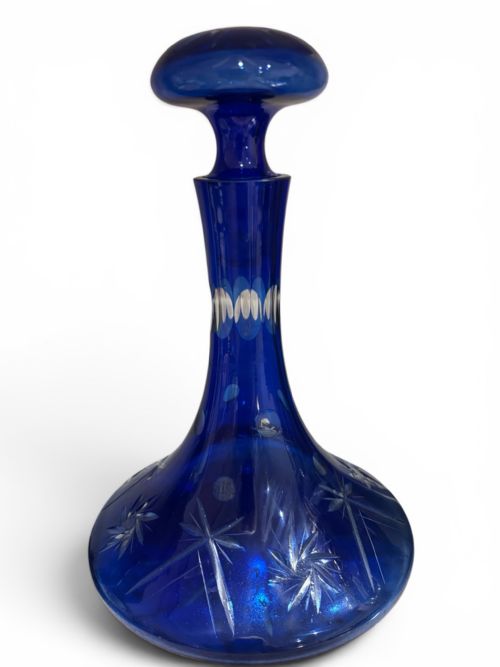
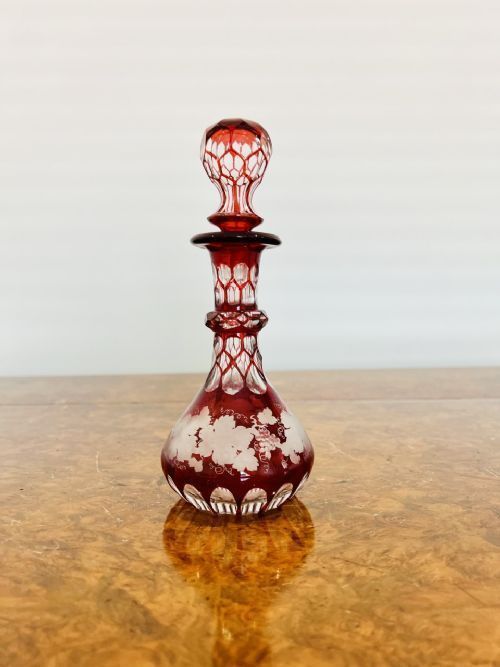
The material record shows production ranging from plain lead glass to coloured ruby, emerald, and amethyst glass. Makers also housed these vessels inside leather cases or paired them with games compendiums for entertaining.
How they were made
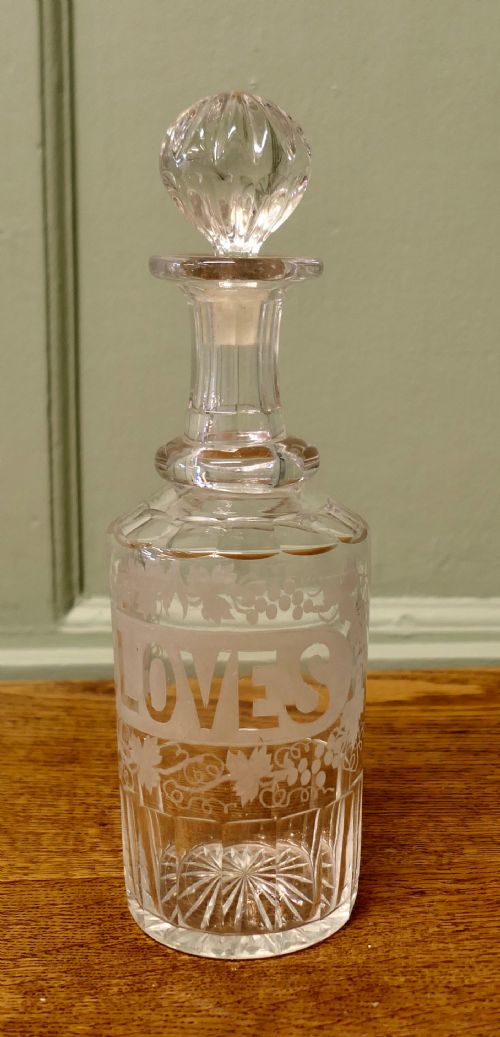
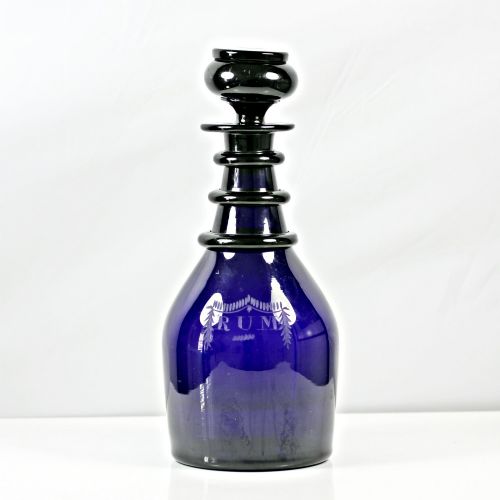
Makers utilised heavy lead crystal and coloured glass, shaping them through cutting, etching, enamelling, and hand painting. Vessels often feature applied rings around the neck to ensure a firm grip when pouring.
Wooden frames, particularly in blonde oak, satin wood, and coromandel, incorporate cast brass locking mechanisms and silver plated details. These housing units required precise carpentry to secure multiple cut glass bottles simultaneously.
Victorian Spirit Decanters Retail Price Guide 2026
Typical asking prices for victorian spirit decanters among the pieces listed under this phrase on Sellingantiques today, from the lower quarter to the upper quarter. They describe what is for sale here now, not the wider market.
Some nineteenth-century spirit holders arrived tucked inside leather cases alongside four matching silver top flasks.
What varies in quality
Quality rests in the depth of the glass cutting and the clarity of the crystal material. Superior examples display crisp faceting and substantial weight.
The joinery of the wooden housing and the weight of the brass mounts separate standard items from finer pieces. Fitted accessories such as games compendiums and matched stoppers elevate the execution.
The Victorian Spirit Decanters Glossary
- Tantalus
- A locking wooden cabinet or stand that holds decanters securely while leaving their contents visible. The mechanism prevents guests from pouring drinks without a key.
- Compendium
- A fitted box containing multiple pastimes alongside beverage storage. These combination pieces house games equipment alongside cut crystal bottles.
- Mell
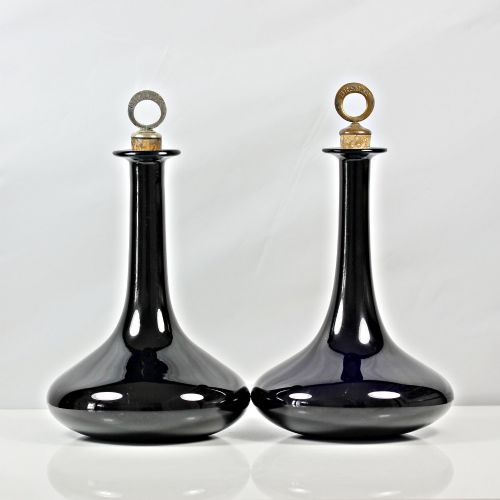
- A bulbous decanter shape with a rounded body and a tapering neck. This form appears in coloured glass varieties.
- Silver Plate
- A thin layer of silver fused to a base metal foundation. This coating provides the appearance of solid silver on mounts and handle hardware.
- Nailsea Type
- Glasswork characterised by looped or splashed coloured trailing within the clear metal. This technique originates from the nineteenth-century Nailsea glassworks.
Victorian Spirit Decanters: Frequently Asked Questions
What is a tantalus?
A tantalus is a locking wooden frame that holds decanters in place with a security bar. It prevents unauthorized access to the liquor bottles inside.
The name derives from the mythological figure Tantalus, because the bottles remain visible yet out of reach.
How do I date a decanter?
Dating relies on glass manufacturing techniques, pontil marks, stopper styles, and associated wooden cabinetry. Marked silver mounts provide precise hallmarked years.
Style shifts from early coloured glass forms to later heavy cut crystal provide broader chronological markers.
Are stoppers original?
Determining original stoppers involves checking the fit, glass colour, and wear patterns inside the neck. Hand-ground stoppers often feature matching batch numbers or factory marks.
Replacements remain common due to breakage over long periods of use.
How were spirit decanters used?
These vessels held whiskey, brandy, and rum for household entertaining in dining rooms and drawing rooms. Tantalus sets kept expensive spirits secured from domestic staff.
Portable leather cases and flasks served travellers on journeys.