

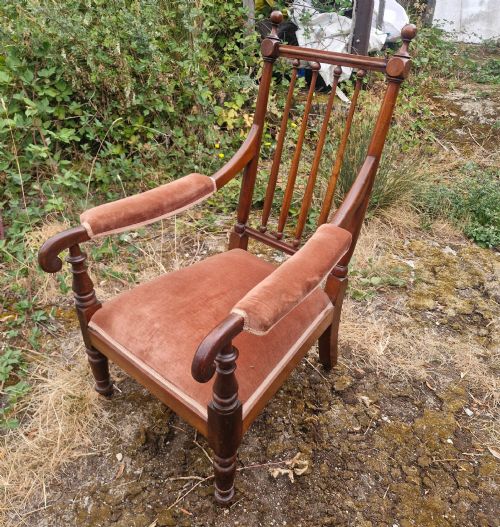
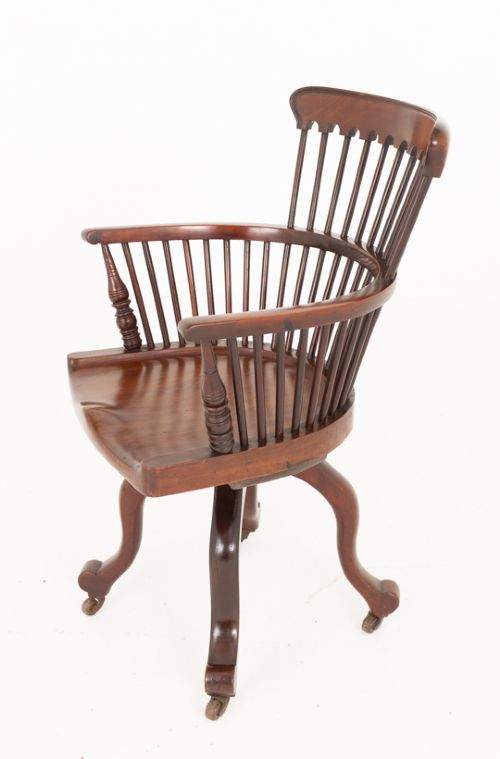
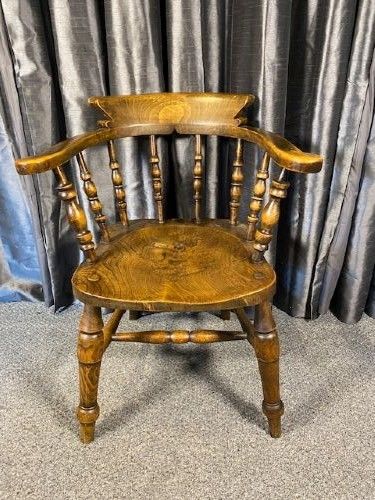
Victorian Spindle Back Chair
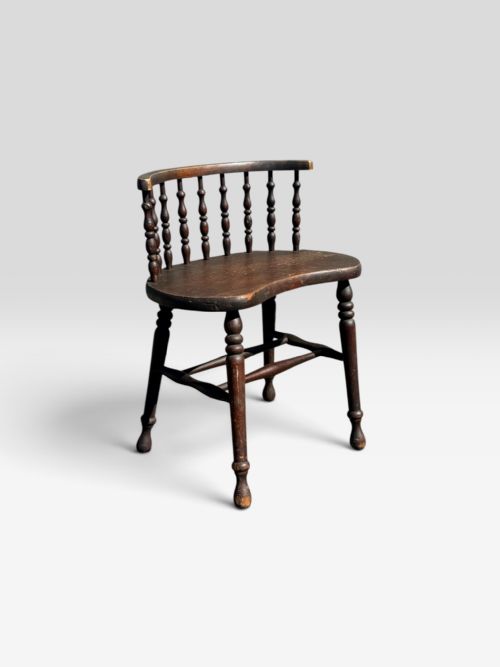
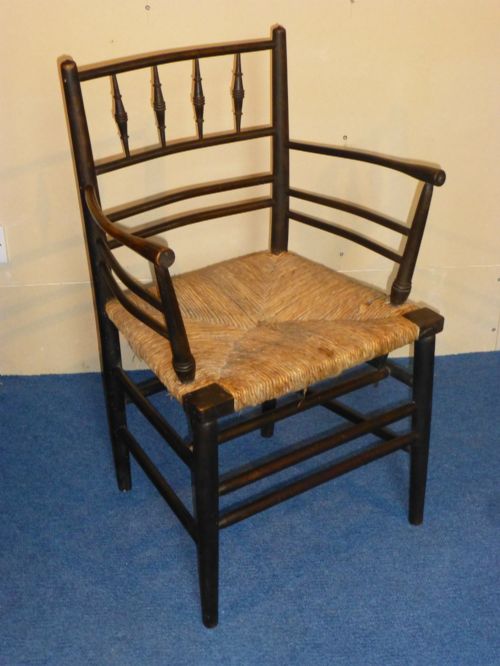
A victorian spindle back chair brings turned woodwork and vernacular comfort into any room, spanning kitchen seating, rocking chairs, and library armchairs.
Victorian Spindle Back Chair
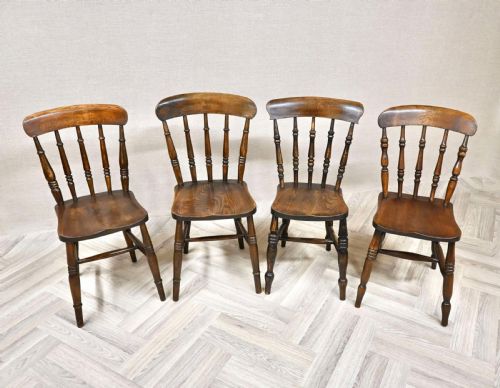
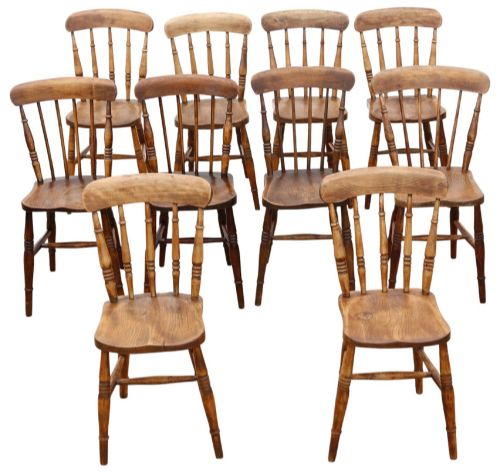
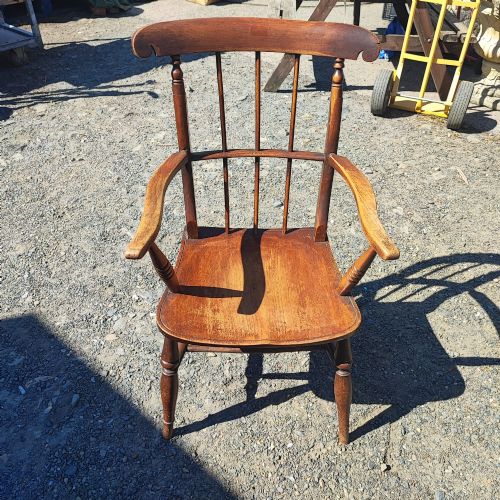
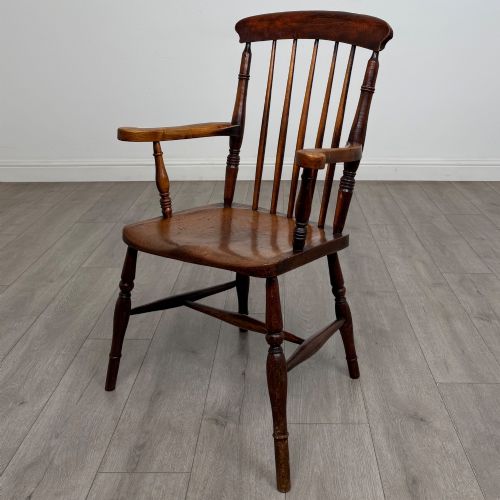
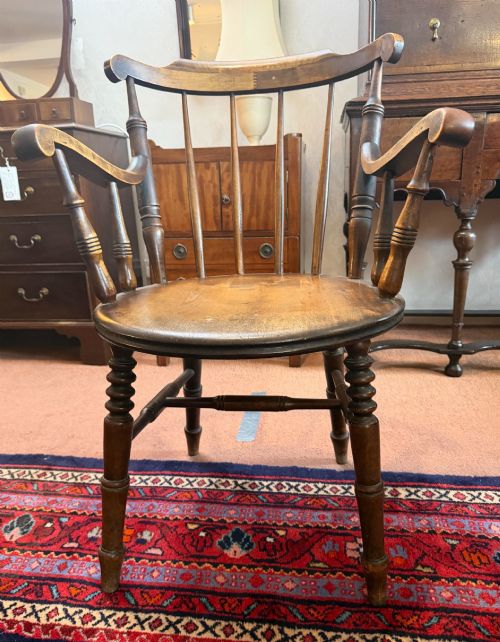
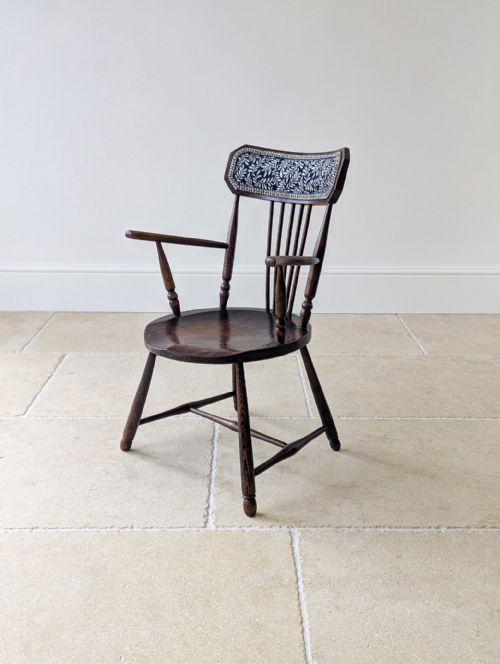
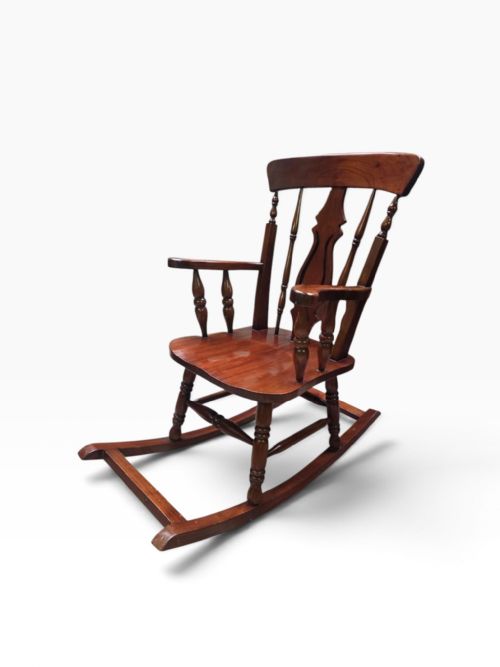
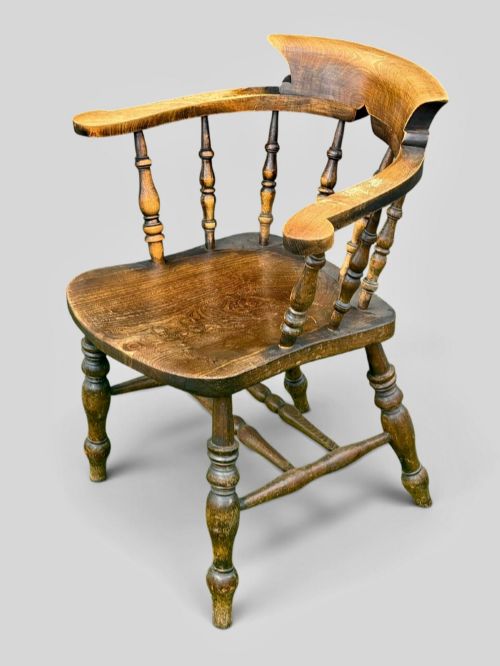
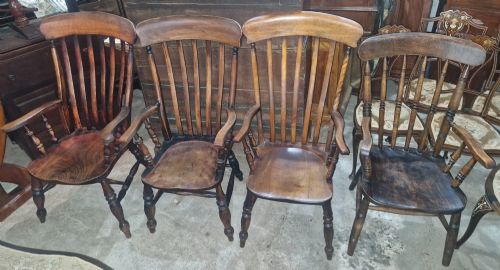
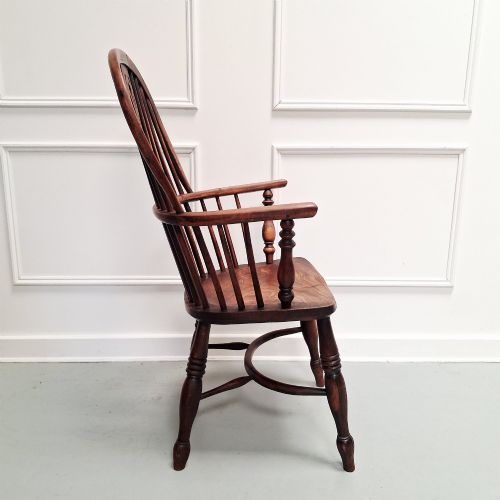
A victorian spindle back chair is defined by its array of turned vertical wooden rods forming the backrest, appearing in forms ranging from robust kitchen and Windsor chairs to refined library armchairs and rocking chairs.
The pieces on this page stem largely from the nineteenth century, including specific dates in the eighteen-seventies and eighties, alongside broader nineteenth-century examples and Victorian country styles.
Buyers encounter diverse seating arrangements, from single fireside rockers and office desk chairs to sets of dining chairs and occasional chairs intended for bedrooms or halls.
Gradations of Make
Quality rests upon the selection of timber and the harmony of mixed woods, where a well-chosen elm seat paired with crisply turned beech or ash spindles denotes superior vernacular carpentry.
The rigidity of the frame depends on the precision of the joinery, distinguishing sturdy library and office swivel chairs from pieces weakened by loose joints and dried-out timber.
Proportion and comfort elevate certain examples, separating heavy-handed workshop pieces from balanced rocking chairs and well-scaled dining sets.
Victorian Spindle Back Chair Retail Price Guide 2026
Typical asking prices for victorian spindle back chair among the pieces listed under this phrase on Sellingantiques today, from the lower quarter to the upper quarter. They describe what is for sale here now, not the wider market.
The archive demonstrates that spindle back chairs frequently appear as single rocking chairs or in matched dining sets of varying sizes.
The Victorian Spindle Back Chair Glossary
- Spindle back
- A chair back constructed from a series of turned vertical wooden rods. These elements support the user while keeping the furniture light in appearance.
- Windsor
- A traditional wooden chair built with a heavy solid seat into which the legs and back spindles are wedged directly. This construction method ensures durable, robust seating.
- Elm
- A tough, interlocking timber frequently utilised for chair seats because it resists splitting under pressure. It provides a tactile, grained surface.
- Rush
- Dried marsh grass woven into tight seating mats. It offers a flexible and traditional surface on vernacular chairs.
Victorian Spindle Back Chair: Frequently Asked Questions
How do I identify a Victorian spindle back chair?
Look for nineteenth-century construction methods, turned wooden spindles, and timber combinations such as elm seats with beech or ash frames. These details distinguish the period from later reproductions.
Examine the wear patterns and tool marks on the underside of the seat. Hand-turned components and traditional wedge joinery confirm the nineteenth-century origin.
Were these chairs used only in kitchens?
While many examples served as kitchen or farmhouse dining chairs, the design also extended to libraries, offices, bedrooms, and firesides.
Different forms accommodated different rooms, ranging from swivel desk chairs and rocking chairs to refined mahogany library armchairs.
How should I care for a wooden seat?
Maintain the timber by keeping the chair away from direct heat sources and sudden temperature shifts. This prevents the wood from drying out and cracking.
Apply a microcrystalline wax periodically to nourish the surface and protect the grain. Avoid harsh chemical cleaners that strip the original finish.