



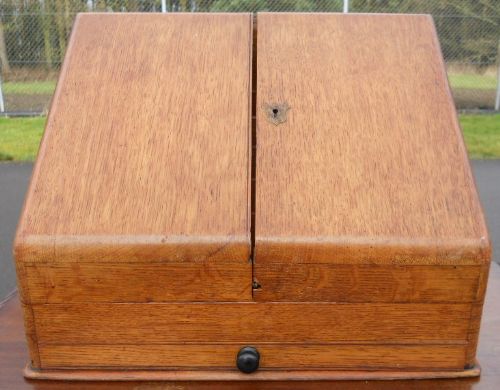


Victorian Slope Top Box
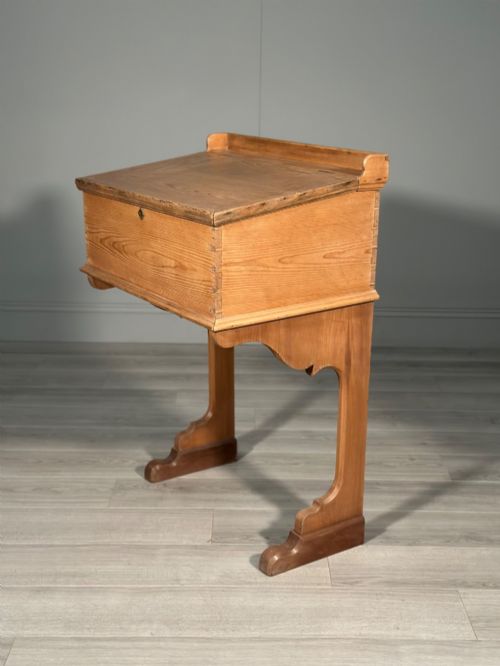
These victorian slope top box examples are practical desk pieces and stationery cabinets designed for correspondence, built in camphor wood, rosewood, oak, and walnut.
Victorian Slope Top Box
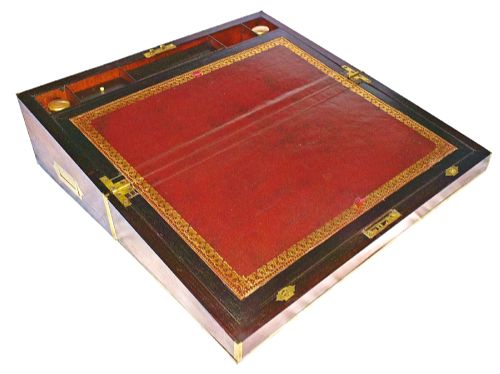
A victorian slope top box encompasses desktop writing slopes, lap desks, and correspondence cabinets constructed during the nineteenth century. Buyers searching this phrase meet desk top writing boxes and stationery cabinets designed to hold writing materials.
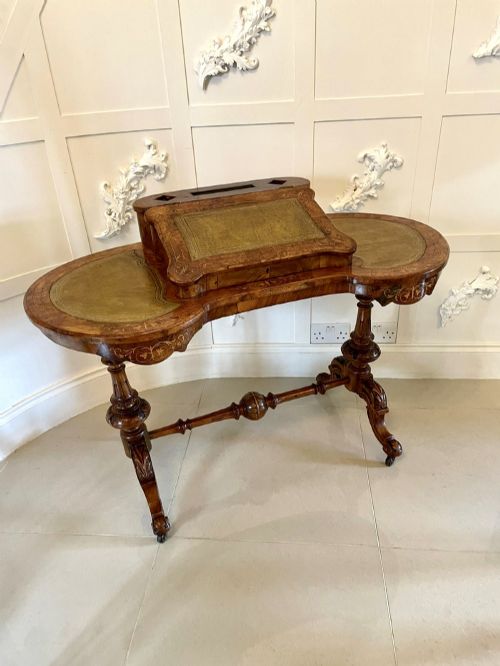
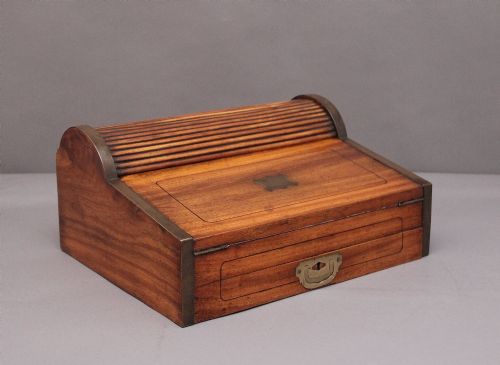
The forms vary from brass-bound campaign pieces in camphor wood to burr walnut desktop boxes and oak stationery cabinets. Many examples originate from the Victorian and William IV periods, alongside campaign and colonial adaptations.
Stationery cabinets and sloped boxes serve to organise paper, envelopes, and ink while providing a slanted surface for writing. These items sit upon tables or desks in studies and drawing rooms.
What varies in quality
The choice of timber grain, such as figured burr walnut or selected camphor wood, distinguishes finer boxes from standard oak or mahogany versions. Cabinet makers applied precise brass bound construction and intricate boxwood inlay to superior pieces.
Internal complexity sets apart standard writing slopes from metamorphic campaign designs and fitted stationery cabinets with makers' labels. The integration of secret drawers, gilt covers, and painted details elevates the standing of an individual box.
Victorian Slope Top Box Retail Price Guide 2026
Typical asking prices for victorian slope top box among the pieces listed under this phrase on Sellingantiques today, from the lower quarter to the upper quarter. They describe what is for sale here now, not the wider market.
The selection includes military campaign and colonial pieces alongside standard Victorian desktop boxes and William IV examples.
The Victorian Slope Top Box Glossary
- Writing slope
- A desktop box with a slanted lid that opens to reveal a writing surface and internal compartments for ink and pens.
- Campaign box
- Portable furniture constructed with recessed brass handles and reinforced corners for travel during military or colonial service.
- Stationery cabinet
- An upright desktop cabinet with doors or a roll top designed to store paper, envelopes, and correspondence.
- Burr walnut
- Timber featuring distorted grain patterns highly prized by nineteenth century cabinet makers for decorative veneer.
- Camphor wood
- A fragrant timber utilised in colonial and campaign pieces to withstand tropical climates.
Victorian Slope Top Box: Frequently Asked Questions
What is a victorian slope top box used for?
These boxes serve as portable desks and storage units for writing materials, letters, and stationery. The slanted lid provides an angled surface for writing correspondence.
Inside, compartments hold inkwells, pens, and paper, keeping writing equipment organised on a desk or table.
How do I identify a campaign box?
Campaign boxes feature brass bound edges, flush-fitting inset handles, and robust timbers like camphor wood. These design elements protected the furniture during military transport.
Many examples also include metamorphic internal mechanisms or roll tops built for travel.
What woods were used for these boxes?
Cabinet makers utilised a range of timbers including camphor wood, rosewood, burr walnut, oak, and mahogany. Finer boxes often display decorative veneers and boxwood stringing.
Some pieces incorporate brass fittings, mother of pearl inlay, and painted or gilt details.
Where should I place a stationery cabinet?
Stationery cabinets and sloped boxes sit comfortably upon desks, tables, or sideboards in a study or living space. They provide practical storage for modern correspondence and paper.
Keeping them away from direct heat sources protects the timber and internal velvet or leather fittings.