


Victorian Silvered Glass Mirror
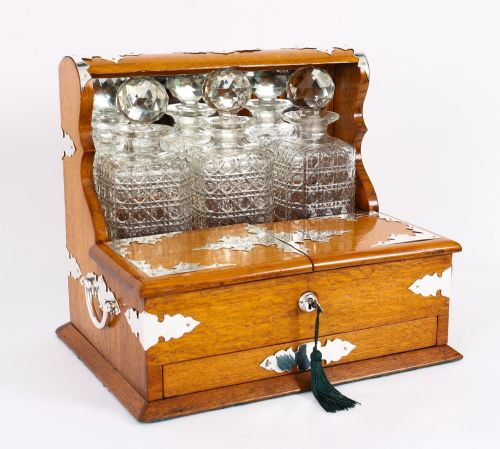
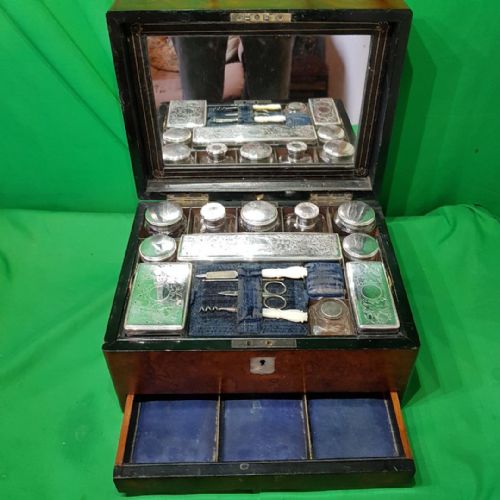
These Victorian silvered glass mirror pieces catch the light with genuine period weight, offering the exact reflective depth collectors hunt for.
Victorian Silvered Glass Mirror
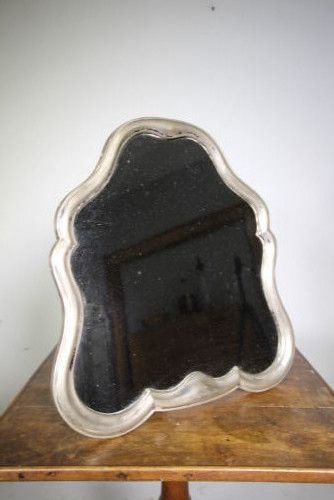
When you search for a Victorian silvered glass mirror, you encounter pieces that span the nineteenth century, most frequently appearing in Victorian styles alongside Venetian and Rococo Revival forms. These objects primarily take the shape of wall mirrors, overmantles, dressing mirrors, and table plateaus.
The selection ranges from large architectural overmantles designed for principal rooms down to smaller easel mirrors and table plateaus intended for intimate displays. Many pieces display the heavy silvering typical of the era, occasionally accompanied by bevelled edges and original fittings.
How they were made
Maker workshops built these frames using foundational woods such as oak, rosewood, and burr walnut, frequently embellished with moulded gesso and silver leaf or silver gilt applications.
The mirror plates themselves utilise period glass techniques, including mercury silvering and silver deposit work on porcelain or glass grounds, secured with original backing boards and fixings.
Listings feature nineteenth-century materials including silver leaf, gesso, burr walnut, and mirror glass across various wall and dressing mirror forms.
What varies in quality
Quality rests in the integrity of the silvered glass and the crispness of the surrounding frame ornamentation, whether carved wood or moulded gesso. Superior examples retain their original mercury silvering without excessive loss or foxing that obscures the reflective surface.
The construction of the frame and the retention of original fittings, easel backs, or backing boards also distinguish a finer piece from one that has undergone substantial rebuilding or replacement of its glass.
Jean Gille·William Comyns·Henry Matthews
The Victorian Silvered Glass Mirror Glossary
- Silvered glass
- Glass treated with a reflective metal coating behind the pane to create a mirror surface. Victorian examples often show characteristic ageing and depth.
- Overmantle mirror
- A large wall mirror specifically scaled to hang above a fireplace mantelpiece. These pieces frequently dominate a room's proportions.
- Plateau
- A mirrored tray placed on a dining table or sideboard to display decanters, silver, or glassware. The reflective surface magnifies the objects set upon it.
- Gesso
- A plaster-like mixture applied to wood frames and carved or moulded into decorative patterns before gilding. It provides the crisp relief seen on period frames.
- Silver gilt
- Silver objects or frame elements coated with a thin layer of gold. This technique produces a warm, muted tone distinct from standard bright silver.
Victorian Silvered Glass Mirror: Frequently Asked Questions
How do I clean a silvered glass mirror?
Clean the glass gently using a soft, dry cloth to remove dust without disturbing the fragile silvered backing. Avoid modern chemical sprays that can seep behind the glass and damage the historic silvering.
Keep the frame away from direct moisture and strong sunlight. Treat the wooden or gesso structure with care, dusting it lightly with a dry brush.
Are these mirrors heavy to hang?
Many nineteenth-century wall mirrors and overmantles possess substantial weight due to their dense timber frames and thick glass plates. Secure wall fixings into structural timber or masonry rather than relying on standard plaster.
Check the original hanging rings and wire on the back before mounting. Professional installation is often advisable for larger overmantle pieces.
What is silver deposit work?
Silver deposit is a technique where a pure silver design is electrochemically bonded directly onto a glass or porcelain surface. This creates a raised, metallic pattern integrated into the object.
Pieces featuring this technique require gentle handling to preserve the bonded silver. The process was popular for decorative dressing items and vanity sets.
How can I tell a table plateau was used?
Table plateaus often display fine surface scratches and wear on the mirrored glass from supporting heavy decanters, silver pieces, or glassware during dining service. These traces indicate authentic period use.
The underside usually retains original felt or velvet lining along with wooden bases. Original corner mounts and gallery rails show appropriate age patination.