
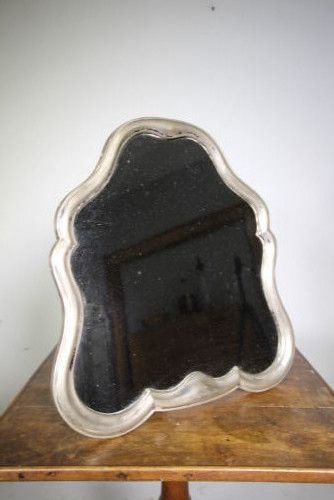


Victorian Silver Wall Frame
A victorian silver wall frame brings distinct reflective depth and period character to an interior through substantial metalwork and glass.
Victorian Silver Wall Frame
A victorian silver wall frame encompasses decorative wall mirrors, overmantel mirrors, and smaller picture or photo frames produced during the nineteenth century. These objects serve both ornamental and practical functions within period domestic spaces, often featuring substantial proportions designed to anchor a room.
The pieces available on this page lean heavily towards large overmantel mirrors and wall mirrors, alongside smaller framed works and reliefs. Originating primarily from English and Venetian workshops, these items reflect the diverse decorative tastes of the nineteenth century, from restrained designs to exuberant revivals.
Materials and construction
Makers utilised traditional construction methods combining glass, wood, silver leaf, and gesso to build durable yet decorative wall pieces. Wooden carcases provide the structural support, while layers of gesso receive silver leaf or silvered finishes to create reflective surfaces.
Auxiliary materials such as brass, oak, and metal feature in the structural hardware, frames, and backing boards of the pieces. Artisans applied parcel-silvering and paint to wooden mouldings, achieving the characteristic aged lustre seen across Victorian and Venetian examples.
Someone once preserved a tiny silver wallet photo frame just to keep a secret pocket of Victorian history intact.
Assessing quality
The standard of a piece depends on the depth and precision of the decorative modelling in the gesso and the purity of the silver leaf application. Superior examples demonstrate crisp detail in relief work and harmonious proportions between the frame and the central glass or panel.
Construction integrity separates standard commercial output from finer workshop productions, particularly in the stability of the wooden backing and the quality of the silvered glass. The longevity of the finish relies heavily on the original preparation of the gesso and the preservation of the protective layers beneath.
The Victorian Silver Wall Frame Glossary
- Overmantel mirror
- A large wall mirror specifically designed to hang on the wall directly above a fireplace mantelpiece. These pieces frequently span a significant width to balance the hearth below.
- Silver leaf
- Extremely thin sheets of beaten silver applied to wood or gesso surfaces to impart a metallic sheen. It tarnishes naturally over time, developing a distinctive patina.
- Gesso
- A plaster-like mixture applied to wood frames to create a smooth surface for gilding or silvering. It allows artisans to carve intricate relief details before metal application.
- Silvered glass
- Glass treated with a reflective coating to produce a mirror plate, often showing subtle foxing and age spots in nineteenth-century examples. This material forms the primary reflective surface of period wall mirrors.
- Parcel-silvered
- A technique where only specific portions of an object receive silver leaf, leaving underlying wood or paint exposed elsewhere. This creates contrast and highlights carved decorative details.
Victorian Silver Wall Frame: Frequently Asked Questions
How should I clean silvered glass?
Clean the glass gently using a soft, dry microfibre cloth to remove dust without disturbing the surrounding frame. Avoid commercial liquid cleaners that might seep behind the glass plate and damage the original silvering or backing.
Keep moisture entirely away from silver leaf and gesso mouldings, as water causes lifting and deterioration of nineteenth-century finishes. Regular dusting with a dry brush remains the safest maintenance method for delicate frames.
Are these mirrors historically Venetian?
Certain pieces on this page originate from Venetian workshops, recognised through distinctive glass-working traditions and decorative motifs. Venetian mirrors of the nineteenth century often incorporate intricate etched glass elements and specialised framing techniques.
English productions generally rely on heavier timber construction and distinct regional revival styles such as Rococo or Arts and Crafts. Examining the backing boards and construction methods helps clarify the geographical origin of each piece.
What is the difference between a picture frame and a wall mirror?
A picture frame houses a flat artwork, painting, or photograph, whereas a wall mirror contains a reflective glass plate designed to bounce light around a room. While both share similar decorative mouldings and silvered finishes, their structural depth and internal rebates differ.
Some exceptional items bridge the two categories by incorporating painted panels or reliefs alongside reflective surfaces. Reviewing the listed object type clarifies whether the piece functions as a mirror or a framed visual work.