



Victorian Silver Topped Bottle
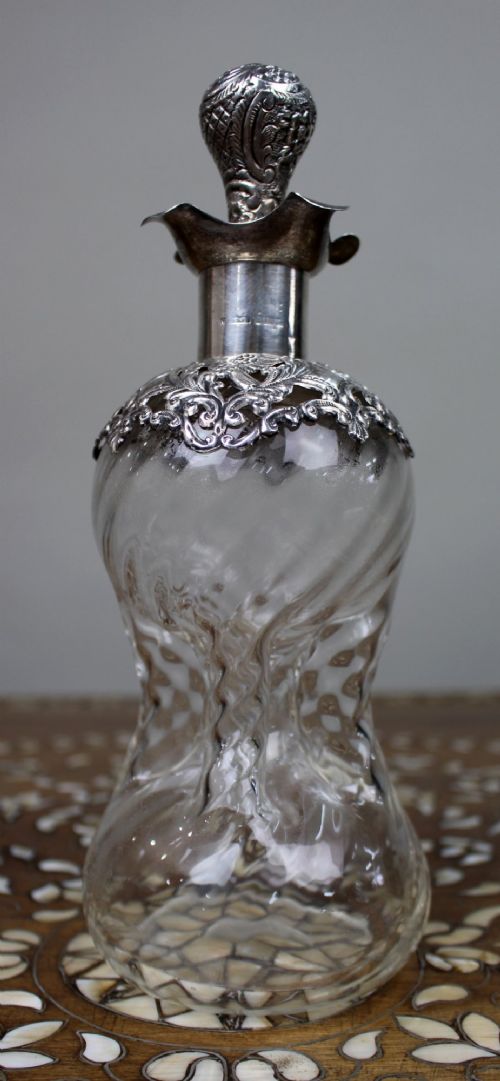
When you search for a victorian silver topped bottle, you discover portable scent flasks, inkwells, and table decanters crafted with precious metal mounts.
Victorian Silver Topped Bottle
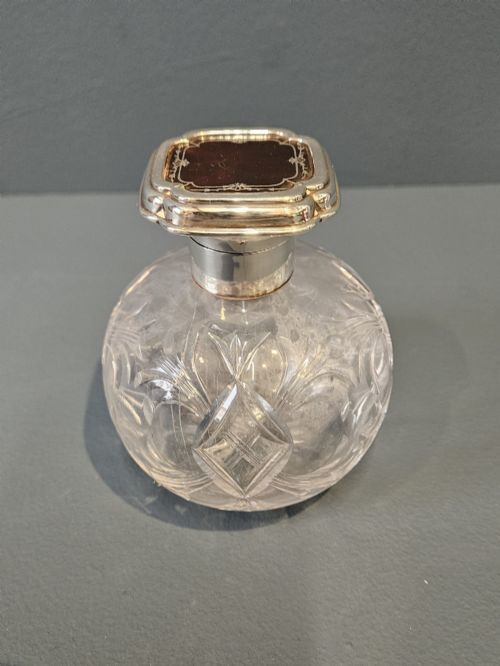
A victorian silver topped bottle encompasses personal accessories like scent flasks and perfume phials alongside domestic table wares such as decanters and inkwells. These pieces bridge the gap between functional utility and decorative tabletop display.
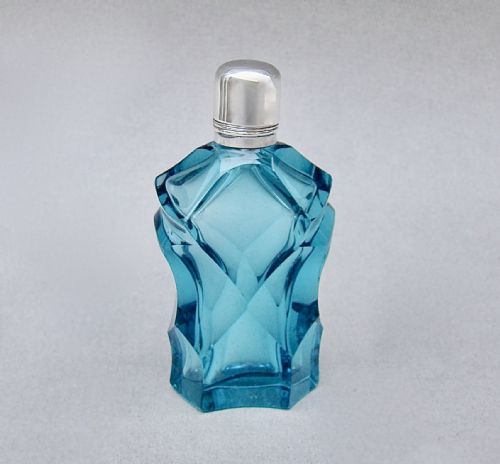
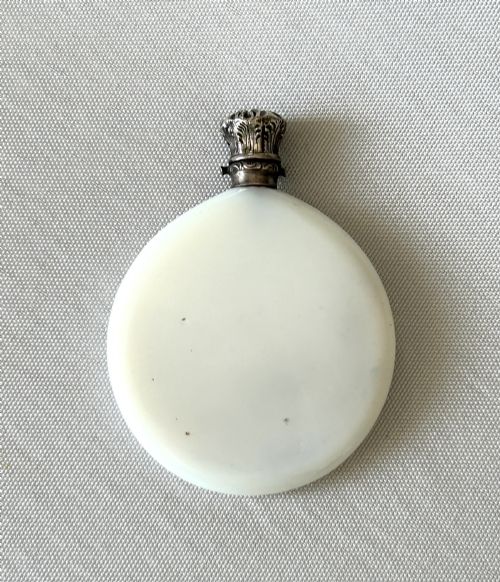
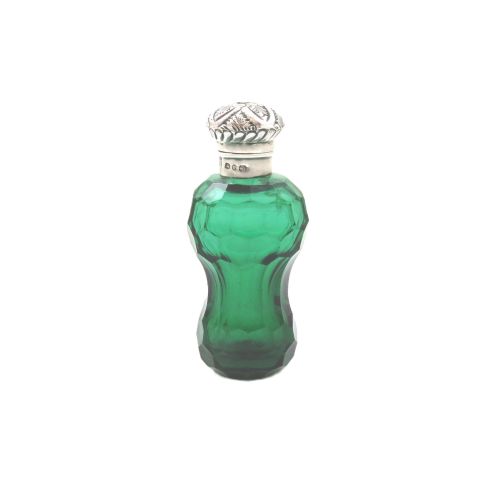
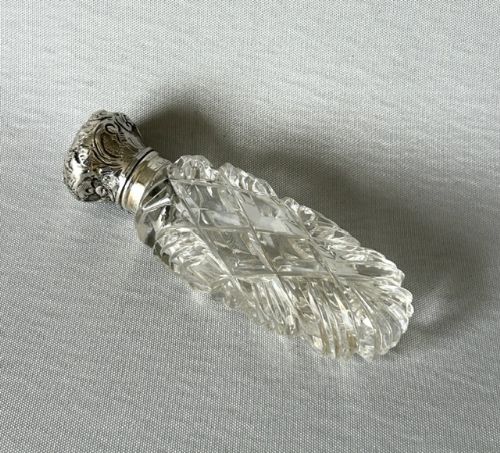
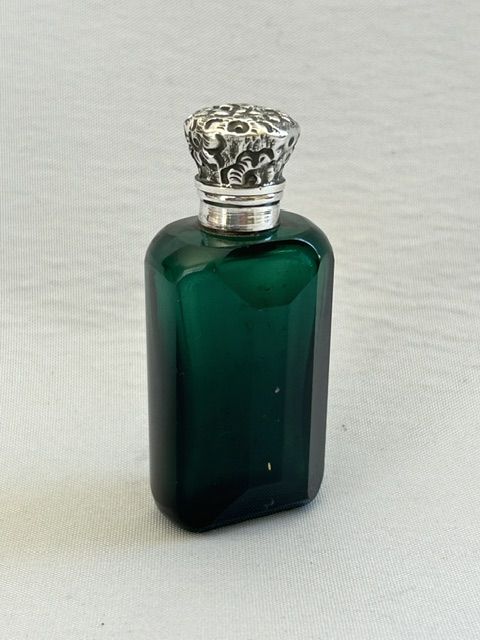
The most common examples encountered within these listings are scent and perfume bottles featuring hinged or screw-on sterling caps. Makers combined transparent, translucent, or flashed glass bodies with hallmarked silver collars and lids.
Production spans the nineteenth century and stretches into the Edwardian period, incorporating British regional hallmarked items alongside continental European glassworks. Collectors encounter everything from pocket-sized scent phials to large sideboard decanters.
Materials and technique
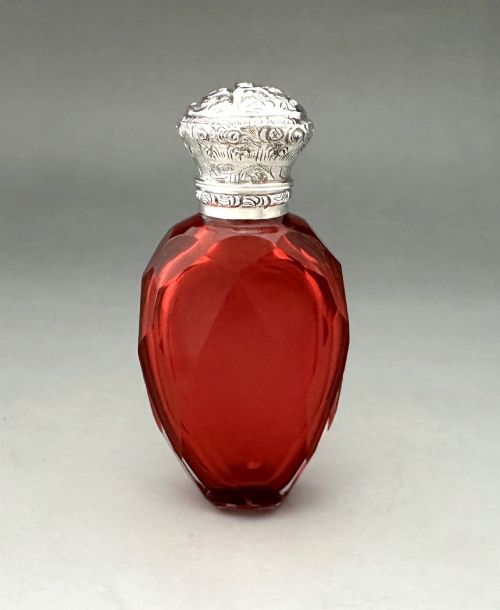
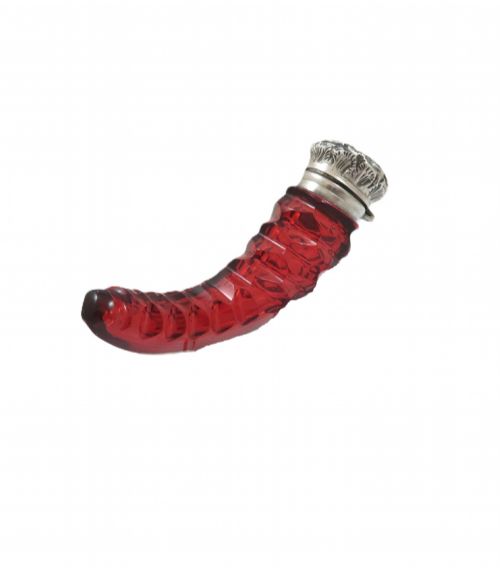
Glass production relied on hand-blowing, moulding, or cutting techniques to form bodies in colours like cranberry, opaline, ruby, amethyst, and Bristol green. Artisans often applied layered glass overlays or intricate cut crystal patterns before mounting the metal necks.
Silversmiths shaped sterling mounts through spinning, casting, and repousse embossing, frequently decorating hinged lids with floral scrolls and figures. Hallmarks stamped directly onto the silver provide assay office locations and production dates.
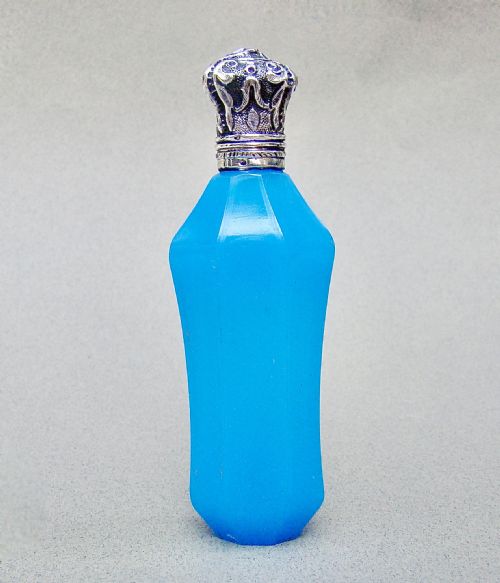
Listings feature glass bodies in cranberry, opaline, amethyst, and vaseline hues paired with sterling silver mounts spanning the Victorian and Edwardian eras.
Distinctions in craftsmanship
Quality separates simple production items from exceptional workshop output through the weight of the silver mount and the depth of the glass cutting. Superior scent bottles feature heavy cast caps with crisp repousse detail rather than thin pressed metal.
Franchini And Bigaglia·Hukin And Heath
The Victorian Silver Topped Bottle Glossary
- Hallmark
- Official stamp applied to silver items indicating the assay office, standard of purity, and date of manufacture. These small punches authenticate the metal origin.
- Opaline glass
- Opaque or translucent glass popular during the nineteenth century, produced in shades of white, blue, and turquoise. It provides a smooth pastel ground for silver mounts.
- Repousse
- Metalworking technique where the silversmith hammers the design from the reverse side to form raised decorative reliefs on lids and collars. Floral scrolls and figures frequently appear in high relief.
- Cranberry glass
- Transparent pinkish-red glass created by adding gold chloride to the molten batch. It forms a striking contrast against bright sterling silver tops.
- Murrine
- Coloured glass cane slices fused together in patterns, seen in specialised nineteenth-century production. This technique creates complex mosaic visual effects across the vessel body.
Victorian Silver Topped Bottle: Frequently Asked Questions
What is a victorian silver topped bottle?
These items are small personal containers or larger table vessels made from glass and fitted with sterling silver caps or collars. They were utilised primarily for holding perfumes, smelling salts, or ink.
Craftsmen produced them in numerous geometric and globular forms throughout the nineteenth century. The silver component often bears Birmingham or London hallmarks.
How were scent bottles used historically?
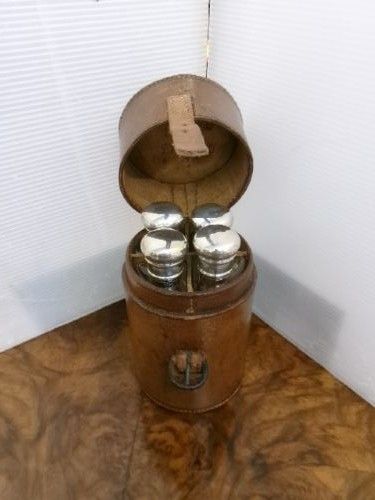
Victorian ladies carried small scent flasks in leather travel cases or pocket chatelaines for personal refreshment. The strong aromas combated unpleasant odours in urban environments or revived individuals experiencing faintness.
Larger versions remained stationary on dressing tables or writing desks. Their tight silver stoppers prevented volatile perfumes from evaporating.
How do I identify the production period?
Hallmarks stamped on the silver mounts offer the most reliable dating evidence, showing exact assay years for British items. Stylistic shifts from early Victorian opaque glass to late Victorian cut crystal also help establish age.
Container shapes evolved from simple cylindrical forms to elaborate pyramid and globular designs by the end of the century. Maker marks link specific pieces to known silversmith workshops.
How should I display glass and silver vessels?
Positioning these pieces inside illuminated glass cabinets highlights the rich tones of cranberry, amethyst, and opaline glass bodies. Natural daylight brings out the reflective qualities of cut crystal facets and polished silver caps.
Keep them away from direct heat sources to protect historical glass and aged adhesives. Handling them by the glass body rather than the hinged lid preserves delicate mounts.