




Edwardian Ruby Glass Bottle
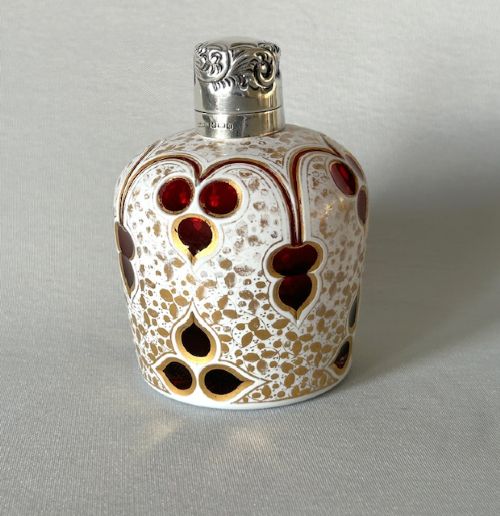
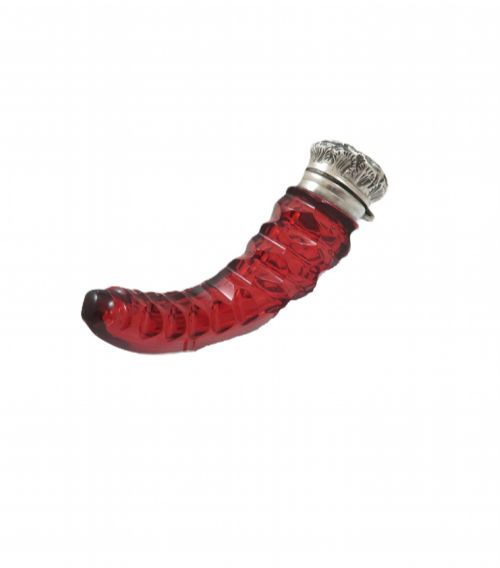
These edwardian ruby glass bottle pieces bring rich colour and polished silver mounts to a dressing table or cabinet.
Edwardian Ruby Glass Bottle
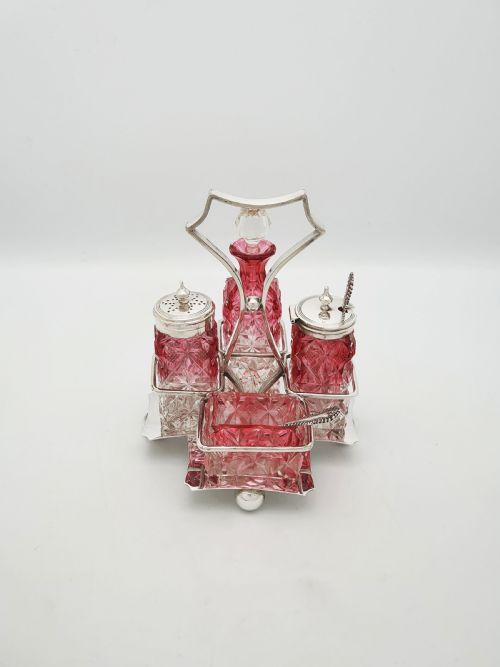
When you search for an edwardian ruby glass bottle, you encounter small glass vessels designed for fragrance or tabletop service, primarily hailing from the Edwardian and Victorian eras. The selection commonly includes scent bottles mounted in sterling silver alongside decanters and cruet sets created from deep red glass.
The objects frequently originate from Bohemian workshops and British silversmiths active around the turn of the twentieth century. Scent bottles dominate the offerings, often fitted with hinged caps or cut glass bodies that reveal rich cranberry and ruby tones.
Materials and construction methods
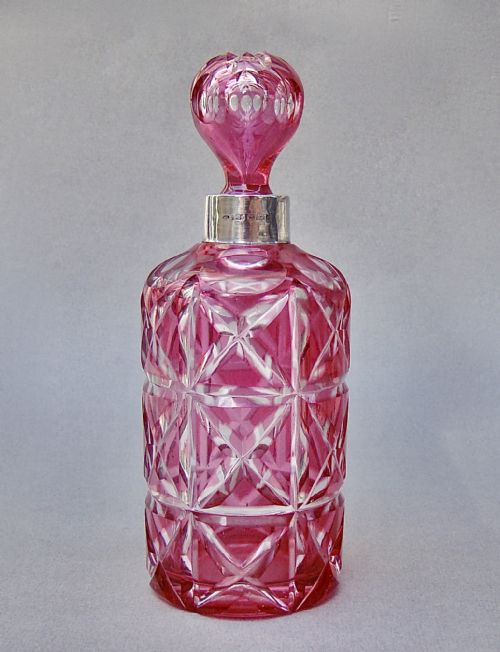
The glassmakers achieved these deep crimson hues through specialised mineral colouring agents, shaping the vessels via free-blowing or moulding techniques. Many examples utilise cranberry or ruby glass overlaid on clear crystal, then carved with wheel-cut panels to catch the light.
Silversmiths completed the pieces by mounting them with sterling silver collars, hinged lids, and decorative shaker tops. Some items incorporate additional embellishments such as enamel work or detailed silver plate frames.
Edwardian Ruby Glass Bottle Retail Price Guide 2026
Typical asking prices for edwardian ruby glass bottle among the pieces listed under this phrase on Sellingantiques today, from the lower quarter to the upper quarter. They describe what is for sale here now, not the wider market.
An owl-shaped scent bottle waits in the glass menagerie, watching visitors with silver eyes.
Judging quality in ruby glass vessels
Superior examples display crisp, deep wheel-cutting on the glass body and heavy gauge sterling silver mounts bearing clear hallmarks. The depth and saturation of the ruby or cranberry colour also dictates desirability, with evenly struck tones outperforming cloudy or thin glass.
Makers play a significant role in the hierarchy, where documented silversmiths or established Bohemian glass houses command greater attention. The precision of the silver mount fitting snugly against the glass neck distinguishes finer workshop production from standard commercial output.
Harold Bushell & Co
The Edwardian Ruby Glass Bottle Glossary
- Cranberry Glass
- A transparent pinkish-red glass created by adding gold chloride to the molten batch. It gained immense popularity during the Victorian and Edwardian periods for decorative tableware and vanity items.
- Ruby Glass
- A deep red glass coloured with copper or gold, sharing a similar palette with cranberry glass but often exhibiting a denser tone. It appears frequently in scent bottles and decanters from the nineteenth and early twentieth centuries.
- Overlay
- A technique where a layer of coloured glass is cased over a layer of clear glass before being cut away to create contrasting patterns. This method exposes the clear glass beneath in geometric or floral designs.
- Sterling Silver
- An alloy of silver containing 92.5 percent pure silver and 7.5 percent other metals, usually copper. It serves as the primary metal for the collars and hinged lids found on better scent bottles.
- Cruet Set
- A matched collection of small bottles or cruets used for holding condiments like oil, vinegar, salt, and pepper. They often sit within a silver-plated or metal stand on the dining table.
Edwardian Ruby Glass Bottle: Frequently Asked Questions
What were scent bottles used for?
Scent bottles held liquid perfumes or smelling salts, serving as personal accessories carried in evening bags or displayed on dressing tables. Their tight silver stoppers prevented volatile fragrances from evaporating.
In the Victorian and Edwardian periods, smelling salts provided relief in crowded rooms or during moments of faintness. Consequently, these small glass vessels combined practicality with ornamental luxury.
Are these pieces marked with silver hallmarks?
Many British-mounted pieces feature hallmarks stamped into the silver collar or lid, indicating the assay office, date letter, and maker's mark. These tiny stamps provide a reliable method for dating the metal components.
Foreign items or glass-only pieces often lack these specific stamps, requiring stylistic analysis of the glass cutting and shape instead. Unmarked silver mounts still display standard purity marks in many instances.
How do I tell Victorian from Edwardian pieces?
Victorian glass often leans toward heavier ornamentation, deeper overlay carvings, and robust silhouettes typical of the nineteenth century. The silver mounts from this period tend to feature elaborate repoussé floral work.
Edwardian items frequently adopt lighter, more refined neoclassical motifs and sleeker glass cutting profiles. Comparing the design aesthetics of the silver mount and glass body usually clarifies the era.