
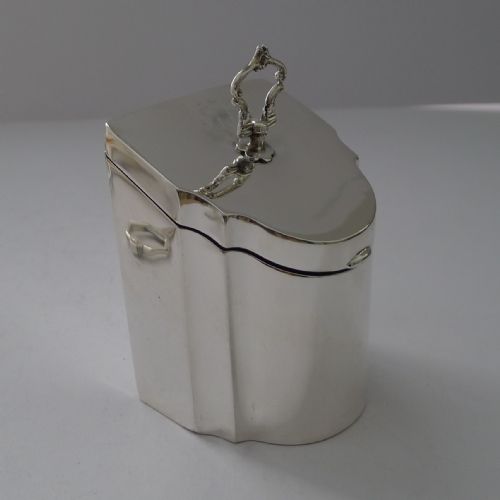
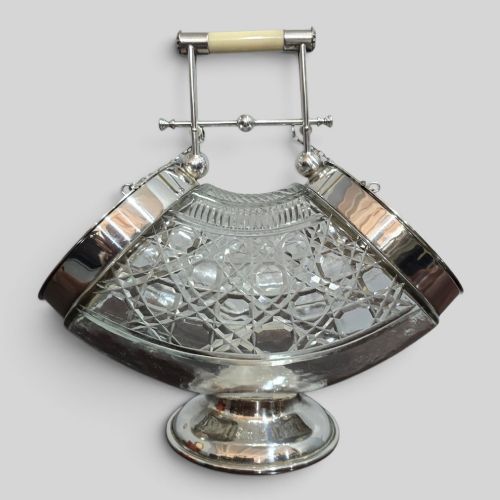
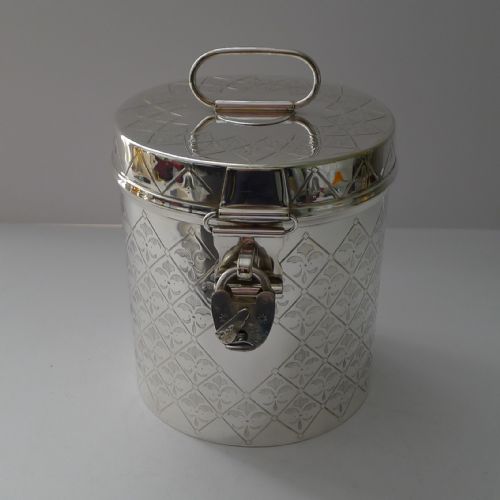


Victorian Silver Tea Container
A victorian silver tea container is a refined vessel for storing dry leaves, bringing period character and tactile charm to any tabletop.
Victorian Silver Tea Container
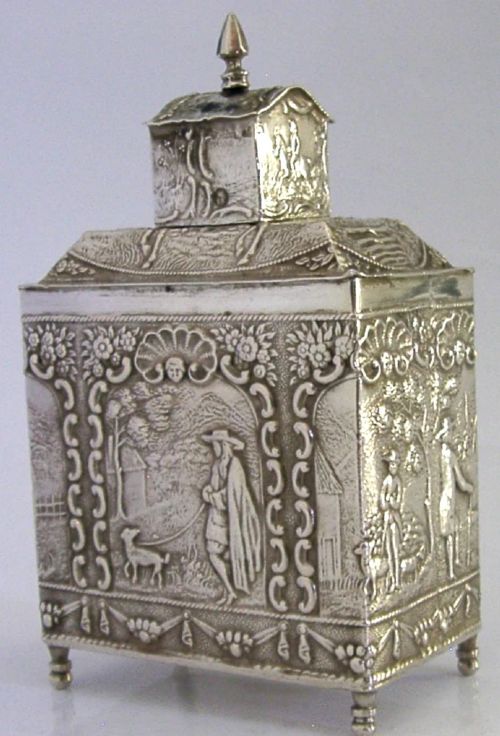
When you search for a victorian silver tea container, you encounter vessels designed to preserve the aroma of expensive leaf tea in the nineteenth and early twentieth centuries. These objects take the form of tea caddies, biscuit barrels, and boxes originating across the Victorian, Edwardian, and late nineteenth-century periods.
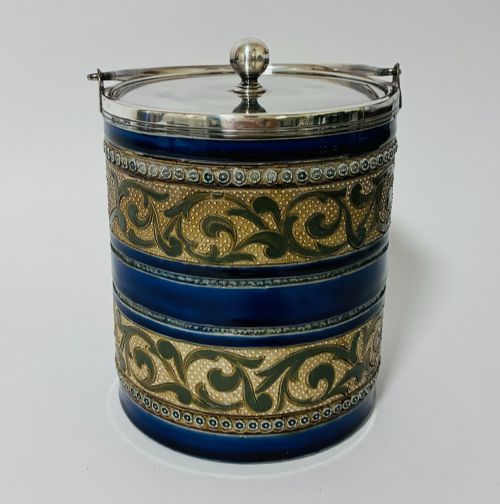
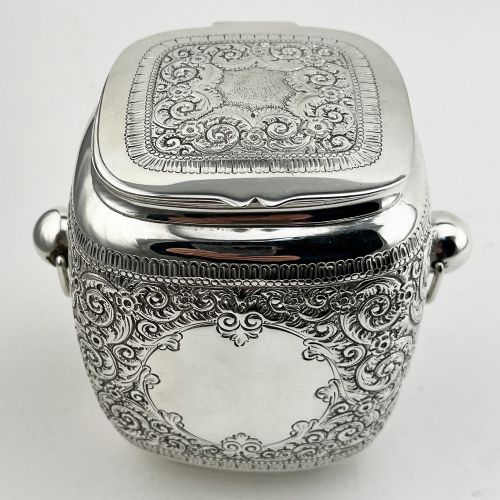
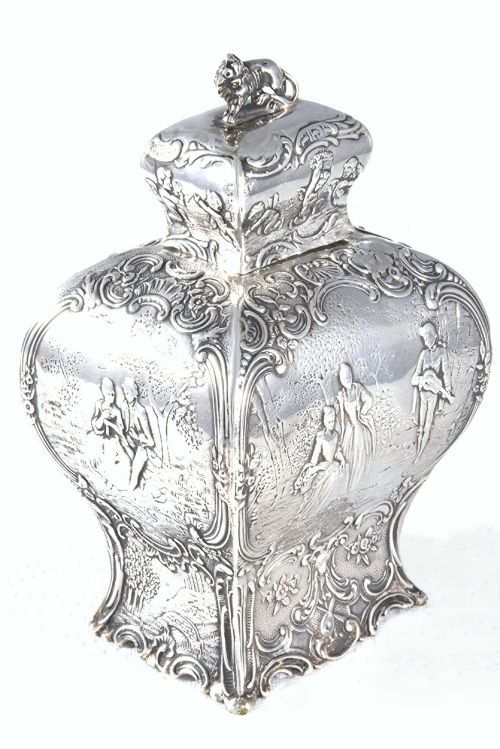
The pieces you meet most frequently on this page range from solid sterling silver bombe boxes and oval caddies with pull-off lids to silver-plated ceramic and cut crystal biscuit jars. Makers also produced novelty forms such as weighted containers and knife-box shapes during the late Victorian and Edwardian eras.
Origins span English workshops in Sheffield alongside Dutch Rococo revival pieces and Ottoman Turkish designs. Buyers select these containers for daily use on the dining table or as decorative focal points in a period interior.
Materials and Construction
Silversmiths utilised sterling silver and solid silver alongside electroplated nickel silver and standard silver plate to form the bodies of these containers. Artisans hammered, chased, and cast the metal to achieve forms such as bombe shapes, oval cylinders, and Dutch Rococo revival motifs.
Many containers combine metal with other media, incorporating stoneware, ceramic, cut glass, and cut crystal into the design. Lids often feature tight-fitting pull-off mechanisms or locking devices mounted on heavy-gauge metal frames.
Listings feature sterling silver, silver plate, stoneware, and cut crystal across the Victorian and Edwardian periods.
Distinctions in Quality
The distinction between standard examples and the finest pieces rests upon the thickness and weight of the metal gauge used in the body. Heavier solid silver containers and substantial sterling silver caddies demonstrate superior durability and metalwork compared to lighter plated alternatives.
Execution of decorative detail also defines the hierarchy, from crisp chasing and hand-cut crystal facets to simpler moulded glass and basic silver plating. Maker marks from established firms indicate higher standards of period craftsmanship.
Martin Hall And Co·Mappin And Webb·Atkin Brothers·William Hutton
The Victorian Silver Tea Container Glossary
- Sterling silver
- A silver alloy containing 92.5 percent pure silver by mass, widely utilised for high-end Victorian caddies.
- Silver plate
- A layer of silver applied to a base metal core such as nickel silver, common in nineteenth-century biscuit barrels.
- Bombe
- A swollen or bulging convex furniture and vessel profile popular in nineteenth-century silver designs.
- Cut crystal
- High-clarity glass cut with deep facets to refract light, frequently paired with silver mounts on Edwardian containers.
- Pull-off lid
- A snug-fitting lid that lifts directly off the container mouth without hinges or screws.
Victorian Silver Tea Container: Frequently Asked Questions
How do I clean a silver tea caddy?
Clean silver containers using a soft cloth and a specialised silver polish formulated to remove tarnish without scratching the metal surface.
Avoid abrasive pads or harsh chemicals that can damage delicate chased details or wear through thin silver plating.
Were these containers used for tea?
Many containers functioned as tea caddies to keep expensive loose leaves dry and aromatic in the drawing room.
Others served as biscuit barrels or novelty jars for storing sweet treats during Victorian and Edwardian dining occasions.
How do I date a silver tea container?
Dating relies on examining the hallmarks stamped into the silver, which reveal the assay office, standard of metal, and year of manufacture.
Stylistic cues such as Edwardian cut glass or Victorian aesthetic movement motifs also help narrow down the production period.