

Victorian Silver Sugar
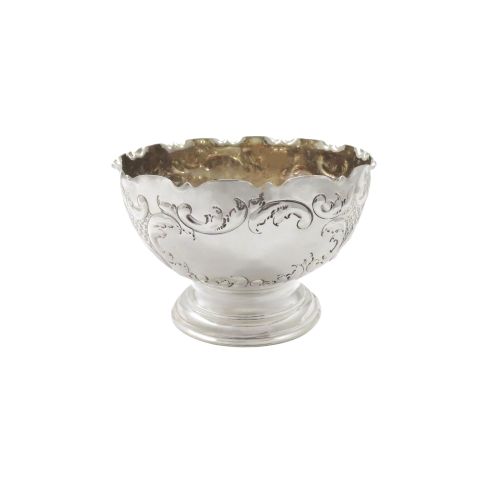
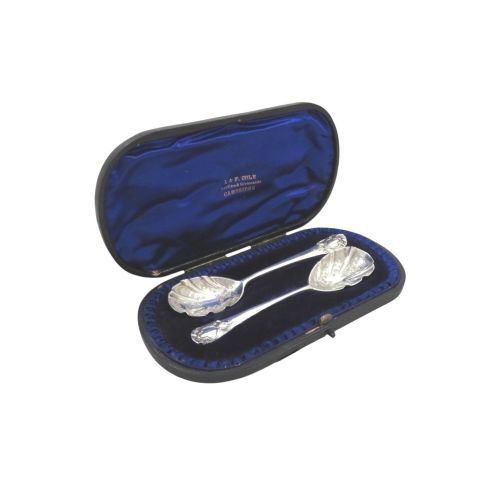
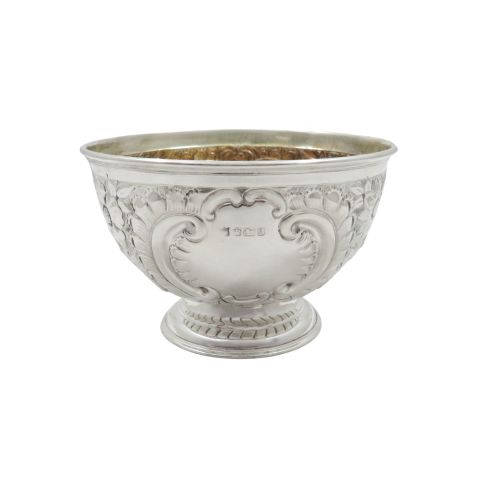
Victorian silver sugar pieces comprise casters, tongs, baskets and bowls formed to serve sweetener during nineteenth and early twentieth century dining.
Victorian Silver Sugar
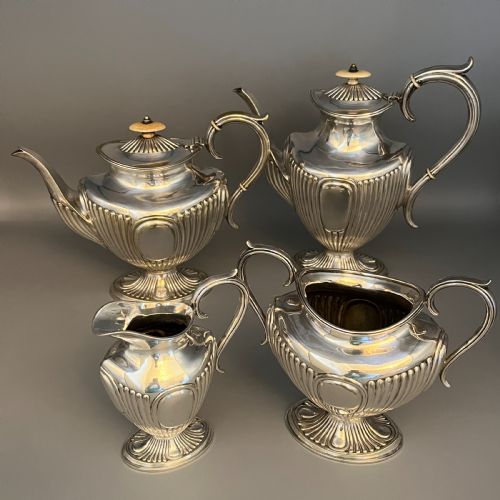
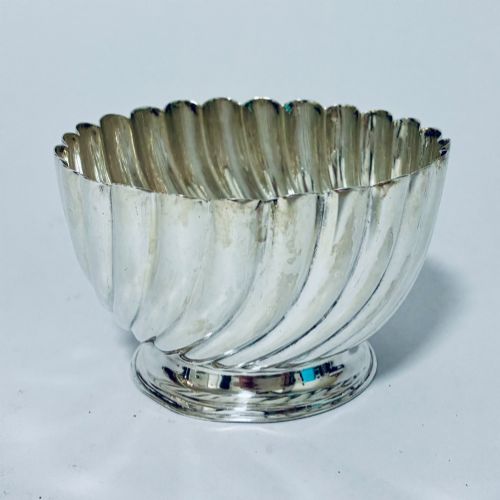
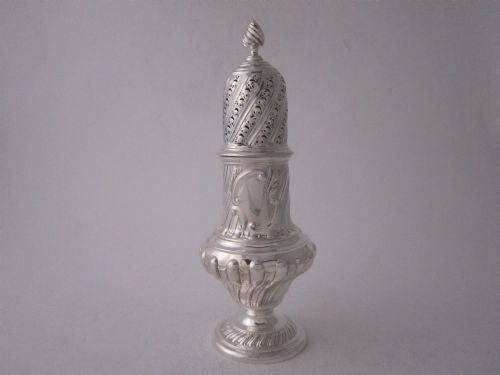
When you search for Victorian silver sugar, you encounter items designed specifically for the dining table, ranging from small bowls and baskets to sifters, tongs and casters. The pieces reflect domestic routines of the nineteenth century, when granulated and lump sweeteners required dedicated tableware.
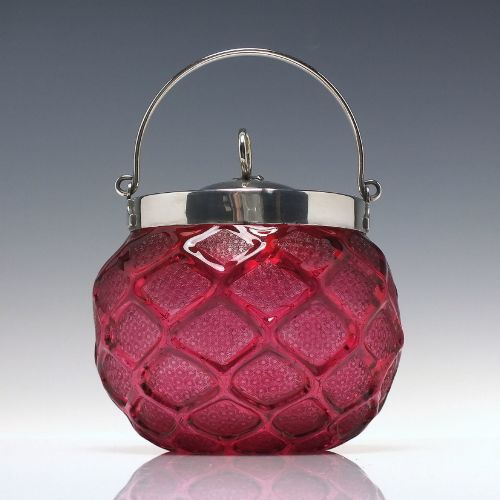
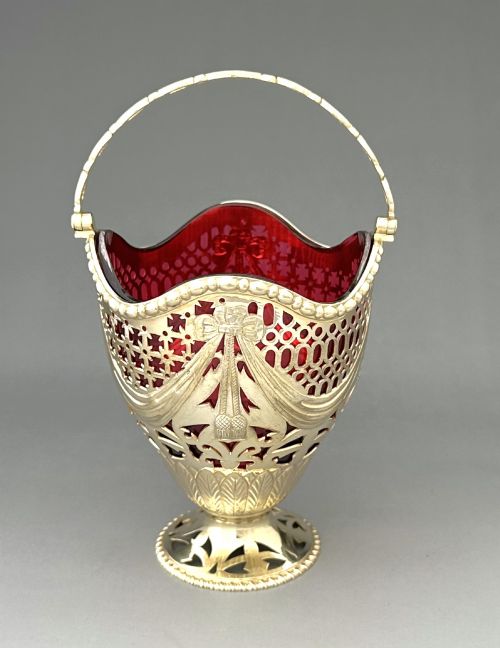
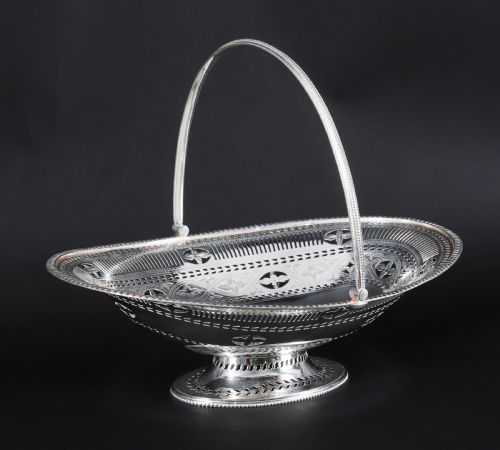
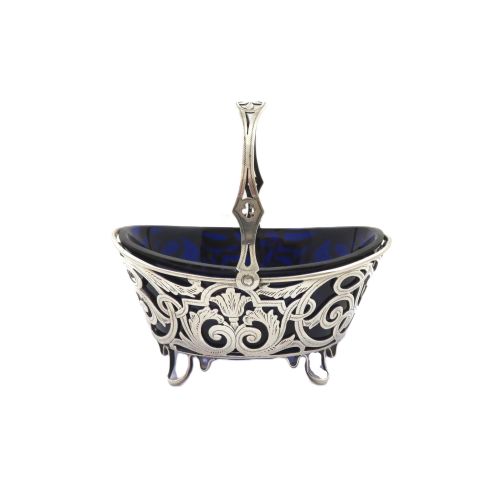
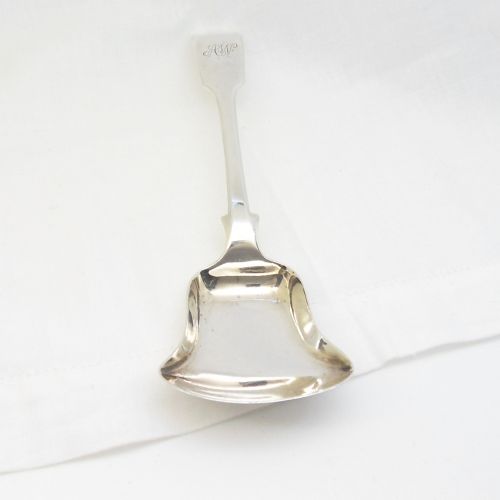
You are most likely to meet sterling silver and silver plated bowls, often paired with glass liners in cranberry or vaseline colours. Baskets with swing handles and pierced decoration appear frequently alongside specialised spoons and tongs.
The selection spans from the mid nineteenth century into the Edwardian era, incorporating styles such as Rococo revival, Neoclassical and Georgian revival forms. Makers utilise traditional methods to shape hollowware and flatware for daily household use.
Materials and methods
Silversmiths constructed sugar bowls, casters and baskets primarily from sterling silver or electroplated nickel silver, employing techniques like casting, piercing and hammering. Many items feature swing handles, pedestal feet and chased floral or geometric decoration applied by hand.
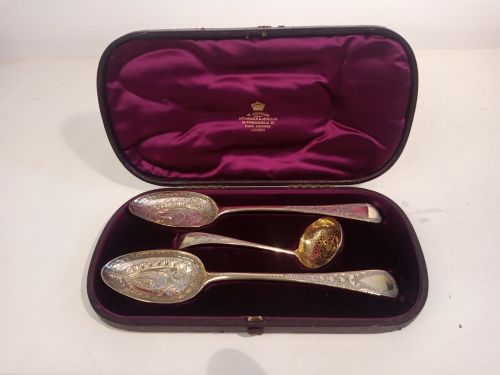
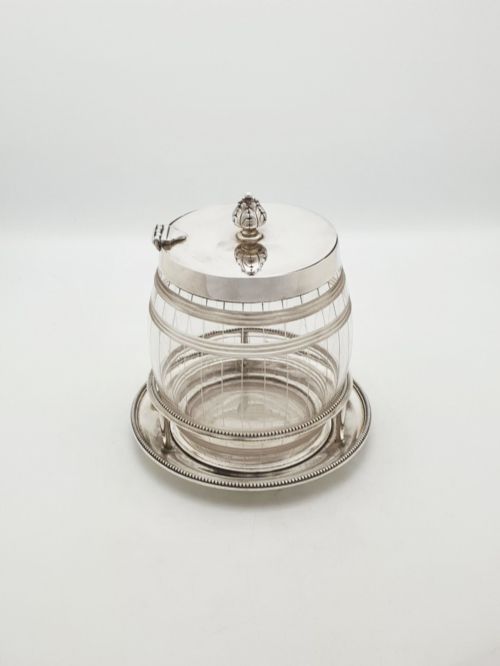
Glass liners in cranberry, amber or vaseline shades complement open silver baskets and biscuit barrels, often secured within pierced metal frameworks. Artisans also utilised silver gilt finishes to coat the interior of bowls and spoons, protecting the metal from corrosive contents.
Victorian Silver Sugar Retail Price Guide 2026
Typical asking prices for victorian silver sugar among the pieces listed under this phrase on Sellingantiques today, from the lower quarter to the upper quarter. They describe what is for sale here now, not the wider market.
Listings feature sterling silver, silver plate, cranberry glass and velvet across Victorian and Edwardian periods.
Assessing quality in sugar tableware
The distinction between standard and superior pieces rests on the weight of the metal and the crispness of the chasing or piercing. Heavy gauge sterling silver items retain structural integrity and sharp decorative details without distortion.
Refinement in execution dictates overall excellence, visible in the balance of a pedestal foot, the articulation of a cast floral handle, and the precise fit of a coloured glass liner within its silver basket.
George William Adams·John Walton·Elkington·Daniel Arter
The Victorian Silver Sugar Glossary
- Sugar Caster
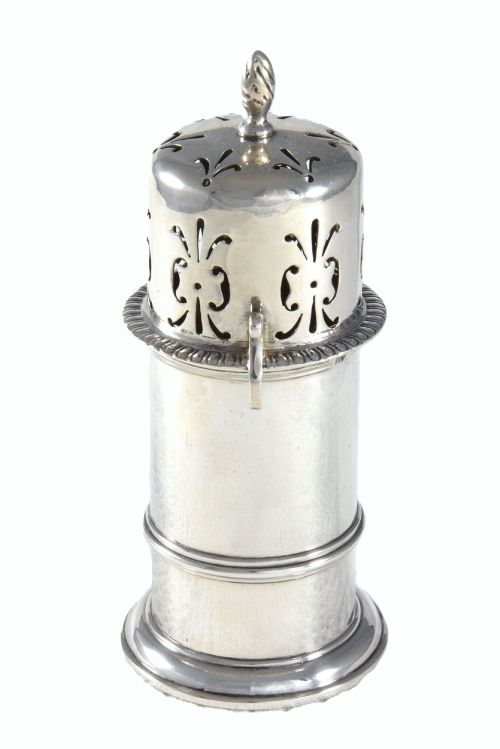
- A perforated container used for sprinkling powdered sugar over food. These vessels typically feature a pierced dome-shaped lid and a weighted base.
- Sugar Tongs
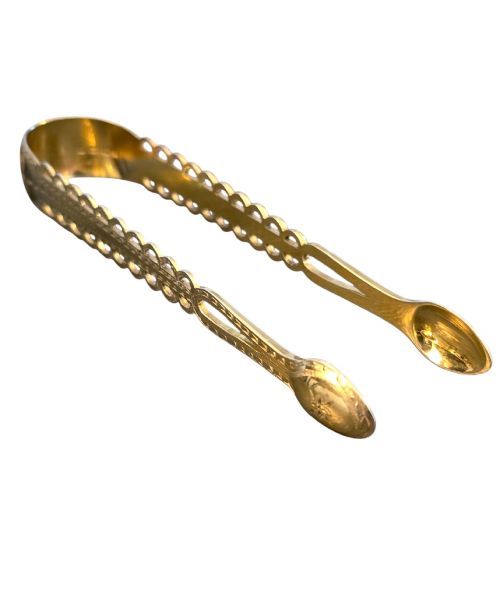
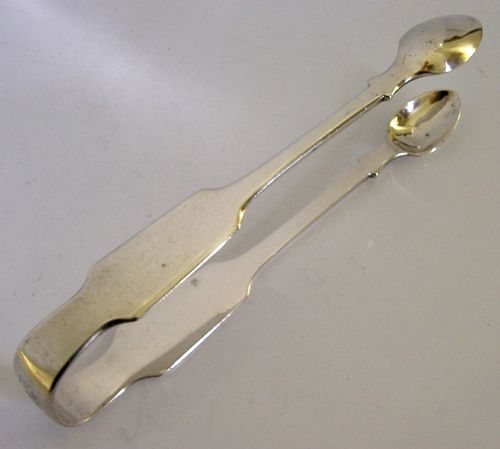
- Small utensils designed for lifting sugar lumps safely from a bowl to a cup. They often incorporate spring arms and decorative terminal ends.
- Silver-Gilt
- Silver that has been coated with a thin layer of gold on its surface. This technique provides a rich yellow finish while utilising a silver base.
- Biscuit Barrel
- A covered container intended for storing dry biscuits or sweets on the sideboard. Examples frequently combine ceramic or glass bodies with metal stands and lids.
Victorian Silver Sugar: Frequently Asked Questions
What is a sugar sifter?
A sugar sifter is a specialised spoon or small ladle featuring a perforated bowl designed to scatter fine sugar over dishes.
These implements accompany bowls and baskets in tableware sets from the nineteenth century.
How do you clean silver sugar bowls?
Clean silver sugar bowls using a soft cloth and specialised silver polish to remove tarnish without scratching the metal.
Avoid abrasive materials that might damage engraved details or gilt interiors.
Are glass liners original?
Glass liners are often original components designed to fit securely inside open silver baskets and bowls.
Cranberry and vaseline glass inserts protect the metal from moisture and acids present in jams or fruit.
How can I date these pieces?
Dating relies upon hallmarks stamped into the silver, which indicate the assay office, standard of metal, and year of manufacture.
Stylistic cues such as neoclassical piercing or rococo revival scrolling also help determine the period.