
Victorian Silver Stick
A victorian silver stick combines practical support with ornamental handles, concealing blades, watches, or snuff boxes beneath decorative silver work.
Victorian Silver Stick
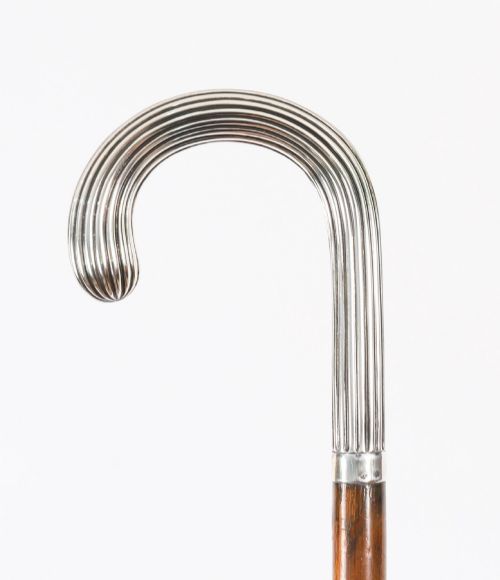
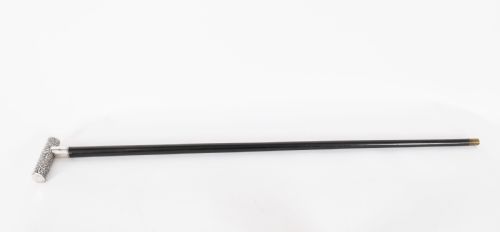
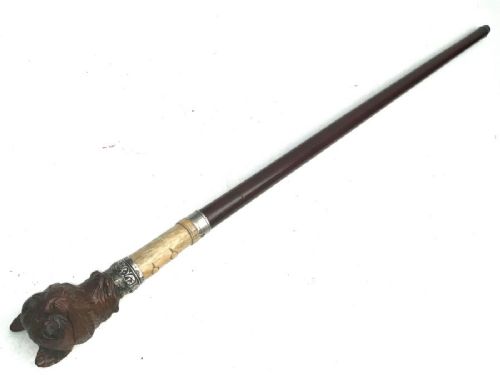
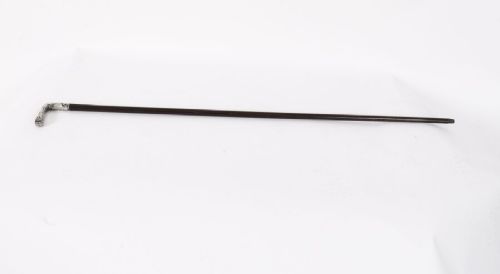
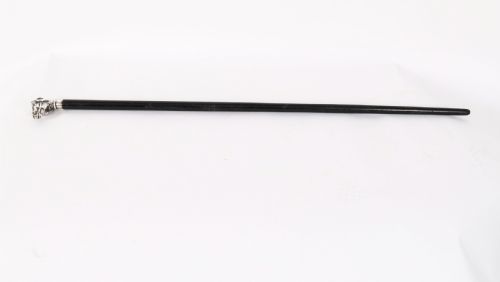
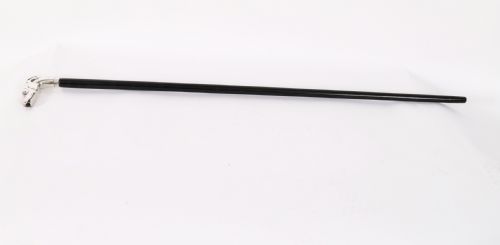
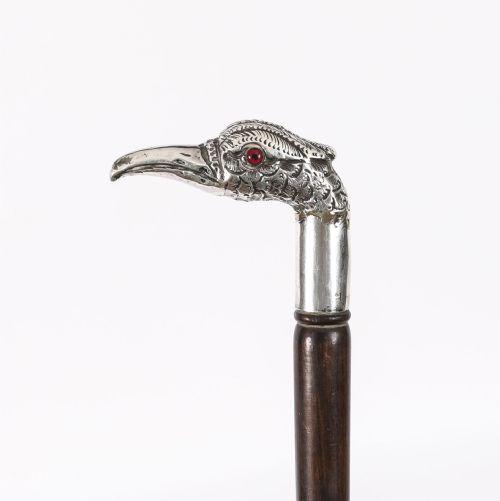
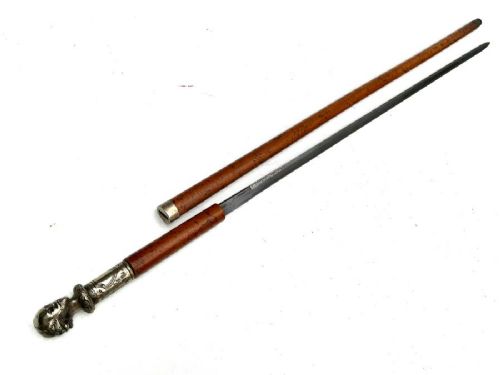
A buyer examining a victorian silver stick typically encounters walking canes and support sticks featuring ornate metallic handles alongside lighting items such as chambersticks and candlesticks. The walking stick category frequently incorporates functional additions like hidden sword blades, corkscrews, or snuff compartments.
The inventory spans the nineteenth century, including specific dates from the eighteen-eighties and nineties alongside broader Victorian designations. Examples originate from English workshops, French makers, and continental European regions.
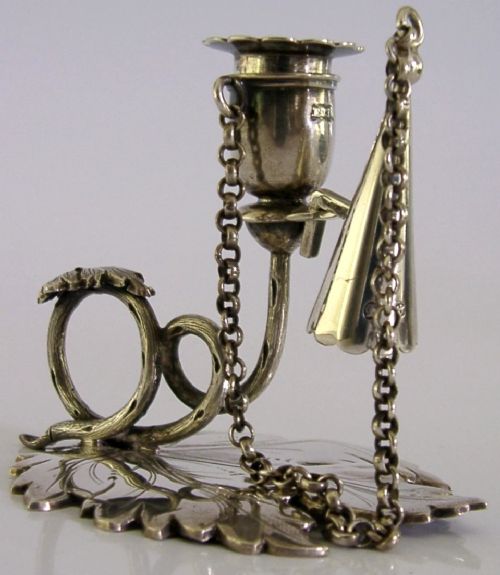
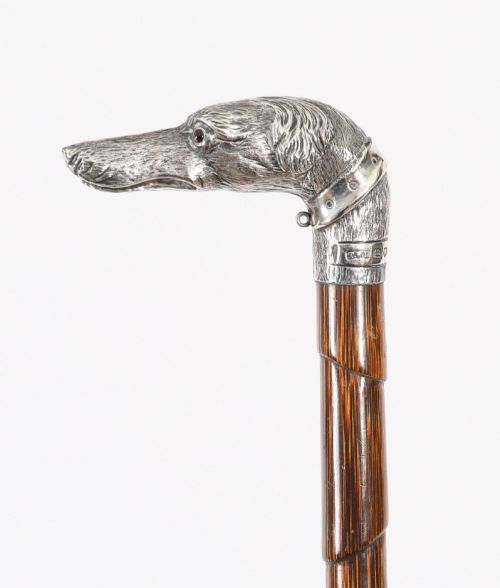
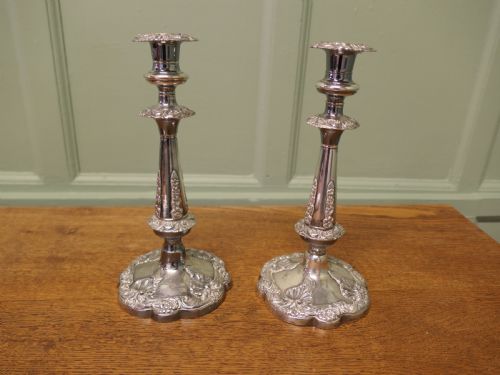
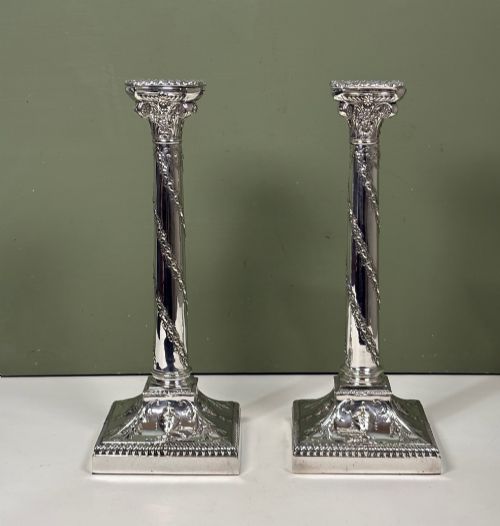
Lighting accessories appear as chambersticks, desk candlesticks, and paired table candlesticks in both sterling silver and silver plate. These domestic items sit alongside walking canes featuring animal heads, botanical motifs, and architectural column designs.
Materials and Technique
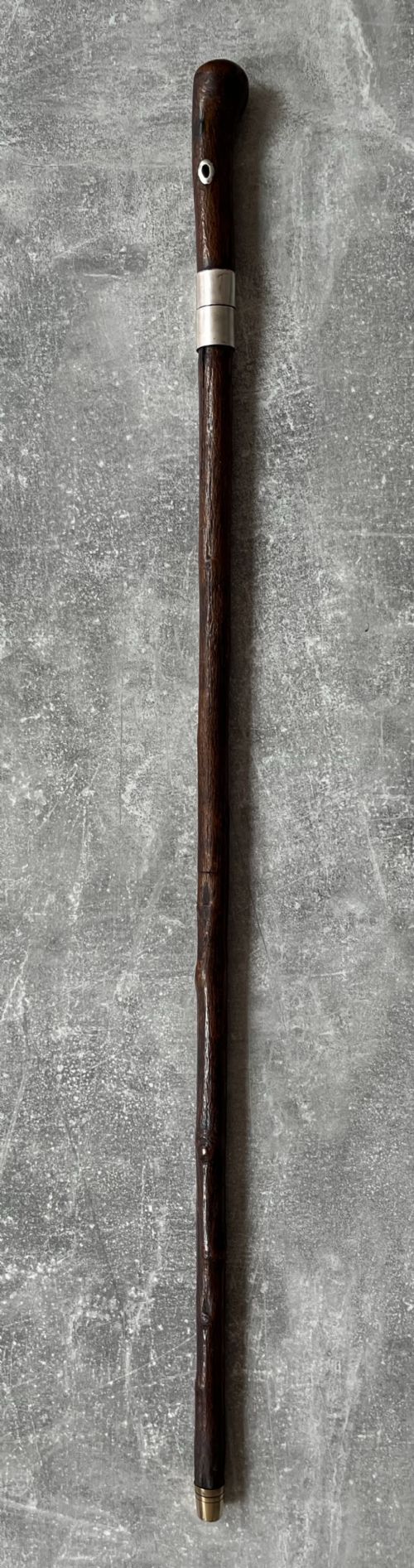
Walking sticks utilise shafts formed from wood, malacca, ebonised wood, hazel, rosewood, and snakewood, paired with handles cast or embossed in silver and silver plate. Metal components such as steel blades, brass collars, and pewter fittings provide structural integrity to concealed mechanisms.
Candlesticks and chambersticks employ sterling silver and silver plating over base metal cores, occasionally incorporating glass, horn, tortoiseshell, or ceramic elements. Manufacturing methods combine metal casting, silver chasing, and wood turning to achieve the finished domestic and walking items.
The listings combine walking canes and lighting items across the nineteenth century, featuring silver, wood, brass, and tortoiseshell materials.
Craftsmanship and Detail
The standard of a victorian silver stick rests upon the crispness of the handle cast work and the structural fit of any concealed mechanism. Superior walking canes exhibit detailed animal carving, secure collars, and tightly fitted sword blades or watch movements.
Table candlesticks and chambersticks demonstrate excellence through heavy gauge silver construction, distinct hallmarks, and well-preserved decorative motifs such as Corinthian columns or leaf designs. Lesser examples display worn plating, thinning metal on raised edges, or loose handle joints.
Brigg·Wilkinson·Wang Hing and Company·William Comyns·Hukin and Heath·Carrington and Co
The Victorian Silver Stick Glossary
- Hallmark
- An official stamp applied to precious metals indicating the assay office, metal standard, and date of manufacture. These small stamped marks help establish the exact origin of silver items.
- Chamberstick
- A low portable candlestick fitted with a handle and a small pan to catch dripping wax. They were carried through houses before the installation of electric lighting.
- Sword Stick
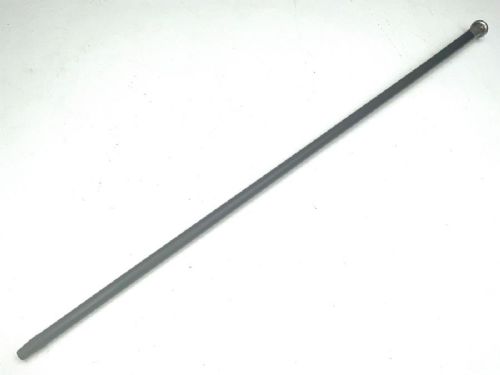
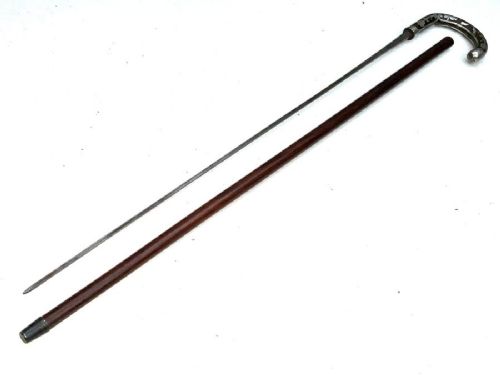
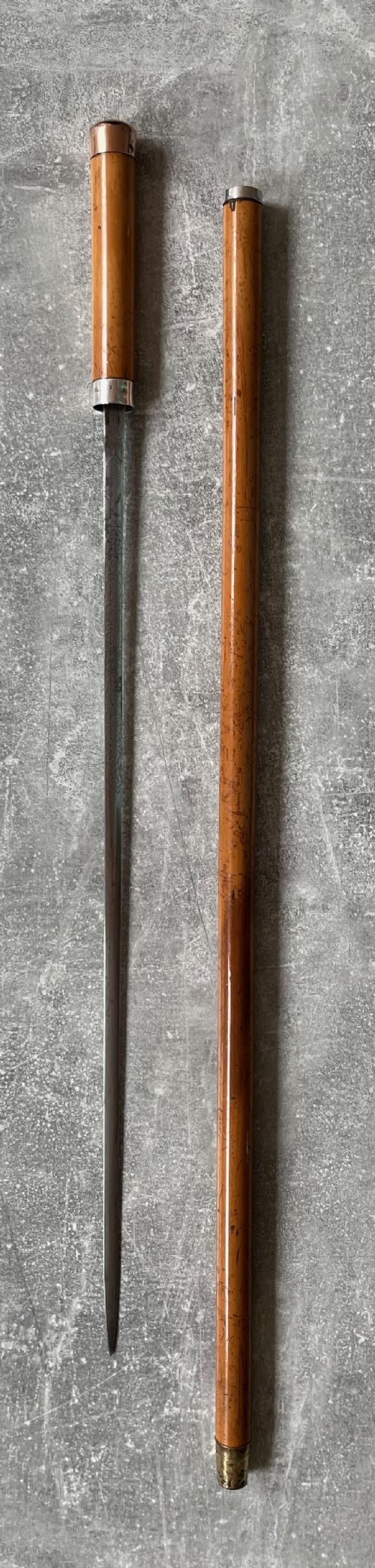
- A walking cane containing a concealed steel blade within the wooden shaft. These items combined personal defence with daily support.
- Silver Plate
- A thin layer of silver bonded to a base metal core such as copper or brass. This technique offered the appearance of solid silver at a lower cost.
- Knop
- A decorative knob, rounded lump, or protuberance on the handle of a cane or the stem of a candlestick. It provides a secure grip for the hand.
Victorian Silver Stick: Frequently Asked Questions
What is a chamberstick?
A chamberstick is a low portable candlestick featuring a wide drip pan and a loop handle for carrying by hand. People used them to light their way through dark hallways before modern domestic lighting.
These pieces typically sit flat on a table when not in transit and frequently include a small conical snuffer. Nineteenth-century examples appear in both sterling silver and silver-plated metal.
How do sword sticks work?
A sword stick conceals a steel blade inside the hollow wooden shaft of a walking cane. The handle locks securely into the top of the shaft to keep the blade hidden during normal use.
Owners release the mechanism by unscrewing or unlatching the handle before drawing the blade. Many nineteenth-century versions feature maker stamps from notable cutlers on the steel.
What materials form the shafts?
Shafts utilise dense natural timbers including malacca, snakewood, rosewood, hazel, and ebonised wood. These woods were selected for their straight grain, flexibility, and strength under weight.
Selected walking sticks also incorporate leather, snakeskin effect coverings, or horn sections alongside metal collars. The choice of wood often indicates the period and intended style of the cane.
How are dates identified?
Dates on silver items are identified through official hallmarks stamped directly onto the metal surface. These marks indicate the assay office, the purity standard, and a specific date letter.
Unmarked pieces or those made from silver plate rely on stylistic clues, historical form, and manufacturer records. Walking sticks without silver mounts are dated by their construction style and mounting details.