
Victorian Silver Plated Candlesticks
These robust victorian silver plated candlesticks bring nineteenth-century dining tables to life with bright metal and traditional classical forms.
Victorian Silver Plated Candlesticks
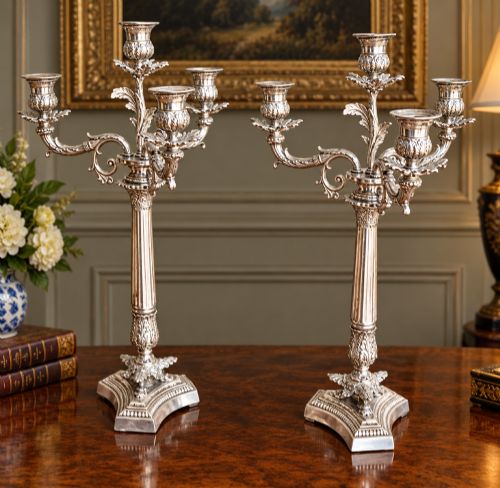
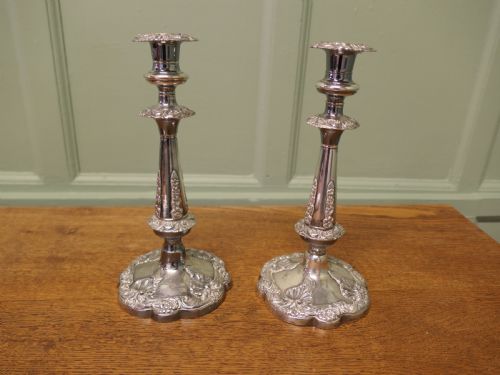
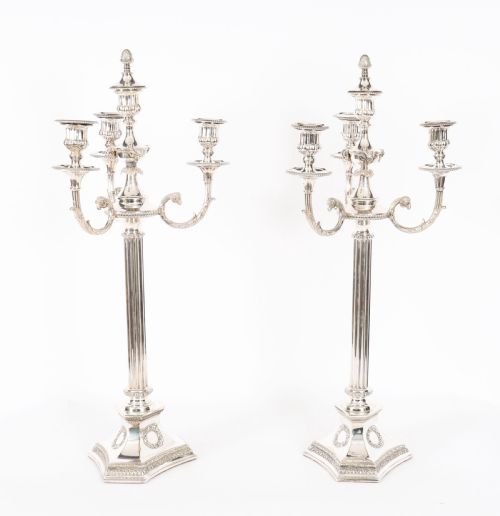
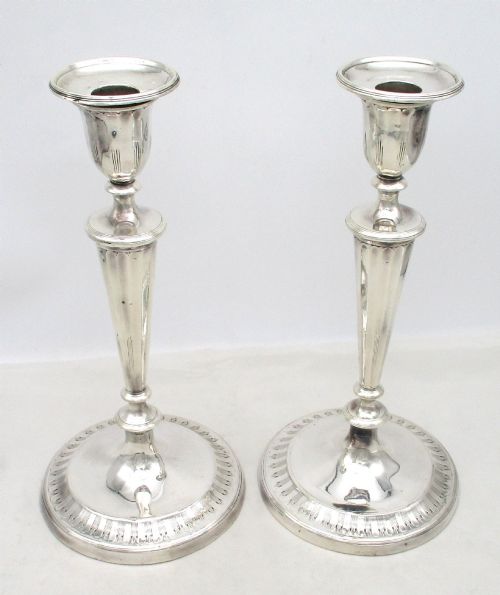
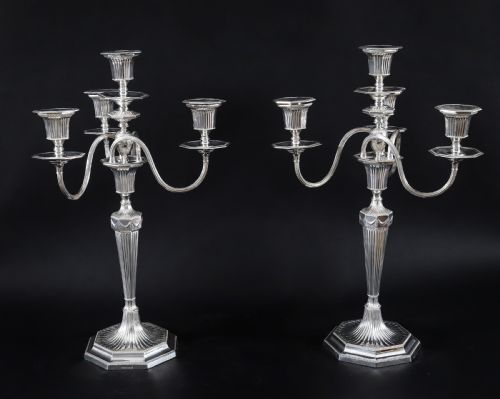
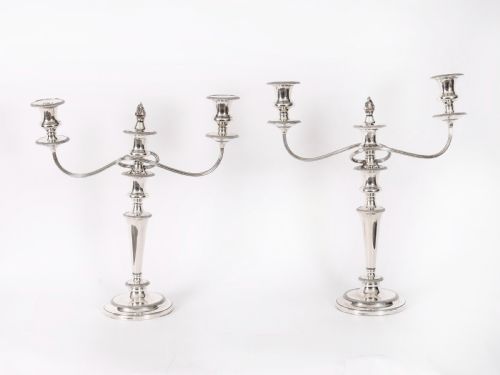
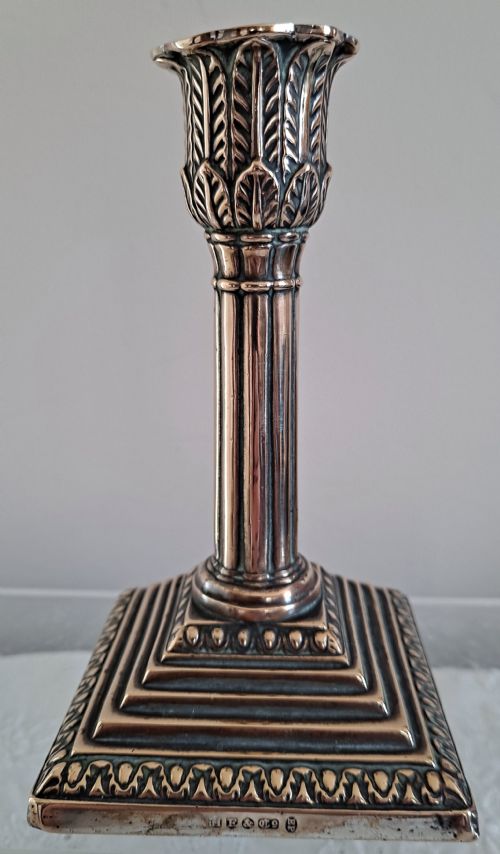
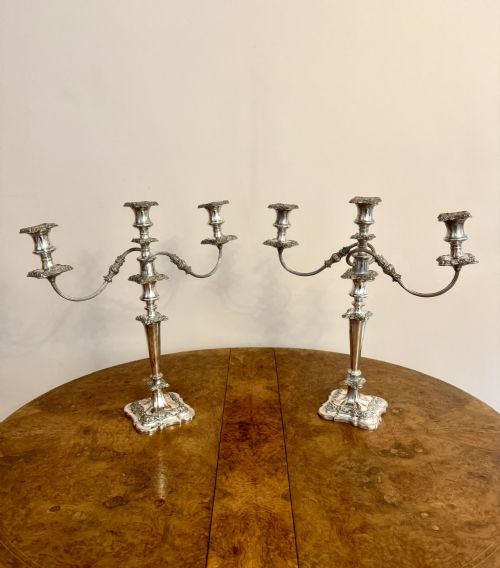
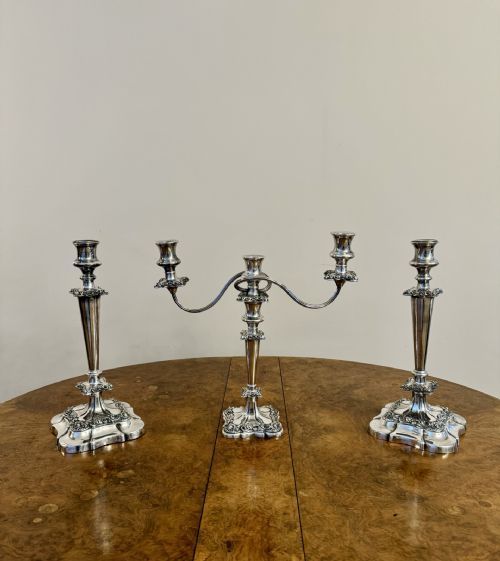
Victorian silver plated candlesticks encompass a range of functional lighting forms produced across the nineteenth century, including paired standards, desk accessories, and larger multi-light candelabras.
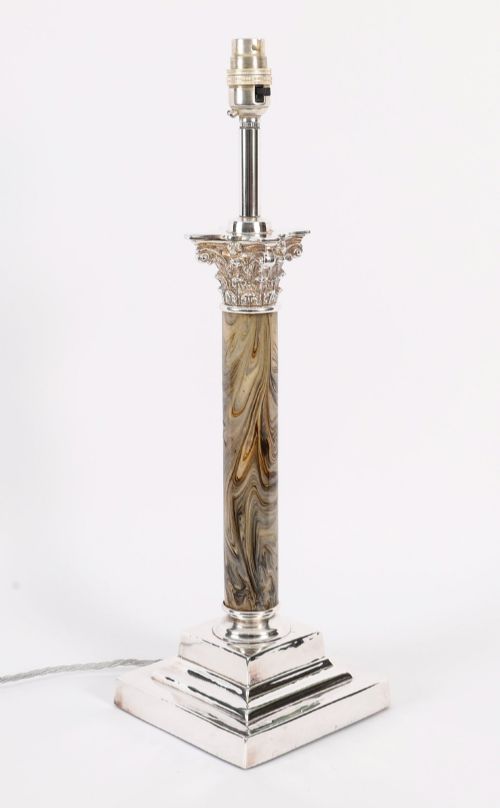
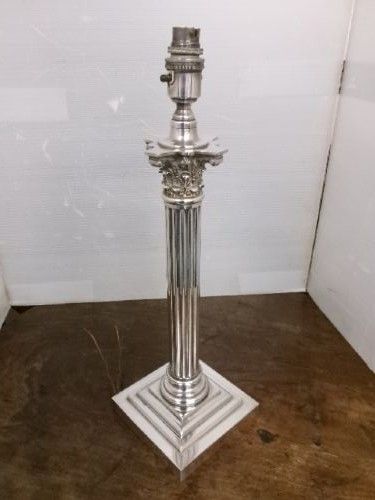
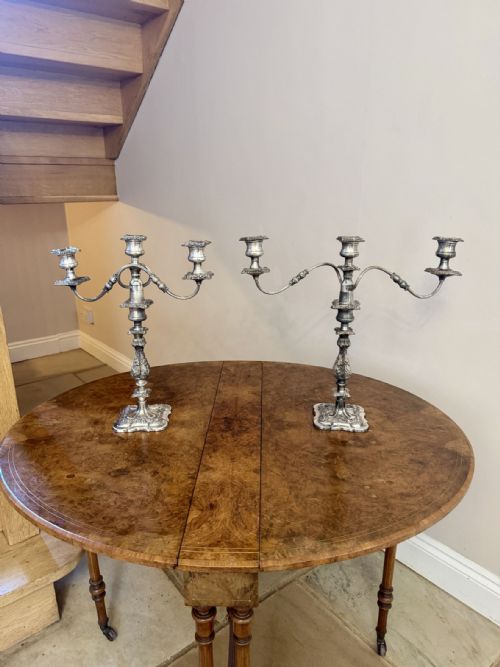
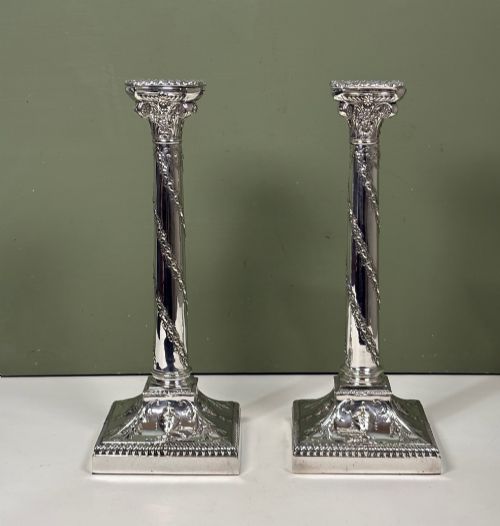
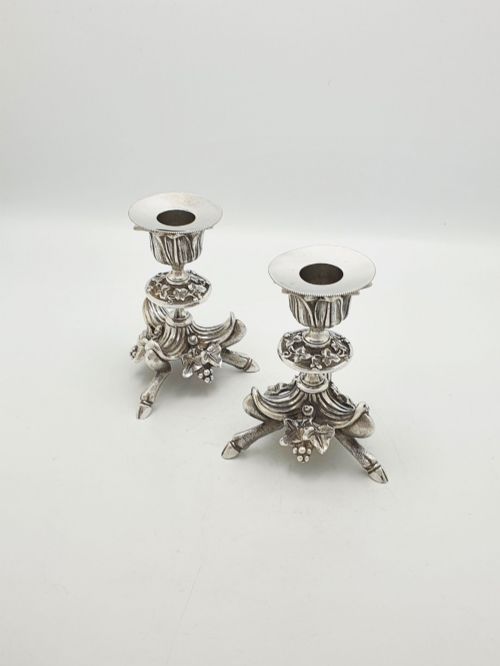
The objects frequently display revival styles such as Neoclassical Corinthian columns or ornate Rococo curves alongside practical telescopic designs and chamber candlesticks.
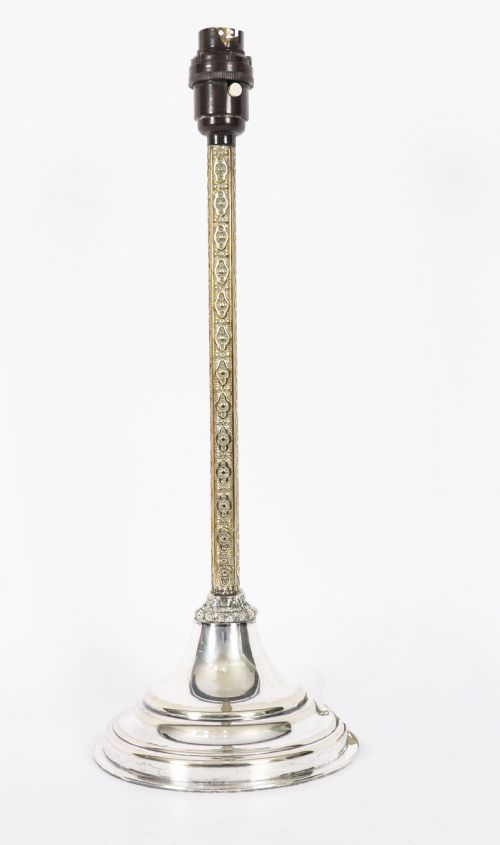
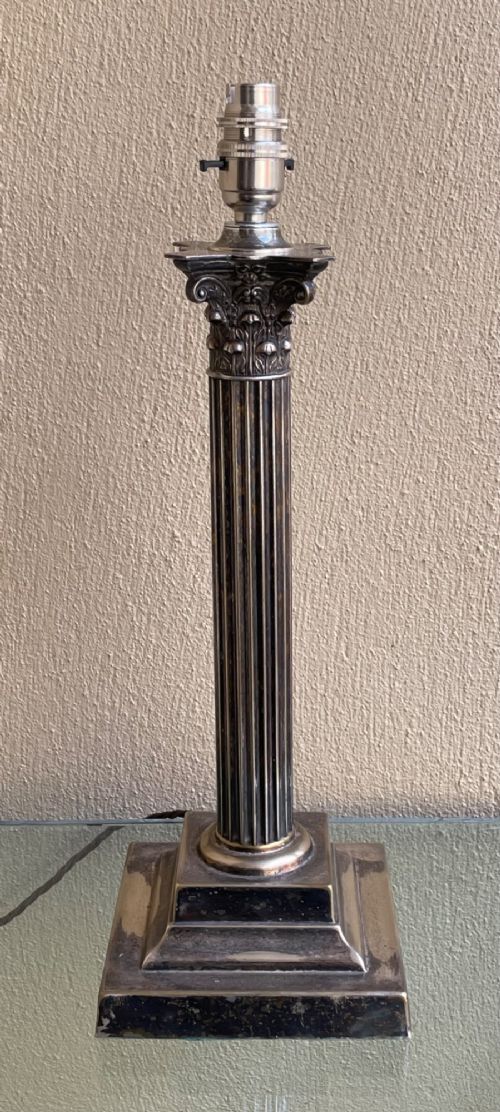
Makers utilised durable base metals like brass, copper, and nickel silver beneath a layer of precious metal, sometimes adapting pieces later into table lamps.
Materials and construction
Manufacturers relied on electroplated nickel silver and Sheffield plating techniques to bond thin layers of silver onto robust copper, brass, or mixed metal foundations.
Components were often cast in sections and soldered together, allowing makers to achieve intricate relief ornamentation on bases, stems, and removable sconces without excessive weight.
Listings demonstrate a strong preference for classical revival styles, with Corinthian columns appearing frequently alongside ornate Rococo floral designs.
Assessing quality and finish
Superior items demonstrate crisp casting details in the foliate or classical motifs, where crisp edges survive years of cleaning and handling.
The thickness and durability of the original plating layer dictate how well the piece retains its silver surface over the underlying base metal.
Mappin & Webb's·Hawksworth Eyre·Garrard & Co·WMF·Smith & Sissons & Co·Harrison Brothers & Howson·Veritas Lamp Works·Elkington·William Hutton
The Victorian Silver Plated Candlesticks Glossary
- Electroplated nickel silver
- A base metal alloy of copper, nickel, and zinc coated with an electrical deposit of silver. This technique became widespread during the Victorian era for domestic metalware.
- Sheffield plate
- An older method of fusing a sheet of silver to a thicker copper ingot before rolling them together into sheets. Older items often reveal traces of copper along high points and edges.
- Sconce
- The detachable metal cup fitted to the top of a candlestick to catch dripping wax. These pieces are easily lost and their presence adds value to the set.
- Chamber candlestick
- A low candle holder fitted with a shallow pan and a ring handle designed for carrying through dark hallways. They frequently include a matching metal snuffer.
- Corinthian column
- A classical architectural style featuring capital ornamentation carved with acanthus leaves. Many nineteenth-century lighting standards adopt this exact column profile.
Victorian Silver Plated Candlesticks: Frequently Asked Questions
How do I clean tarnished silver plate safely?
Use a soft cloth and a gentle cream specifically formulated for silver plate to remove tarnish without scrubbing away the thin metallic layer.
Avoid abrasive dips or harsh brushes that can permanently strip the historic finish down to the underlying brass or copper base.
Were these originally meant for candles or electricity?
Almost all surviving examples started life holding wax candles or oil before later conversions adapted them for modern household electric wiring.
Original candlesticks often retain removable drip sconces, while converted lamps frequently feature weighted bases and drilled internal channels.
How can I tell a true Victorian pair from later reproductions?
Examine the weight, construction seams, and wear patterns on the underside to verify nineteenth-century manufacturing methods.
Genuine pieces often show minor hand-finishing irregularities and genuine silver wear that modern reproductions fail to replicate accurately.
Why do some candlesticks have detachable sections?
Makers designed upper sconces and middle stems to detach so users could clean hardened wax deposits away with greater ease.
This modular construction also allowed nineteenth-century workshops to interchange components across various candelabra and single candlestick lines.