


Victorian Silver Plate Box
A victorian silver plate box brings functional elegance to a sideboard, offering a durable and decorative home for biscuits, tobacco, or trinkets.
Victorian Silver Plate Box
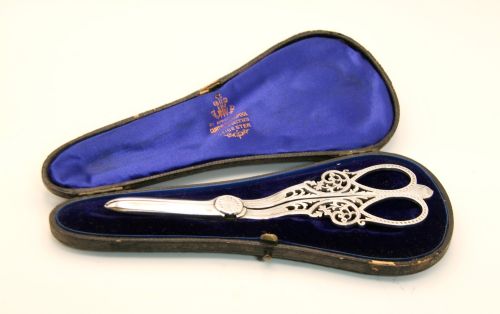
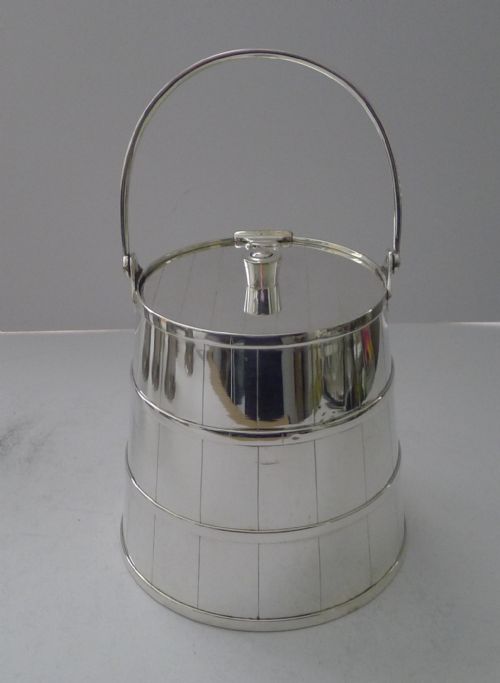
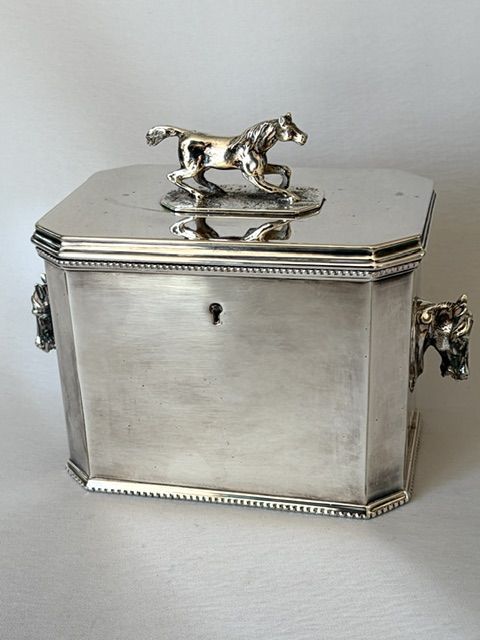
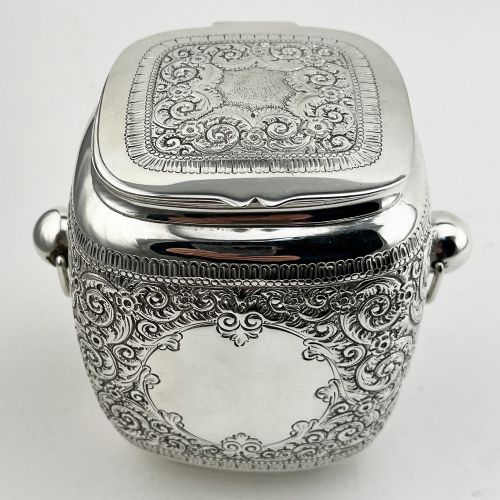
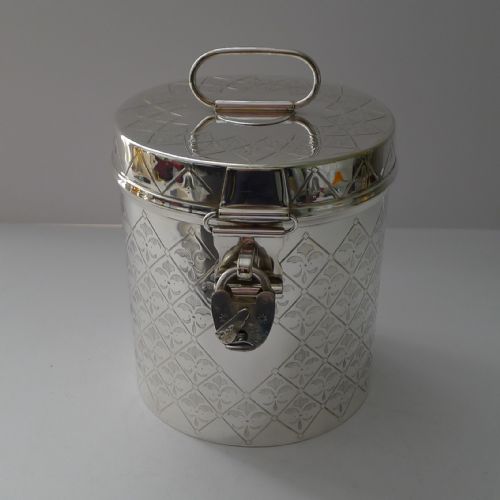
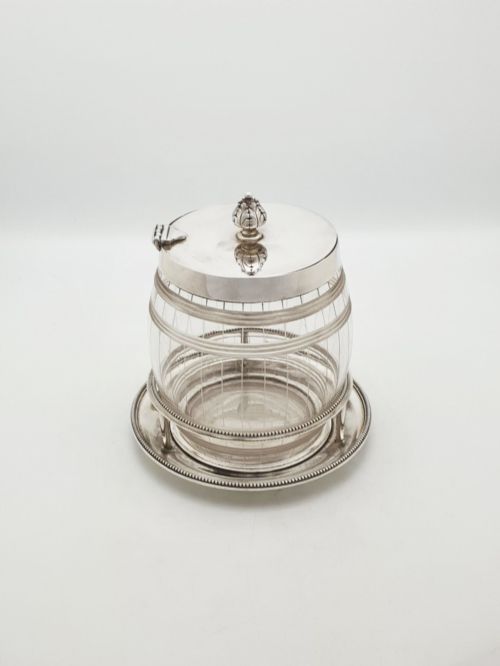
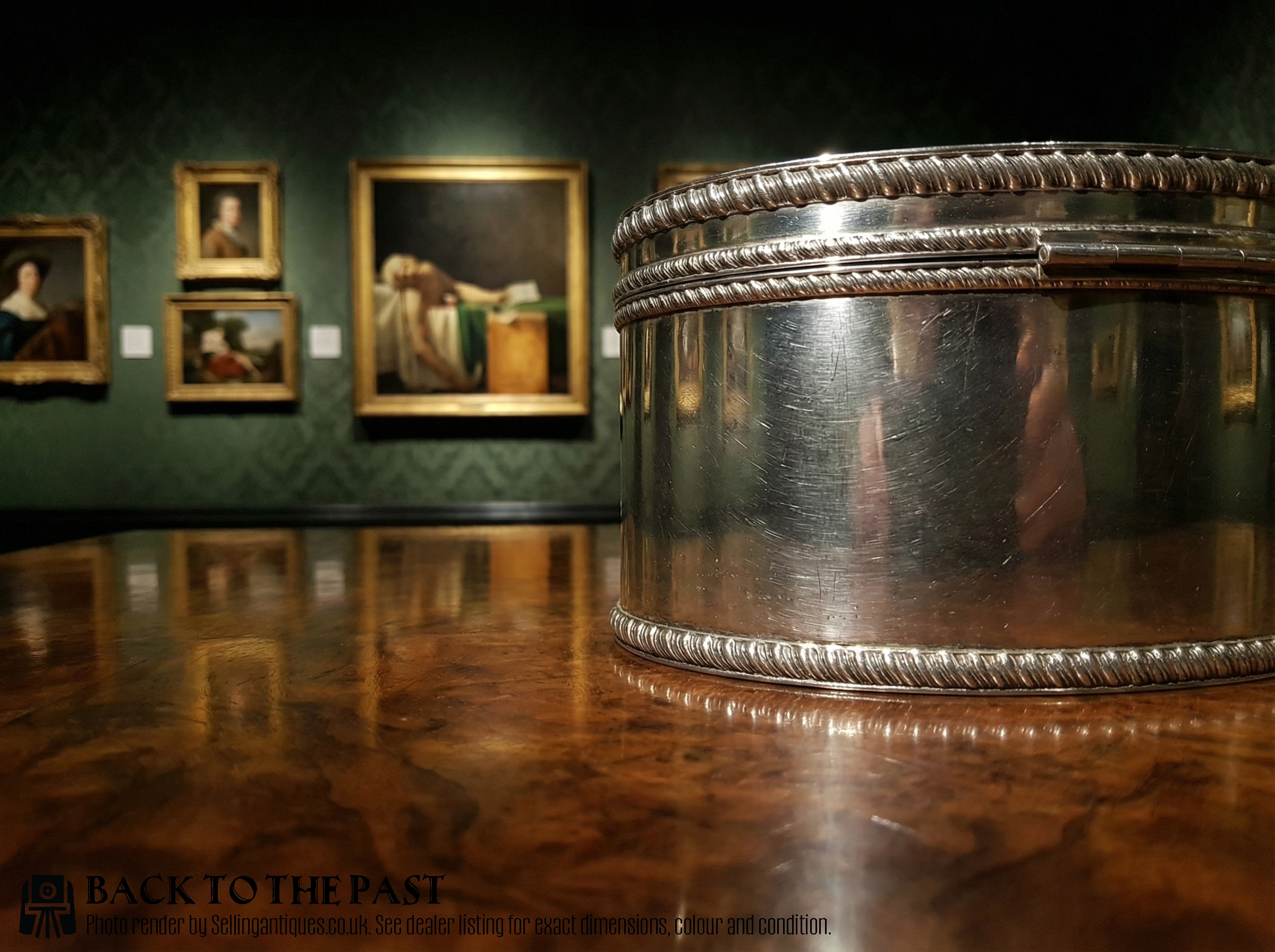
When searching for a victorian silver plate box, collectors encounter a diverse array of containers designed for specific domestic uses during the nineteenth century. The most common forms on this page include cylindrical biscuit barrels, locking cigar and tobacco containers, and hinged tea caddies or jewellery caskets.
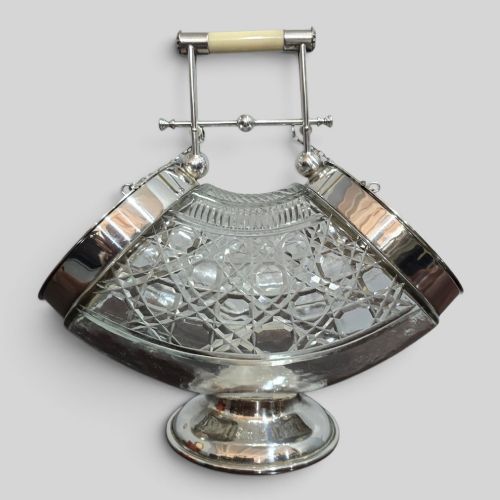
Makers also produced novelty boxes modelled as weights, trunks, or thatched roofs alongside shell-shaped folding biscuit containers. These pieces reflect the Victorians' taste for combining utility with playful design in everyday household objects.
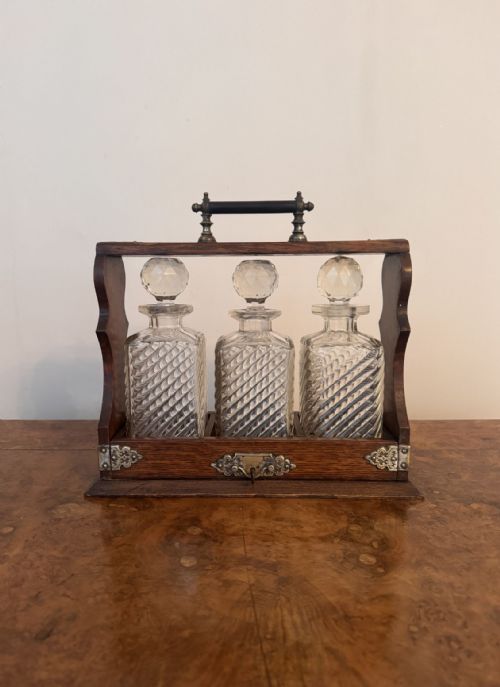
Dating primarily from the mid-Victorian era through to the Edwardian period, these items frequently combine metalwork with supplementary materials like cut glass, oak, and velvet interiors.
Materials and Construction
Many containers incorporate heavy cut glass bodies, hobnail cutting, or cranberry glass liners secured beneath elaborate plated hinges, finials, and cast handles. Artisans embellished surfaces through embossing, engraving, and intricate applied motifs such as heraldic dragons or floral scrolls.
Listings feature items spanning the nineteenth and early twentieth centuries, incorporating materials like oak, velvet, cut glass, and brass.
Assessing Quality and Execution
Quality in a victorian silver plate box rests upon the crispness of the cast mounts, the depth of any repoussé embossing, and the structural integrity of the internal fittings. Superior examples feature well-engineered mechanical actions, such as rolling lids or secure locking mechanisms that operate smoothly.
The choice of secondary materials also signals standard, with thick, clear cut glass bodies and substantial timber framing marking out better workshop production. Maker marks from established Sheffield and Birmingham silver smiths further distinguish finer historical pieces from standard commercial wares.
Martin Hall And Co·Mappin And Webb·Elkington·Thomas Bradbury·Robert And Belk·Walker And Hall·William Hutton·Lee And Wigfull·Fenton Bros·Deykin And Sons·Hukin And Heath·Henry Wilkinson And Co·John Grinsell And Son
The Victorian Silver Plate Box Glossary
- Silver Plate
- A thin layer of silver bonded or electroplated onto a base metal core such as brass, nickel, or copper. This technique allowed Victorian manufacturers to produce opulent tableware at a fraction of the cost of solid sterling silver.
- Old Sheffield Plate
- An earlier method of fusing a sheet of silver to a copper core before shaping the combined metal. Pieces created this way often display subtle hints of the underlying copper peeking through high points of wear.
- Biscuit Barrel
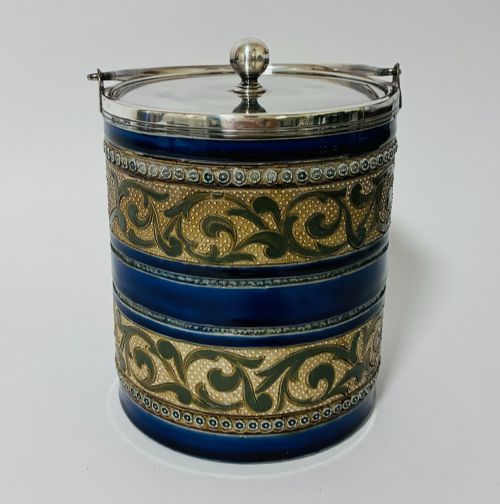
- A dedicated container designed to keep dry biscuits crisp on the Victorian dining table. They frequently feature ceramic or cut glass bodies encased in ornate silver-plated frames with swinging handles.
- Finial
- A decorative knob or ornamental feature attached to the top of a box lid. On these pieces, they often take figurative or naturalistic forms like animals, shells, or floral motifs.
- Repoussé
- A metalworking technique where the artisan hammers the design from the reverse side to create a raised pattern in relief. Victorian boxes often utilise this method to display dense scrollwork and floral imagery.
Victorian Silver Plate Box: Frequently Asked Questions
What were silver plate boxes originally used for?
These containers served specific domestic storage roles in Victorian homes, housing items like dry biscuits, loose leaf tea, cigars, and personal jewellery. They were kept in dining rooms, studies, and drawing rooms for easy access by family and guests.
Many featured specialised internal dividers, velvet linings, or locking lids to protect valuable contents or keep perishable foodstuffs fresh during social gatherings.
How do I care for antique silver plate?
Maintenance requires gentle cleaning with a soft microfibre cloth and a mild, non-abrasive silver polish formulated specifically for plated items. Avoid aggressive scrubbing, which can wear away the thin silver layer and expose the base metal beneath.
When storing or displaying these boxes, keep them away from direct sunlight and damp environments to protect both the metal surfaces and any internal wooden or velvet elements.
How can I tell the period of a box?
Dating relies on a combination of stylistic clues, registration numbers, and stamped maker marks located on the base or rim of the metal mounts. Aesthetic movements such as Arts and Crafts, Art Nouveau, or distinct Victorian revival styles offer clear chronological indicators.
Changes in manufacturing techniques, such as the transition from Old Sheffield Plate to electroplating around the mid-nineteenth century, also help narrow down the production era.
Are cut glass liners original to the pieces?
In many biscuit barrels and dresser boxes, the cut glass or ceramic liner was manufactured specifically to fit the dimensions of the outer metal frame. Original liners generally show matching wear patterns, proper seating within the mount, and period-appropriate glass cutting styles like hobnail.
Replacements do occur due to accidental breakage over the decades, so checking the fit and glass quality helps determine originality.