





Victorian Silver Pin Dishes
Victorian silver pin dishes are small dressing table accessories crafted for vanity use, offering elegance and practical storage for daily trinkets.
Victorian Silver Pin Dishes
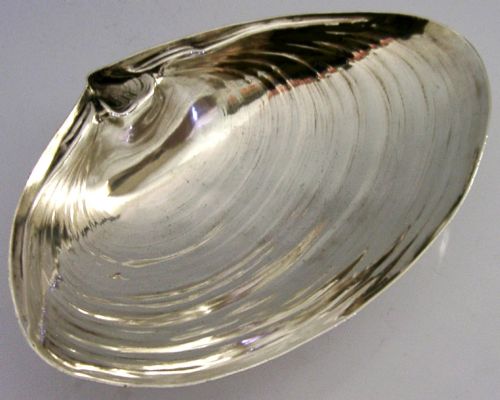
Victorian silver pin dishes encompass small vessels designed for dressing tables and vanity surfaces during the nineteenth century. These objects function as convenient receptacles for pins, rings, and small personal items.
Originating predominantly from the Victorian period, these pieces occasionally extend into Edwardian and later twentieth-century dates. Makers worked within established nineteenth-century styles to produce decorative tableware and vanity accessories.
Materials and construction
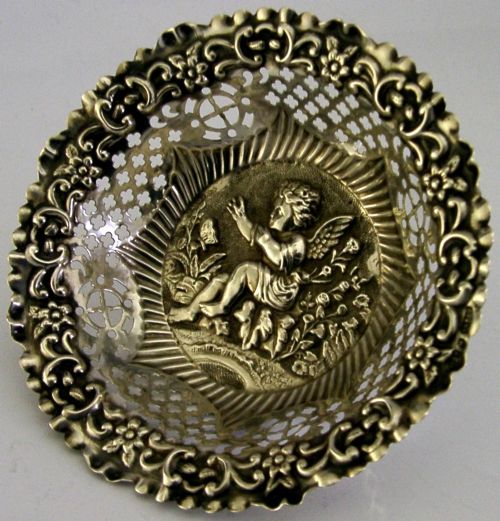
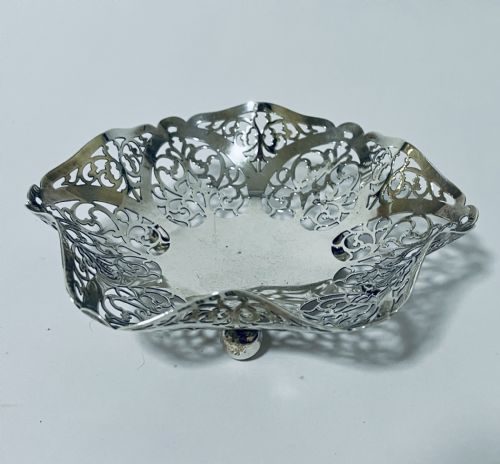
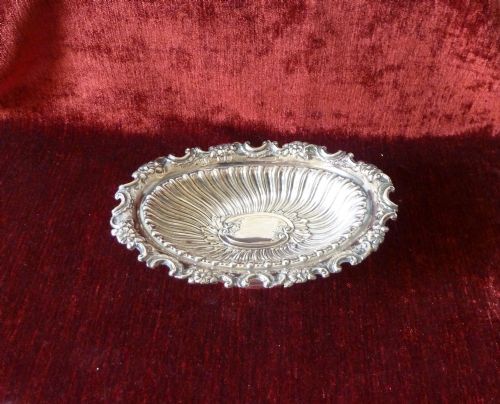
Silversmiths utilised sterling silver and silver plate to shape these small dishes, frequently employing techniques such as piercing, embossing, and repoussé. Hallmarks stamped into the metal record the assay office, year, and maker.
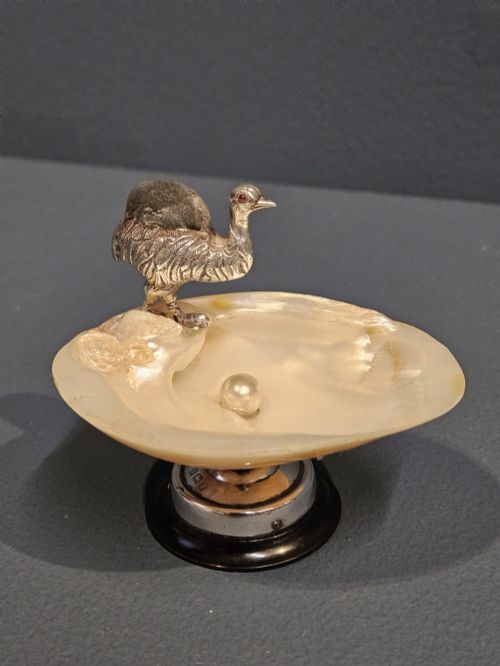
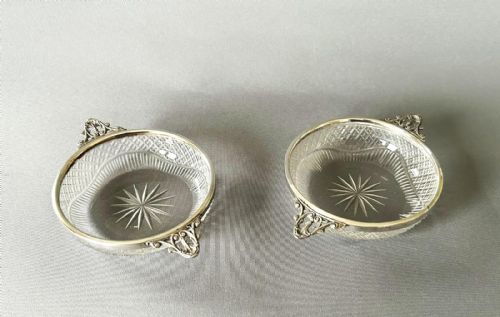
Combinations of materials define specific pieces, incorporating cut glass bodies with silver rims or carved horn fitted with silver mounts. Interior linings of velvet and satin appear in fitted cases accompanying pairs of dishes.
Victorian Silver Pin Dishes Retail Price Guide 2026
Typical asking prices for victorian silver pin dishes among the pieces listed under this phrase on Sellingantiques today, from the lower quarter to the upper quarter. They describe what is for sale here now, not the wider market.
Silversmiths occasionally shaped these vanity vessels as fluttering leaves or anatomical hearts, ensuring pins rested in surprisingly organic company.
Assessing quality and workmanship
Quality in these dishes rests upon the crispness of the chasing and the weight of the metal used by the silversmith. Finer examples display deeply defined decorative motifs and substantial sterling silver construction rather than thin plating.
The involvement of noted makers elevates the status of a piece, as seen in items bearing specific workshop marks. Additionally, matched pairs and complete cased sets demonstrate greater original intention than single, isolated dishes.
William Comyns·James Hennell·William Padley
The Victorian Silver Pin Dishes Glossary
- Sterling silver
- An alloy containing a high proportion of pure silver mixed with small amounts of other metals to increase durability. This standard material is marked with specific symbols indicating its fineness.
- Bonbon dish
- A small, decorative bowl intended for holding sweets or small confectionery. These items often feature pierced or footed designs suitable for display on a table.
- Repoussé
- A metalworking technique where the artisan hammers the metal from the reverse side to create a raised design on the front. This method adds textural depth to floral and scrollwork patterns.
- Hallmark
- A series of official marks stamped onto precious metal items to guarantee the purity of the metal, the assay office, and the year of manufacture. These stamps provide a reliable method for dating silver.
- Dressing table tray
- A shallow tray designed for a vanity surface to hold jewellery, hairpins, and cosmetics. They appear in various geometric and figural shapes.
Victorian Silver Pin Dishes: Frequently Asked Questions
How do I date a silver dish?
Dating relies heavily on the hallmarks stamped directly onto the silver, which indicate the specific assay office and year of manufacture. Stylistic clues such as floral repoussé work also point towards the Victorian or Edwardian eras.
Comparing the maker's mark against historical records confirms the active working period of the silversmith who produced the piece.
How were these dishes used originally?
Owners placed them on dressing tables and vanity trays to keep loose pins, buttons, and jewellery tidy during daily routines. Bonbon variants specifically served small confectionery in entertaining spaces.
Their decorative nature meant they functioned as ornamental display pieces in bedrooms and parlours as much as practical containers.
How should I care for antique silver?
Preserving the metal requires gentle cleaning with a specialised silver cloth to remove tarnish without abrading the surface. Avoid harsh chemical dips that strip away the natural patina accumulated over decades.
Storing pieces away from direct moisture helps maintain the condition of any integrated materials like velvet or horn.