



Sterling Silver Nut Dishes
Sterling silver nut dishes bring modest elegance to a dining table, offering compact vessels designed for serving small morsels.
Sterling Silver Nut Dishes
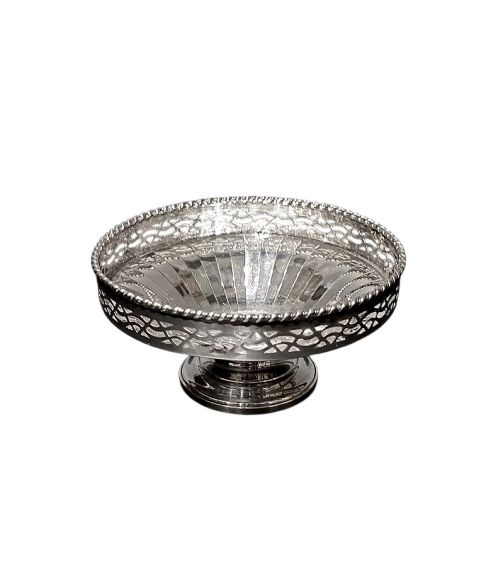
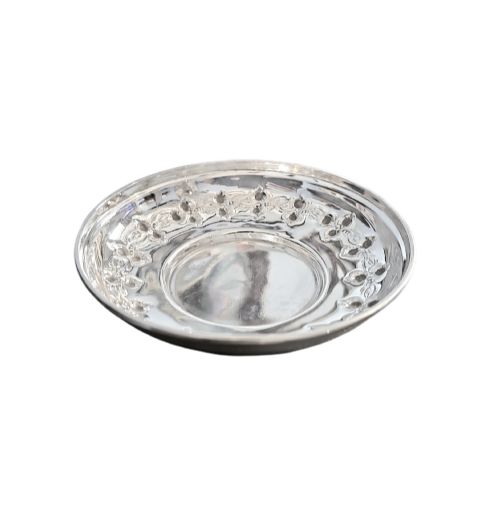
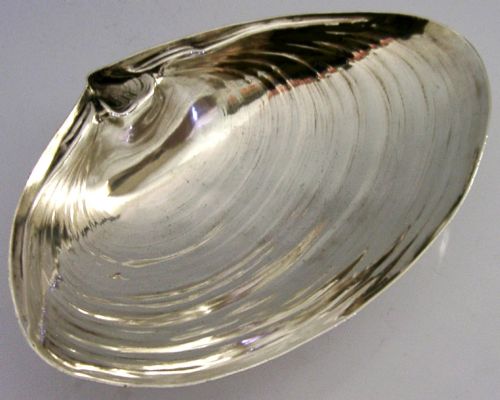
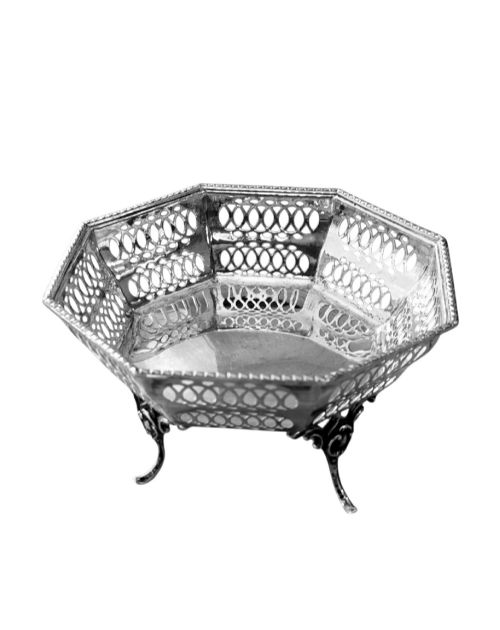
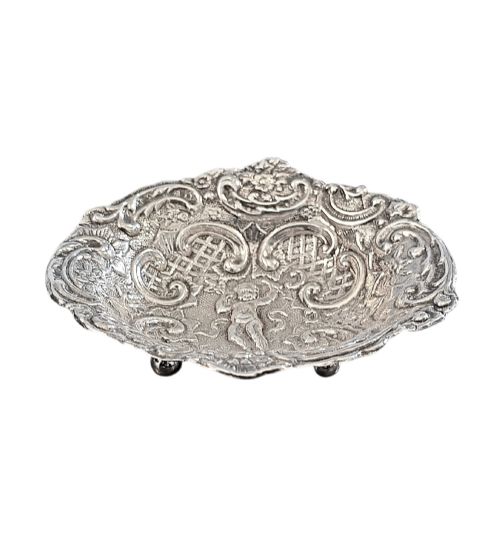
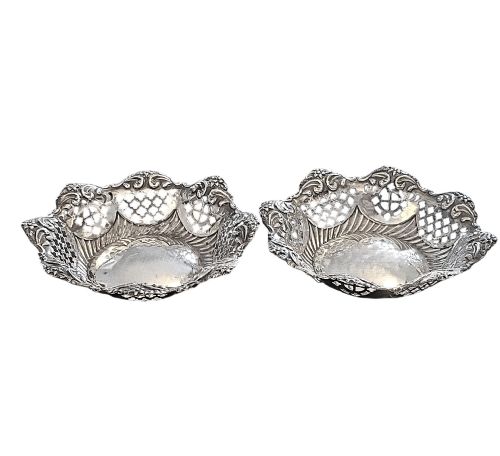
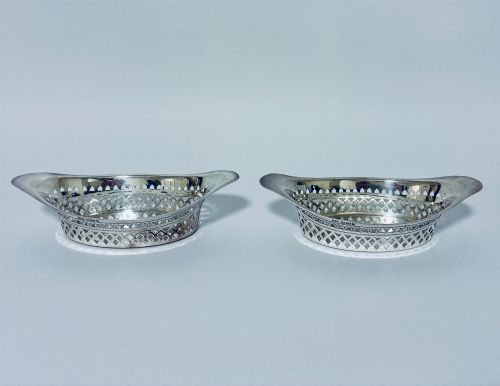
Sterling silver nut dishes encompass a range of small forms, frequently appearing as bonbon dishes, trinket dishes, small bowls, and pedestal dishes. These pieces serve as refined table accessories designed for holding confectionery, nuts, or small accompaniments during formal dining.
The selections available here span multiple eras, showing particular strength in Victorian and Art Deco designs alongside Edwardian and Georgian examples. Buyers encounter individual pieces as well as matched pairs, some accompanied by velvet or satin fitted cases.
How they were made
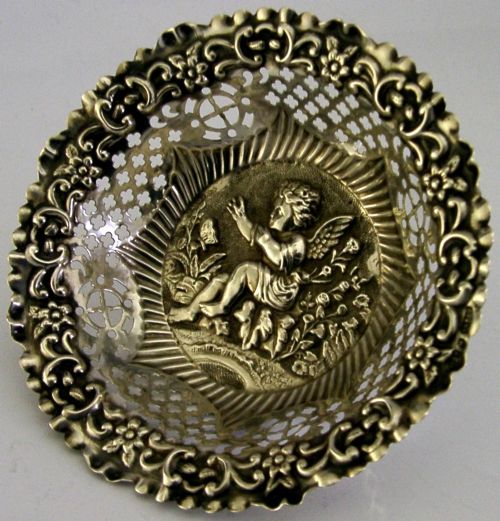
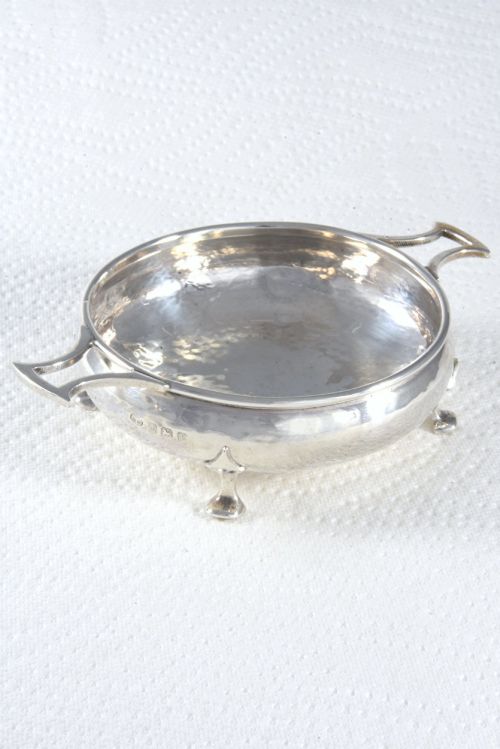
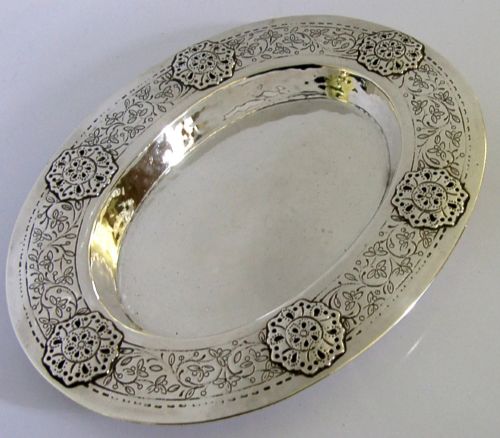
Silversmiths constructed these vessels primarily from sterling silver and standard silver, occasionally applying vermeil to interior surfaces for a rich contrast. Construction techniques allowed for both simple hammered forms associated with the Arts and Crafts movement and ornate pierced or embossed patterns typical of the Victorian period.
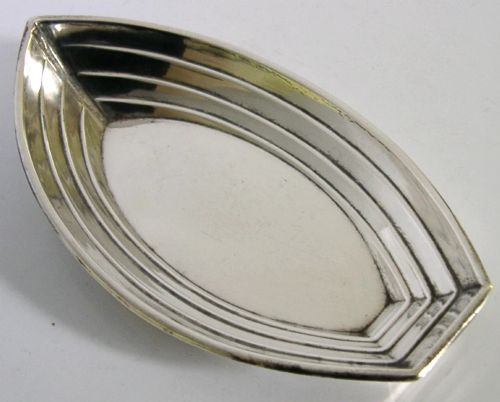
Selected pieces incorporate secondary materials such as tortoiseshell panels or fabric linings like satin and velvet within presentation cases. Maker methods reflect the prevailing aesthetic of each decade, from clean geometric Deco lines to floral and basket-weave motifs of the late nineteenth century.
Sterling Silver Nut Dishes Retail Price Guide 2026
Typical asking prices for sterling silver nut dishes among the pieces listed under this phrase on Sellingantiques today, from the lower quarter to the upper quarter. They describe what is for sale here now, not the wider market.
One unexpected piece takes the literal form of a miniature rowing boat, proving silversmiths enjoyed a nautical joke.
What varies in quality
Quality in these small silver pieces rests upon the crispness of detail in the metalwork and the structural integrity of foot rims and handles. Heavier gauge silver provides a more substantial feel in the hand, distinguishing superior domestic silver from lighter novelty items.
The inclusion of integrated gilt interiors, known as vermeil, or the addition of organic elements like tortoiseshell elevates the visual interest of a dish. Provenance linked to notable retailers or specific assay office marks also influences the standing of a piece within its period.
Liberty And Co·Wallace
The Sterling Silver Nut Dishes Glossary
- Bonbon dish
- A small, decorative bowl specifically designed for holding sweets or small delicacies.
- Pedestal dish
- A vessel raised upon a distinct foot or base, lifting the bowl above the tabletop.
- Vermeil
- Sterling silver that has been plated with a thin layer of gold on its surface.
- Assay mark
- A stamp or series of stamps indicating the purity of the metal and the office where it was tested.
- Arts and Crafts
- A design movement prioritising handcraftsmanship and simple, honest construction over factory-made ornamentation.
Sterling Silver Nut Dishes: Frequently Asked Questions
What were sterling silver nut dishes used for?
These small vessels were placed upon dining tables or sideboards to hold salted nuts, sweetmeats, or after-dinner mints during formal meals.
They allowed hosts to offer small treats to guests within easy reach without cluttering the main dinner service.
How do I date a silver dish?
Dating relies upon the hallmarking system stamped directly into the metal, which typically includes symbols for the assay office, date letter, and maker.
Stylistic indicators such as geometric Deco lines or Victorian floral embossing also provide strong clues to the decade of manufacture.
Can I use them for daily dining?
Sterling silver stands up well to regular use provided it receives gentle hand washing and appropriate storage to prevent scratching.
Using them for serving nuts or small sweets brings historical craftsmanship into active, everyday modern service.
What is the difference between a bonbon dish and a trinket dish?
Bonbon dishes generally feature raised pedestal bases or open basket forms suited for edible treats, while trinket dishes tend to be shallower trays.
Both categories overlap significantly in size and decorative treatment, making their exact historical function somewhat interchangeable.