


Victorian Silver Pendant
A victorian silver pendant brings nineteenth-century craftsmanship to the neckline, offering a tangible link to historical design through intricate lockets, crosses, and charms.
Victorian Silver Pendant
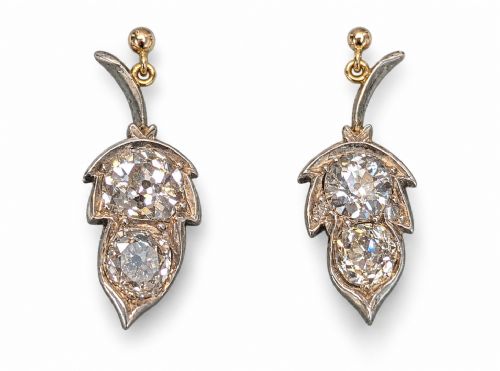
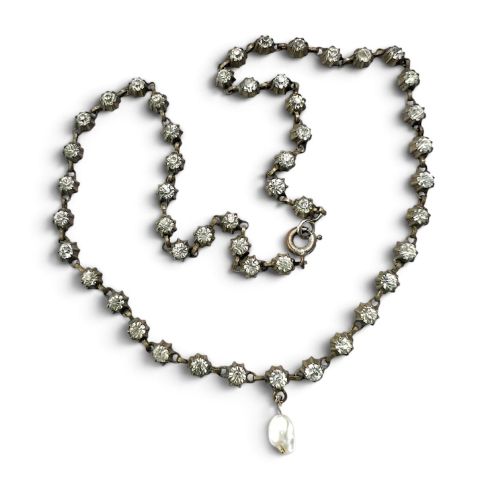
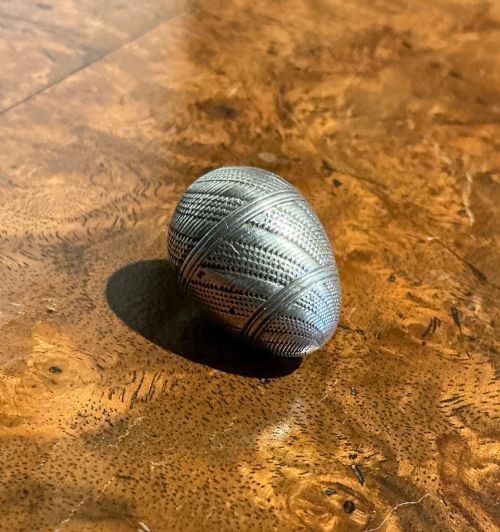
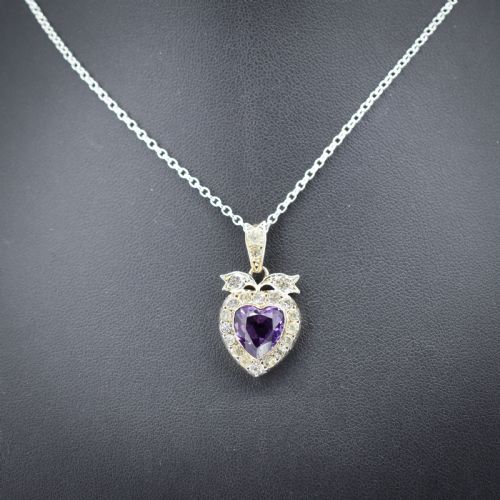
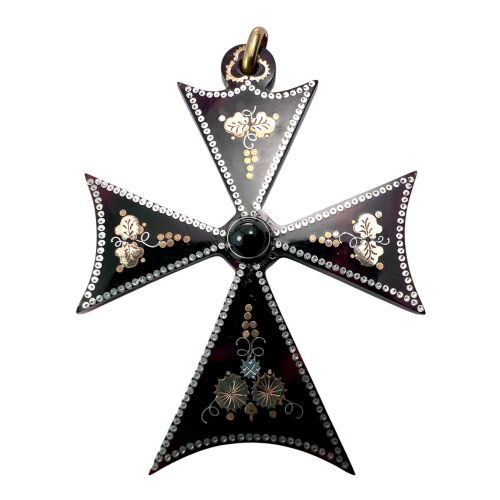
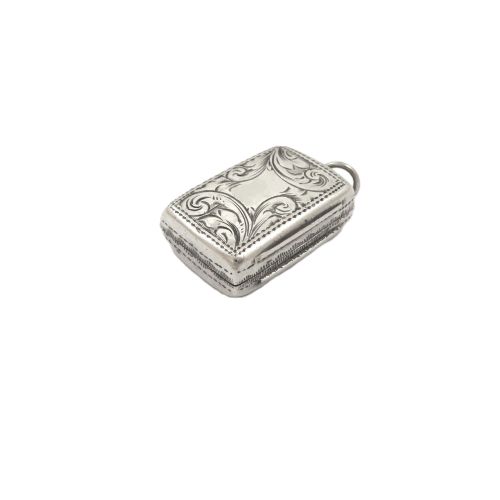
When searching for a victorian silver pendant, buyers encounter an array of nineteenth-century ornaments that range from engraved photo lockets and puffy heart charms to devotional crosses and specialised novelty pieces. The selection frequently includes hinged keepsakes designed to hold miniature portraits or locks of hair, alongside Scottish pebble jewellery and revivalist styles inspired by Egyptian and Ottoman motifs.
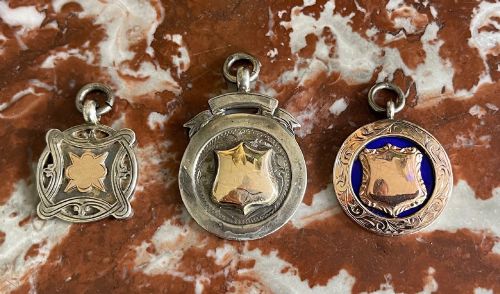
These items reflect the diverse decorative tastes of the nineteenth century, utilising solid sterling silver often enriched with gold highlights, niello, or dark enamel. While many pieces were worn suspended from chatelaines or watch chains rather than modern neck chains, they share a distinctive period weight and hand-worked finish that distinguishes them from later mass-produced reproductions.
Materials and construction
Makers of the period relied heavily on sterling silver, frequently combining it with yellow gold accents, pinchbeck, or white metal alloys to create two-tone effects on fronts and settings. Surface decoration was achieved through hand engraving, repoussé work, and chased floral or geometric patterns, often complemented by applied filigree wirework.
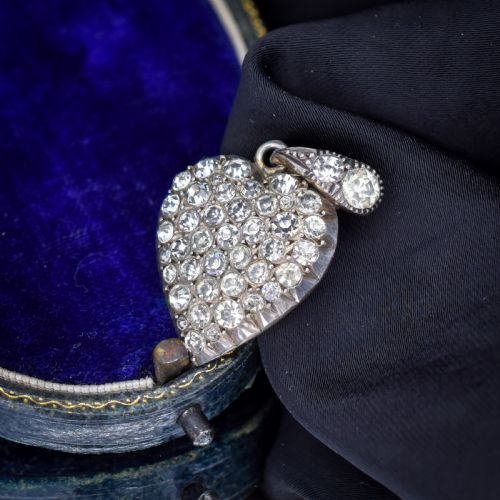
Gems and embellishments were carefully integrated into the metal frames, utilising old-cut diamonds, paste glass, pearls, garnets, and hardstones such as agate and tortoiseshell. Hinged components, secret compartments, and screw-top bezels demonstrate a high level of mechanical ingenuity in miniature engineering.
Victorian Silver Pendant Retail Price Guide 2026
Typical asking prices for victorian silver pendant among the pieces listed under this phrase on Sellingantiques today, from the lower quarter to the upper quarter. They describe what is for sale here now, not the wider market.
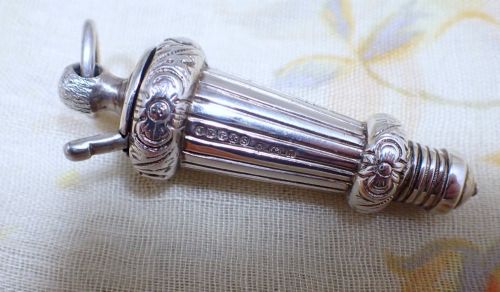
Victorian silver charms regularly include tiny squeaking pig whistles and miniature Egyptian sarcophagi hiding mechanical propelling pencils inside.
Judging quality and execution
The distinction between standard commercial pieces and finer work lies in the crispness of the hand chasing and the depth of the engraving. Superior examples display precise symmetry in filigree and reliable alignment in hinged lockets and vinaigrettes.
Quality is further elevated by the choice of secondary materials, such as undamaged enamel, well-matched seed pearls, and genuine old-cut stones rather than moulded substitutes. Maker marks and clear silver hallmarks also contribute significantly to the standing of an individual piece.
Sampson Mordan·Hamilton and Co·Joseph Bladon·Edith Stewart
The Victorian Silver Pendant Glossary
- Vinaigrette
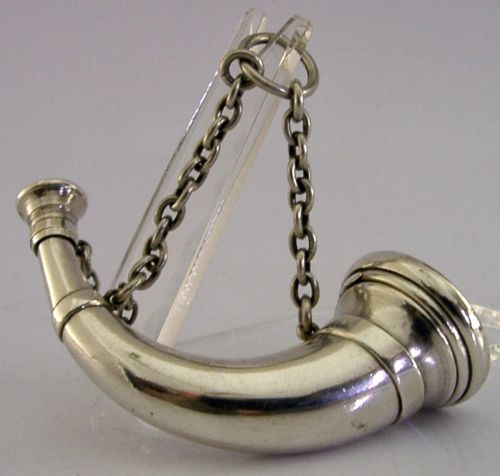
- A small decorative container holding a perforated grille beneath a lid, originally used to soak a sponge in aromatic vinegar. These were suspended from chains or chatelaines during the nineteenth century.
- Repoussé
- A metalworking technique where the artisan hammers the design from the reverse side to form a raised relief on the front. This method gives Victorian lockets and charms their characteristic three-dimensional depth.
- Chatelaine
- A decorative belt hook worn with a series of suspended chains carrying utility items such as vinaigrettes, seals, and propellor pencils. They functioned as portable toolkits for Victorian women.
- Paste
- Hand-cut and polished lead glass used to imitate gemstones in period jewellery. High-quality antique paste exhibits exceptional brilliance and is foil-backed to enhance its optical depth.
- Pique
- A decorative technique involving inlaid gold or silver pins into tortoiseshell or horn. It is commonly found on small boxes, pendants, and watch cases from the period.
Victorian Silver Pendant: Frequently Asked Questions
What is a locket pendant?
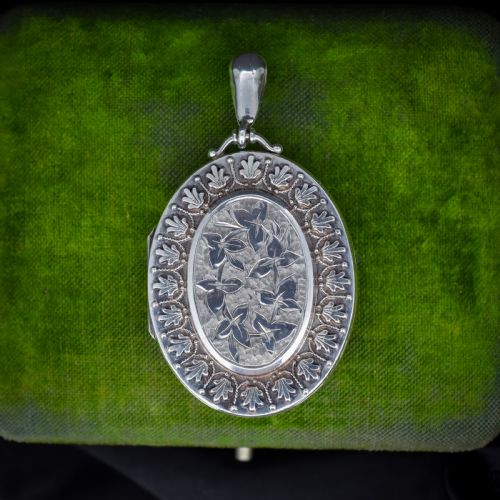
A locket pendant is a hinged hollow ornament designed to open and reveal internal spaces for photographs, locks of hair, or small mementos. They were exceptionally popular throughout the Victorian era as sentimental gifts and mourning jewellery.
Most examples secure with a snug snap closure and feature hand-engraved monograms, floral motifs, or symbolic subjects like swallows and ivy on the exterior surfaces.
How do I care for silver jewellery?
Silver jewellery requires gentle handling to preserve original patinas, hand chasing, and delicate paste settings. Avoid harsh chemical dips, especially on pieces containing tortoiseshell, enamel, or foil-backed stones.
Store items individually in soft pouches in a dry environment to prevent scratches and natural atmospheric tarnishing from accumulating too rapidly.
What is an albert chain?
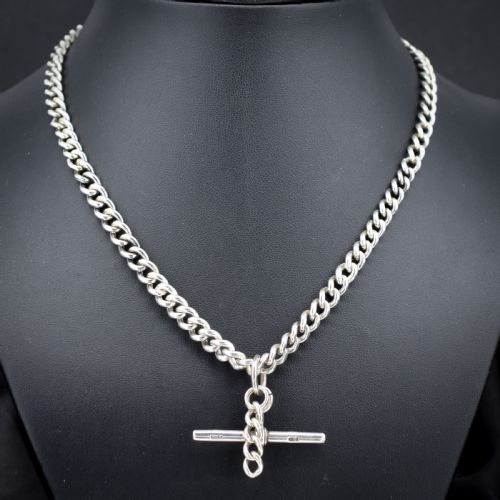
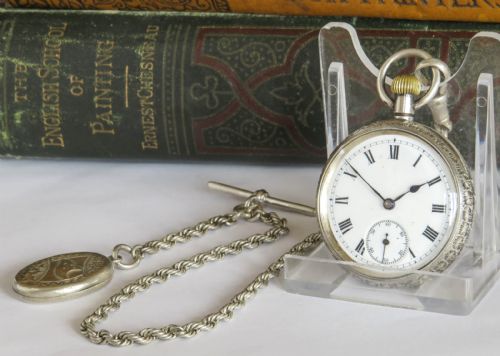
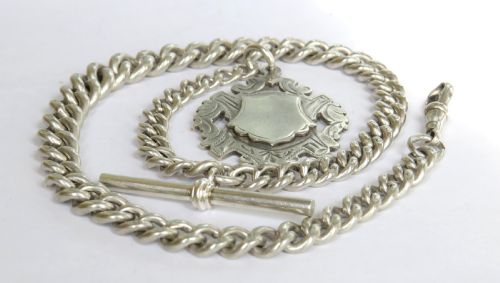
An albert chain is a heavy pocket watch chain designed to be looped through a waistcoat buttonhole or worn across the front of a garment. Named after Prince Albert, they frequently feature decorative fobs, sliding T-bars, and swivel dog clips.
Collectors often repurpose these substantial sterling silver chains to wear longer pendants around the neck, utilising the original dog clips as secure fasteners.
Are these pieces hallmarked?
Many Victorian silver items carry British hallmarks indicating the assay office, standard of silver, and a date letter for the year of manufacture. Common marks include the lion passat for sterling silver and various town marks like the anchor for Birmingham or the leopard head for London.
Smaller charms, foreign imports, and heavily worn pieces may lack full hallmarks, relying instead on maker marks or metal stamps like silver or sterling.