


Victorian Silver Mounted Bottles
These Victorian silver mounted bottles combine practical utility with decorative glasswork, offering a glimpse into nineteenth-century dressing table and dining customs.
Victorian Silver Mounted Bottles
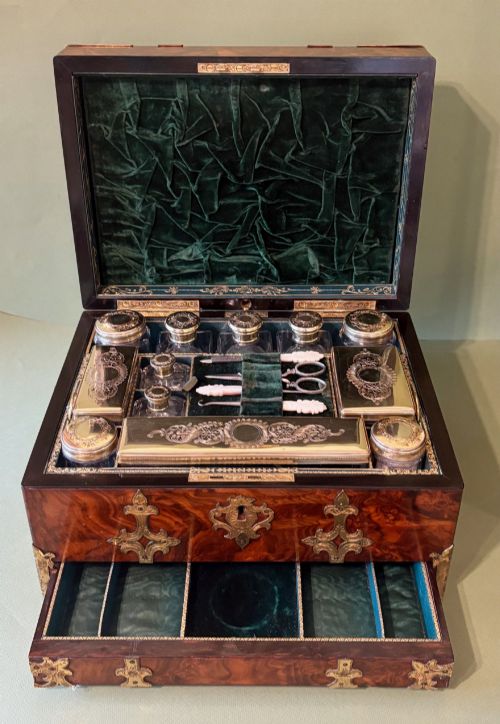
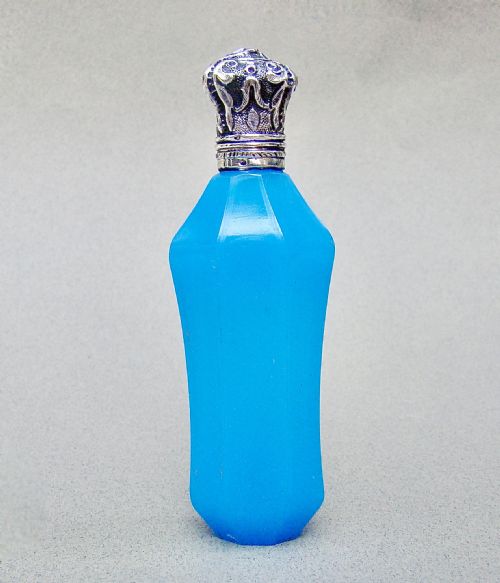
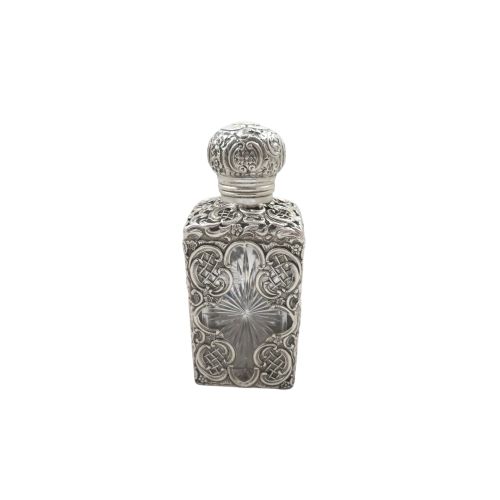
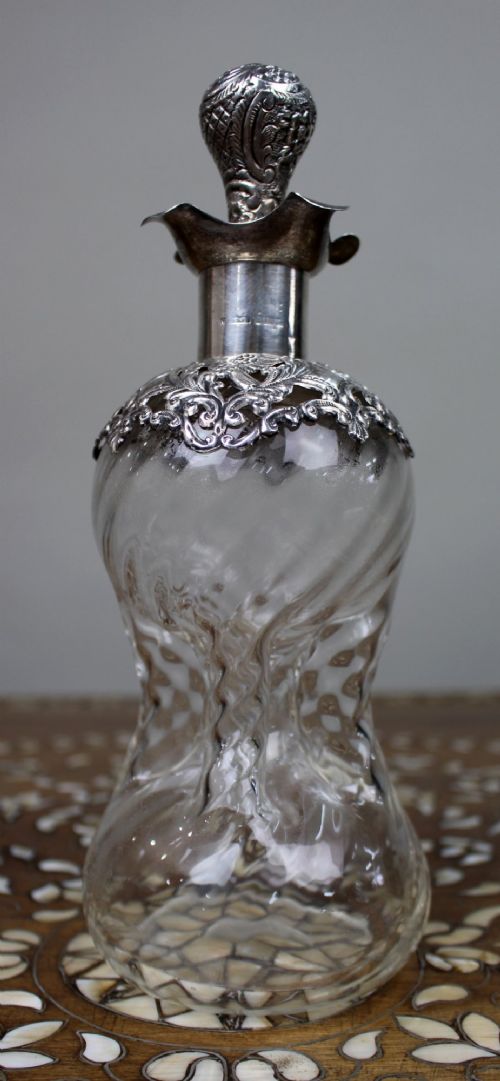
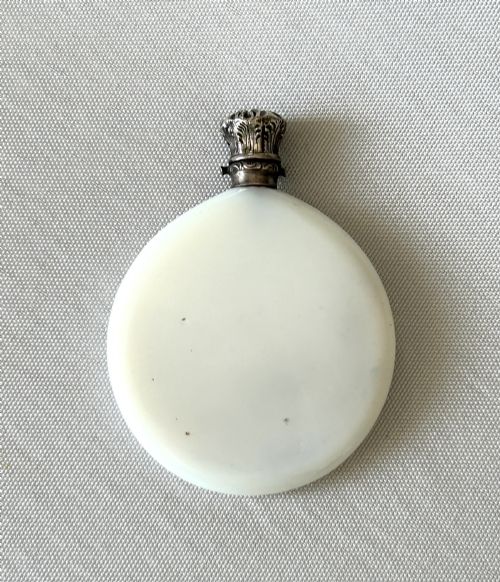
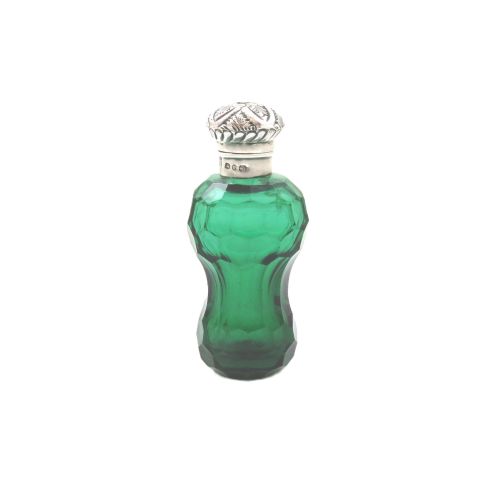
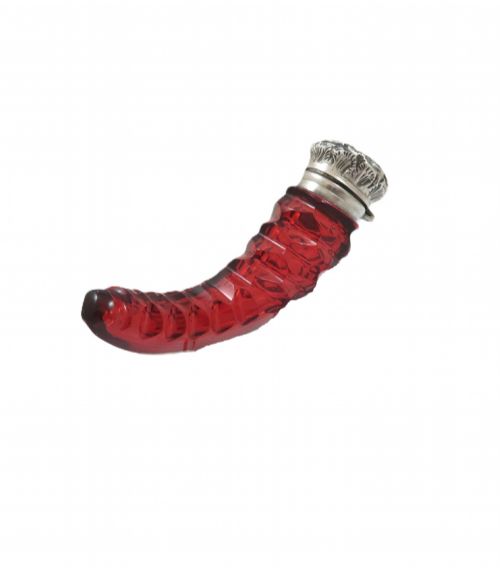
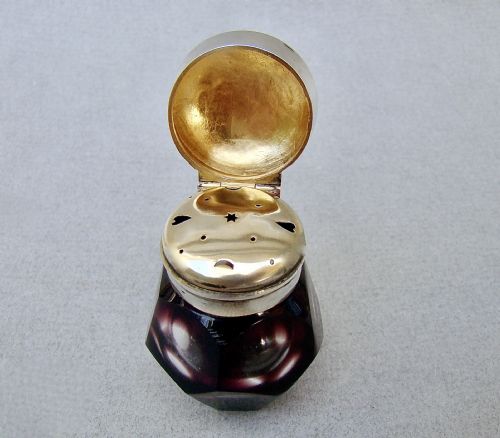
Makers utilised various forms, ranging from pocket-sized scent phials with hinged caps to larger table decanters and oil and vinegar bottles fitted with sterling silver collars or full mounts. Pieces originate mainly from British workshops, though French examples featuring opaline glass and overlay techniques also appear frequently.
The phrase covers both personal accessories designed for a pocket or vanity and larger vessels intended for the dining table or desk. Collectors encounter items spanning the Victorian, Edwardian, and nineteenth-century periods, reflecting the shifting tastes in domestic glassware and silver ornamentation.
Materials and technique
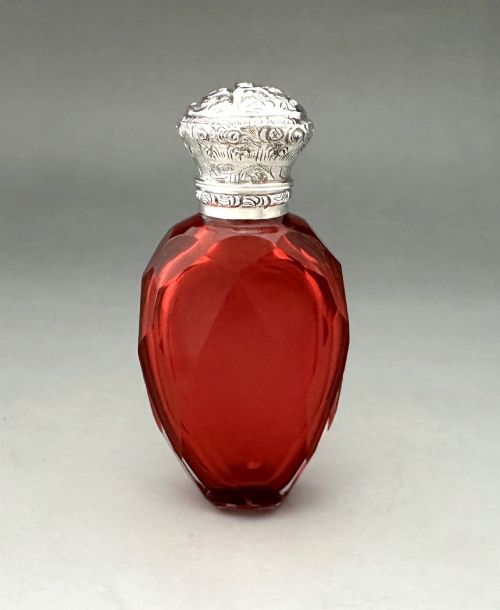
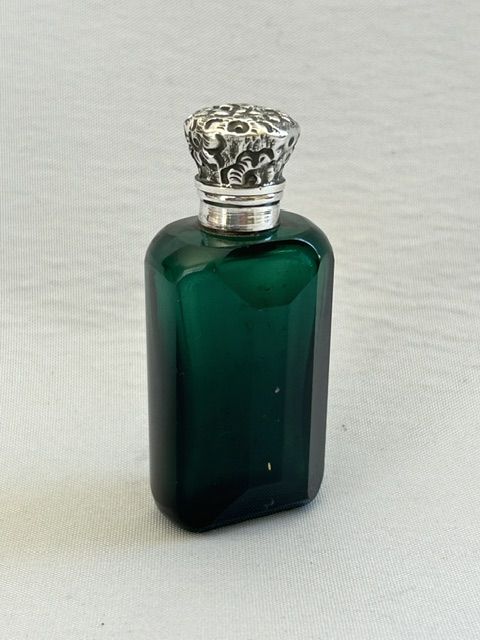
Craftsmen combined blown or moulded glass bodies with fitted sterling silver collars, hinged lids, and decorative mounts. Coloured glass varieties such as cranberry, amethyst, and Bristol green were shaped by hand before receiving precious metal hardware secured by cork or internal stoppers.
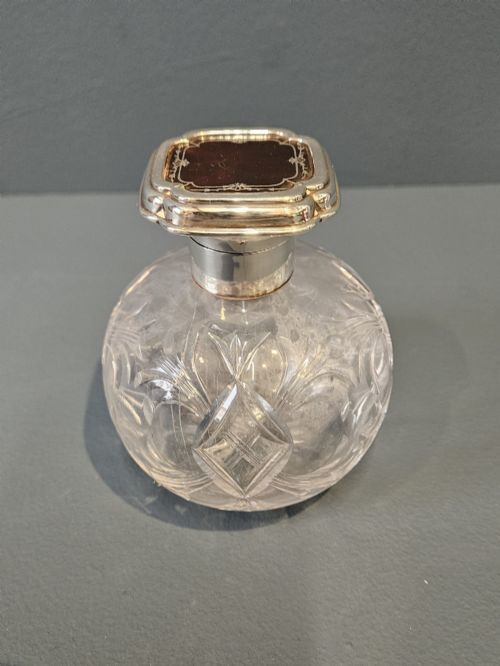
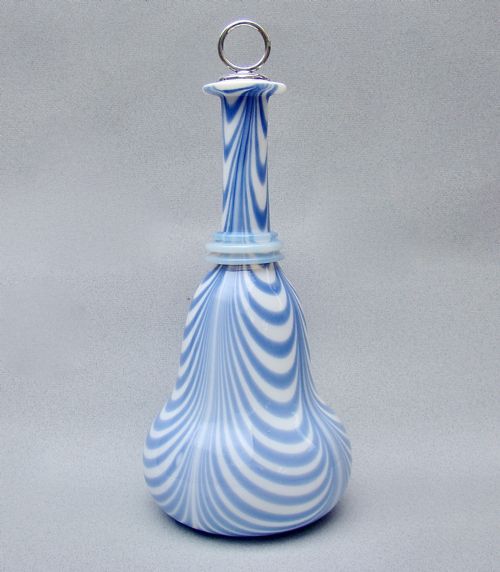
Cut glass and crystal vessels relied on wheel-cutting techniques to create geometric facets that caught the light, contrasting with the smooth surfaces of opaline glass or Nailsea glass. Silversmiths then applied chased, engraved, or plain silver jackets and caps, often marking their work with hallmarks denoting the assay office and year.
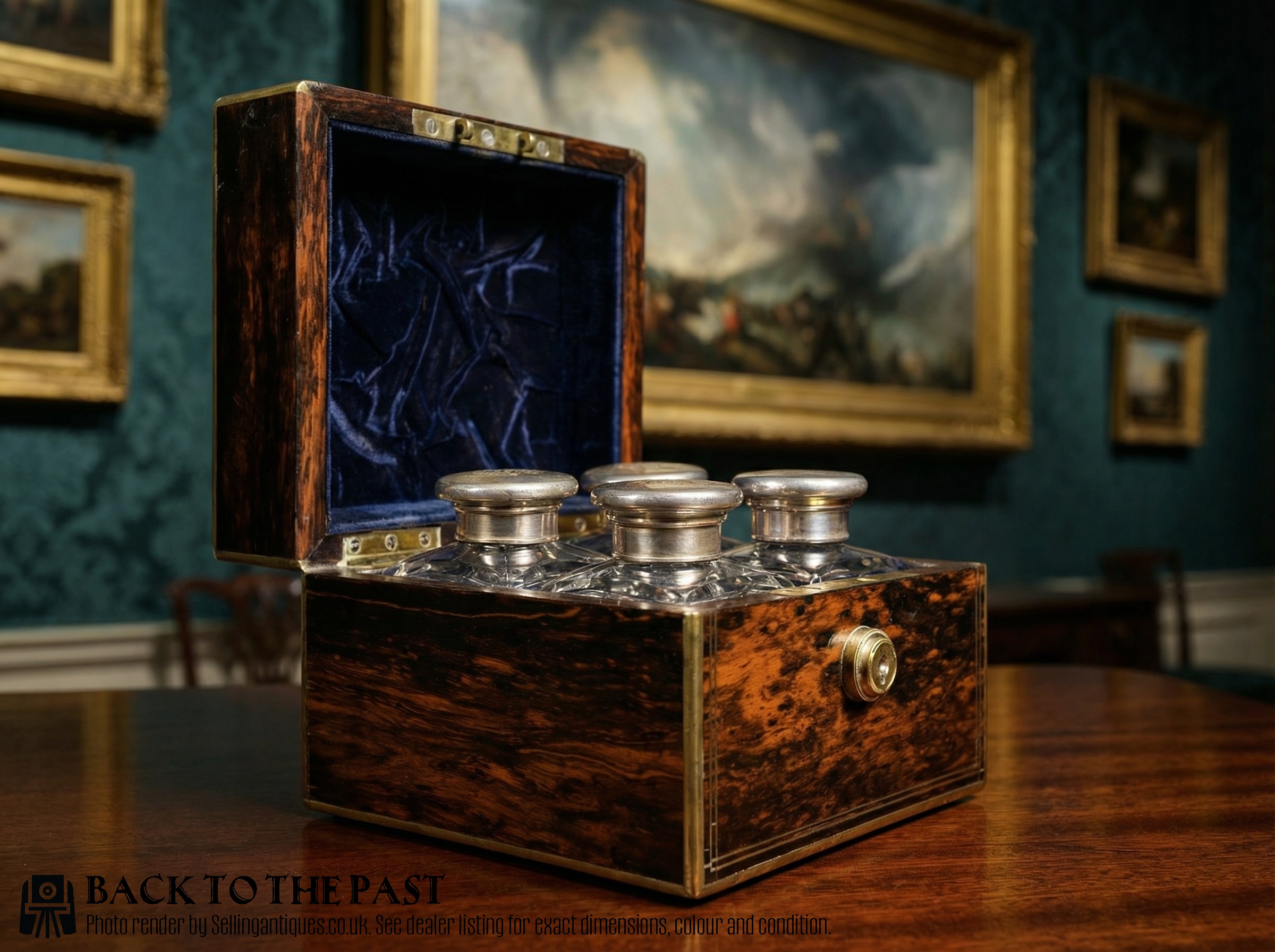
Some Victorian travellers carried round leather cases fitted with exactly four silver-topped flasks for refreshment on the move.
Assessing quality
Quality rests upon the harmony between the glass body and the silver mount, where precision in the fit matters greatly. Heavier, deeply cut crystal and richly coloured glass indicate superior manufacture compared to thin, uniform moulded alternatives.
The refinement of the silverwork distinguishes standard items from exceptional ones. Crisp engraving, substantial gauge silver, and intact interior stoppers elevate a piece, whereas worn hallmarks or ill-fitting caps detract from the overall integrity.
Hukin and Heath
The Victorian Silver Mounted Bottles Glossary
- Sterling silver
- A silver alloy containing 92.5 percent pure silver and 7.5 percent other metals, typically copper. This standard metal forms the protective collars and caps on the bottles.
- Opaline glass
- An opaque or translucent art glass developed in pastel shades during the nineteenth century. It provides a smooth, milky surface popular for French scent bottles.
- Vinaigrette
- A small ornamental box or bottle containing a perforated grille and a sponge soaked in aromatic vinegar. These portable items allowed Victorian users to mask unpleasant odours.
- Nailsea glass
- A distinct style of blown glass featuring looped or combed white glass trails embedded within a coloured glass body. It originated from the Nailsea glassworks near Bristol.
- Tantalus
- A locked wooden frame designed to hold decanters securely while preventing access to the contents without a key. Oak serves as the primary wood for these locking stands.
Victorian Silver Mounted Bottles: Frequently Asked Questions
What is a silver mounted scent bottle?
A small glass container fitted with a sterling silver cap, collar, or hinged lid designed to hold liquid perfume.
Victorian examples often feature decorative glass bodies in colours like ruby or green, intended for daily use on a dressing table.
How do I date a silver mounted bottle?
Dating relies heavily on the silver hallmarks stamped onto the metal collar or lid, which indicate the assay office and year of manufacture.
Stylistic elements like cut glass patterns and glass colours also help narrow down whether a piece is early Victorian or Edwardian.
What is the difference between a decanter and a scent bottle?
Decanters are larger vessels used to hold and serve wine or spirits at the dining table, often paired with stoppers and sometimes held within a tantalus.
Scent bottles are miniature containers meant for personal fragrance, featuring secure screw caps or hinged lids to prevent evaporation.
Are these bottles safe to use today?
Many antique glass bottles remain structurally sound and functional for holding liquids, provided the interior is thoroughly cleaned.
Care should be taken with delicate silver mounts and original cork stoppers, which may require gentle handling to preserve their condition.