




Victorian Silver Knife Set
A victorian silver knife set brings matched elegance to the table, combining period craftsmanship with practical dining utility.
Victorian Silver Knife Set
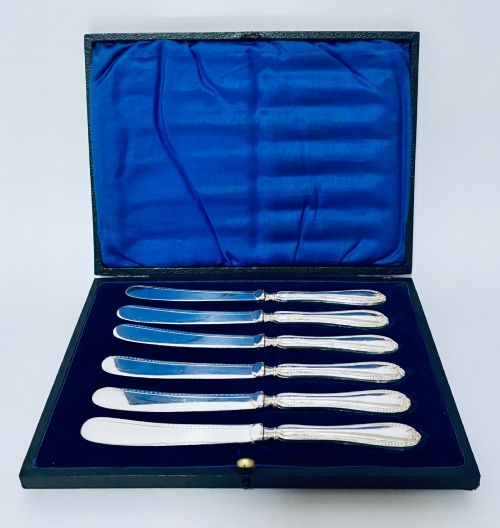
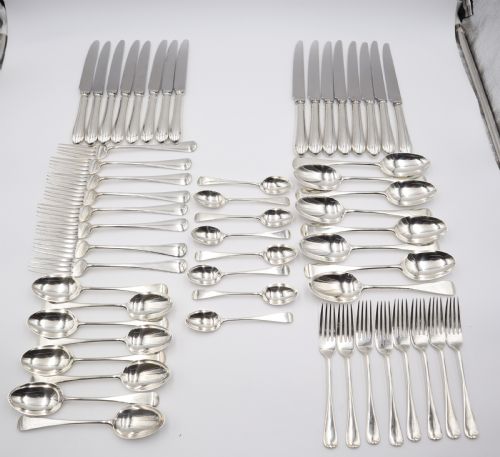
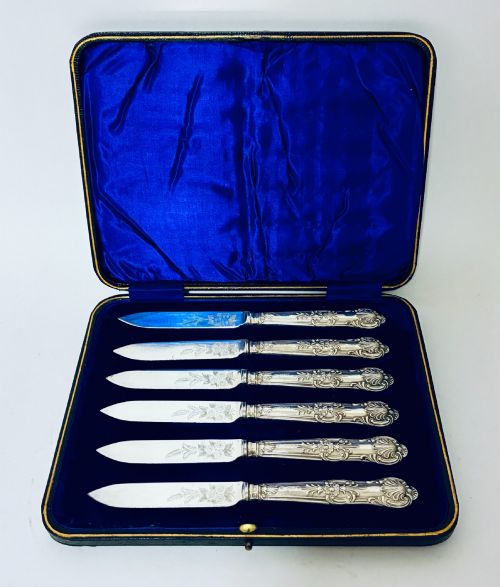
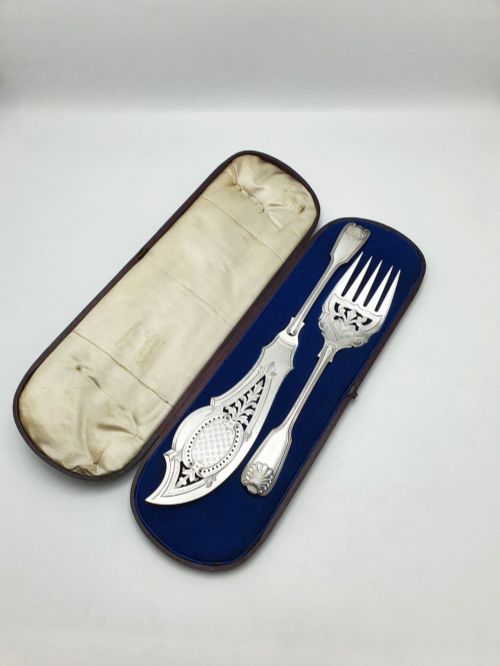
A victorian silver knife set encompasses cased cutlery collections, fish servers, and dessert sets spanning the nineteenth and early twentieth centuries. These gatherings range from christening sets to substantial canteens holding service for twelve persons.
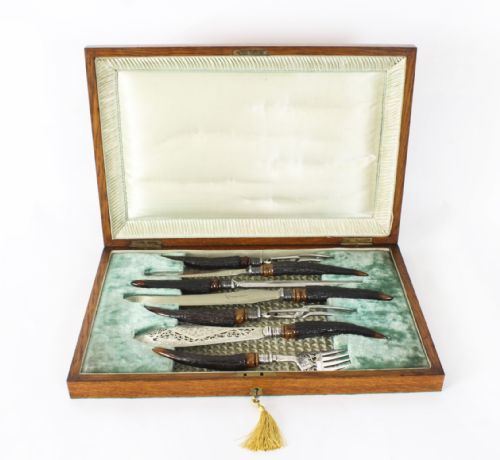
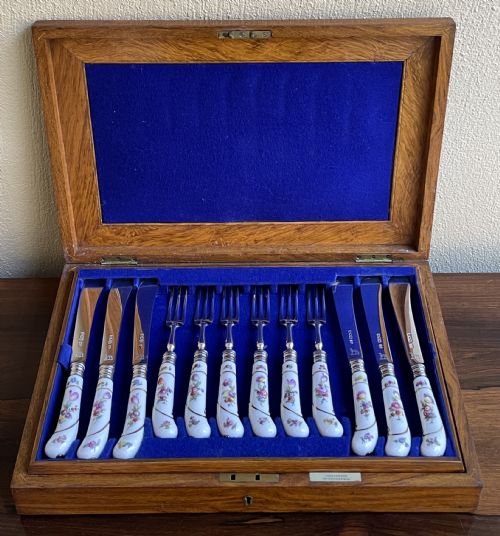
The pieces emerge from Victorian and Edwardian periods, featuring campaign styles and oak-cased presentations alongside fitted boxes lined in velvet and silk. Common variations include fruit knives, butter knives, and carving sets designed for specific dining functions.
Materials and Construction Techniques
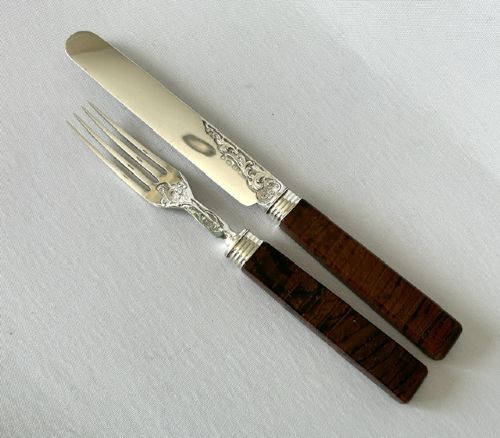
Cutlery construction relies on sterling silver and silver plate combined with durable steel blades for functional cutting edges. Handles integrate natural materials including mother of pearl, agate, antler horn, bone, ivory, porcelain, and wood.
Engraving decorates many surfaces, displaying hunting and dog motifs alongside traditional patterns like Queens pattern. Fitted presentation boxes utilise wood housings lined with textile fabrics such as velvet and silk.
Listings for this phrase include velvet, silk, and wood for interior linings alongside sterling silver and silver plate.
Evaluating Craftsmanship and Preservation
Quality separates by the integrity of the handle materials, such as well-matched banded agate or finely carved antler, versus standard replacements. The crispness of engraved decoration on the silver and the structural preservation of the original fitted case also distinguish finer examples.
Makers and assay origins influence standing, with identified workshops providing documented provenance. The harmony of complete boxed sets remaining intact with all matching components marks the upper tier of the range.
Walter and John Barnard·Elkington and Co·Walker and Hall·Carrington
The Victorian Silver Knife Set Glossary
- Sterling silver
- A silver alloy containing 92.5 percent pure silver by mass and 7.5 percent other metals, usually copper. This standard composition provides the durability required for functional cutlery.
- Silver plate
- A base metal layer coated with a thin layer of pure silver through electroplating or older techniques. It offers the appearance of solid silver at a different scale of production.
- Canteen
- A fitted wooden box or chest designed to hold a complete service of cutlery in dedicated slots or compartments. These cases often feature multiple tiers lined with protective fabrics.
- Queens pattern
- A decorative nineteenth-century silverware pattern featuring shell and scroll motifs along the borders of the handle. It remains a recognisable style across various flatware pieces.
- Fish servers
- A matched pair comprising a broad-bladed knife and a large fork designed for serving fish courses. They frequently feature pierced decoration and organic handles.
Victorian Silver Knife Set: Frequently Asked Questions
What is included in a victorian silver knife set?
These sets contain various dining implements such as fruit knives, butter knives, fish servers, and carving sets. Many include matched forks or spoons housed within fitted presentation boxes.
Larger iterations comprise canteens intended for twelve persons, while smaller groupings serve specific functions like christenings or dessert courses.
How were these knife sets used?
Dining sets served specialised roles during formal Victorian meals, from carving game and serving fish to spreading butter or slicing fruit. Christening sets functioned as traditional gifts for infants.
Many sets remained stored in velvet or silk-lined wooden cases, brought out specifically for formal entertaining and seasonal gatherings.
How do I care for silver and handle materials?
Silver components require periodic polishing with appropriate compounds to maintain their finish without damaging the metal. Natural handle materials like mother of pearl, agate, and horn need gentle cleaning away from extreme moisture.
Storing pieces within their original fitted boxes helps protect both the blades and the delicate organic handles from environmental wear.
How can I tell the period of a set?
Dating relies on hallmarks stamped onto the silver components, indicating assay offices and production years. Stylistic indicators like Edwardian design elements, Victorian aesthetic movement details, or campaign construction also suggest specific eras.
Box construction, velvet linings, and accompanying documentation provide further clues to the manufacturing decade.