


Silver Presentation Cutlery Set
A silver presentation cutlery set is a fitted collection of tableware housed for display or gifting, offering tangible craftsmanship from the Victorian and Edwardian eras.
Silver Presentation Cutlery Set
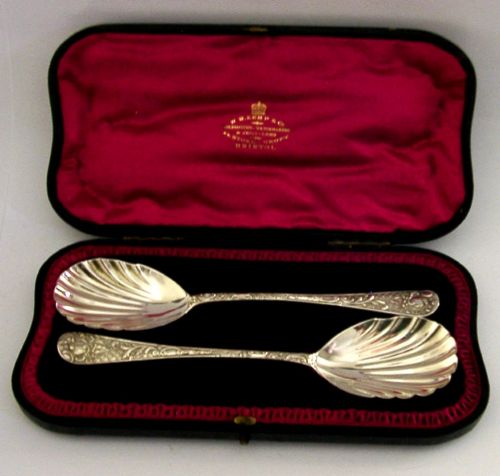
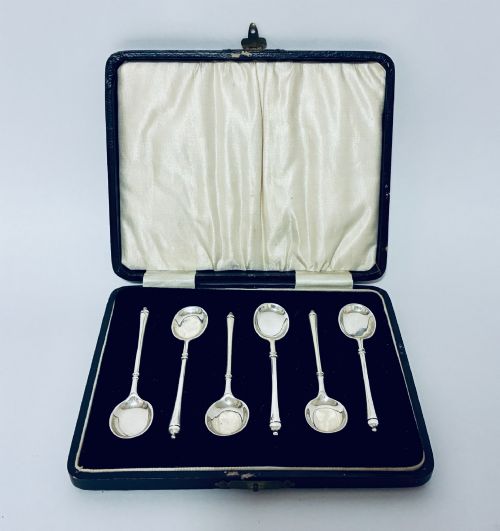
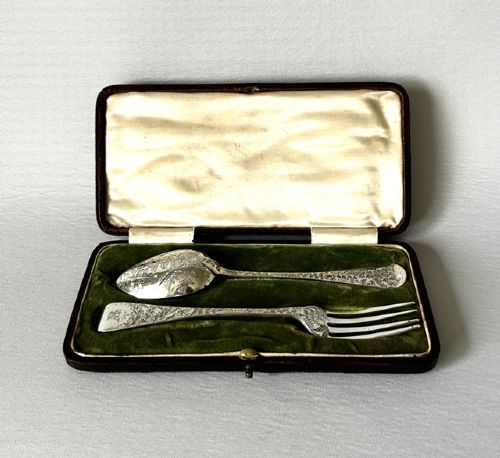
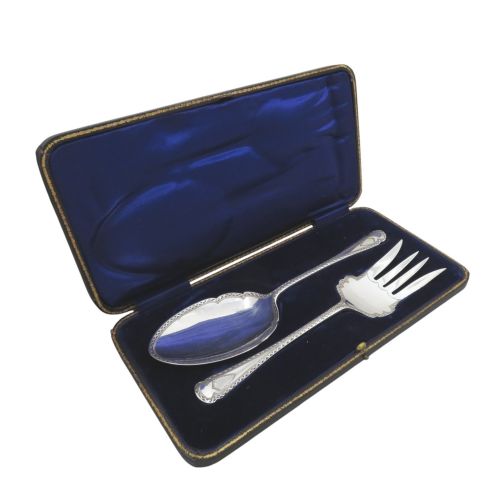
A silver presentation cutlery set comprises matched or paired implements such as serving spoons, fish servers, and coffee spoons housed within dedicated fitted enclosures. These items emerge from the Victorian, Edwardian, and later periods spanning the late nineteenth and early twentieth centuries. Buyers encounter cased Christening sets, butter knife collections, and fish server pairs alongside larger dining arrangements.
The objects serve formal dining and ceremonial gifting purposes, preserving delicate silverware against tarnish and wear inside custom containers. Enclosures range from modest leatherette boxes to lined velvet and silk interiors tailored to the specific contours of the cutlery. Surviving examples demonstrate the domestic rituals of affluent households from the 1870s through to the 1930s.
Most entries on this page represent either sterling silver or silver plate items accompanied by their original presentation housing. Styles transition from ornate Victorian and Late Victorian designs toward Edwardian elegance and Art Deco geometric forms. Collectors frequently find specialised sets including nutcrackers, sugar tongs, and napkin rings nestled in compartmentalized trays.
Materials and construction
Makers fashioned the utensils using solid sterling silver or base metals finished with silver plate, often pairing metalwork with tortoiseshell or metal-handled butter knives. Sterling components carry Birmingham, Sheffield, or Exeter assay hallmarks denoting purity and origin. Metal surfaces undergo stamping, casting, and hand-engraving to achieve decorative scrollwork and patterned terminals.
The protective presentation cases utilise sturdy wooden or card carcasses wrapped in leather, leatherette, or textured cloth. Interiors feature fitted recesses lined with velvet, silk, or satin to cushion the silver securely. Hinges and clasps of brass or steel secure the housing, completing an integrated package designed for preservation and display.
The inventory encompasses diverse forms including fish servers, Christening sets, coffee spoons, and sugar tongs bearing provincial and city hallmarks.
Factors of quality
Quality rests upon the integrity of the original presentation box and the preservation of its interior fabric linings. Sets retaining their fitted velvet, silk, or satin beds without tearing or fading command greater interest. Utensils that exhibit crisp, unrubbed hallmarks and sharp engraved detailing on the silver display superior manufacturing standards.
The cohesion of the set determines its standing, with matched serving spoons and forks in original compartmentalized boxes outranking assembled collections. Sturdy construction of the outer leather or leatherette casing ensures the contents remain protected over generations. Complete sets featuring specialised implements like nutcrackers or fish servers demonstrate higher original ambition.
Robert Stebbings·John Round
The Silver Presentation Cutlery Set Glossary
- Sterling Silver
- An alloy containing 92.5 percent silver by weight, combined with copper or other metals to increase durability. Items made to this standard typically bear official assay office hallmarks.
- Silver Plate
- A base metal substrate coated with a thin layer of pure silver through electroplating or older mechanical methods. This technique provided an accessible alternative to solid sterling wares.
- Fish Servers
- A matched pair consisting of a large flat knife and a matching fork designed specifically for serving fish courses. They often feature pierced blade decorations and decorative handles.
- Leatherette
- A simulated leather material manufactured from fabric bases coated with plastic or polyurethane. It frequently appears as the protective outer covering on presentation boxes from the late Victorian period onward.
Silver Presentation Cutlery Set: Frequently Asked Questions
What is included in a typical set?
A typical set contains matched cutlery pieces such as coffee spoons, serving forks, or fish servers arranged in a fitted box.
Many collections also incorporate specialised implements like sugar tongs, butter knives, or napkin rings designed for specific dining tasks.
How should presentation boxes be stored?
Keep boxes in stable environments away from direct sunlight and excessive humidity to protect fragile wood and fabric linings.
Avoid sealing silver in airtight plastic containers, which can trap moisture and accelerate tarnishing of the metal surfaces.
How do I identify the period of a set?
Examine the style of decoration, such as heavy Victorian scrollwork or clean Edwardian lines, alongside any accompanying case materials.
Sterling silver pieces carry hallmarks that include date letters and assay office symbols indicating the exact year of manufacture.
Are plated sets genuine antiques?
Silver plated sets manufactured during the Victorian and Edwardian eras are authentic period artefacts reflecting historical dining practices.
Plating techniques evolved significantly during the nineteenth century, allowing broader access to decorative tableware before solid silver standards.