




Victorian Silver Jewellery Casket
A victorian silver jewellery casket is a small, lined container for precious trinkets, combining solid metal work with tactile interiors.
Victorian Silver Jewellery Casket
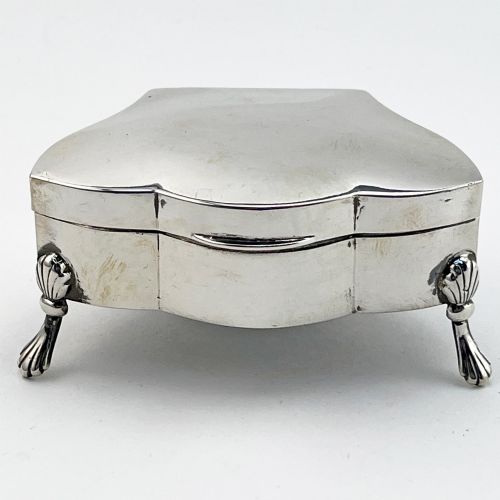
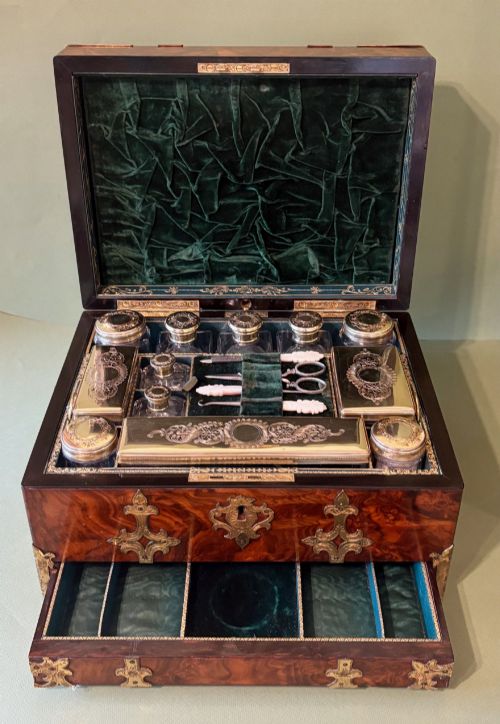
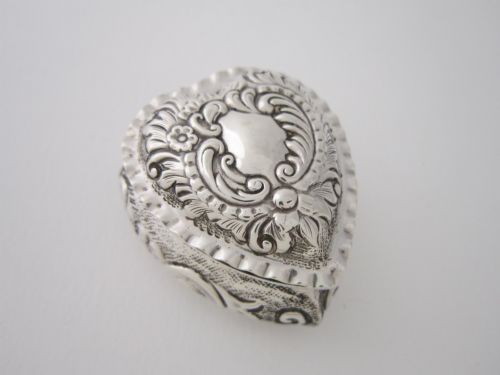
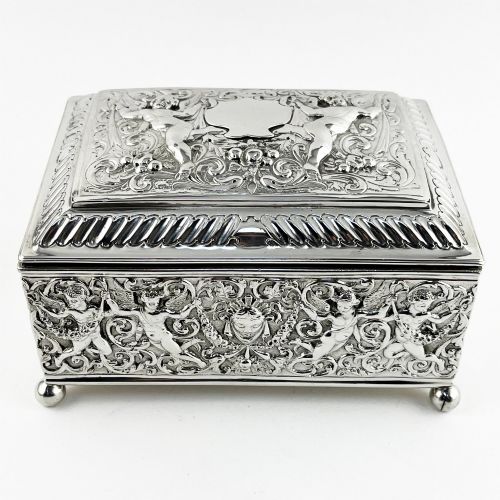
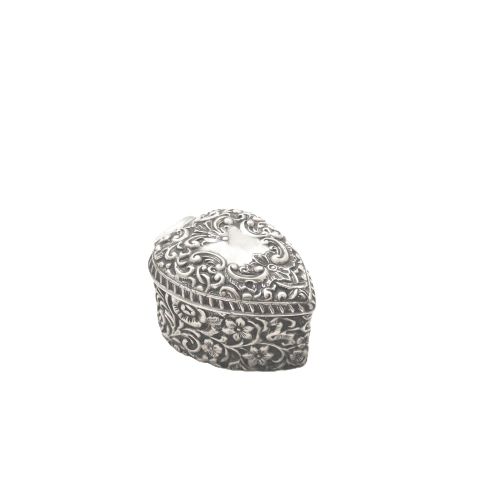
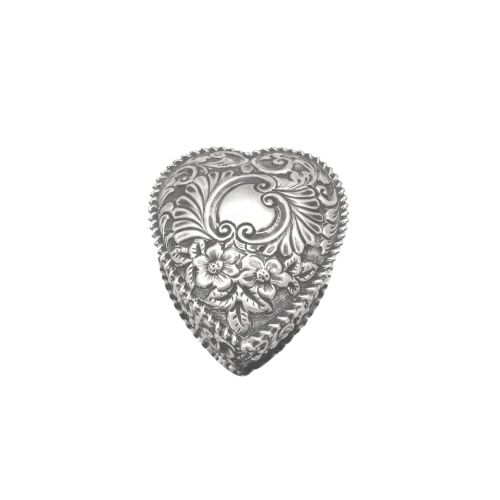
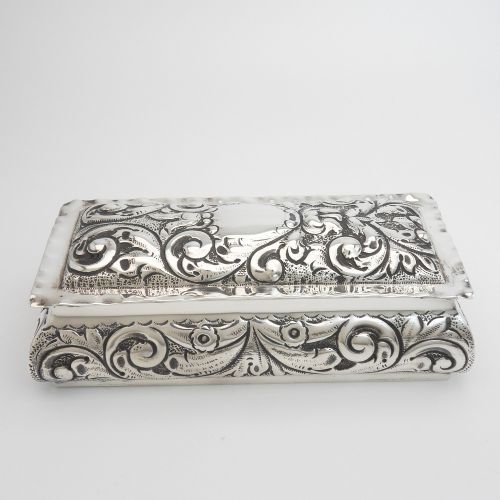
A victorian silver jewellery casket on this page appears in various forms, from heart-shaped trinket boxes to larger fitted dressing table caskets. Most examples date from the late nineteenth century, reflecting the Victorian and Edwardian periods.
The objects served to hold rings, pins, and small valuables on dressing tables. Many feature hinged lids and fitted compartments designed for specific personal ornaments.
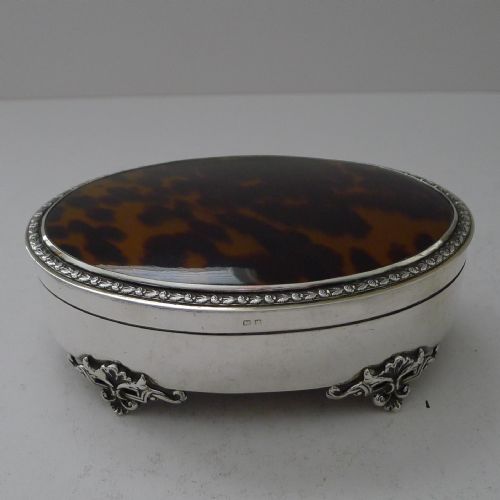
Makers utilised sterling silver alongside silver plate, often pairing the metal with tortoiseshell, velvet, or silk linings. Regional English hallmarks frequently help date the manufacture precisely to the eighteen-eighties and nineties.
How they were made
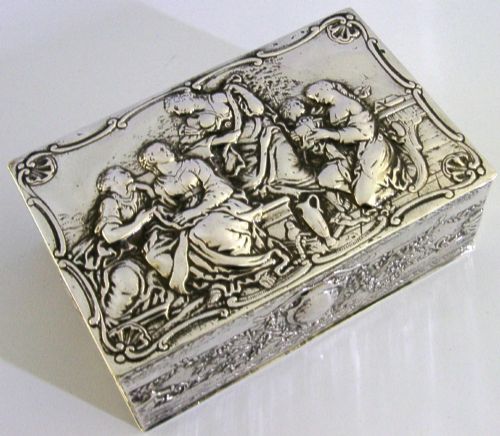
Silversmiths employed sterling silver and silver plate for the primary structure, shaping panels through pressing, casting, and repoussé work. Many caskets incorporate gilt linings to protect the interior silver from tarnishing.
Makers combined metal with organic materials such as tortoiseshell, mother of pearl, and coromandel wood. Interiors typically received plush velvet or silk linings to cushion delicate jewellery.
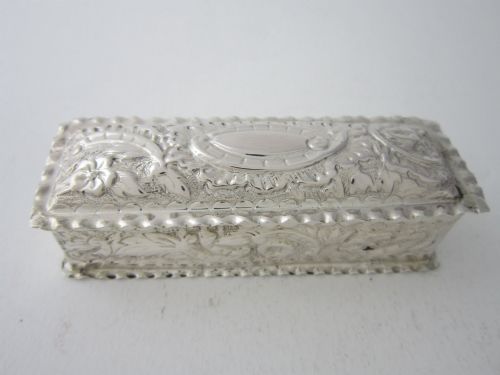
Decoration draws on revival styles, including Rococo, Gothic, and Renaissance motifs. Surface enrichment includes pierced work, enamel appliques, and engraved patterns.
One tiny coffin-shaped box waits among the dressing table caskets, ready to store precious rings in surprisingly morbid style.
What varies in quality
Quality rests upon the weight of the silver and the crispness of the chased or embossed ornament. Substantial gauge metal resists denting and maintains structural integrity around the hinges.
The refinement of internal fitting dictates the standard of the piece, particularly where original velvet or silk linings remain intact. Superior examples feature complex internal compartments and secure closures.
The integration of contrasting materials, such as genuine tortoiseshell panels or detailed enamel and cameo appliques, separates standard trinket boxes from exceptional caskets.
A & J Zimmerman Ltd·William Comyns & Sons·H. Matthews·Walker and Hall
The Victorian Silver Jewellery Casket Glossary
- Sterling silver
- An alloy containing ninety-two point five percent silver by mass, with the remainder being other metals, usually copper. This standard composition appears widely across British silver caskets.
- Repoussé
- A metalworking technique where the smith hammers the metal from the reverse side to form a raised design in relief. It defines much of the surface ornamentation on Victorian boxes.
- Hallmark
- An official stamp applied to precious metals indicating the standard of purity, the assay office, and the date letter. English examples provide clear chronological markers.
- Tortoiseshell
- The shell of certain turtle species used as an overlay on boxes and caskets. It frequently pairs with silver inlay in dressing table pieces.
- Gilt lining
- A thin layer of gold applied to the interior surface of a silver vessel or box. This process prevents the silver from tarnishing when exposed to cosmetics or skin oils.
Victorian Silver Jewellery Casket: Frequently Asked Questions
What were silver jewellery caskets used for?
These caskets held rings, brooches, pins, and small personal valuables on Victorian and Edwardian dressing tables. They kept delicate items protected from dust and moisture.
The fitted interiors often included dedicated slots for rings and compartments for other trinkets. Wealthy owners displayed them prominently as decorative accessories in bedchambers and boudoirs.
How do I know if a casket is Victorian?
Examination of the hallmarks stamped on the silver provides the most reliable date. British pieces carry symbols indicating the assay office and the year of manufacture.
Stylistic cues also help, as Victorian caskets frequently display Rococo Revival curves or heavy embossed floral motifs. The integration of materials like tortoiseshell and velvet further points to nineteenth-century production.
Are these boxes made of solid silver?
Many listings feature sterling silver or solid silver construction, marked with the lion passant on British pieces. Other examples consist of silver plate over a base metal core.
Descriptions specify whether a piece is solid silver or plated. Makers also combined the metal with organic elements such as tortoiseshell and mother of pearl.
How should I clean a silver casket?
Gentle dusting with a soft cloth removes surface grime without harming the delicate metalwork or embossed details. Specialised silver polishes should be used sparingly to avoid wearing away thin plating or highlights.
Care must be taken around fabric linings, tortoiseshell panels, and gilt interiors to prevent liquid damage. Proper placement away from direct sunlight preserves the velvet and silk inside.