



Antique Tortoiseshell Casket
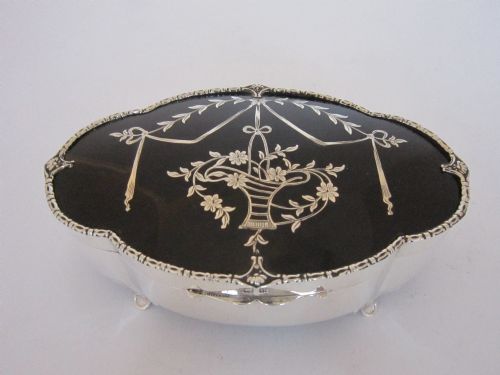
An antique tortoiseshell casket combines rich mottled shell with metal mounts to safely store your most treasured personal possessions.
Antique Tortoiseshell Casket
When you search for an antique tortoiseshell casket, you encounter lidded containers formed from marine turtle shell applied to a rigid internal carcass, often embellished with metal mounts. These boxes serve primarily as table top storage for jewellery, sewing implements, cufflinks, or letters.
The versions you meet most frequently on this page range from compact trinket boxes and fitted jewellery cases dating to the Victorian and Edwardian eras, through to larger Georgian and Regency examples. Forms span simple rectangular caskets, ladies table top sewing boxes, and specialised spoon boxes.
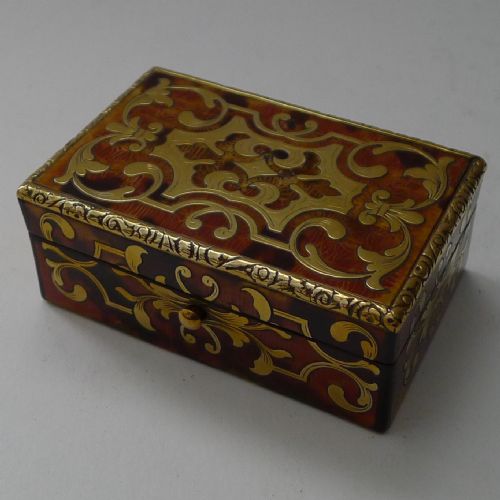
Origins stretch across English, French, and Dutch Colonial workshops, incorporating diverse regional aesthetics such as Boulle work or Batavian silver gilt mounts. Each piece reveals the distinct hand of its period, whether through Edwardian silver lids or earlier Dutch Colonial construction.
How they were made
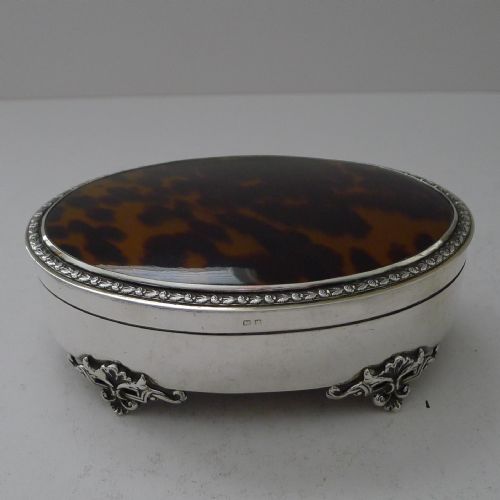
Maker construction typically involved applying thin translucent plates of tortoiseshell over a secondary carcase of wood or metal, secured with fine pins or adhesive. Craftsmen paired the mottled amber and brown shell with sterling silver, brass, or ormolu mounts to reinforce corners and frame hinged lids.
Interior compartments often featured velvet linings and fitted trays designed to hold rings, necklaces, or sewing tools securely. Advanced examples utilised intricate Boulle marquetry techniques, embedding brass and tortoiseshell into elaborate patterns across the surface.
Materials across this selection combine tortoiseshell with sterling silver, brass, ormolu, wood, glass, and velvet.
What varies in quality
The tier of workmanship distinguishes simpler utility boxes from elaborate salon pieces, visible in the precision of the silver mounts and the depth of the shell's figuring. Richer translucency and careful matching of the shell plates elevate a casket's visual presence.
Internal appointments, such as fully fitted velvet interiors and heavy gauge sterling silver lids marked with distinct hallmarking dates, signal higher production standards. The complexity of external decoration, including ormolu chasing or intricate Boulle work, further separates standard trinket containers from major cabinetwork.
Lund Of Cornhill·Andre Charles Boulle
The Antique Tortoiseshell Casket Glossary
- Tortoiseshell
- The mottled brown and amber keratin plates derived from the shell of certain marine turtles, used as a decorative veneer. It is prized for its warm translucency and distinctive natural patterns.
- Boulle
- A form of marquetry developed in France that uses tortoiseshell and brass inlaid together into elaborate patterns. Named after the master cabinetmaker André Charles Boulle.
- Ormolu
- Gilded bronze or brass mounts applied to furniture and decorative boxes for structural reinforcement and visual accent. The technique creates a rich golden finish that contrasts against dark shell.
- Sterling silver
- A silver alloy containing a fixed proportion of pure silver and other metals to ensure durability for box rims, hinges, and lids. It often carries hallmarks indicating the year of assay.
- Silver gilt
- Silver objects that have been coated with a thin layer of gold over the surface. This technique provides a warm golden interior glow to boxes and caskets.
Antique Tortoiseshell Casket: Frequently Asked Questions
What were antique tortoiseshell caskets used for?
These boxes served domestic purposes on dressing tables and desks, holding small valuables such as rings, pins, and letters. Sewing boxes were also fitted internally with specialised compartments for threads and needles.
Larger caskets accommodated specialised items including cutlery or betel nuts, reflecting the diverse global trade and domestic habits of their respective periods.
How do I care for tortoiseshell?
Keep tortoiseshell boxes away from direct sunlight and extreme temperature fluctuations to prevent the natural material from warping or becoming brittle. Gentle dusting with a soft, dry cloth is sufficient for routine maintenance.
Avoid using liquid cleaners, solvents, or abrasive polishes on either the shell veneer or the accompanying metal mounts and velvet interiors.
How can I tell a Victorian box from a Georgian one?
Georgian and Regency pieces often exhibit heavier timber carcases, older hinge types, and distinct regional mount styles such as Dutch Colonial silver gilt work. Their proportions tend to follow earlier neoclassical or colonial designs.
Victorian and Edwardian boxes frequently incorporate stamped sterling silver lids bearing legible date hallmarks, alongside machine-made fittings and lighter internal wooden structures.
What is Dutch Colonial tortoiseshell work?
Dutch Colonial pieces originate from territories under Dutch administration, particularly Batavia, where local craftsmen combined native tortoiseshell with distinctive silver gilt mounts. These items often served specific regional functions, such as holding betel nut.
The construction style merges European box forms with tropical materials and heavy, ornate metalwork characteristic of overseas trade centres.