



Hallmarked Silver Trinket Dish
A hallmarked silver trinket dish brings small-scale elegance to a dressing table, offering a tactile home for pins, rings and keepsakes.
Hallmarked Silver Trinket Dish
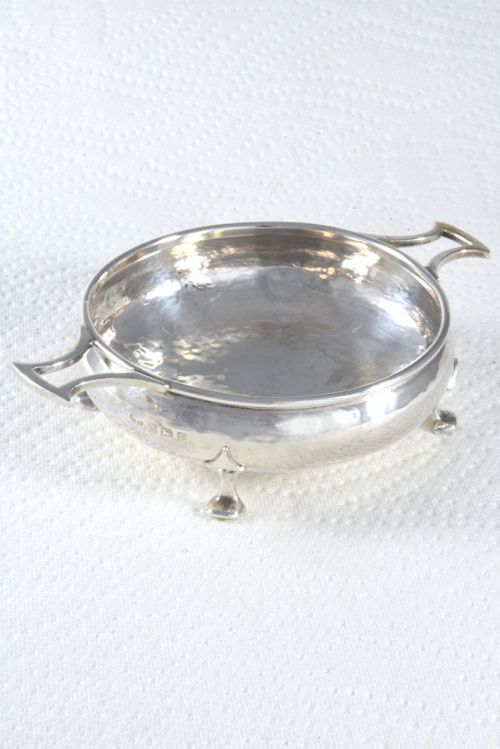
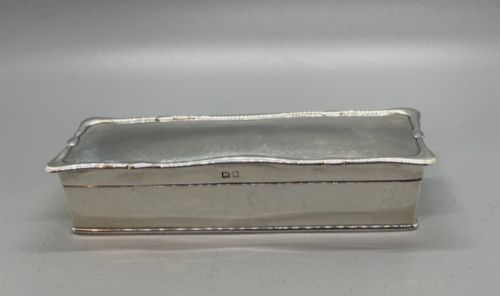
A hallmarked silver trinket dish represents a broad category of small receptacles, boxes and trays designed for the dressing table. When you search for a hallmarked silver trinket dish, you encounter items intended to hold pins, rings, cosmetics and small personal valuables.
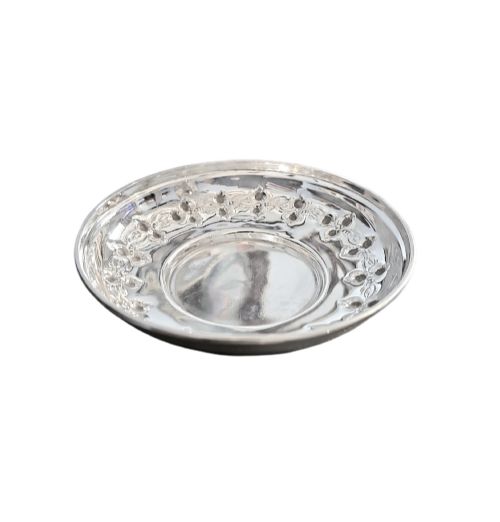
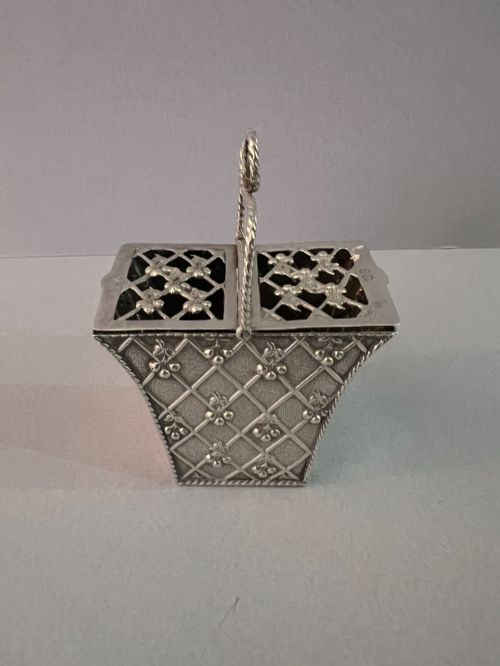
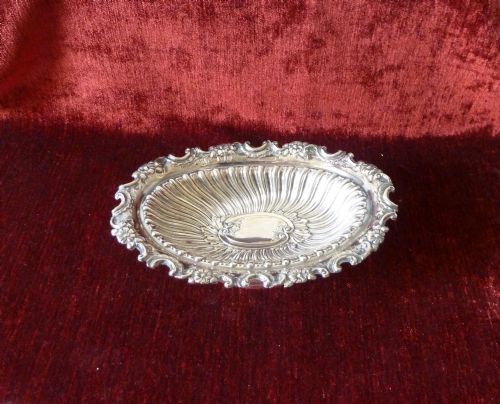
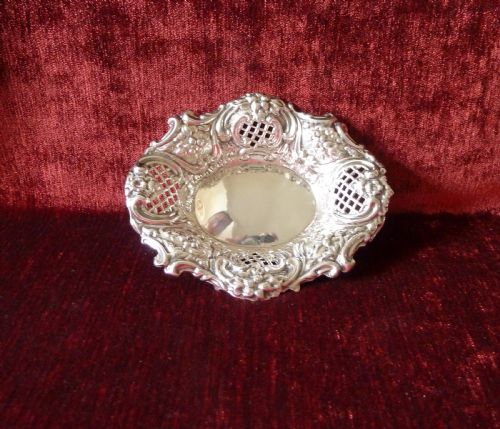
The pieces on this page span the Victorian era, the Edwardian period, the George V reign and the Art Deco years of the twentieth century. Forms range from simple pin dishes and sweetmeat baskets to fitted jewellery boxes, lidded pots and expansive dressing table trays.
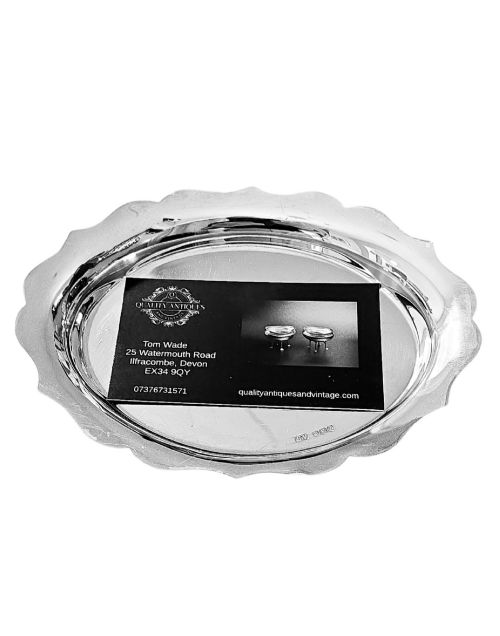
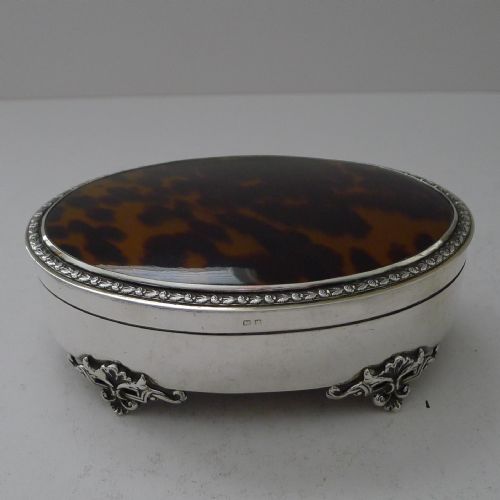
Materials extend beyond plain sterling silver to incorporate tortoiseshell, vitreous enamel, cranberry glass and gemstones such as citrine and amethyst. English assay offices in London, Birmingham, Sheffield, Chester and Edinburgh stamp these items with official hallmarks denoting metal purity and date.
Materials and construction methods
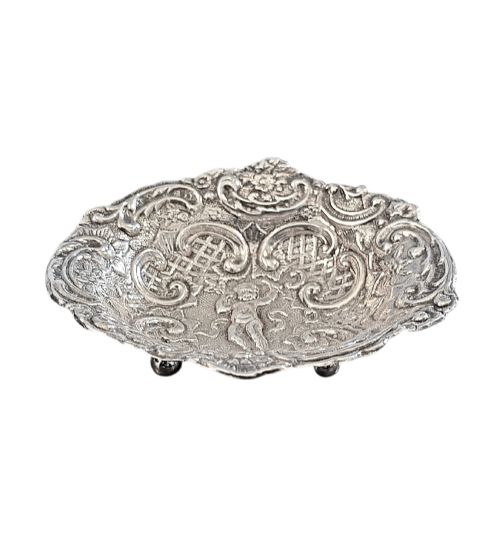
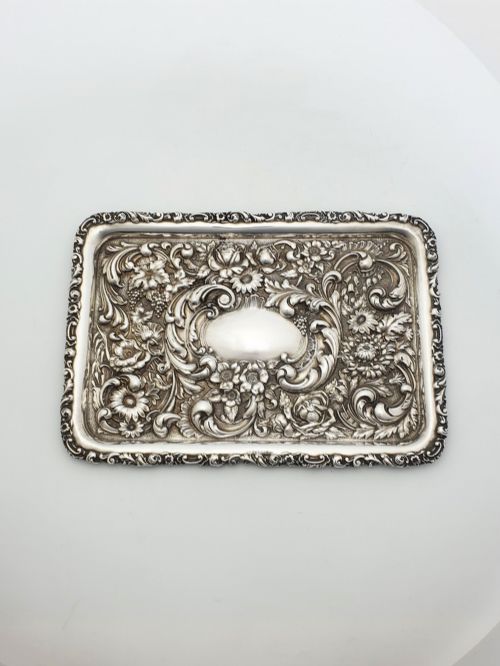
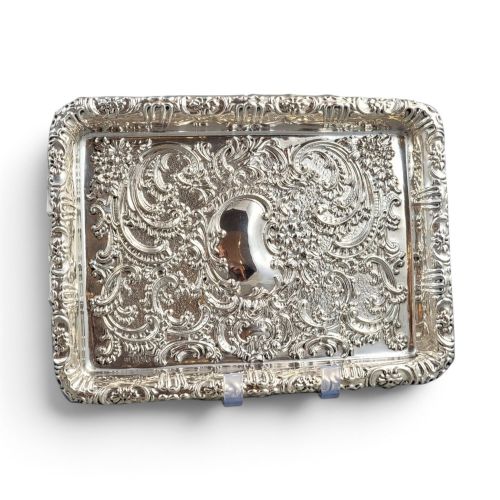
Silversmiths constructed these pieces primarily using sterling silver, shaping the metal through hammering, pressing and soldering. Many items incorporate repoussé work, where artisans embossed floral, scroll or figural motifs from the reverse side to create raised surface relief.
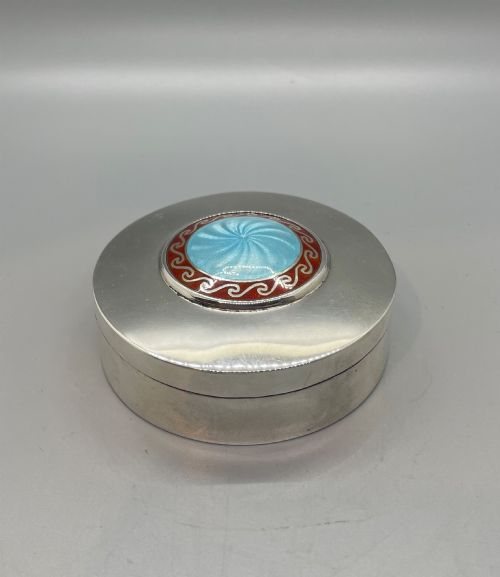
Complex pieces combine silver mounts with organic or mineral inserts such as translucent guilloche enamel, polished tortoiseshell or vibrant cranberry glass. Fitted interiors often rely on velvet or silk linings to cushion jewellery, while hinged lids require precise pin joints and secure clasps.
Reynold's angels peer from embossed trays, watching over loose pins and forgotten cufflinks with Victorian solemnity.
Distinctions in quality and execution
Quality rests upon the crispness of the repoussé detailing and the structural integrity of the silver mountings. Superior items display deep, sharp chasing and well-defined hallmarks rather than worn impressions or thinning metal at high-stress points like hinges and feet.
The inclusion of decorative elements such as undamaged vitreous enamel, unwarped tortoiseshell panels or securely set gemstones elevates a piece. Maker marks from established silversmiths also distinguish standard commercial production from finer workshop output.
Robert Pringle & Sons·John Grinsell & Sons·William Neale & Sons·Henry Williamson Ltd·William Comyns·Goldsmiths & Silversmiths Co·Harrods
The Hallmarked Silver Trinket Dish Glossary
- Hallmark
- An official stamp applied by an assay office to guarantee the fineness of the precious metal. These marks typically include the maker's mark, standard mark, town mark and date letter.
- Repoussé
- A metalworking technique where the artisan hammers or pushes the design from the reverse side to form a raised pattern on the front. This method creates tactile floral and figural relief on trays and boxes.
- Guilloche enamel
- Decorative enamel applied over a mechanically engraved metal background that shows through the translucent colour. It creates geometric or wavy patterns beneath a glossy glass surface.
- Sweetmeat basket
- A small decorative basket originally used for serving confectionery or sweet treats. In silver form, these delicate pieces often function as open trinket holders.
- Tortoiseshell
- The mottled brown and amber shell of the hawksbill turtle used to veneer the lids and bodies of silver boxes. It is frequently paired with inlaid silver piqué work.
Hallmarked Silver Trinket Dish: Frequently Asked Questions
What is a hallmarked silver trinket dish used for?
These small dishes and boxes serve as designated receptacles for everyday accessories such as rings, earrings, pins and cufflinks. Placed on a dressing table or desk, they keep loose items organised while adding a decorative metallic accent to the room.
Historically, dressing table silver formed part of matching vanity sets designed for personal grooming and the safekeeping of small valuables. Today, they remain practical for modern living while offering a tangible connection to early twentieth-century craftsmanship.
How do I date a silver trinket dish?
Dating relies upon the official hallmarks stamped directly onto the silver surface by an assay office. These marks include a specific letter code that corresponds to the year the piece was tested and marked.
Style indicators also help narrow the period, such as the flowing organic curves typical of Art Nouveau pieces or the geometric symmetry associated with Art Deco design. Comparing the maker's mark against historical records provides further chronological context.
How do I clean and care for silver with enamel or tortoiseshell?
Silver components require gentle polishing with a soft microfibre cloth and a reputable silver cream, taking care to avoid abrasive scrubbing near joints. Harsh chemical dips must be avoided entirely when dealing with fitted pieces.
Enamel, glass and tortoiseshell inserts need only a wipe with a slightly damp cloth followed by immediate drying. Excessive moisture or direct sunlight can damage organic materials and weaken the adhesives holding fitted linings in place.
Are these items made of solid silver?
Items described as sterling silver consist of solid silver alloyed with other metals, usually copper, to provide structural durability. British pieces of this standard carry the lion passant hallmark.
Some dressing table items combine solid silver mounts with glass, tortoiseshell or fabric interiors. Hallmarks on the silver components confirm the purity of the metal used in the construction.