
Victorian Silver Condiments
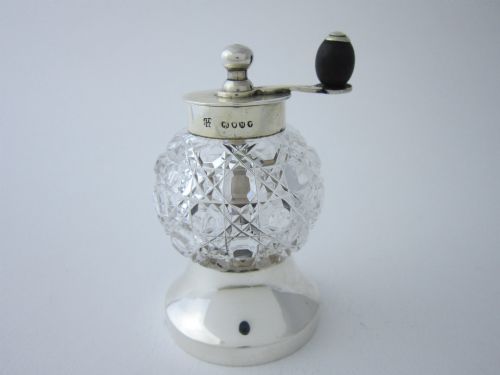
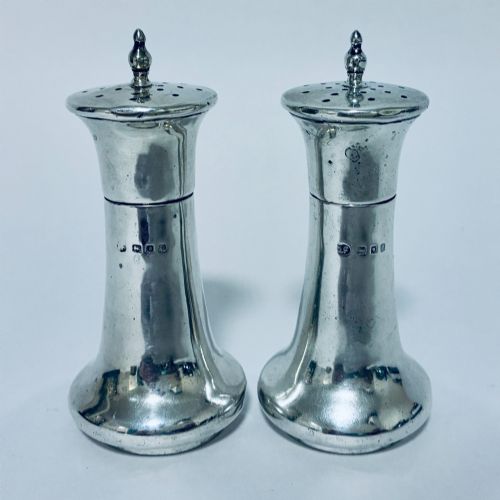
These Victorian silver condiments bring practical elegance to the table through salt cellars, mustard pots, and pepper mills.
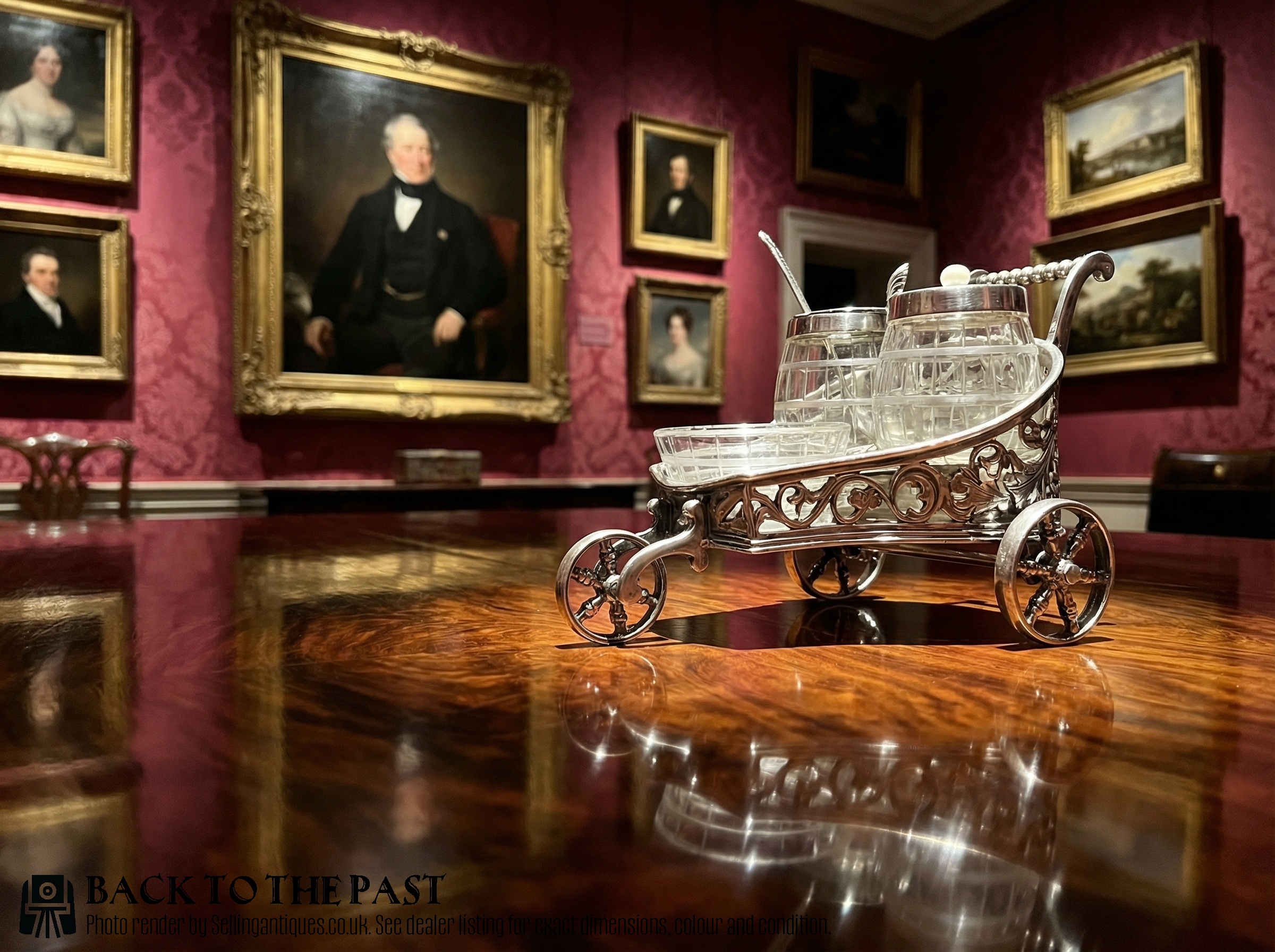
Victorian Silver Condiments
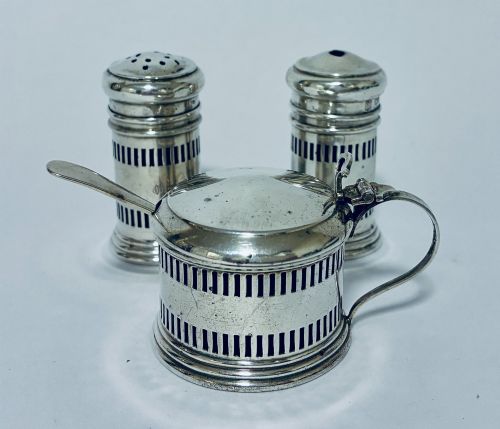
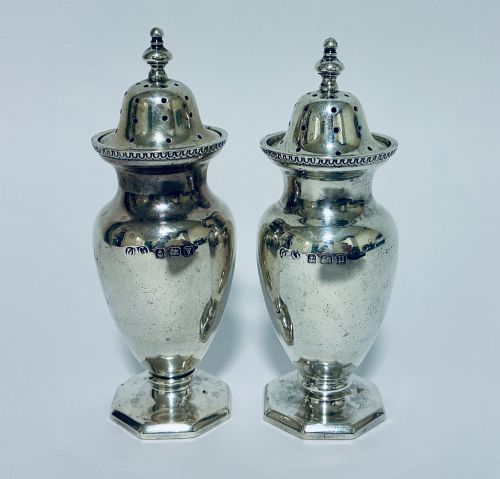
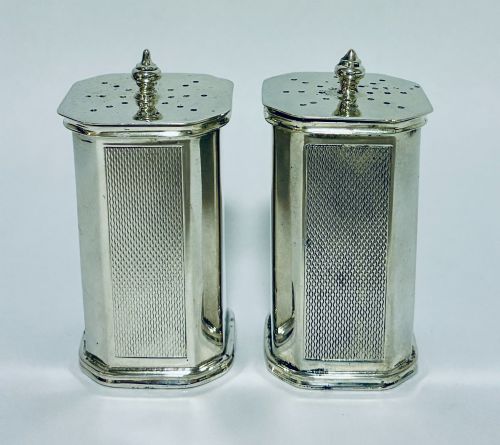
Victorian silver condiments comprise table wares designed for holding salt, pepper, mustard, and oils during meals. The forms range from simple individual salt cellars to complete cruet sets containing multiple glass bottles and silver frames.
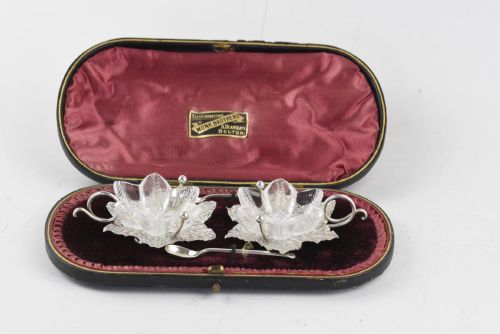
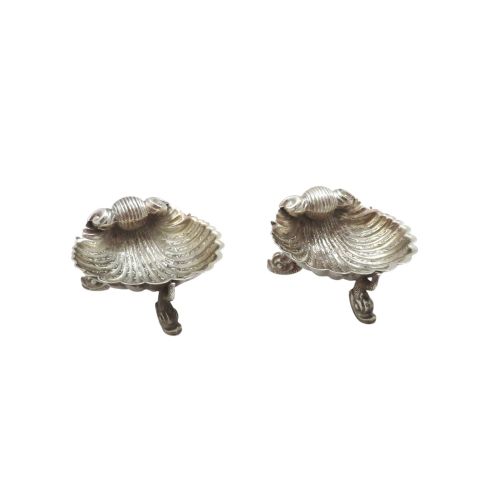
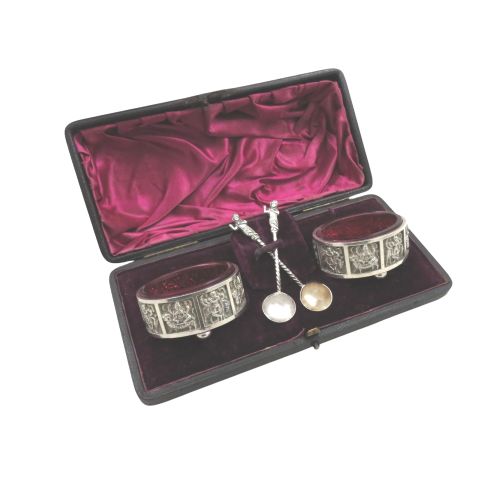
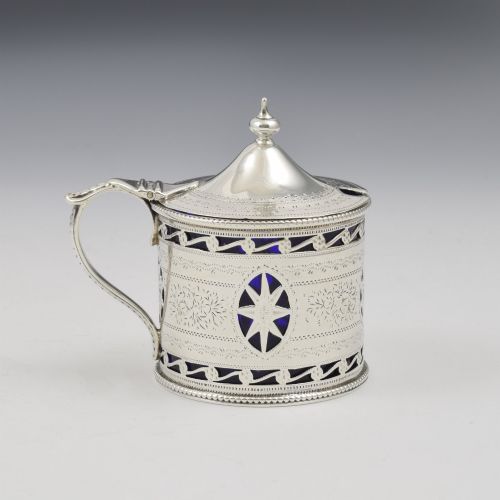
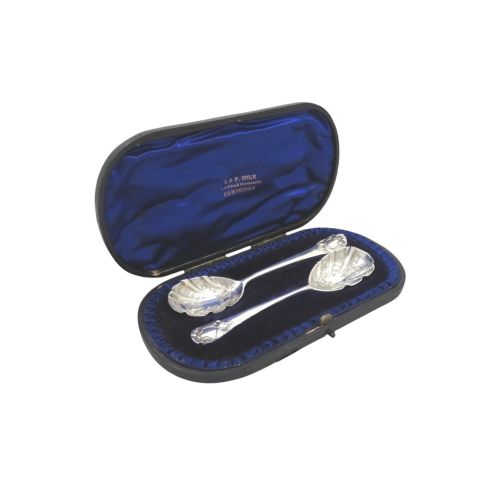
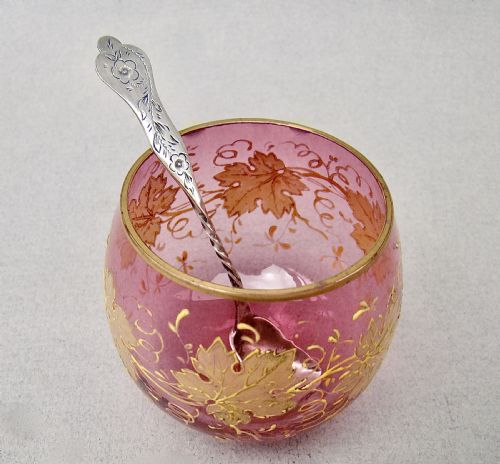
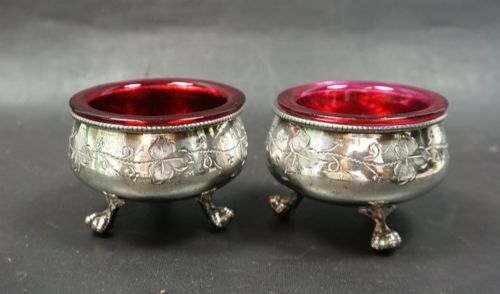
Salt cellars appear frequently, often paired with matching spoons and fitted with removable glass liners. These liners protect the silver metal from corrosive salts and are seen in clear, cobalt, and cranberry glass.
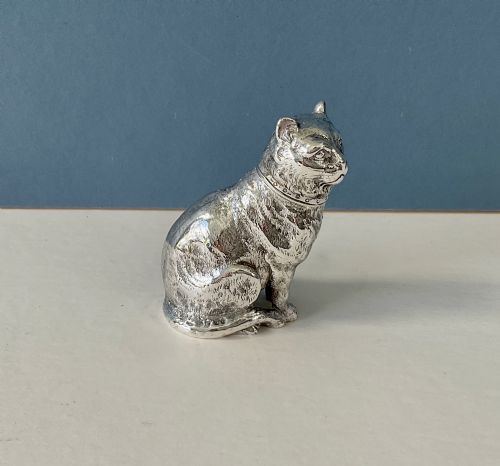
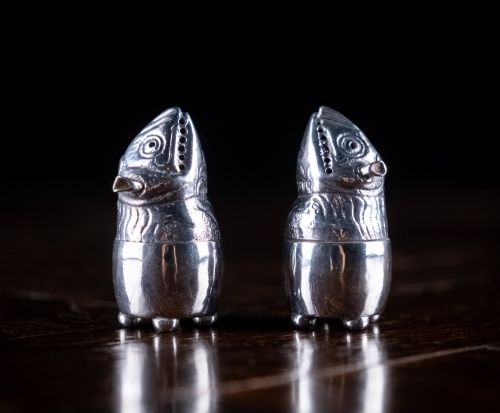
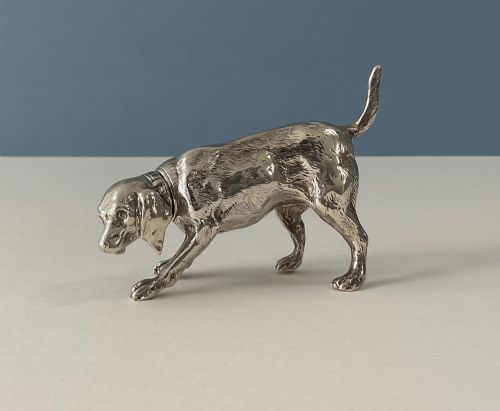
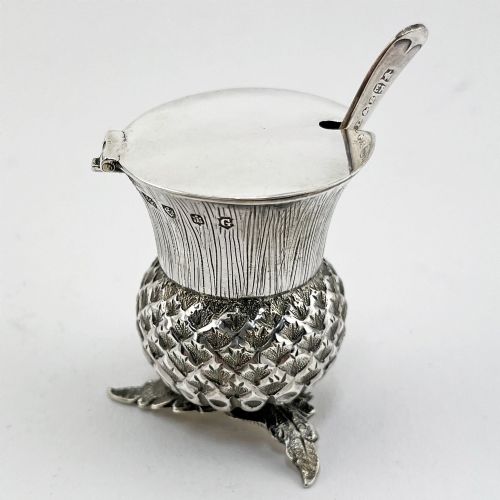
Novelty pieces form a distinct category within these listings, taking shapes such as cats, dogs, birds, barrels, and grotesque figures. Cruet sets consolidate these vessels into matched frames for central table placement.
Materials and construction
Makers utilised sterling silver and silver plate alongside blown and cut glass inserts. Piercing, chasing, and repousse work decorated the metal bodies of mustard pots and salt dishes.
Glass components included coloured cranberry and cobalt vessels, fitted neatly into pierced silver frames or paired with cast silver mounts.
Listings feature items from the Victorian and Edwardian periods, utilising sterling silver, silver plate, and coloured glass.
Assessing quality
Quality rests upon the crispness of the chasing, the weight of the silver, and the preservation of original glass liners. Pieces bearing distinct maker marks and clear hallmarks command higher regard.
The complexity of design, such as elaborate pierced work on mustard pots or naturalistic forms in novelty pepper pots, separates standard items from exceptional examples.
Frederick Brasted·Nathan and Hayes·Barnards·Charles and George Fox·Daniel Arter·Mappin Brothers
The Victorian Silver Condiments Glossary
- Cruet set
- A matched collection of condiment bottles or pots held within a central metal frame or stand.
- Salt cellar
- A small open dish or container used to hold salt at the dining table before the invention of the shaker.
- Mustard pot
- A covered jar designed to serve prepared mustard, typically supplied with a small spoon and a glass liner.
- Chasing
- A metalworking technique where the artisan punches patterns into the front surface using hammers and chisels.
- Pierced silver
- Metalwork cut through to create decorative openwork patterns, commonly found on mustard pot walls and salt baskets.
Victorian Silver Condiments: Frequently Asked Questions
What are salt liners made from?
Liners inside salt cellars and mustard pots consist of coloured or clear glass. Cobalt blue and cranberry glass were frequent choices for Victorian makers.
These inserts protected the sterling silver from the corrosive nature of salt while adding visual contrast to pierced silver designs.
How were cruet sets used?
Cruet sets held liquid and dry seasonings together on the dining table for guests to serve themselves. Frames contained bottles for oil and vinegar alongside pots for mustard, salt, and pepper.
Larger sets sat at the centre of the table, while smaller bachelor cruets served individual portions.
What is a novelty pepper pot?
Novelty pepper pots take figurative shapes rather than standard urn or shaker forms. Makers sculpted silver into animals, birds, barrels, and grotesque characters.
These whimsical pieces functioned as both functional condiment containers and conversation pieces during Victorian meals.
How do I clean silver condiments?
Silver condiments require gentle cleaning with specialised silver polish and soft cloths to preserve chased details and hallmarks. Abrasive cleaners strip away the finish and damage the antique metal.
Glass liners should be removed and washed separately in warm soapy water before being replaced.