




Victorian Silver Badge
A victorian silver badge brings genuine nineteenth-century craftsmanship to your lapel, offering historic detail and enduring style.
Victorian Silver Badge
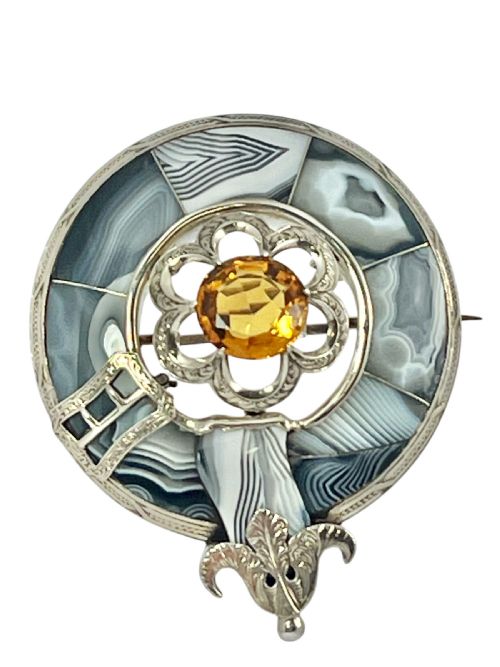
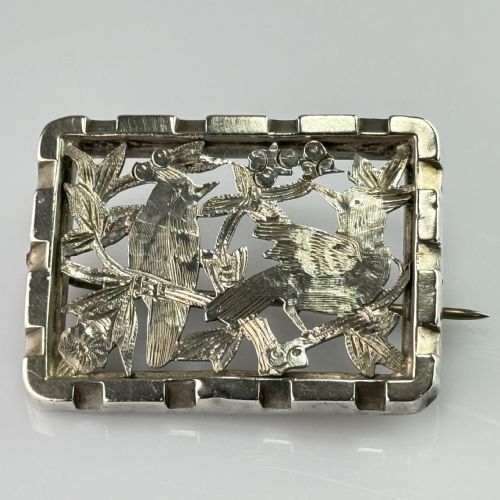
When you search for a victorian silver badge, you are exploring nineteenth-century brooches, presentation pieces, and decorative pins forged in silver and often mounted with stones or enamel. The examples you meet on this page span the Victorian and Edwardian eras, taking the form of Scottish agate specimens, equestrian horseshoes, and intricate star brooches.
Most pieces function primarily as dress brooches or territorial cap badges rather than modern fastenings. They range from large Scottish pebble designs set with citrine to delicate silver gilt and enamel works reflecting Art Nouveau sensibilities.
How they were made
Silversmiths of the period shaped sterling silver and silver gilt using traditional hand techniques, frequently combining the metal with tortoiseshell piqué work, gold inlay, or hand-cut old European diamonds. Artisans also applied vitreous enamel to metallic bases to create rich coloured surfaces on articulated or figural pins.
Stonemasonry skills translated directly into the mounting of natural minerals, where polished Scottish agates, jaspers, and citrines were carefully bevelled and set into heavy silver collets. Pinned structures often incorporated hinged pin stems and simple C-clasps soldered securely to the reverse.
Listings feature periods spanning the Victorian era, the 1890s, the 1900s, and the Edwardian period, alongside materials including silver, enamel, citrine, agate, and diamond.
What varies in quality
The distinction between standard production and finer work lies in the crispness of the chasing, the depth of the engraving, and the quality of the stone cutting. Superior pieces display tightly fitted gemstone mosaics with no visible gaps in the silver collets, alongside hand-carved details on figural motifs like lizards, birds, and Viking ships.
Material selection divides the range further, separating simple stamped silver frames from heavy cast metal enriched with precious stones, high-carat gold accents, or translucent enamel work. The complexity of the design, such as articulated joints or multi-part Scottish pebble arrangements, determines the maker's investment of time.
Gustav Gaudernack
The Victorian Silver Badge Glossary
- Silver gilt
- Silver that has been coated with a thin layer of gold, often providing a warm yellowish tone to the metalwork. This technique was frequently utilised on Victorian brooches to create two-tone effects.
- Piqué work
- A method of decorating tortoiseshell or horn by inlaying tiny points and patterns of gold and silver wire. It requires precise heat and pressure to secure the metal directly into the organic material.
- Old European cut
- An early form of brilliant diamond cutting characterised by a small table, high crown, and a large open culet. These stones display broad, distinctive facets under candlelight.
- Collet
- A band or strip of metal that holds a gemstone in place by being pushed over the edge of the stone. Secure collet setting is a hallmark of traditional nineteenth-century benchwork.
Victorian Silver Badge: Frequently Asked Questions
How were these badges worn?
Wearers pinned them to lapels, cravats, hats, or heavy wool garments using the integrated pin stem and clasp on the reverse.
They functioned both as decorative dress accessories and as marks of identity or allegiance.
How do I care for silver and enamel?
Clean the silver gently with a soft microfibre cloth to preserve the historic patina, avoiding harsh liquid dips that damage enamel or stone settings.
Store each piece in a dry box away from direct sunlight to protect vulnerable materials like tortoiseshell and paste.
How can I tell the period?
Examine the construction of the pin mechanism, the style of the stone cutting, and any hallmark stamps pressed into the metal.
Victorian and Edwardian pieces typically feature hand-cut stones, heavy cast silver frames, and C-clasps predating modern safety catches.