
Victorian Sideboard Shelf
Victorian sideboard shelf furniture provides both display space and storage, bringing nineteenth-century craftsmanship into domestic rooms.
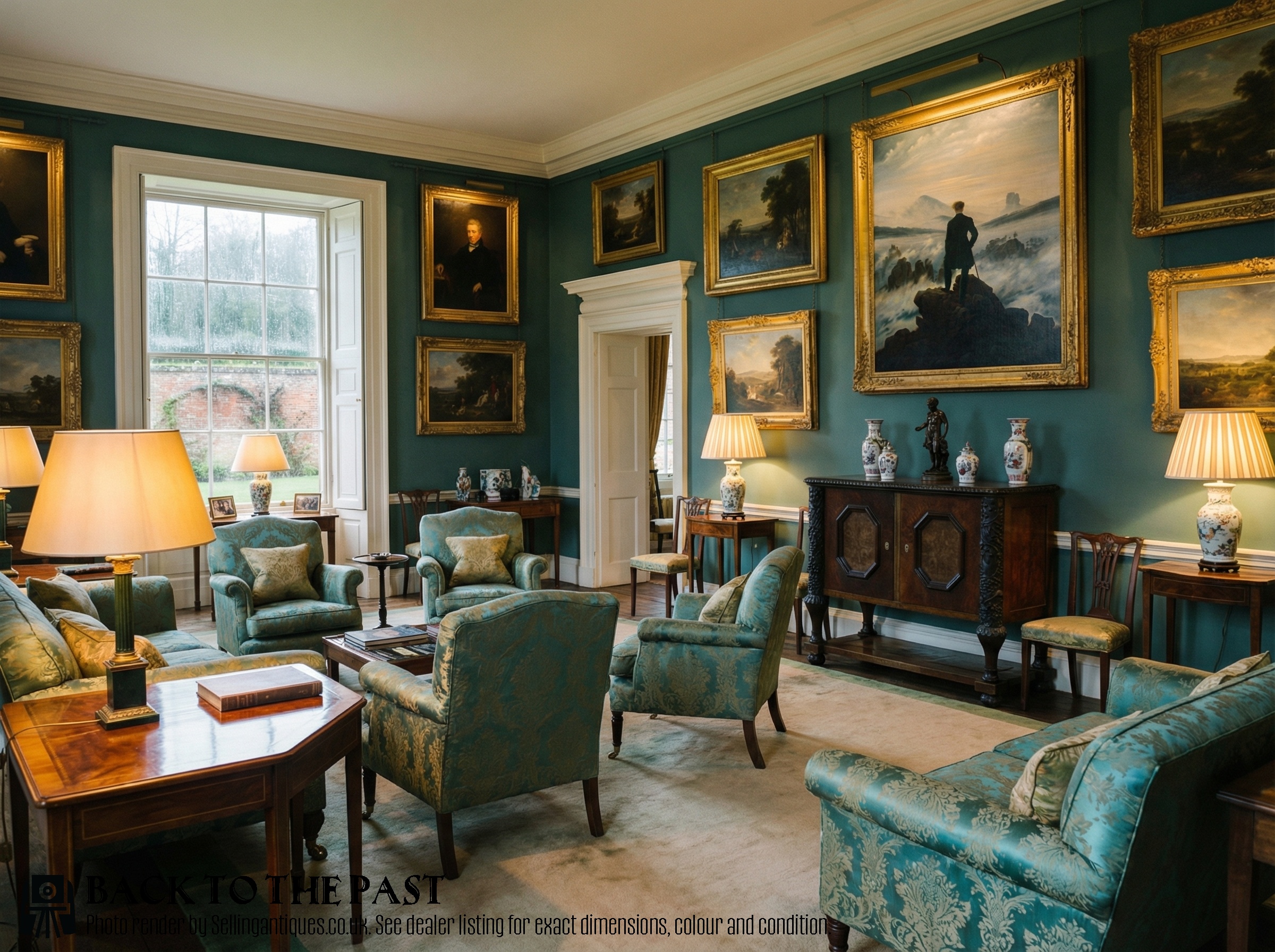
Victorian Sideboard Shelf
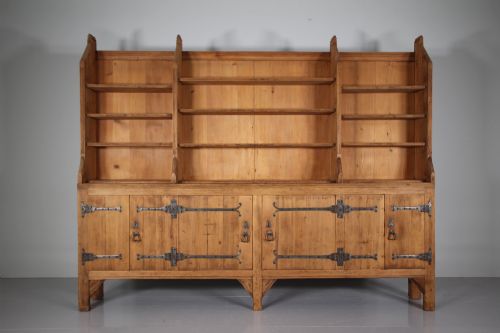
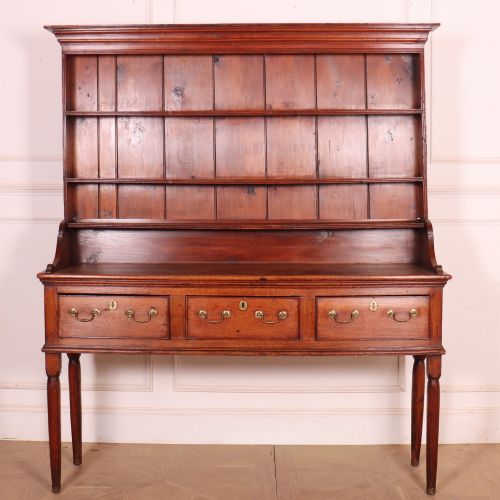
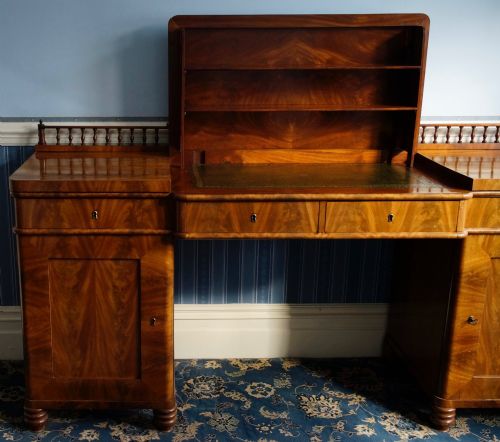
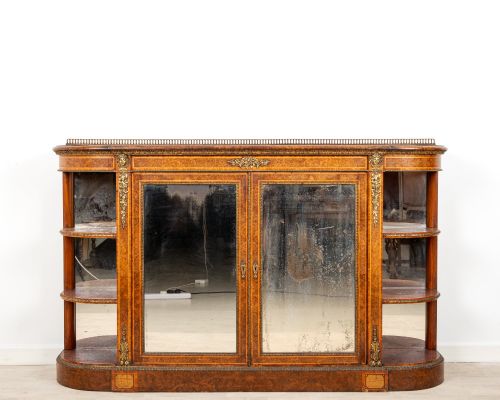
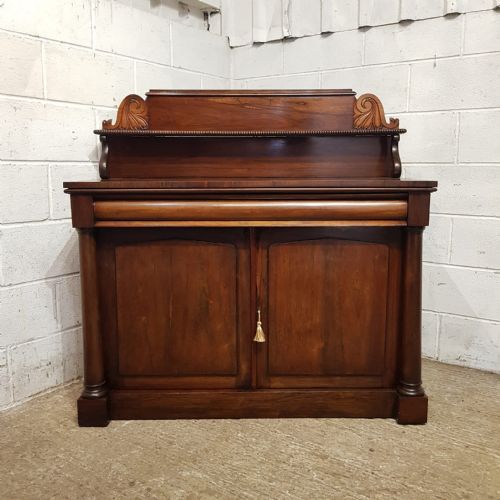
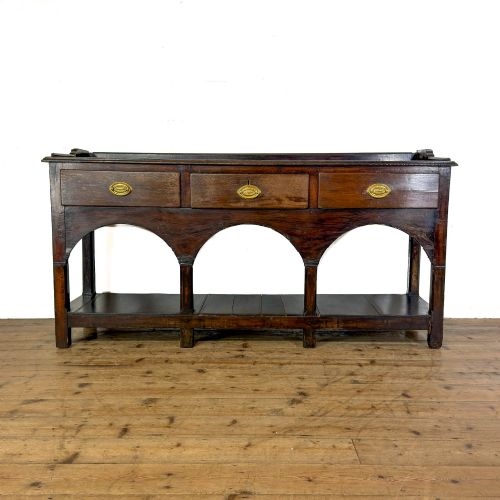
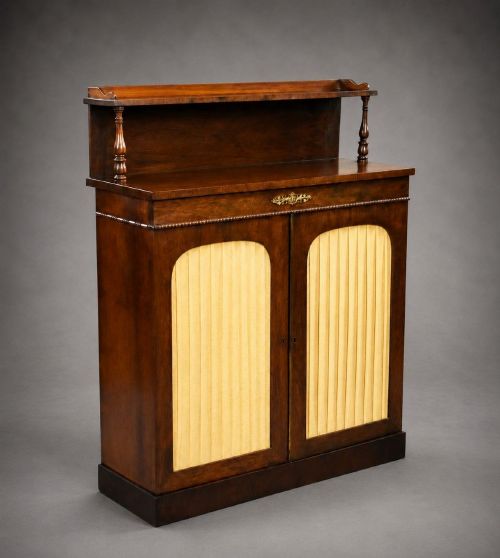
A victorian sideboard shelf typically combines lower enclosed storage with upper display tiers or mirror backs. Pieces span various forms including chiffoniers, credenzas, buffets, and side cabinets across the nineteenth century.
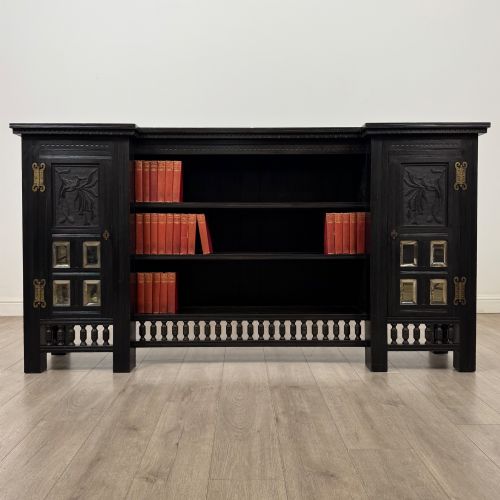
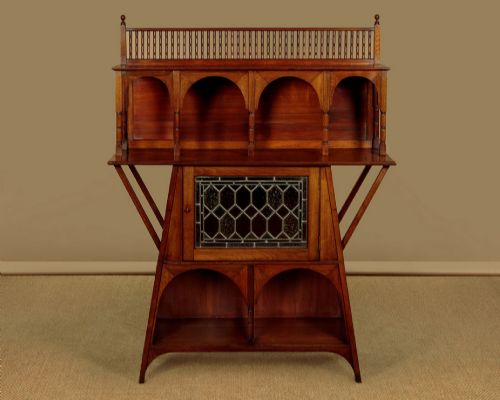
The selections on this page draw from periods such as Early Victorian, the Aesthetic Movement, and Arts and Crafts. Walnut, mahogany, and rosewood dominate the items encountered here.
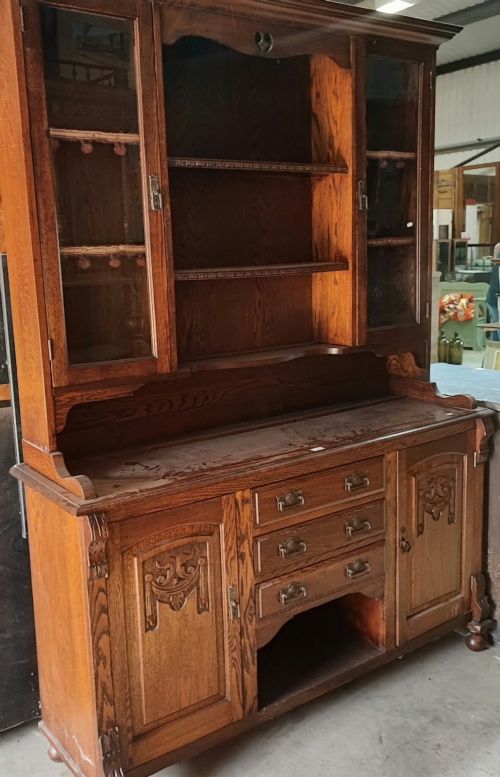
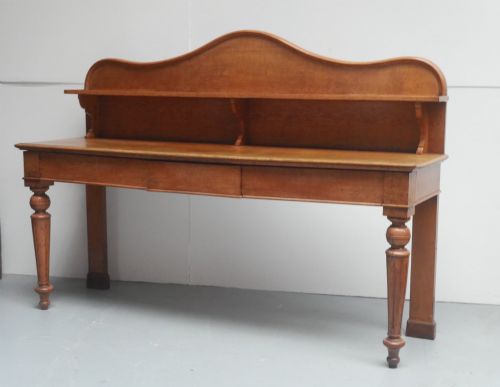
Buyers will find distinct regional variations including Scottish oak serving tables and Anglo-Indian solid satinwood cabinets. These pieces serve dining rooms, halls, and living spaces for display and organisation.
Materials and construction methods
Cabinet makers utilised dense hardwoods like mahogany, walnut, and rosewood, often enhanced with burr veneers and intricate inlay. Oak and pine appear frequently in robust dressers and buffet bases.
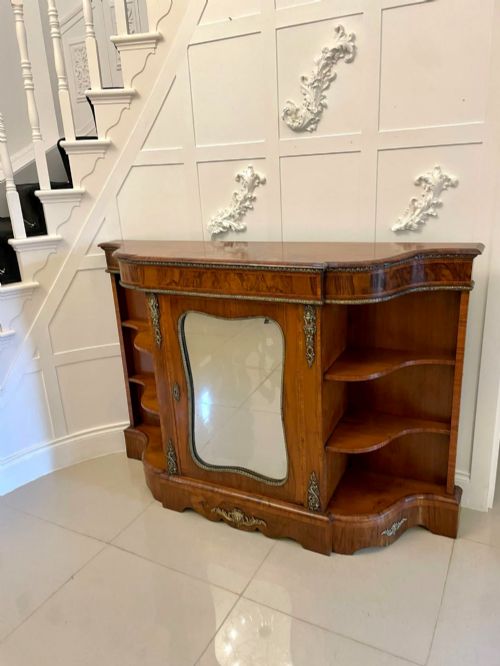
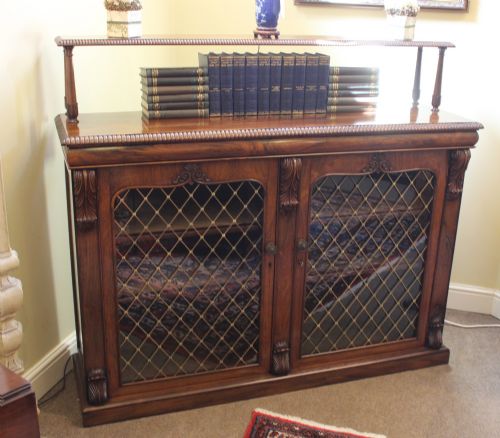
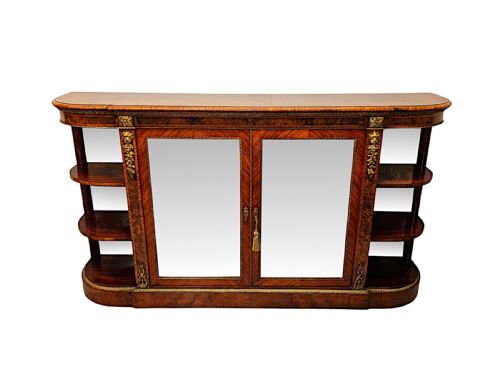
Decorative elements involve applied brass, ormolu mounts, glazed doors, and mirrored panels. Structural integrity relies on traditional joinery paired with original castors on movable buffet tiers.
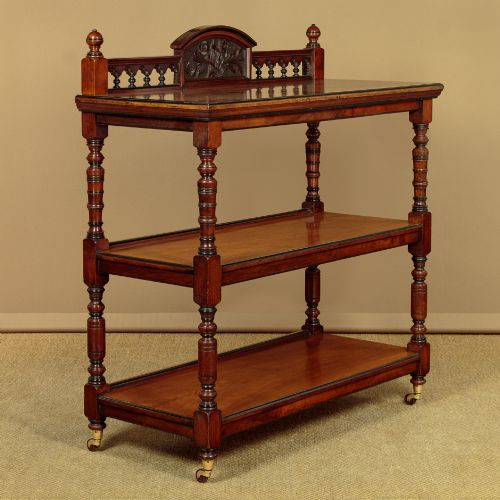
Several pieces roll smoothly upon their original brass castors, built for nineteenth-century servants rearranging dining rooms.
Judging execution and finish
Quality rests upon the selection of timber veneers, such as figured burr walnut or flame mahogany, matched symmetrically across doors and panels. Finishes show depth through careful polishing rather than surface gloss.
The refinement of brass mounts, ormolu detailing, and inlaid marquetry distinguishes standard production from notable workshop output. Structural joinery remains tight and substantial regardless of scale.
Gillows·Liberty and Co·John Moyr Smith
The Victorian Sideboard Shelf Glossary
- Credenza
- A low cabinet, typically featuring mirrored doors and ormolu mounts, designed for formal reception rooms. These pieces often incorporate curved glass side cupboards.
- Chiffonier
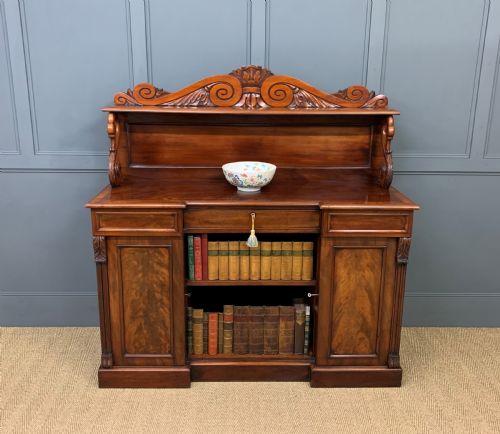
- A compact sideboard featuring a lower cabinet surmounted by a shelf or mirror back. Early examples frequently utilise rosewood or mahogany.
- Buffet
- A tiered serving piece designed for dining rooms to hold tableware and food. Versions range from three-tier open wooden structures to enclosed cabinets.
- Ormolu
- Gilded bronze applied as decorative mounts on nineteenth-century cabinet work. It highlights architectural lines on walnut and burr walnut furniture.
- Aesthetic Movement
- A late nineteenth-century design style emphasising artistic craftsmanship over rigid historicism. Pieces from this movement often utilise ebonised wood and stylized inlay.
Victorian Sideboard Shelf: Frequently Asked Questions
How do I use a sideboard shelf today?
These pieces serve as functional focal points in dining rooms or living spaces for storing tableware and linens. The upper shelves and mirrors provide practical surfaces for displaying ceramics, books, or decorative objects.
Their robust proportions allow them to anchor large wall spaces while offering concealed storage behind timber or glazed doors.
What is the difference between a chiffonier and a credenza?
A chiffonier is typically a more compact piece featuring a lower cupboard with a single shelf or mirrored superstructure above. They were traditionally placed in sitting rooms for everyday storage.
A credenza is generally a larger, more formal low cabinet often decorated with ormolu mounts and side display cupboards, originating for dining room service.
How do I date a Victorian sideboard?
Dating relies on observing changes in timber preference, hardware, and stylistic influences across the nineteenth century. Early Victorian pieces often feature flame mahogany and rosewood with simpler scrolled pediments.
Later decades introduce burr walnut with elaborate ormolu, followed by Aesthetic Movement ebonisation and Arts and Crafts simplicity toward the end of the century.
Are these pieces suitable for smaller rooms?
Many variations, such as small chiffoniers and narrow side cabinets, suit compact interiors while retaining vertical display capacity. The inclusion of mirrors on many backing boards helps reflect light and create a sense of space.
Careful measurement of depth and height ensures these substantial wooden pieces integrate comfortably into modern room layouts.