





Antique Pot Board Credenza
These antique pot board credenza examples are sturdy wooden storage pieces offering open lower shelving and drawers, built to last for generations.
Antique Pot Board Credenza
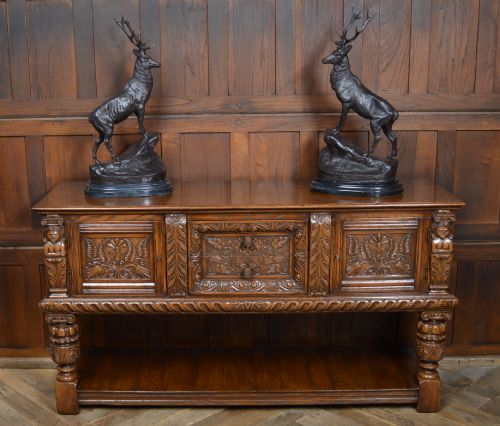
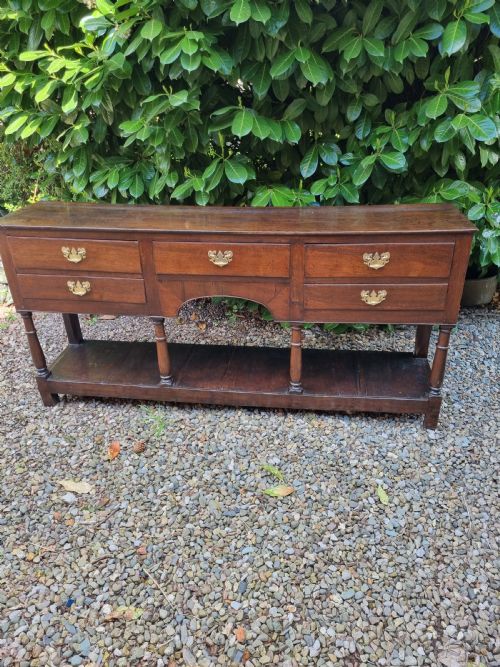
When you search for an antique pot board credenza, you encounter heavy wooden furniture traditionally used for serving food and storing household items in dining areas or halls. These practical pieces combine an enclosed upper section or drawer tier with a low slatted open shelf beneath, known as the pot board.
The versions you meet most frequently on this page stem from several distinct eras, ranging from 17th century regional formats to Georgian, Victorian, Edwardian, and later revival styles. Oak is the primary material across these centuries, frequently decorated with paneling, carving, or fruitwood marquetry inlay.
Makers produced these items in various regional forms, including Welsh vernacular dresser bases, Lancashire buffets, and hall cupboards. They serve today as commanding sideboards or display surfaces in traditional and contemporary interiors alike.
How they were made
Joiners and cabinetmakers built these pieces using solid oak, often supported by secondary timbers like fruitwood for inlay work. Construction relied heavily on traditional framing and panel techniques, joined with pegged mortise and tenon joints to withstand heavy daily use.
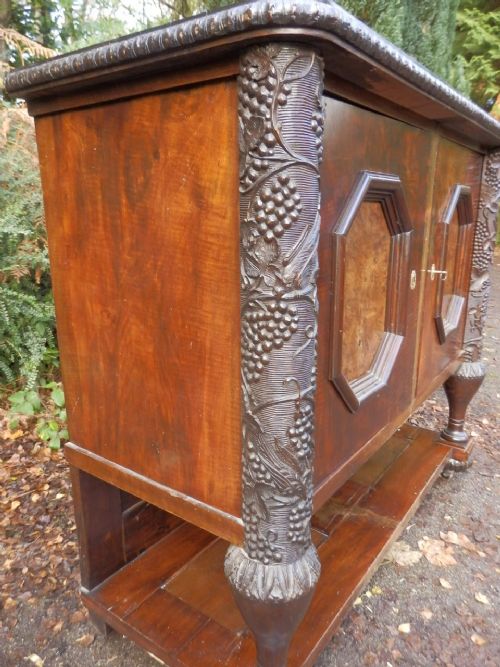
Surface ornamentation involved hand carving in Jacobean, Tudor, and Renaissance revival styles, alongside linenfold panels and contrasting fruitwood marquetry inlay. Iron and brass fittings, including hinges, handles, and escutcheons, provided functional and decorative accents.
Listings span multiple eras from the 17th century through to the 1920s, featuring oak, brass, iron, and fruitwood marquetry inlay.
What varies in quality
Quality in these items depends on the crispness of the hand carving, the depth and character of the timber grain, and the integrity of the original construction. Pieces exhibiting thoughtful proportions and authentic period hardware demonstrate superior craftsmanship compared to later, plainer iterations.
The degree of surface preservation and the subtlety of regional vernacular details also set exceptional examples apart. Retaining original structural timber without extensive replacement parts signals a higher tier of workmanship.
Liberty of London
The Antique Pot Board Credenza Glossary
- Pot board
- The low, open shelf situated near the floor on dresser bases and sideboards, originally designed for storing heavy pots and pans. This distinctive feature defines the lower profile of the furniture.
- Linenfold
- A style of carved wooden paneling that resembles vertically folded lengths of cloth, frequently seen on Tudor and Edwardian cupboard doors. This decorative technique adds texture and depth to flat surfaces.
- Marquetry
- The art of applying decorative veneer pieces in various woods, such as fruitwood, to create pictorial patterns or geometric designs. It is often integrated into panels to enhance visual richness.
- Vernacular
- Furniture made by local craftsmen using regional traditions and readily available native timbers rather than following strict metropolitan design patterns. Welsh vernacular pieces illustrate this localized construction approach.
- Renaissance Revival
- A 19th-century design movement that drew inspiration from classical forms, incorporating heavy carving, symmetry, and architectural motifs into wooden furniture.
Antique Pot Board Credenza: Frequently Asked Questions
What is a pot board credenza?
A pot board credenza is a traditional wooden storage unit featuring drawers or cupboards above an open lower shelf near the floor.
These pieces were originally utilised in domestic kitchens and halls to store heavy cookware and display serving platters.
Where should I place a dresser base?
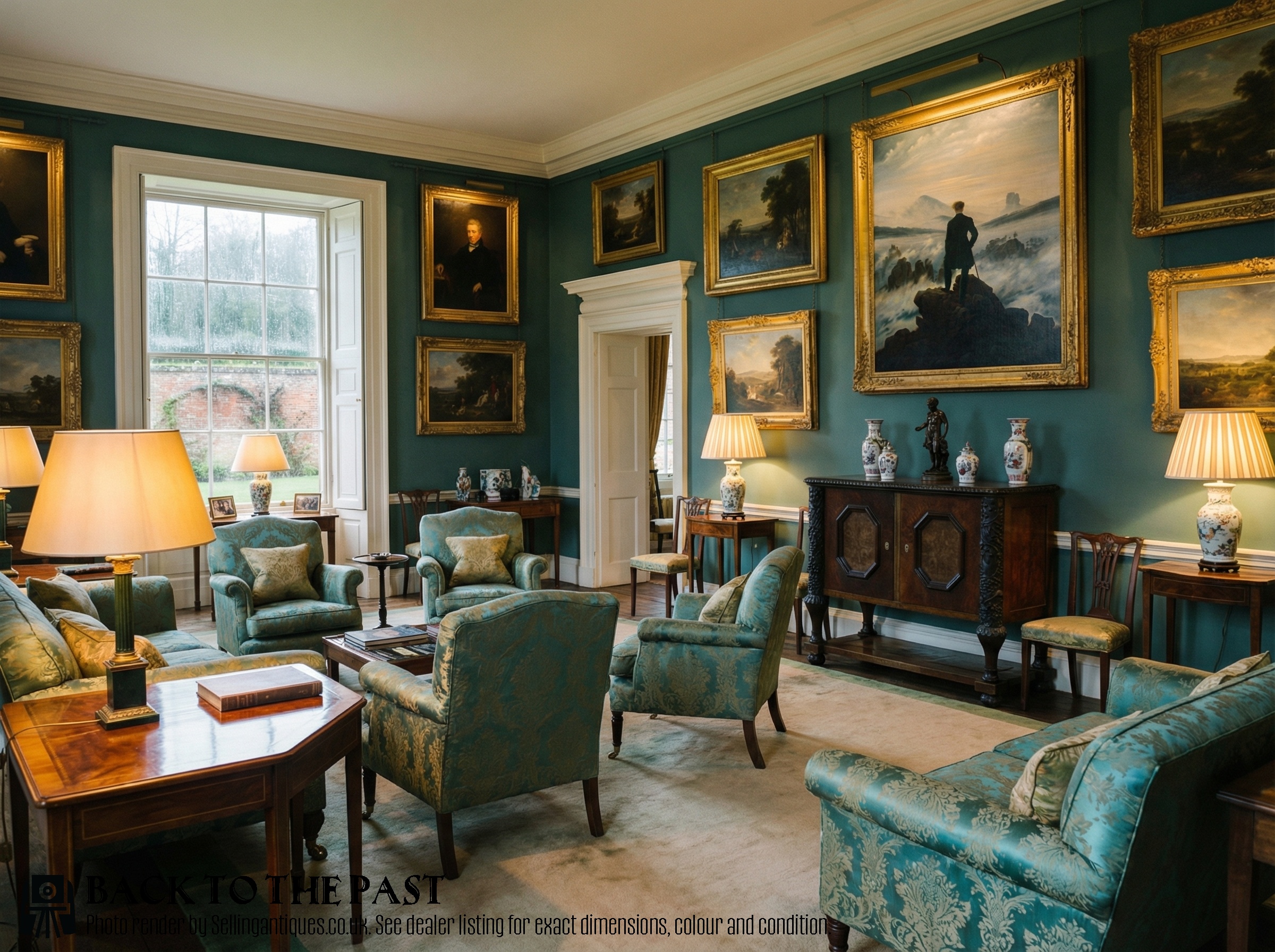
A dresser base fits well in a dining room, hallway, or large living space where its surface and storage can be fully utilised. Its substantial presence anchors a room while providing practical tabletop space for lamps or decorative items.
The open lower pot board also offers an ideal area for stacking books or displaying ceramics.
What wood was used?
Solid oak is the predominant timber found across these historical storage pieces, valued for its strength and durability.
Secondary materials like fruitwood were occasionally incorporated for marquetry inlay work, while iron and brass supplied the functional hardware.