
Victorian Sheraton Revival
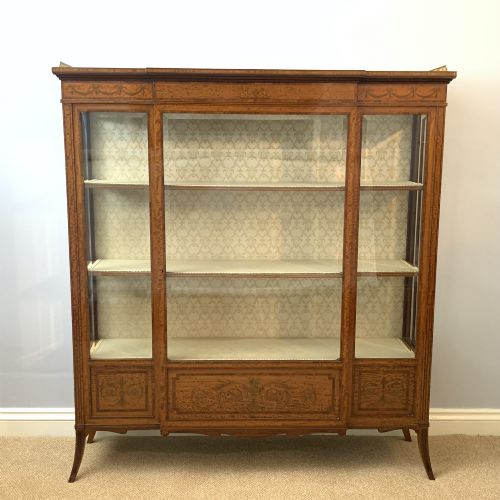
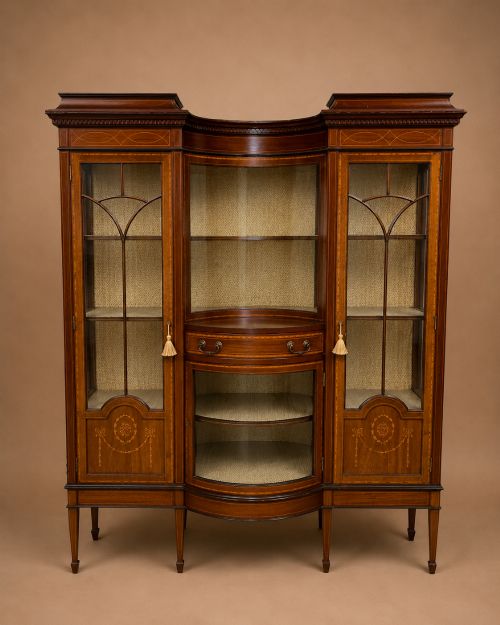
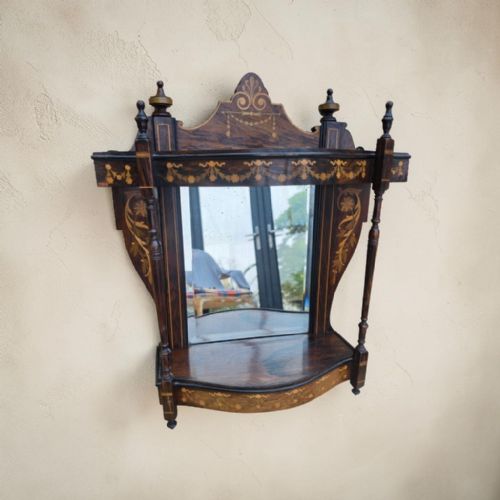
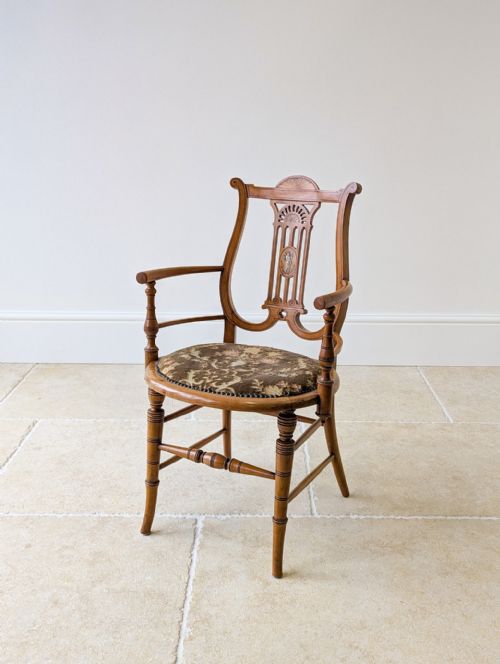
Victorian Sheraton Revival pieces bring refined neoclassical elegance to period interiors through delicate inlay and light cabinet woods.
Victorian Sheraton Revival
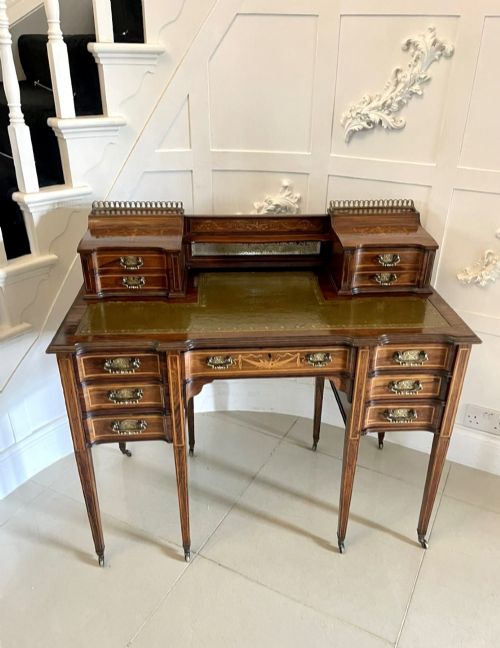
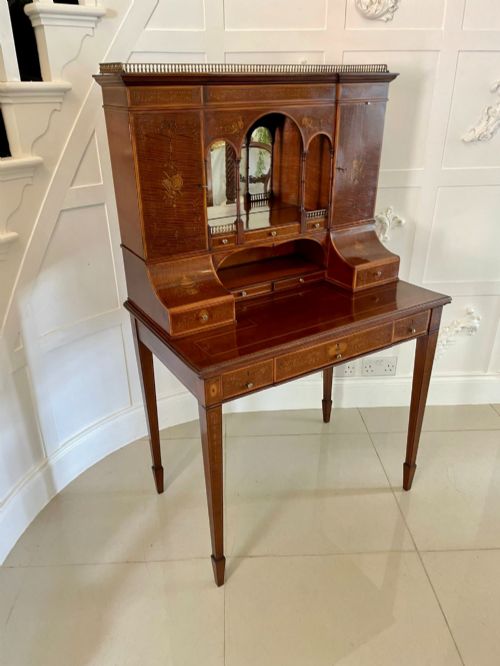
When searching for victorian sheraton revival, buyers encounter a distinct group of late nineteenth-century furnishings that reinterpret eighteenth-century neoclassical design. These items originate predominantly from the Victorian and Edwardian eras, spanning the decades between eighteen eighty and nineteen hundred.
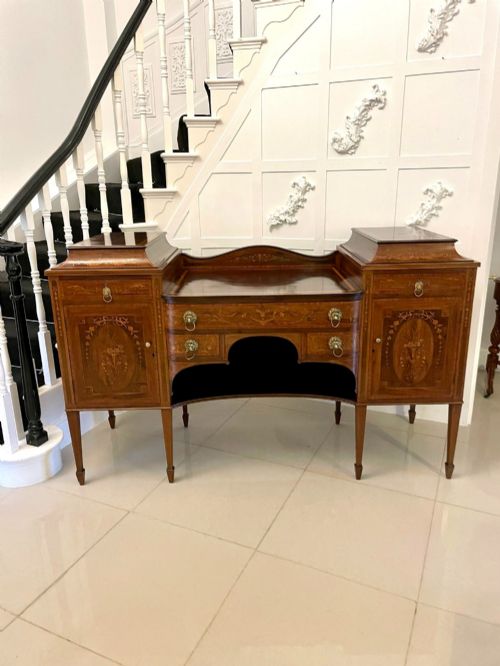
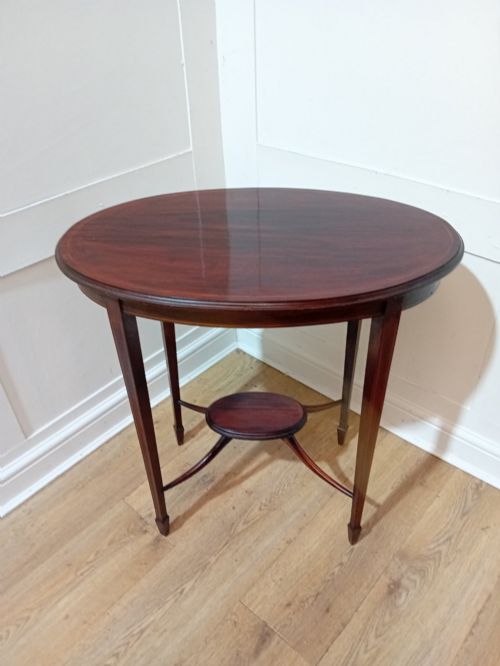
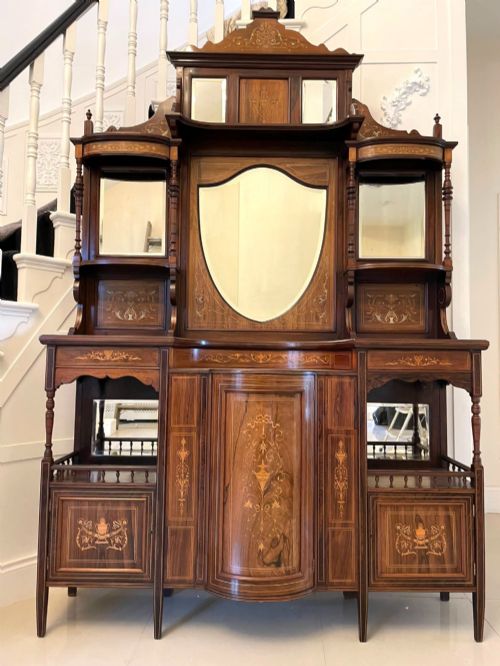
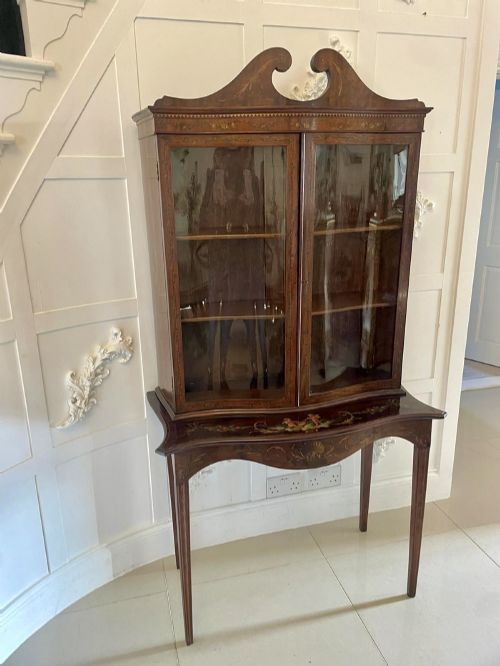
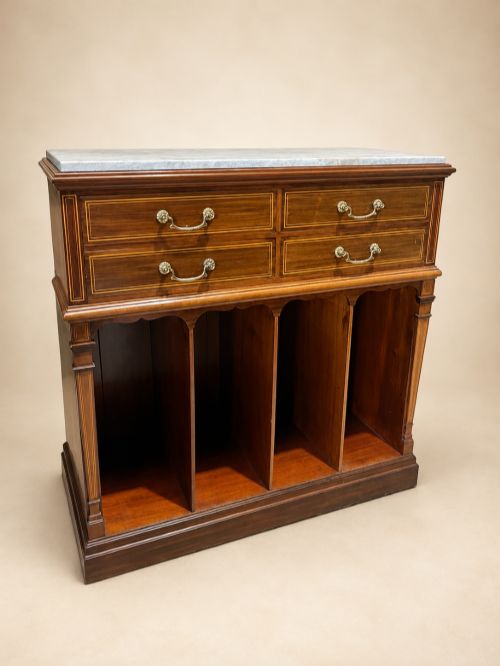
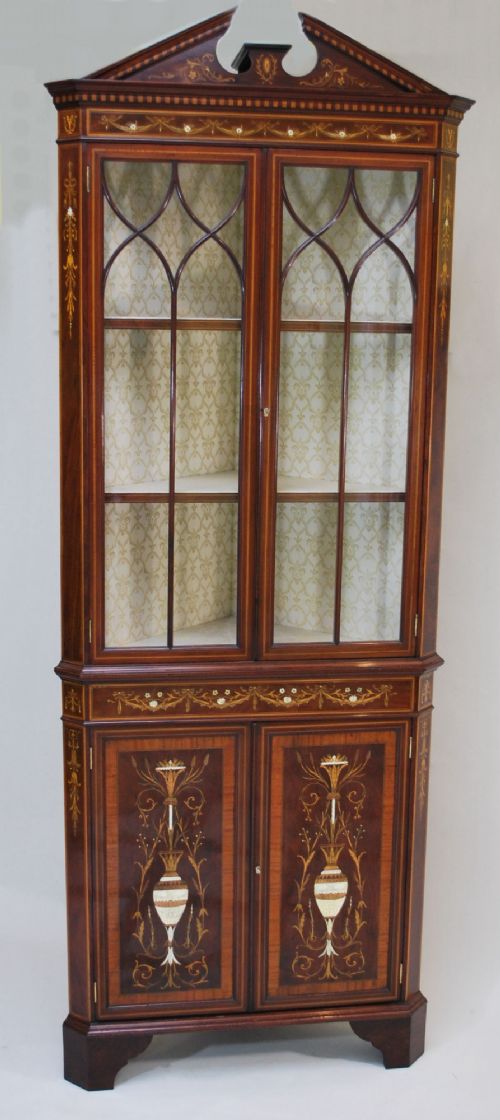
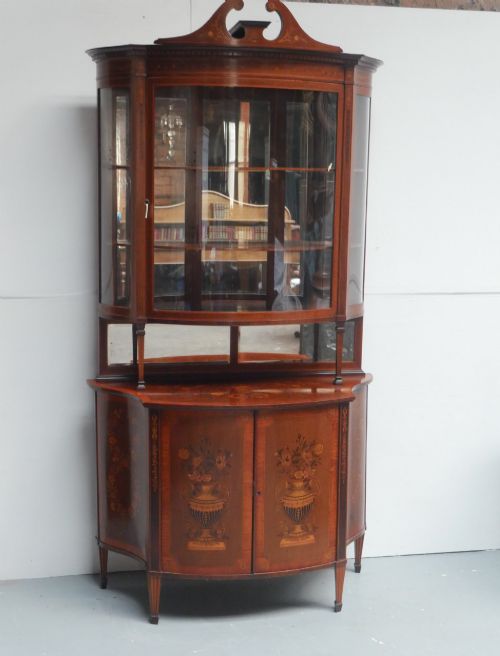
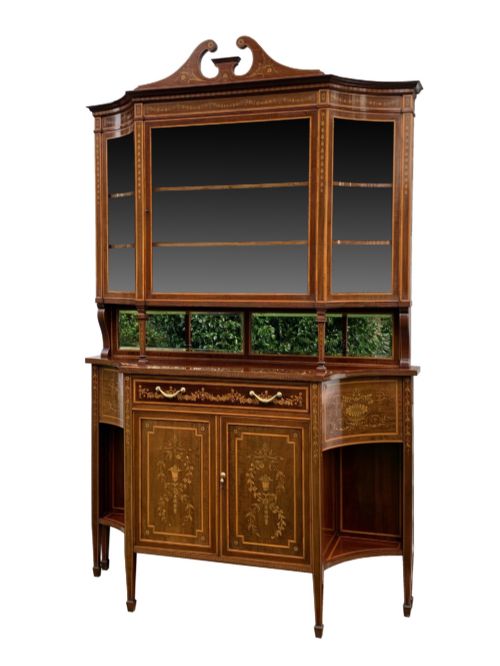
The category encompasses a wide range of domestic forms built for formal and intimate rooms. Display cabinets, writing desks, side cabinets, and seating dominate the inventory, accompanied by occasional tables, chests of drawers, and wardrobes.
Mahogany, satinwood, and rosewood serve as the primary foundational timbers for these items. Cabinetmakers frequently employed contrasting woods for inlay to achieve the characteristic light and graceful aesthetic associated with the style.
How they were made
Craftsmen utilised solid timbers and selected veneers, applying mahogany, satinwood, and rosewood over structural carcasses. Marquetry and delicate stringing formed intricate decorative patterns across drawer fronts, tabletops, and cabinet doors.
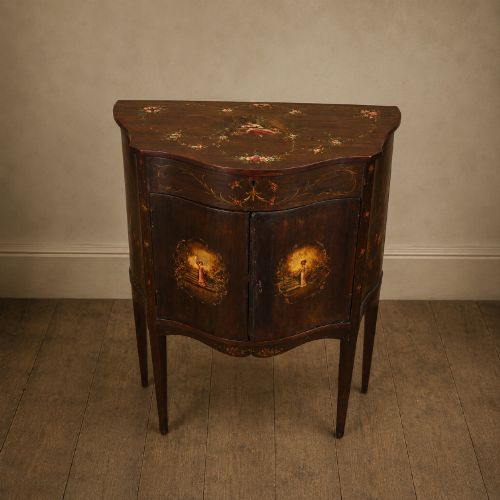
Original painted decoration and hand-painted motifs frequently supplemented the wood inlay, adding floral and classical details. Cabinetmakers incorporated brass hardware, glazed panels, and leather writing inserts to complete the functional forms.
What varies in quality
The intricacy and precision of the marquetry and inlay separate standard production from superior examples. Master workshops executed motifs with exceptional sharpness and tight joints that remain flush over time.
Timber selection dictates the visual depth of a piece, with figured satinwood, fiddleback mahogany, and rich rosewood commanding greater attention. The presence of documented maker signatures or stamps further elevates the standing of specific cabinets and desks.
Maple & Co·Hewetsons London·Edwards & Roberts·Warings
The Victorian Sheraton Revival Glossary
- Marquetry
- Decorative veneer work arranged in pictorial or geometric patterns using various coloured woods. This technique requires significant skill to cut and fit each piece precisely into the ground veneer.
- Satinwood
- A lustrous tropical hardwood native to Ceylon and India with a golden yellow sheen. Cabinetmakers favoured this timber for its bright surface and excellent contrast when paired with darker woods.
- Serpentine
- A furniture front or tabletop shaped with a central convex curve flanked by concave sections. This undulating profile demands advanced woodworking proficiency to construct accurately.
- Bijouterie
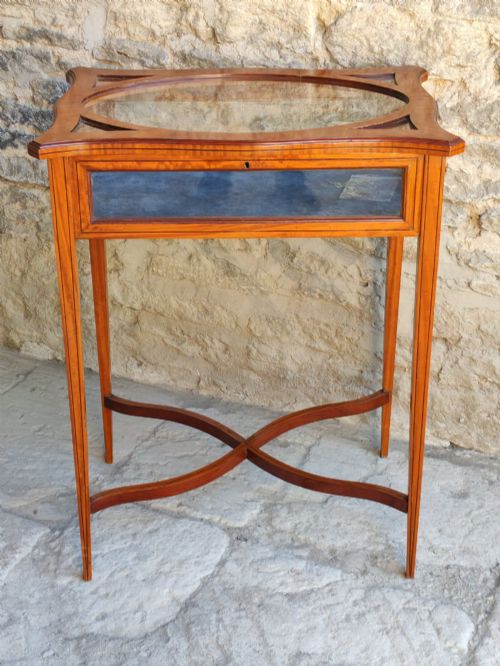
- A low glazed display table or cabinet designed specifically to showcase small valuable objects and trinkets. These delicate glazed cases gained popularity in drawing rooms during the late nineteenth century.
- Stringing
- Thin strips of contrasting wood inlay used to outline panels, drawers, and tabletops. This linear decoration accentuates the geometric proportions of cabinet furniture.
Victorian Sheraton Revival: Frequently Asked Questions
What is victorian sheraton revival furniture?
This furniture style represents nineteenth-century reinterpretations of Thomas Sheraton's eighteenth-century neoclassical designs. Makers drew inspiration from earlier classical proportions while incorporating the manufacturing techniques and timber preferences of the late Victorian era.
Items from this movement typically display lighter proportions, contrasting wood inlays, and refined classical motifs. They offer a more delicate aesthetic compared to the heavier walnut and oak pieces from earlier in the nineteenth century.
Where were these pieces used?
Cabinetmakers designed these furnishings for principal entertaining and private withdrawing rooms within Victorian homes. Display cabinets and centre tables occupied formal drawing rooms, while writing desks and small cabinets served bedrooms and boudoirs.
Their lighter scale allowed them to fit comfortably into the reception spaces of townhouses and country residences alike. The inclusion of glazed display cases provided households with a dedicated space to exhibit collected curiosities.
How do I care for satinwood?
Satinwood surfaces require protection from direct sunlight to preserve their natural golden colour and prevent fading. Regular dusting with a soft, dry cloth maintains the polished finish without the need for heavy chemical waxes.
Maintaining stable room humidity prevents the timber and underlying veneers from drying out or splitting. Gentle application of traditional beeswax helps nourish the grain when the wood appears dry.
How to tell periods apart?
Mid-Victorian furniture often relies on heavier mahogany forms and simpler construction methods. Late nineteenth-century pieces associated with the revival movement introduce brighter satinwood grounds, intricate marquetry, and painted neoclassical decorations.
Edwardian iterations frequently exhibit even lighter scaling and simplified Edwardian interpretations of earlier Sheraton motifs. Examining the secondary woods inside drawers and cabinet backs assists in confirming the period of manufacture.