



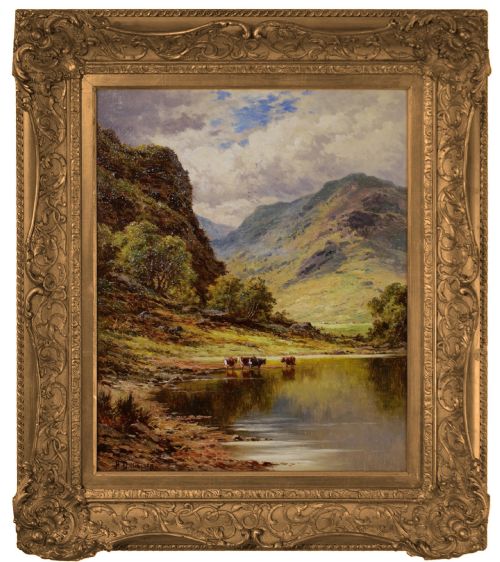
Victorian Scottish Painting
When you collect a Victorian Scottish painting, you bring the deep mists, rugged lochs and Highland cattle of the nineteenth century straight into your room.
Victorian Scottish Painting
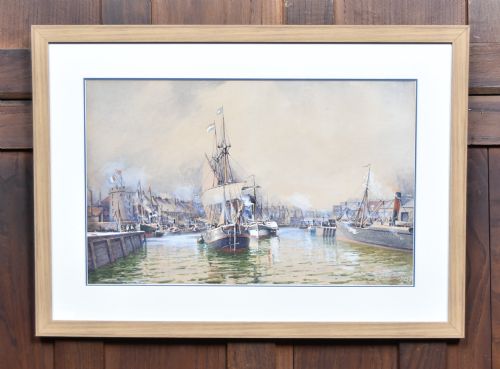
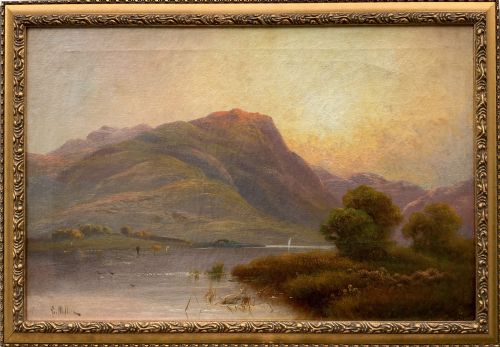
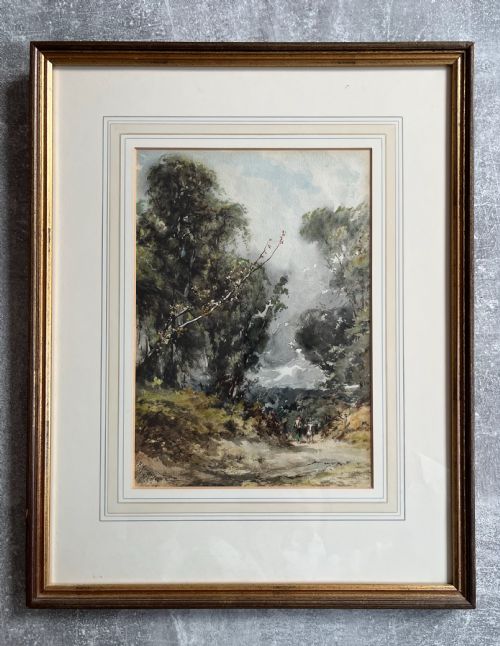
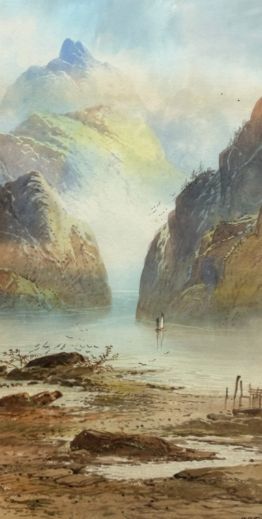
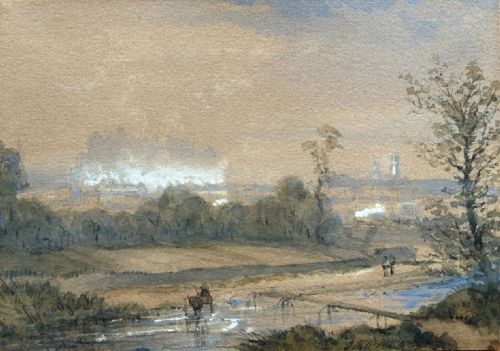
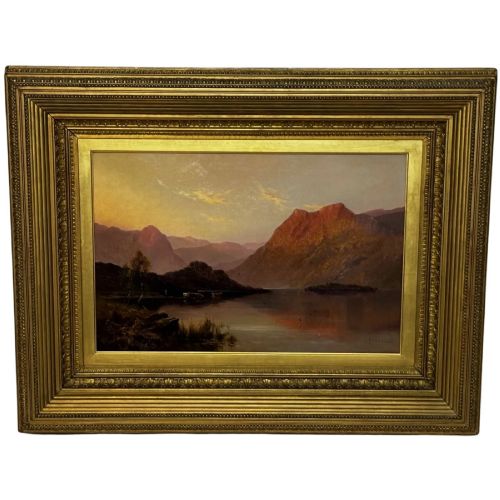
A Victorian Scottish painting captures the dramatic landscapes, Highland cattle, and romanticized rural life of Scotland during the nineteenth century. These works range from grand canvases depicting misty lochs and soaring peaks to intimate watercolours of historic castles and coastal retreats.
Buyers will most frequently encounter nineteenth-century oil on canvas works and watercolours produced during the Victorian era and the early twentieth century. The selection encompasses regional landscapes, animal studies, and genre scenes created by artists working within Scottish artistic traditions.
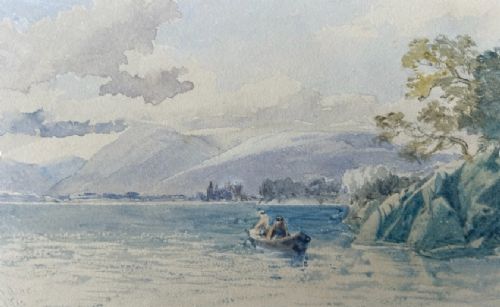
The regional focus spans specific locations such as Loch Lomond, Glen Tay, and the Isle of Arran, reflecting a period of intense artistic interest in the Scottish terrain. These pieces serve as both historical records of a changing landscape and enduring examples of nineteenth-century romanticism.
Judging quality and execution
The distinction between superior works and simpler decorative pieces lies in the brushwork, handling of light, and anatomical accuracy of figures or animals. Master artists achieved remarkable atmospheric depth and convincing textures in animal pelts and rugged stone, whereas lesser works relied on formulaic compositions and flat applications of pigment.
Provenance and signature clarity also elevate an artwork, particularly when executed by recognised members of Scottish academies or established landscape painters of the era. The integrity of the original frame and the preservation of the underlying canvas further distinguish exceptional examples from heavily restored pieces.
Listings demonstrate a strong preference for nineteenth-century oil on canvas and watercolour works depicting Highland cattle and remote lochs.
William Beattie-Brown·Thomas Miles Richardson Jnr·William Henry Earp·John R Prentice·James Hamilton·Henry H Parker·Robert Watson·John Macvicar Anderson·Joseph Farquharson·William Watson Jnr·Robert Cleminson·Charles Leslie·John Moxon·William George Tennick·Henry Robinson Hall·F E Jamieson·Colin Graeme Roe·F W Bartholomew
The Victorian Scottish Painting Glossary
- Oil on Canvas
- A painting medium where pigments suspended in drying oils are applied to a woven fabric support. This technique allowed artists to build rich, textured surfaces that survived the nineteenth century remarkably well.
- Giltwood
- Wood that has been coated with a thin layer of gold leaf or gilt powder. It is frequently found on the ornate frames enclosing Victorian landscape paintings.
- Gesso
- A plaster-like mixture used as a base for moulding decorative details on wooden picture frames before gilding. It provides a smooth surface that catches the light around the artwork.
- Watercolour Painting
- A method where water-soluble pigments are applied to paper. Victorian examples often display delicate washes that capture the damp atmosphere of Scottish weather.
- Genre Painting
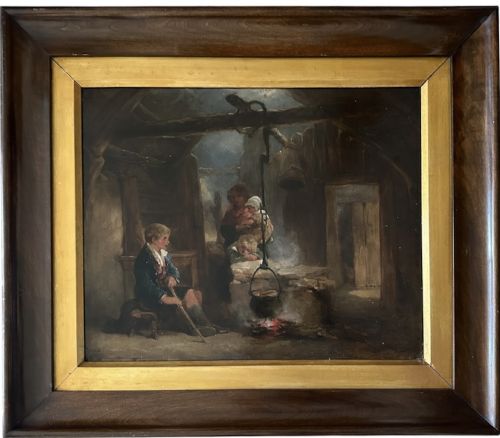
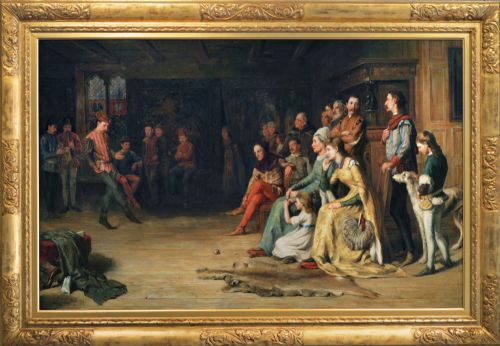
- Artwork depicting scenes from everyday life, ordinary people, or historical events. In this context, these scenes frequently feature rural Scottish households and traditional activities.
Victorian Scottish Painting: Frequently Asked Questions
What subjects appear most often in these paintings?
The prevalent subjects include Highland cattle resting by lochs, rugged mountain ranges, rolling glens, and historic castles shrouded in mist. Coastal scenes and rural genre studies also feature regularly.
Artists frequently returned to specific locations such as Loch Lomond and Glen Tay to capture the shifting moods of the Scottish wilderness.
How do I care for an oil painting on canvas?
Keep the canvas away from direct sunlight, damp environments, and sudden temperature fluctuations to prevent cracking in the paint and warping in the wooden stretcher.
Dust the surface very gently with a dry, soft brush and avoid using any liquid cleaners or chemical agents on the paint layer.
Are these watercolours originals or prints?
The watercolours found here are hand-painted original works on paper, created individually by artists rather than mass-produced reproductions.
Close inspection under magnification will reveal distinct brush strokes, paper textures, and pencil guidelines beneath the pigment.
How can I tell if a frame is original to the artwork?
Original frames typically show age-appropriate wear to the gilding, dust accumulated in the deep crevices of the gesso, and corresponding dimensions that fit the canvas snugly.
Nails or fixings securing the painting should match nineteenth-century manufacturing methods rather than modern metal screws.