


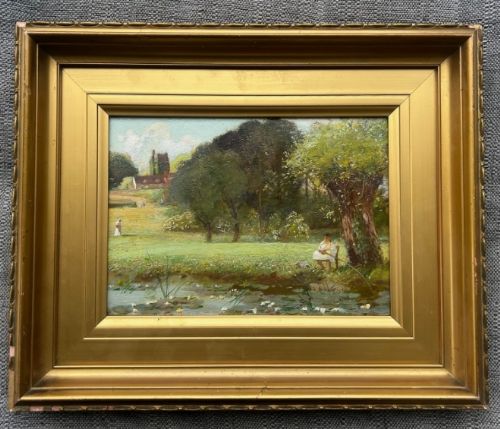


Signed Scottish Artwork
Signed scottish artwork brings the hills, lochs, and coastal light of the north into a room through the hand of a named maker.
Signed Scottish Artwork
Signed scottish artwork covers original watercolours and oil paintings created across the nineteenth and twentieth centuries by artists recording local terrain. Buyers seek out these pieces to secure authentic depictions of Highland landscapes, rivers, and coastal scenes rendered by identifiable hands.
The selection on this page relies heavily on nineteenth-century watercolours and early twentieth-century oil paintings on wood panel or canvas. Victorian and Edwardian examples dominate, alongside mid-century abstract and landscape compositions from later decades.
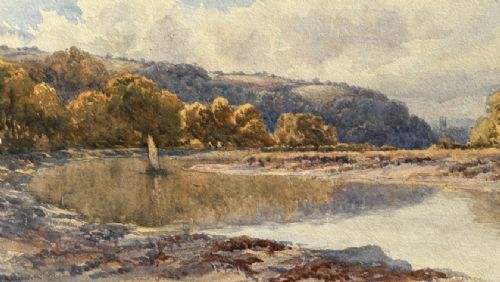
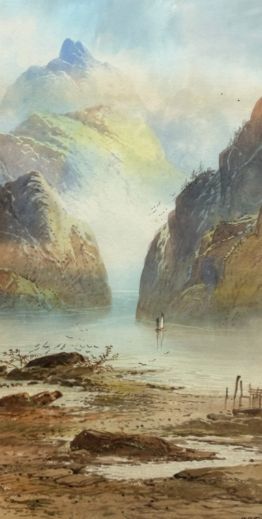
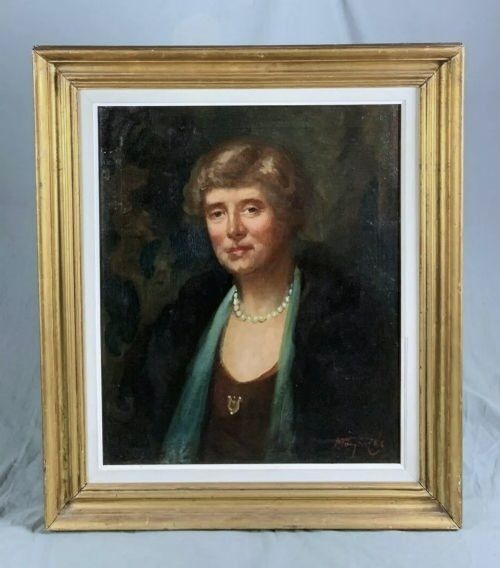
Subjects range from tranquil lochs and rustic bothies to Edinburgh streetscapes and portraits of notable figures. Each piece bears the signature or monogram of the artist, connecting the viewer directly to the creator and the period.
Materials and Techniques
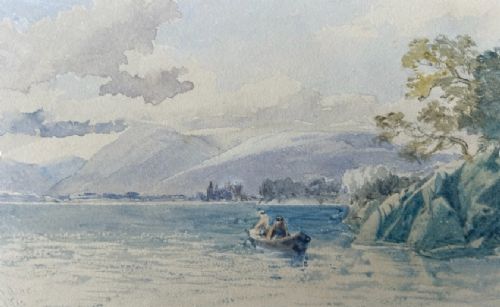
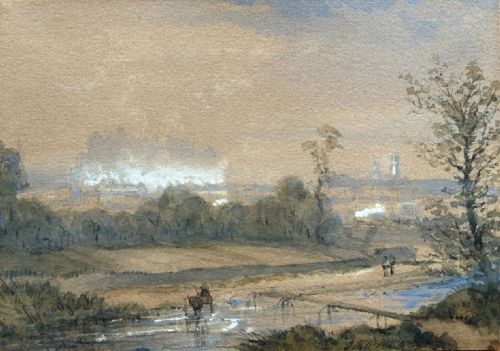
Watercolour paint applied to paper forms a substantial portion of these works, often capturing the soft atmospheric light of Scottish weather through transparent washes. Artists working in this medium frequently utilised pen or pencil outlines beneath the pigment to define architectural details and landscape contours.
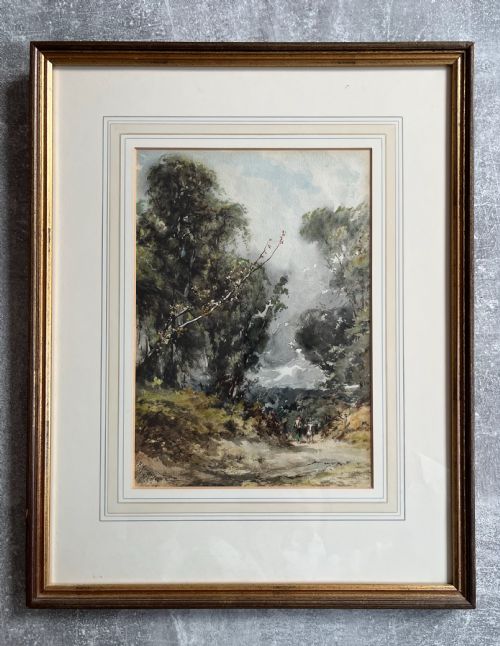
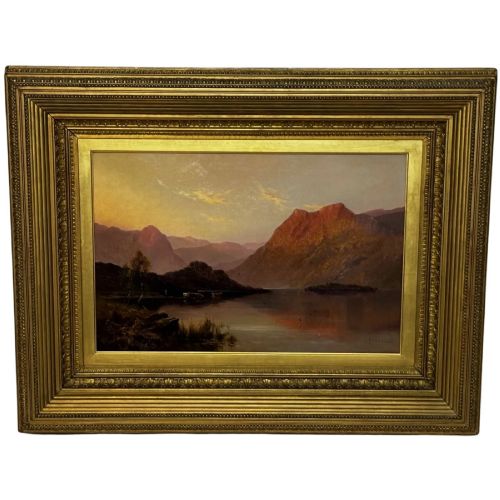
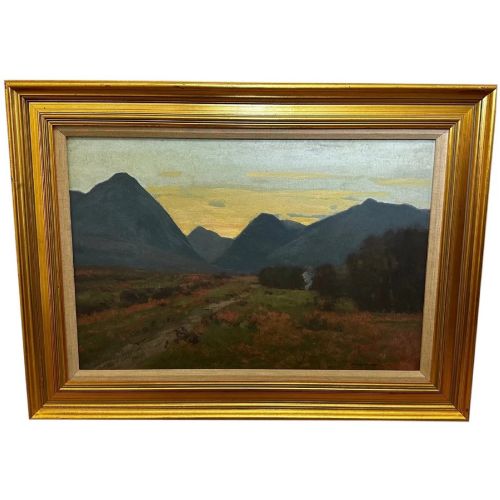
Oil paint on canvas and wood panel provides richer texture and deeper pigmentation for heavier Highland scenes and coastal views. These oil paintings display varied brushwork, from smooth academic blending to the more vigorous strokes associated with later impressionist approaches.
Frames play a crucial role in presentation, with many nineteenth-century works housed in period gilt frames that complement the ornate aesthetic of the era.
The selection includes works executed in oil paint, watercolour, and oil on wood panel across the nineteenth and twentieth centuries.
Assessing Quality
Quality rests upon the strength of the composition and the surety of the artist's hand in handling paint or watercolour. Superior pieces exhibit a confident command of light, atmosphere, and perspective that brings depth to the landscape or portrait.
The condition of the paper or canvas dictates the visual integrity of the artwork, with well-preserved pigments maintaining their original vibrancy without excessive fading or discoloration. Original period framing that suits the age of the piece adds further weight to the overall integrity of the work.
David Law·George Fotherly Hargitt·Thomas Miles Richardson Jnr·William Henry Earp·John R Prentice·Tom Campbell·Alfred Fontville de Breanski Jr·George Houston·Charles James McCall·William George Tennick·Sir David Murray·William Littlejohn·H Wallace·Robert Buchan Nisbet·Nasmyth·Margaret Laing·Sam Bough·Benjamin Williams Leader·Thomas Pritchard·Theobald Chartran·Donald Watson·Alastair Flatterly
The Signed Scottish Artwork Glossary
- Watercolour
- A paint consisting of a pigment suspended in a water-based solution. It is traditionally applied to paper to create transparent washes of colour.
- Wood Panel
- A rigid wooden support used by artists instead of canvas. It provides a stable surface for oil painting, particularly in smaller nineteenth-century works.
- Monogram
- A motif made by overlapping or combining two or more letters to form a single symbol. Artists frequently used these initials to sign their works discretely.
- Impressionism
- An art movement characterised by relatively small, thin yet visible brush strokes. Scottish variations capture the distinct northern light and weather effects.
Signed Scottish Artwork: Frequently Asked Questions
How were these paintings displayed?
Nineteenth and early twentieth-century homes typically hung these framed works in drawing rooms, parlours, or studies to showcase cultural refinedness and a connection to northern landscapes. Watercolours under glass required careful placement away from direct sunlight to prevent the pigments from fading.
Oil paintings on canvas or wood panel proved more resilient and often occupied prominent wall space above mantelpieces, secured within heavy period gilt frames.
How do I live with antique watercolours?
Watercolours demand careful placement in rooms with controlled lighting to protect the paper and pigments from ultraviolet damage. Framing them behind conservation glass helps filter harmful light while preserving the delicate paper support.
Keeping the artwork away from damp environments prevents foxing and mould growth, ensuring the paper remains stable for decades to come.
How do I identify Victorian periods?
Victorian pieces often feature detailed, realistic depictions of landscapes or figures, accompanied by heavy gilt frames typical of the nineteenth century. Signatures and dates inscribed directly onto the canvas or paper help anchor the work firmly within the reign of Queen Victoria.
The subject matter frequently reflects romanticized views of the Scottish Highlands, featuring sheep, rustic bothies, and dramatic lochs.