

Antique Scottish Wall Art
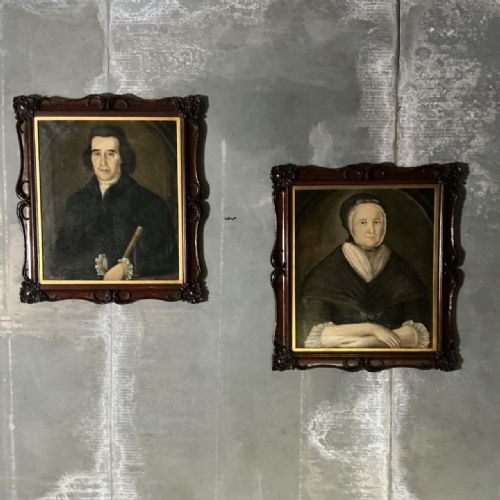
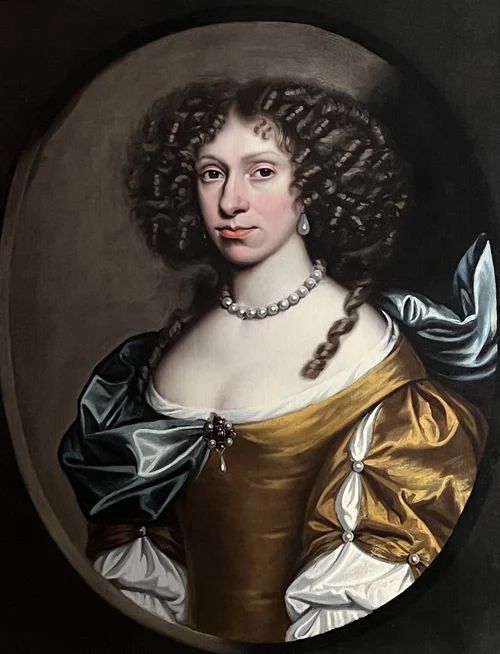
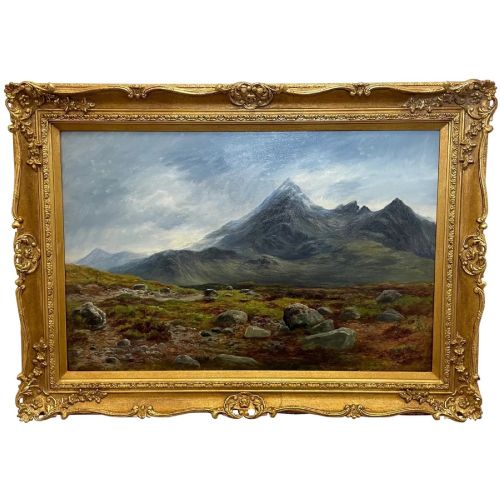
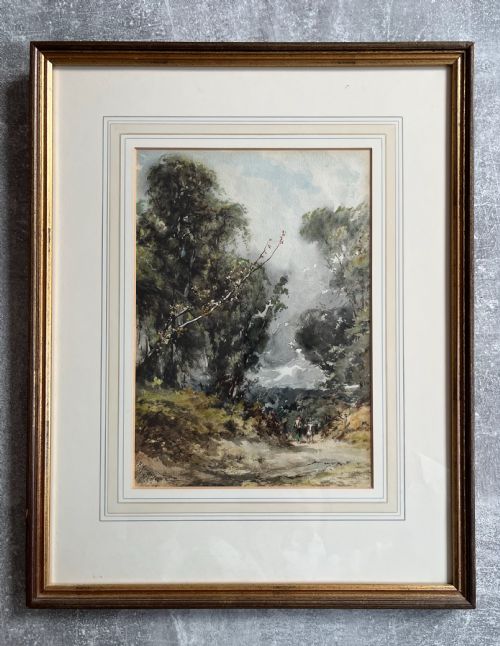
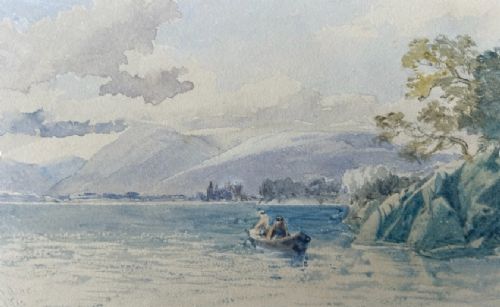
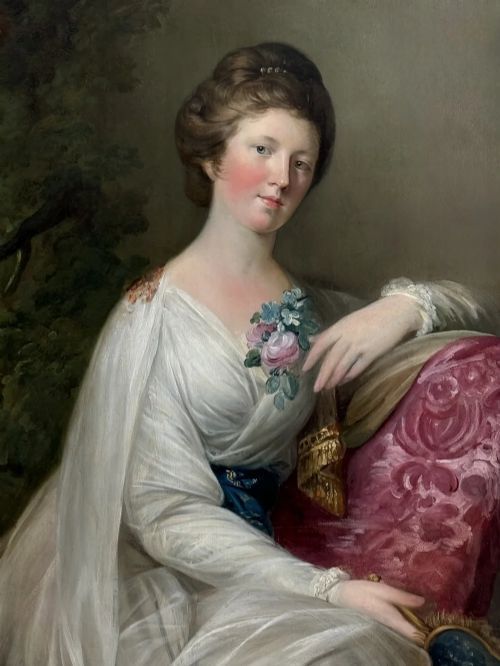
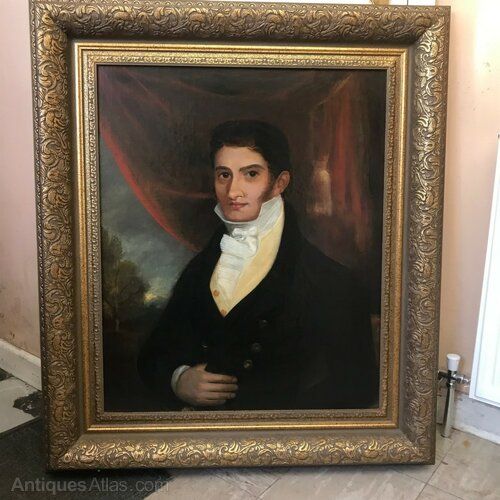
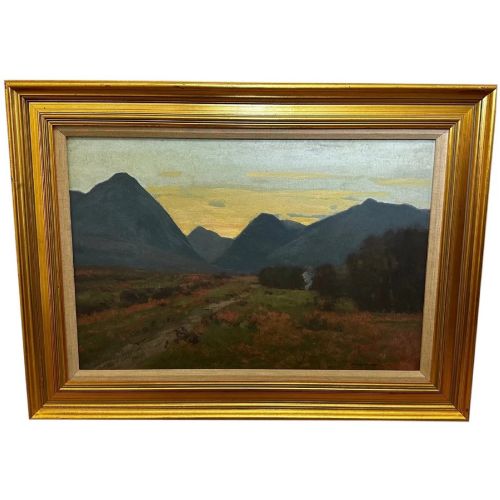
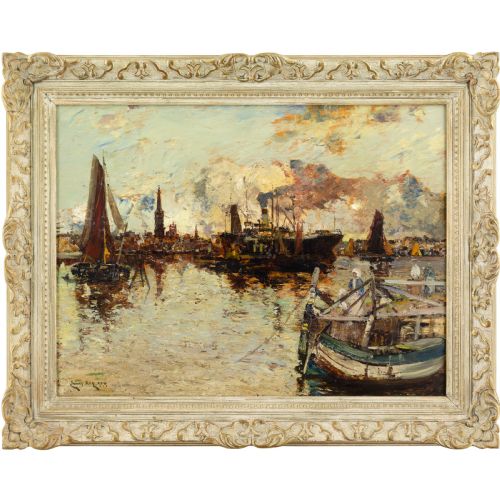
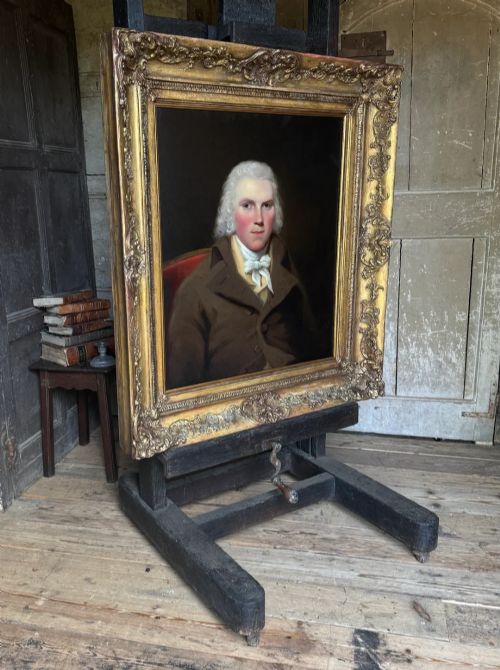
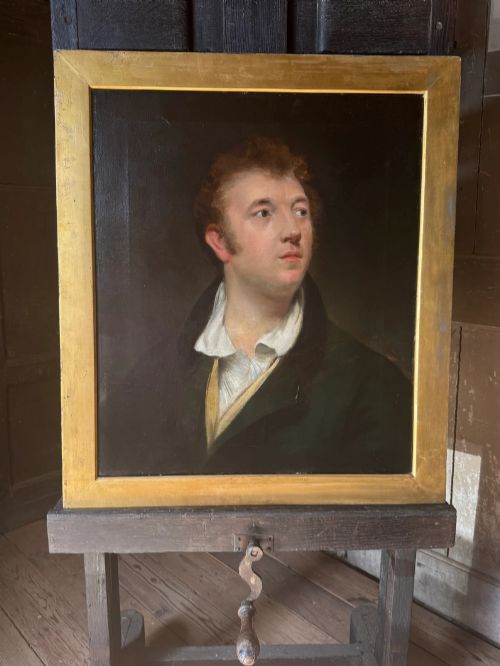
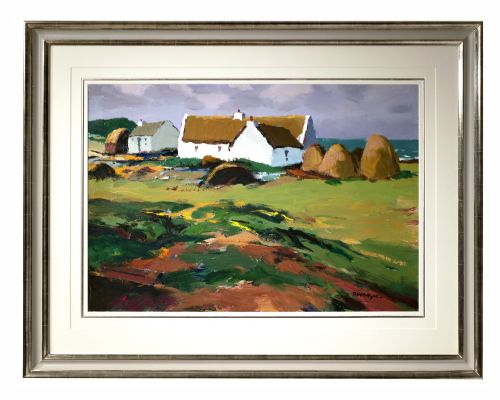
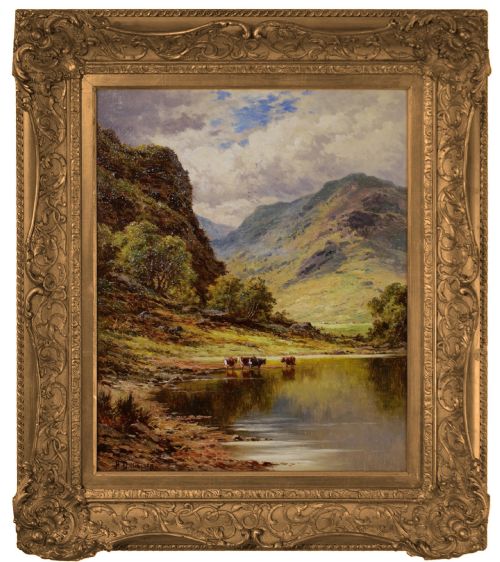
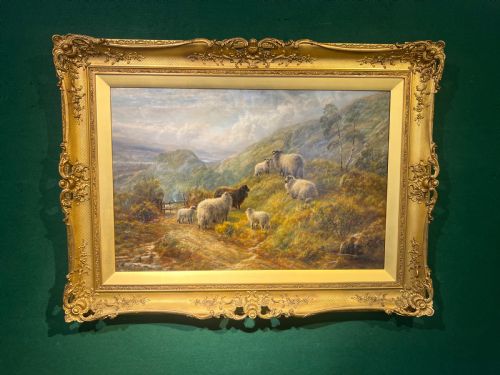
These pieces of antique scottish wall art range from oil portraits to watercolour landscapes capturing historic scenery and figures.
Antique Scottish Wall Art
When you search for antique scottish wall art, you encounter a varied selection of regional paintings, watercolours, textile art, and maps spanning multiple centuries. The selection on this page leans heavily toward nineteenth-century oil paintings and watercolours depicting dramatic Highland landscapes, coastal scenes, and formal portraits.
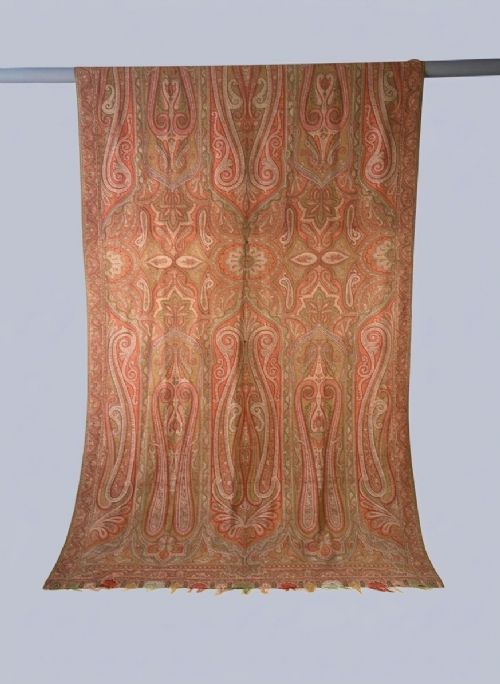
The material record also includes eighteenth-century painted coach panels, needlework samplers, and wool shawls framed for display. These works capture the topography and notable figures of Scotland, utilising traditional mediums suited to domestic interiors.
Materials and Techniques
Makers utilised oil paint applied to canvas, wood panels, or boards, creating rich textures for landscapes and detailed realism for portraiture. Watercolours on paper capture lighter atmospheric effects, frequently paired with ink or bodycolour.
Framing materials commonly feature giltwood, gesso, and wood moulding to house these works securely. Textile pieces rely on wool and needlework techniques executed on fabric supports.
Object types include framed artwork, painted coach panels, needlework samplers, and detailed cartography alongside standard paintings.
Evaluating Quality
The standard of execution in paint handling, draughtsmanship, and compositional balance separates master works from routine studio output. Superior examples display confident brushwork and accurate anatomical or topographical detail rather than formulaic repetition.
Condition of the support and pigment stability significantly affect the integrity of the piece. Works retaining their original giltwood frames and untouched paint surfaces hold greater historical authenticity.
DAVID SCOUGALL·GEORGE WILLISON·William Beattie-Brown·Tom Campbell·George Houston·James Kay·Henry H. Parker·William Watson Jnr·Robert Cleminson·Archibald Kay
The Antique Scottish Wall Art Glossary
- Giltwood
- Wood that has been coated with a thin layer of gold leaf or gold paint. This finish frequently decorates traditional frames enclosing nineteenth-century paintings.
- Gesso
- A plaster mix applied to wood or canvas as a prepared base for painting or gilding. It provides a smooth surface for detailed artistic work.
- Watercolour
- A paint consisting of pigment suspended in a water-soluble vehicle. Artists apply these transparent washes to paper to render delicate landscapes.
- Needlework sampler
- A piece of embroidery produced as a demonstration or test of skill. Examples from the nineteenth century often feature stitched alphabets and motifs.
Antique Scottish Wall Art: Frequently Asked Questions
What subjects appear in these paintings?
The listings feature Scottish Highland landscapes, coastal views, lochs, and domestic scenes alongside formal portraits of historical figures and gentry. Artists also documented domestic animals, game birds, and local architecture.
These subjects reflect the romantic appreciation of Scottish scenery and heritage prevalent during the eighteenth and nineteenth centuries.
How do I identify a nineteenth-century work?
Nineteenth-century pieces typically exhibit specific canvas weaves, traditional gesso framing methods, and stylistic traits associated with Victorian or Edwardian art schools. Signatures, dates, and biographical records of listed artists provide definitive chronological markers.
Examining the reverse of the canvas or panel often reveals historic dealer labels, titles, or inscriptions that corroborate the period.
Where were these pieces originally displayed?
These artworks adorned the walls of country houses, town residences, and public institutions across Britain. Portraits usually commemorated family members or civic leaders within domestic parlours and libraries.
Landscapes and watercolours suited drawing rooms and studies, reflecting contemporary tastes in interior decoration and regional pride.
How should I care for antique paintings?
Protect the works from direct sunlight, excessive heat fluctuations, and high humidity to prevent pigment fading and wood warping. Dust giltwood frames gently with a soft, dry brush without applying liquid cleaners.
Professional conservators should handle any structural repairs to canvas supports or delicate paper watercolours to preserve the integrity of the piece.