




Traditional Mountain Landscape Painting
A traditional mountain landscape painting brings the vast stillness of high peaks and Highland lochs straight into a room.
Traditional Mountain Landscape Painting
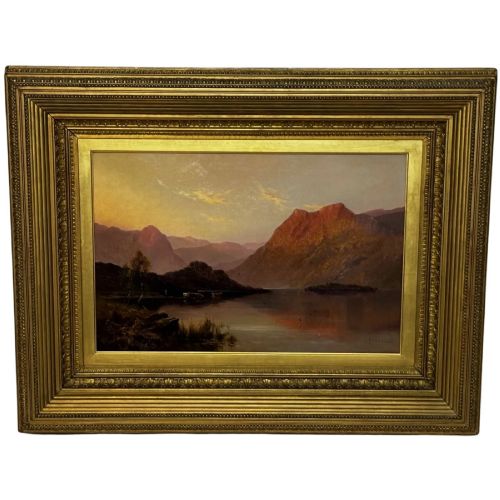
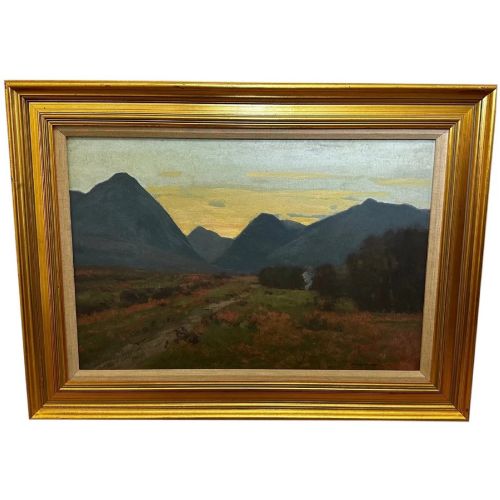
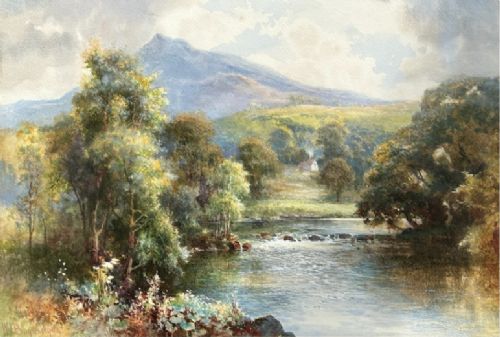
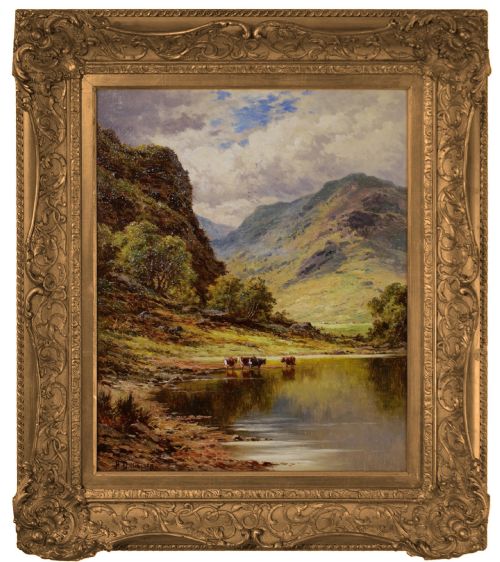
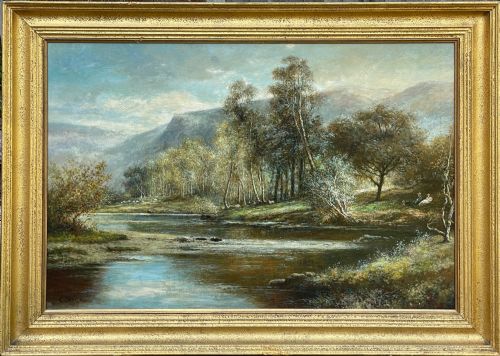
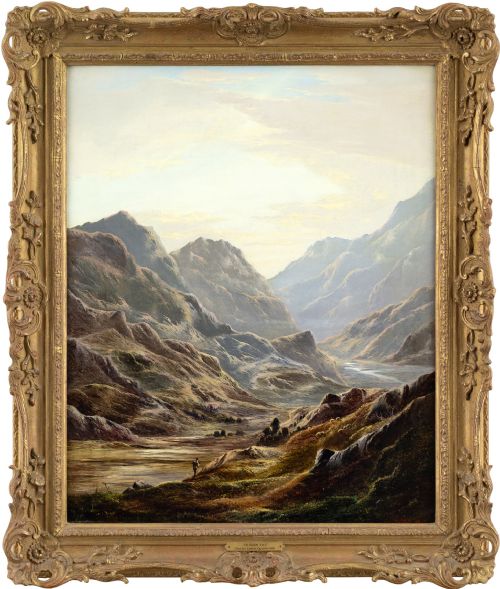
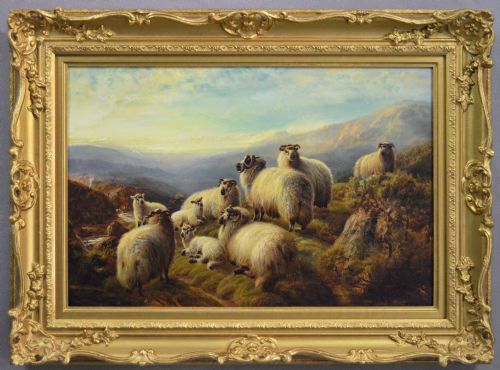
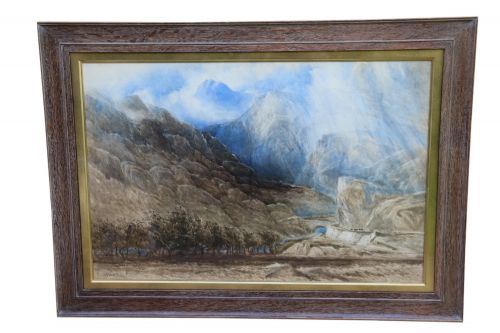
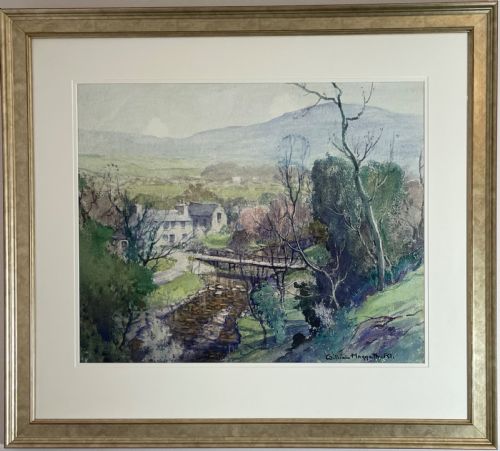
A traditional mountain landscape painting depicts rugged terrain, sweeping valleys, and alpine waters captured by artists primarily through the nineteenth and early twentieth centuries. These works frequently record specific British and European locations, from Welsh river passes to Scottish mountainsides.
The pieces appearing on this page range from intimate watercolours on paper to large oil paintings on canvas, often housed within their original giltwood frames. Collectors encounter both detailed topographical studies and atmospheric Impressionist interpretations.
Rural scenery dominates these compositions, often including incidental figures, resting cattle, or tranquil lakes that anchor the immense scale of the peaks behind them. The Victorian era produced a vast quantity of these pastoral views, establishing a standard format for domestic display.
How They Were Made
Artists built these traditional mountain landscape painting works using oil on canvas, oil on panel, or watercolour on paper, applying pigments with brushes to achieve depth and atmospheric light. Many canvases rely on a supportive wooden stretcher and gesso preparation layers before the final paint application.
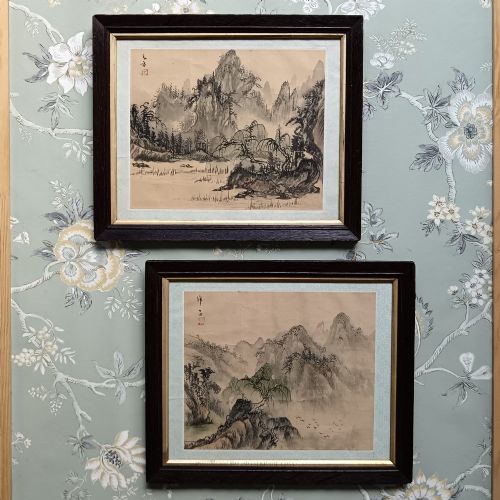
Framing played an integral role in the presentation, with original gilt wood and gesso frames providing a bright border that contrasted with the deep earth tones of the scenery. Silk was occasionally utilised as a support for specific Eastern Asian compositions within the selection.
Several Highland cattle quietly graze through the centuries, unfazed by shifting weather and passing showers.
What Varies in Quality
The success of a traditional mountain landscape painting rests upon the artist's handling of light, atmosphere, and geological structure, distinguishing fluid brushwork from stiff topographical illustration. Master painters captured shifting weather and morning mist with a confidence that elevates the entire composition.
Condition of the medium and the retention of the original giltwood frame significantly influence the standing of a piece. Works that retain their undisturbed paint surfaces and period framing without extensive restoration hold greater integrity for collectors.
William Beattie-Brown RSA·Alfred Fontville de Breanski Jr·George Houston RSA RSW·William Joseph Boyes·Henry H. Parker·Charles Leslie·Robert Watson·Henry Martin Pope·William Henry Mander·William Hoggatt·Sidney Richard Percy·Thomas Spinks·Frank Hider·Walter J Watson·C Caldwell·William Grant Murray·J Barclay·John Douglas Perrett·Stephen Enoch Hogley·R.L. Howey·George Melvin Rennie·George Turner·Alfred de Breanski Snr
The Traditional Mountain Landscape Painting Glossary
- Gesso
- A traditional paint mixture consisting of a chalk binder used to prepare wood surfaces or frames before gilding. This ground layer creates a smooth base for subsequent ornamentation.
- Giltwood
- Wood that has been decorated with a thin layer of gold leaf or powder. It provides a luminous border common in nineteenth-century framing.
- Watercolour painting
- A medium where the paints are made of pigments suspended in a water-based solution. Paper serves as the primary support for these translucent works.
- Impressionism
- A style of painting that focuses on the accurate depiction of light in its changing qualities. Artists working in this manner often employed visible, rapid brushstrokes.
Traditional Mountain Landscape Painting: Frequently Asked Questions
Where were these paintings displayed?
These works were traditionally hung in drawing rooms, parlours, and studies of nineteenth-century homes to bring views of nature indoors.
Today, they suit living rooms and hallways where their rich frames and calming scenery create a traditional focal point.
How do I identify the period?
Examining the stretcher bars, canvas texture, and framing style provides reliable clues regarding the age of a work.
Signatures, artist records, and the costume of any figures depicted further help narrow down the decade of creation.
Are original frames important?
Original giltwood frames complete the historical context of the artwork and were specifically chosen to complement the palette.
Keeping the artwork within its period frame preserves the visual balance intended by the maker.
What subjects are most common?
Scottish Highlands, Welsh river valleys, and alpine lakes appear frequently across these nineteenth-century depictions.
Artists often included local livestock or figures to provide a sense of human scale against towering peaks.